

Commentary
The Thai-Cambodian conflict highlights the limits to China's peacemaker ambition and the significance of this role on Southeast Asia’s balance of power.
Pongphisoot (Paul) Busbarat
{
  "authors": [
    "Dimitris Bouris",
    "Nathan J. Brown"
  ],
  "type": "legacyinthemedia",
  "centerAffiliationAll": "dc",
  "centers": [
    "Carnegie Endowment for International Peace"
  ],
  "collections": [],
  "englishNewsletterAll": "menaTransitions",
  "nonEnglishNewsletterAll": "",
  "primaryCenter": "Carnegie Endowment for International Peace",
  "programAffiliation": "MEP",
  "programs": [
    "Middle East"
  ],
  "projects": [],
  "regions": [
    "Middle East",
    "Israel",
    "Palestine"
  ],
  "topics": [
    "Political Reform",
    "Democracy",
    "Security"
  ]
}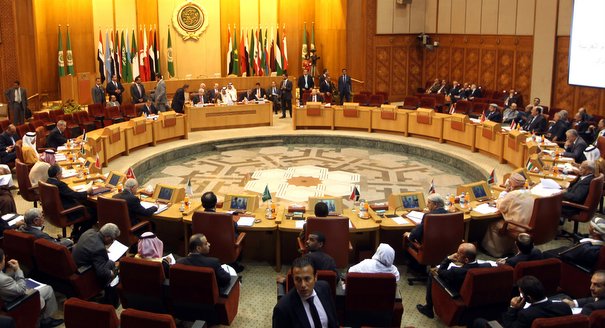
Source: Getty
European diplomacy might be better aimed by helping to forge an international consensus that encourages the use of legal frameworks to provide an alternative to unilateral use of force and the creating of facts on the ground.
Source: Al Jazeera
Last month, the French government convened an international meeting to revive the Israeli-Palestinian “peace process”.
Yet by calling for direct negotiations without offering any new ideas of either a substantive or a procedural nature, the initiative is bound to fail. Its flaws might be corrected, but only by ending the conflict's status as a virtually law-free zone.The initiative's detractors are far more numerous than the dignitaries who showed up. Critics note that the initiative comes at an unpromising moment when there are other international priorities. That is true but does not go far enough: the moment of opportunity for such an initiative passed nearly two decades ago. And the problems go beyond timing.
The effort to revive a dimly remembered “peace process” is based on plugging some holes that were left in the series of Israeli-Palestinian bilateral agreements negotiated in the 1990s. For all their details, the agreements were silent on almost all critical issues, leaving them to further bilateral negotiations.
Far from supporting a “two-state solution”, they were worded to avoid any reference to statehood.
They contained no real mechanism for resolving disputes, and no timeline other than the promise of agreement by 1999.
The French initiative now seeks to close some gaps: it clearly endorses a two-state solution; it is based on deadlines and stages more robust than Oslo's vague timeline; and it is anchored in international diplomacy with an implicit threat of a Security Council resolution.
Although these are all steps in the right direction, they are neither bold nor new: all have been taken unsuccessfully many times before - the 2003 Road Map; the 2007 Annapolis Conference; and the Kerry Initiative of 2014 all dabbled with such measures. These initiatives were all based on buttressing bilateral diplomacy.
But besides bilateralism, there is also a robust international framework that already exists - but the approach of Israel and the United States has been to shove it aside on the claim that it should not be a substitute for direct negotiations.
Although the French initiative makes some reference to UN Security Council resolutions and the Arab Peace Initiative, it does not make any reference to the Geneva Conventions or other aspects of international law.
This is probably a response to two allergies. On the one hand, the Israelis insist—as one might expect of the stronger parties in negotiations—that there is no substitute for direct negotiations.
On the other hand, the United States has also shown both a protectiveness of Israel and a jealousy of involving any other actors in serious diplomacy.
The unstated but very real attitude that the conflict is an area where international law cannot be invoked because it might upset diplomacy has allowed the Israeli-Palestinian conflict to metastasize the pernicious form that it has taken today.
Under Oslo, agreements were interpreted and enforced by the parties themselves. Both tried to downplay their own obligations and pushed implausible readings of their content—with the predictable result that realities reflected the will of the stronger party.
After the end of the Oslo era, palliative diplomacy like that offered by the French actually obscures the resulting realities on the ground.
The Geneva Conventions, along with various Security Council and United Nations General Assembly resolutions, offer guidance on all of the thorny issues, including refugees and settlements.
If they were used as the context for international efforts rather than a club to be kept in the closet, the US would lose its monopoly on diplomacy, and Israeli leaders would probably lose their tempers. But none would lose their lives if lawsuits, reports, and resolutions were the only weapons of conflict.
Weaker parties often prefer to bring in the law, and this case is no different. Many Palestinians speak of “international legitimacy”, convinced that there is a framework of international legal norms and structures that should offer them protection—but to which they have been denied access.
But the move to an international setting would probably offer Palestinians less than they hope and threaten Israelis far less than they fear. Israel is a recognized member of the international community; existing legal and institutional arrangements are based on very strong conceptions of state sovereignty and self-defense.
European diplomacy might be better aimed by helping to forge an international consensus that encourages the use of legal frameworks as long as they provide an alternative to unilateral use of force, armed struggle, and the creating of facts on the ground.
While not a solution in itself, such an approach might help to produce a healthier environment in which the generation of post-Oslo leaders can find a solution.
Most of all, it would avoid having the road from the Paris meeting lead right back to Melos, the Greek island where the ancient Athenians describe the international order as one in which “the strong do what they can and the weak suffer what they must”.
Dimitris Bouris

Nonresident Senior Fellow, Middle East Program
Nathan J. Brown, a professor of political science and international affairs at George Washington University, is a distinguished scholar and author of nine books on Arab politics and governance, as well as editor of five books.
Carnegie does not take institutional positions on public policy issues; the views represented herein are those of the author(s) and do not necessarily reflect the views of Carnegie, its staff, or its trustees.
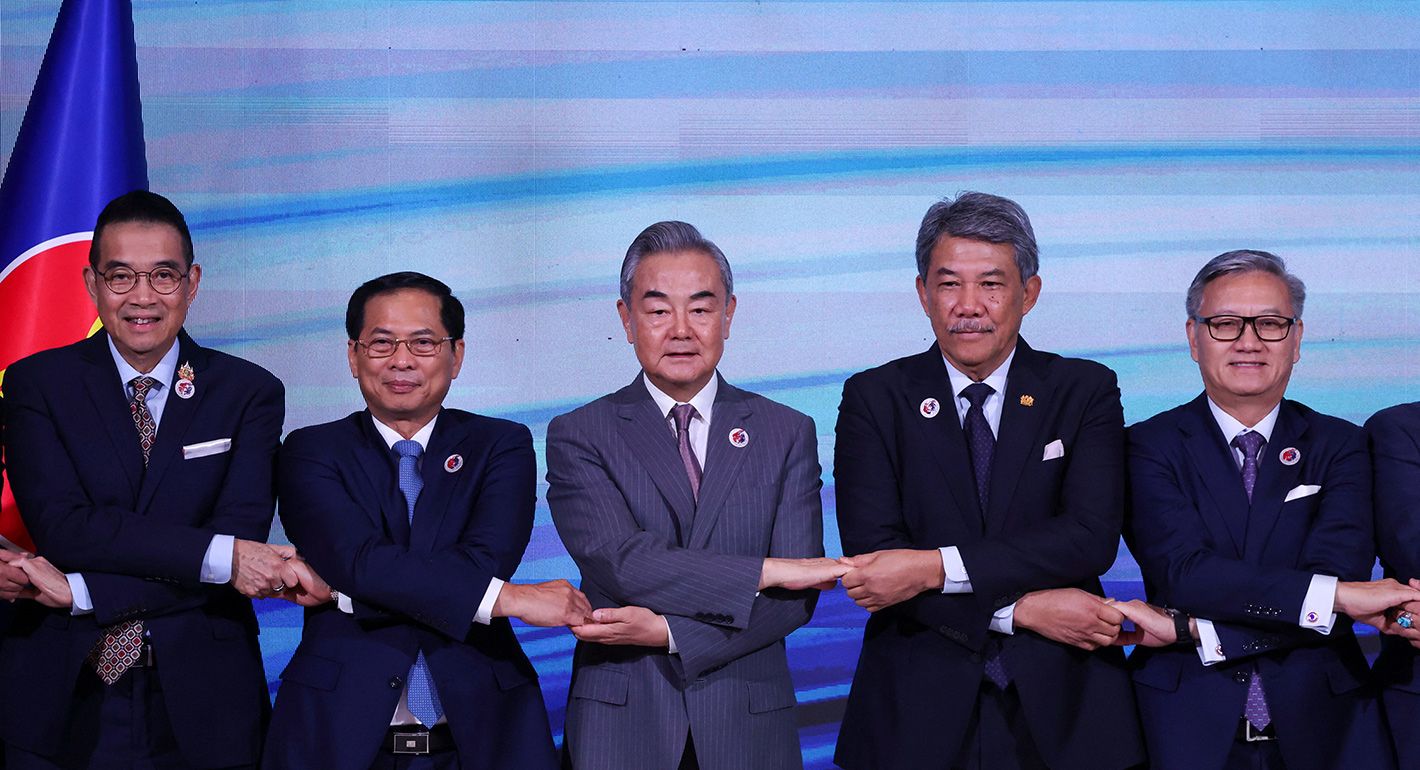
The Thai-Cambodian conflict highlights the limits to China's peacemaker ambition and the significance of this role on Southeast Asia’s balance of power.

Pongphisoot (Paul) Busbarat
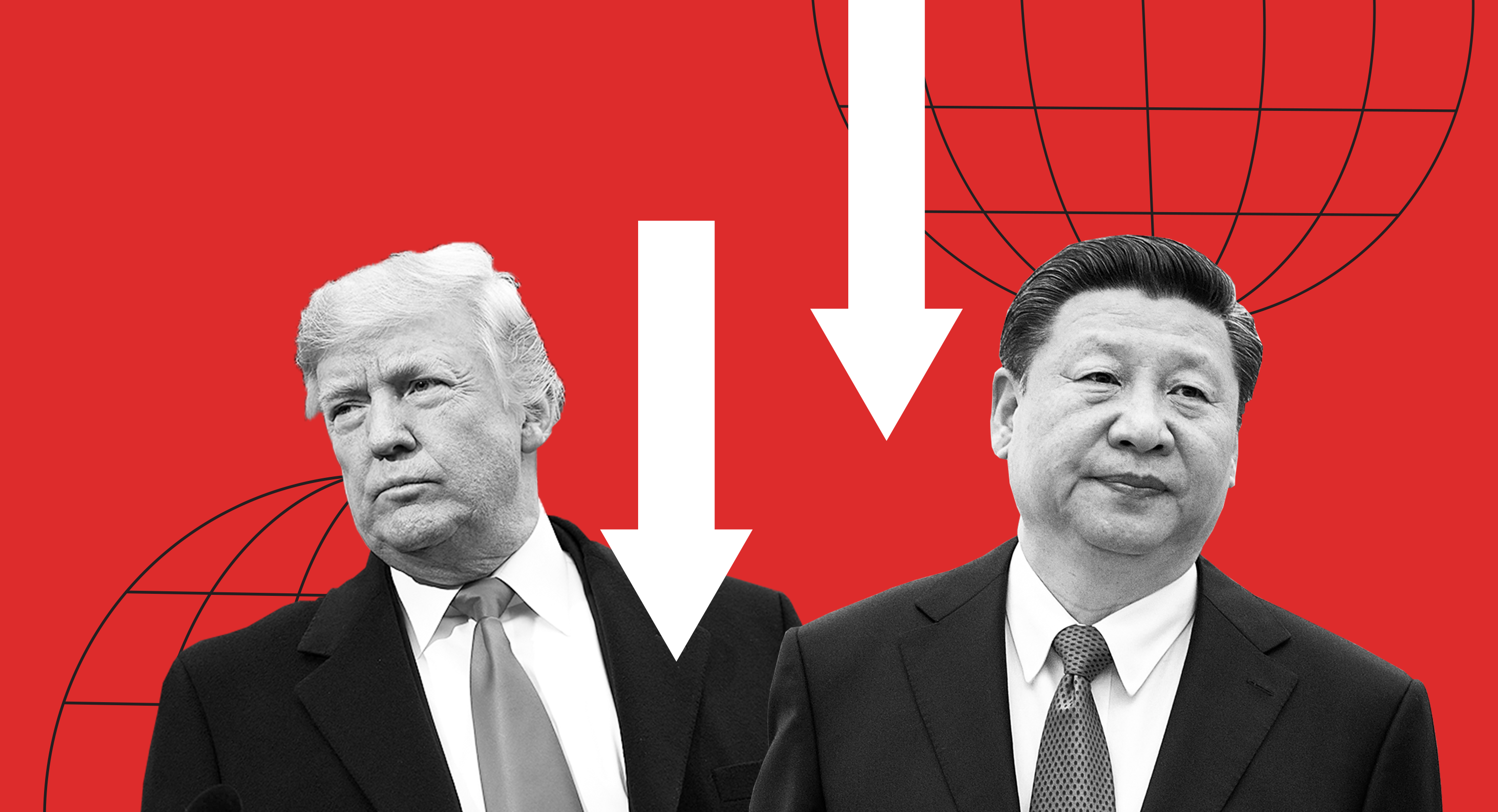
Beijing believes that Washington is overestimating its own leverage and its ability to handle the trade war’s impacts.


Rick Waters, Sheena Chestnut Greitens
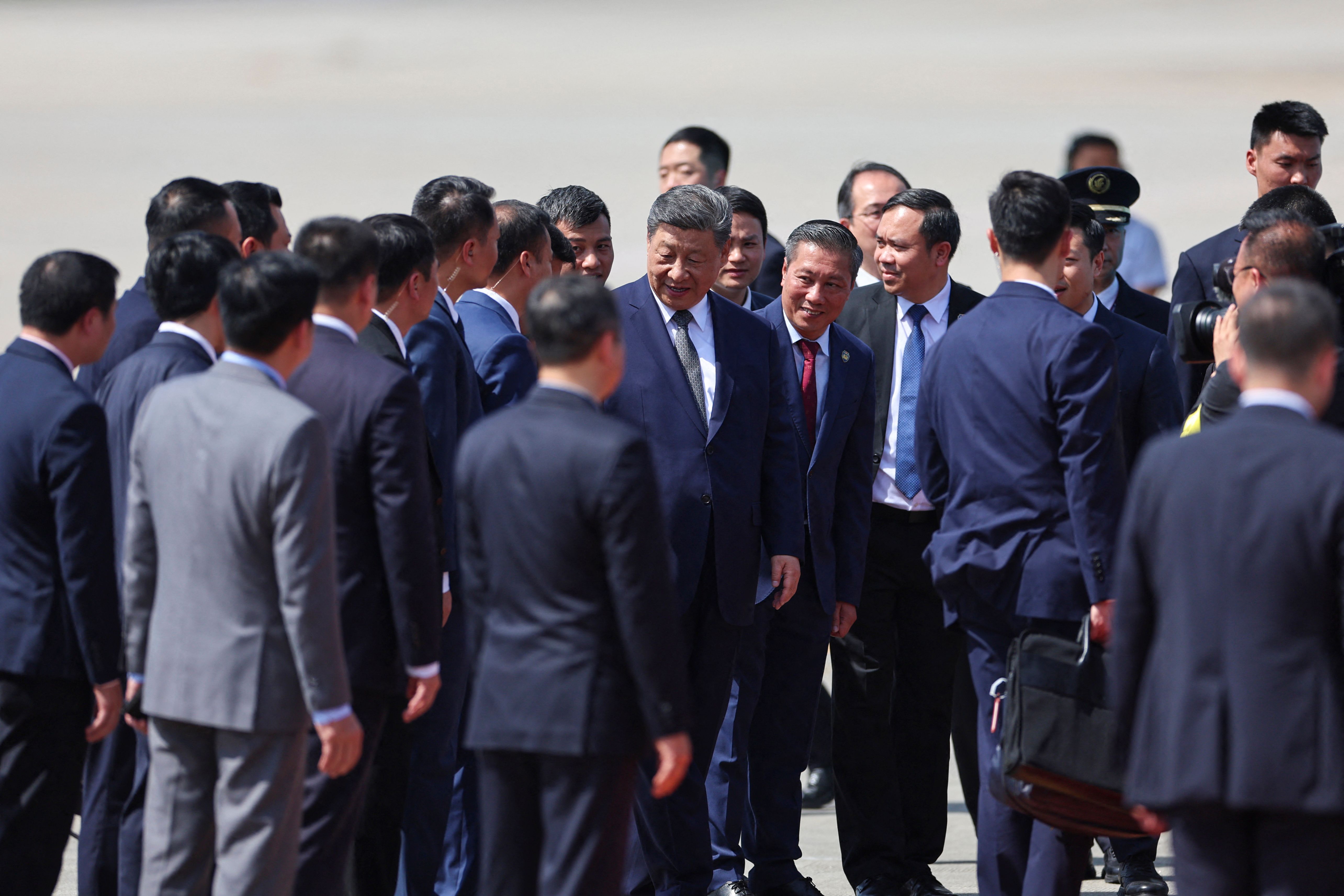
Tapping our network of China experts in the region, Carnegie China offers this latest “China Through a Southeast Asian Lens” report to offer preliminary assessments of whether the U.S. effort to reshape the global trading order will lead countries in the region to tilt toward Beijing.



Selina Ho, Khin Khin Kyaw Kyee, Joseph Ching Velasco, …
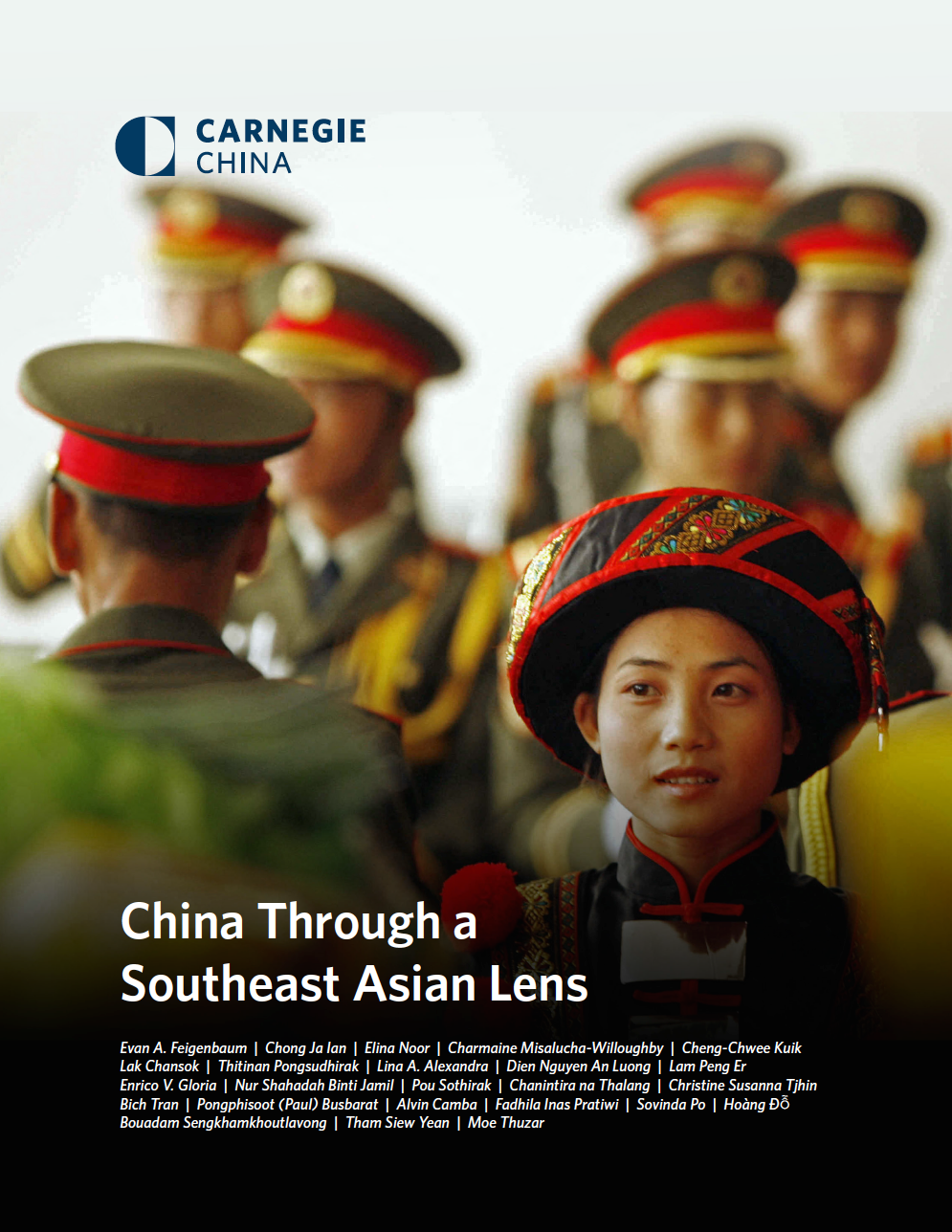
Because strategic, economic, and ideological perceptions of China contain multiple, sometimes contradictory facets in Southeast Asia, receptions of and responses to Beijing diverge across and within state lines.



Evan A. Feigenbaum, Chong Ja Ian, Elina Noor

Most Southeast Asian states behave as if the actions of their Northeast Asian neighbors and the Philippines will be sufficient to maintain a regional status quo from which they can benefit.
Chong Ja Ian