

Q&A
Aaron David Miller, Karim Sadjadpour, Robin Wright
{
  "authors": [
    "Karim Sadjadpour"
  ],
  "type": "legacyinthemedia",
  "centerAffiliationAll": "dc",
  "centers": [
    "Carnegie Endowment for International Peace",
    "Malcolm H. Kerr Carnegie Middle East Center"
  ],
  "collections": [
    "Iranian Proliferation"
  ],
  "englishNewsletterAll": "menaTransitions",
  "nonEnglishNewsletterAll": "",
  "primaryCenter": "Carnegie Endowment for International Peace",
  "programAffiliation": "MEP",
  "programs": [
    "Middle East"
  ],
  "projects": [],
  "regions": [
    "North America",
    "United States",
    "Middle East",
    "Iran"
  ],
  "topics": [
    "Political Reform",
    "Security",
    "Military",
    "Foreign Policy",
    "Nuclear Policy"
  ]
}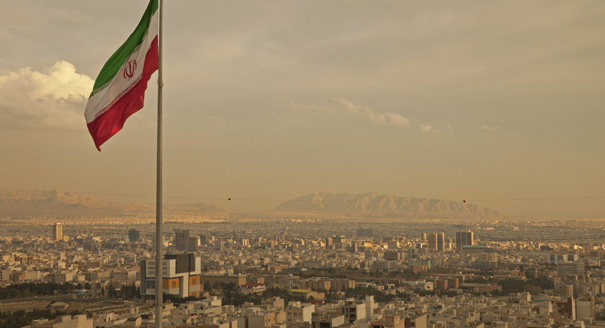
Source: Getty
Following a recent Iranian ballistic missile test, national security adviser Mike Flynn has put Iran “on notice.”
Source: NPR’s Morning Edition
RACHEL MARTIN, HOST:
To many, this week's missile tests by Iran was seen as a way for the country to test the new Trump administration. Yesterday, Trump's national security adviser, Mike Flynn, appeared in the White House Briefing Room for the first time with a response.
(SOUNDBITE OF ARCHIVED RECORDING)
MICHAEL FLYNN: The Trump administration condemns such actions by Iran that undermine security, prosperity and stability throughout and beyond the Middle East, which places American lives at risk. President Trump has severely criticized the various agreements reached between Iran and the Obama administration as well as the United Nations as being weak and ineffective. Instead of being thankful to the United States in these agreements, Iran is now feeling emboldened. As of today, we are officially putting Iran on notice.
MARTIN: Flynn's statement ended there without further explanation about what being on notice really means. To talk about all this, we're joined now by Karim Sadjadpour. He's an Iran expert with the Carnegie Endowment for International Peace. He's in the studio this morning.
Karim, thanks for being here.
KARIM SADJADPOUR: Great to be here.
MARTIN: Flynn was referring there to a U.N. Security Council resolution that prohibits Iran from testing missiles that could deliver nuclear weapons. Iran says this test did not violate that order. Given Trump's mistrust of Iran, why would it do this now? Why would it carry out the test?
SADJADPOUR: Well, I think Iran has a long history of this defiance towards the United States. At a time when the Trump administration's rhetoric towards Iran has been quite aggressive, I think they want to project strength to let United States know that it's not going to back down.
MARTIN: But they would know that that would be taken as some kind of provocation. So now you've got the top national security adviser for the Trump administration saying Iran is now on notice. What do you think is behind that rhetoric? What are they - what is the administration's game here?
SADJADPOUR: Well, I think, for the Trump administration, the hostility towards Iran is deeply personal. Men like General Flynn, the national security adviser, General Mattis, the secretary of defense - they served in Iraq, and they hold Iran responsible for the death of hundreds, if not over 1,000 U.S. military casualties. So for them, this is an old vendetta. It's deeply personal for them.
And I think, second, the Trump administration, I think, is going to plan - it wants to reset relations with America's traditional allies in the United States, namely Israel and Saudi Arabia, which will warrant a more aggressive push against Iran's regional activities.
MARTIN: We should mention Donald Trump tweeted last night. This is what he wrote - Iran is rapidly taking over more and more of Iraq, even after the U.S. has squandered $3 trillion there. Obvious long ago.
So clearly, that is something, as you mentioned, a connection between Iran's activities in Iraq. How do you think Iran's going to respond?
SADJADPOUR: Well, this is Iran's comfort zone. This is the Iranian regime's comfort zone. It's this position of defiance against the United States. But what they are comfortable with is kind of contained hostility. With this new administration in Washington, I think there's a risk that we could get into an escalatory situation that could potentially lead to military conflict. I think that's a real concern that - it's not that either side is going to tear up the nuclear deal - because neither side will want to be blamed for it - but each side takes actions which indirectly lead to the unraveling of the nuclear deal.
And I think the danger this time around is that five years ago, there was a united approach towards Iran. The United States under the Obama administration was able to rally the Chinese, the Europeans, the Russians. I think this time around, the United States could be going at it alone. The Chinese, the Russians are not interested in a conflict with Iran. Europe sees Iran, actually, as a stable actor in the Middle East. The last thing that Europe wants to do is destabilize yet another country in the region. And so I think that that puts us in a very difficult position.
MARTIN: Karim Sadjadpour is with the Carnegie Endowment for International Peace.
Karim, thanks for being with us.
SADJADPOUR: My pleasure. Thank you.

Senior Fellow, Middle East Program
Karim Sadjadpour is a senior fellow at the Carnegie Endowment for International Peace, where he focuses on Iran and U.S. foreign policy toward the Middle East.
Recent Work


Aaron David Miller, Karim Sadjadpour, Robin Wright

Aaron David Miller, David Petraeus, Karim Sadjadpour
Carnegie does not take institutional positions on public policy issues; the views represented herein are those of the author(s) and do not necessarily reflect the views of Carnegie, its staff, or its trustees.

Malaysia’s chairmanship sought to fend off short-term challenges while laying the groundwork for minimizing ASEAN’s longer-term exposure to external stresses.

Elina Noor

For Malaysia, the conjunction that works is “and” not “or” when it comes to the United States and China.
Elina Noor
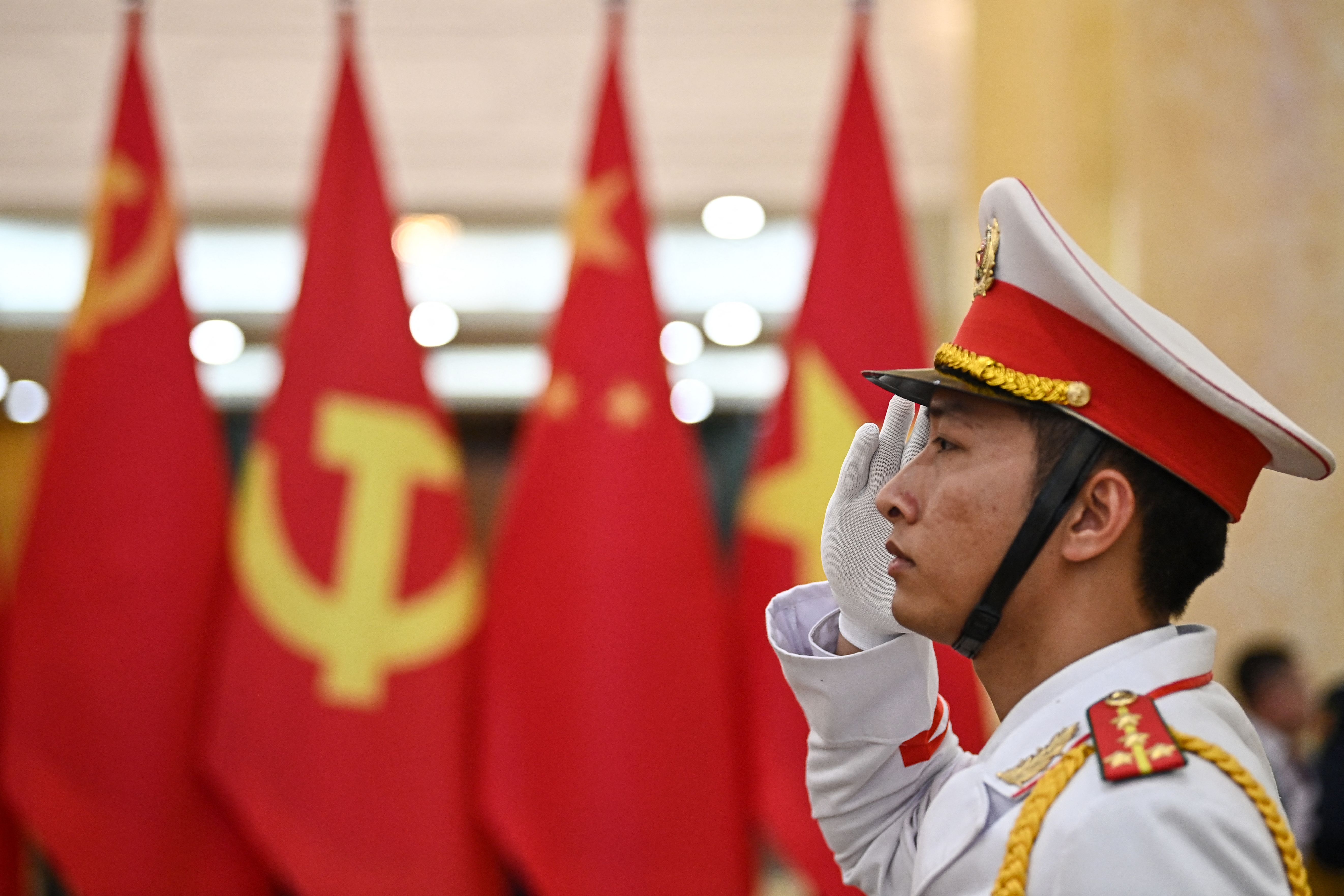
In July 2025, Vietnam and China held their first joint army drill, a modest but symbolic move reflecting Hanoi’s strategic hedging amid U.S.–China rivalry.

Nguyễn Khắc Giang
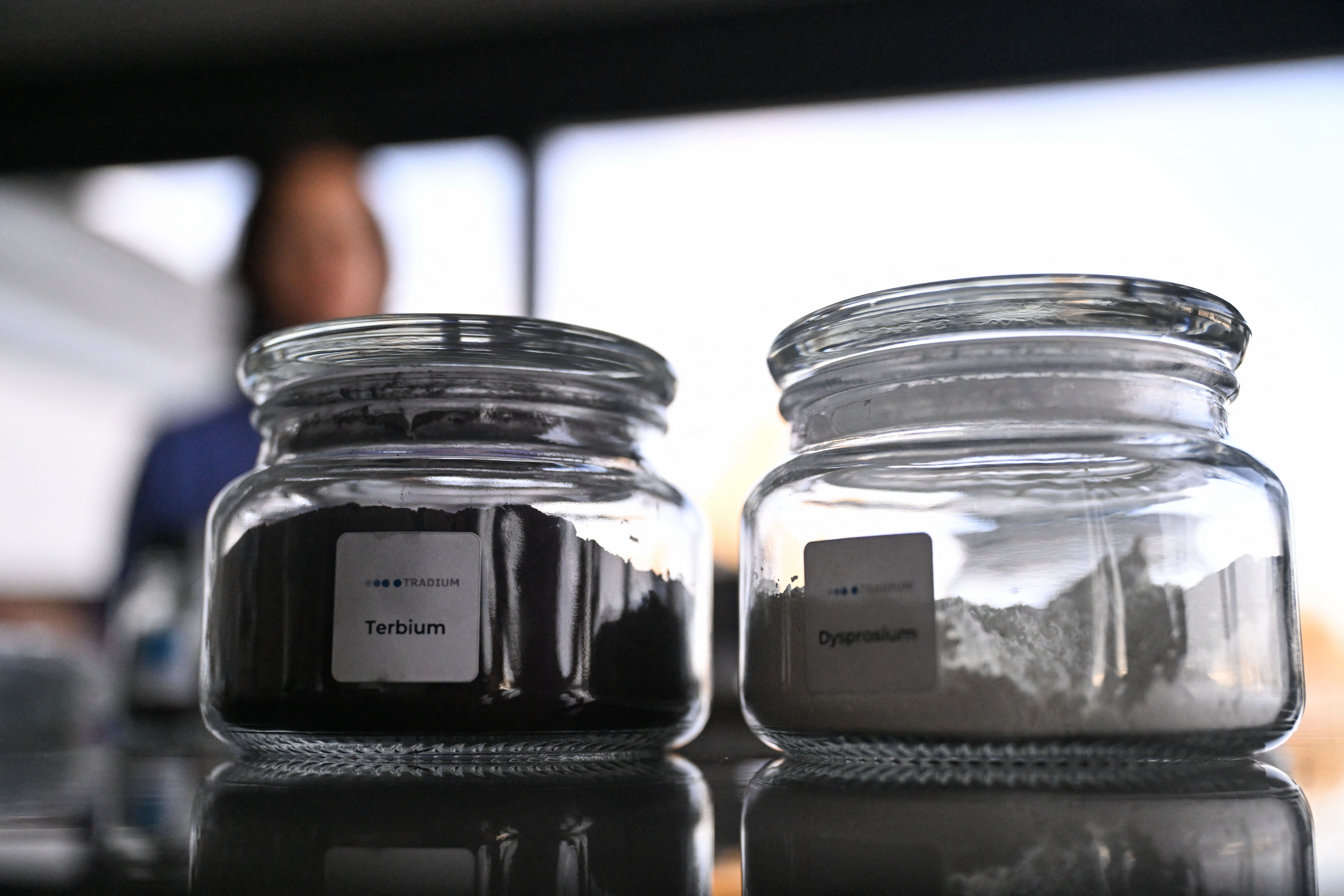
Regulation, not embargo, allows Beijing to shape how other countries and firms adapt to its terms.
Alvin Camba

The Thai-Cambodian conflict highlights the limits to China's peacemaker ambition and the significance of this role on Southeast Asia’s balance of power.

Pongphisoot (Paul) Busbarat