

Commentary
Togzhan Kassenova
{
  "authors": [
    "Togzhan Kassenova"
  ],
  "type": "other",
  "centerAffiliationAll": "dc",
  "centers": [
    "Carnegie Endowment for International Peace"
  ],
  "collections": [],
  "englishNewsletterAll": "ctw",
  "nonEnglishNewsletterAll": "",
  "primaryCenter": "Carnegie Endowment for International Peace",
  "programAffiliation": "NPP",
  "programs": [
    "Nuclear Policy"
  ],
  "projects": [],
  "regions": [
    "Central Asia",
    "Kazakhstan"
  ],
  "topics": [
    "Nuclear Policy"
  ]
}
Source: Getty
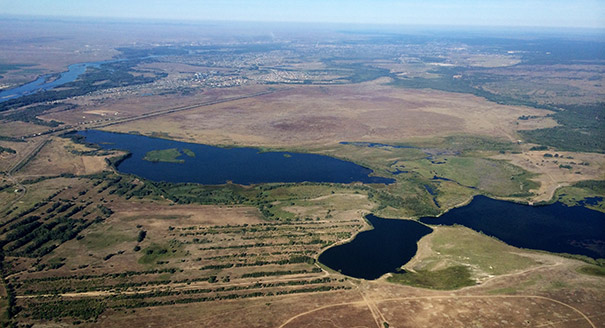
The story of Semipalatinsk nuclear test site demonstrates the tremendous economic, political, human, and environmental costs of nuclear testing and the perils associated with nuclear-weapon programs.
Source: Nonproliferation Review
In the late 1940s, the Soviet Union rushed to build and test its first nuclear bomb to reach parity with the United States. The Soviet government chose the steppes of Kazakhstan as its first nuclear-testing site. In difficult conditions, weapons program participants built the site and, in 1949, tested the first Soviet nuclear bomb. Shrouded in secrecy, the Soviet military complex continued to conduct nuclear tests in Kazakhstan for forty years while the local population became an unwilling victim of the Soviet nuclear might. Nuclear tests, especially during the earlier years of atmospheric testing, resulted in severe health and environmental consequences for thousands of nearby residents. Mass protests in Kazakhstan against nuclear tests built the momentum that drove the Kazakh government's decision to close down the Semipalatinsk nuclear-testing site in 1989. Organized public movement against nuclear testing became an important part of Kazakhstan’s nation-building process. Since closing down the site, Kazakhstan has prioritized nuclear disarmament and nonproliferation, using its tragic nuclear past as a platform for making meaningful contributions to international security. Kazakhstan now offers the former nuclear-test site at Semipalatinsk for exercises designed to strengthen the verification capacity of the Comprehensive Nuclear-Test-Ban Treaty (CTBT). The country also plays a leading role in promoting CTBT entry into force.
This article was originally published in Nonproliferation Review

Former Nonresident Fellow, Nuclear Policy Program
Kassenova was a nonresident fellow in the Nuclear Policy Program at the Carnegie Endowment.
Recent Work
Togzhan Kassenova

Toby Dalton, Togzhan Kassenova, Lauryn Williams
Carnegie does not take institutional positions on public policy issues; the views represented herein are those of the author(s) and do not necessarily reflect the views of Carnegie, its staff, or its trustees.

The nuclear relationship between China and the United States is increasingly shaped by widening perception gaps rather than deliberate strategic design.

Tong Zhao
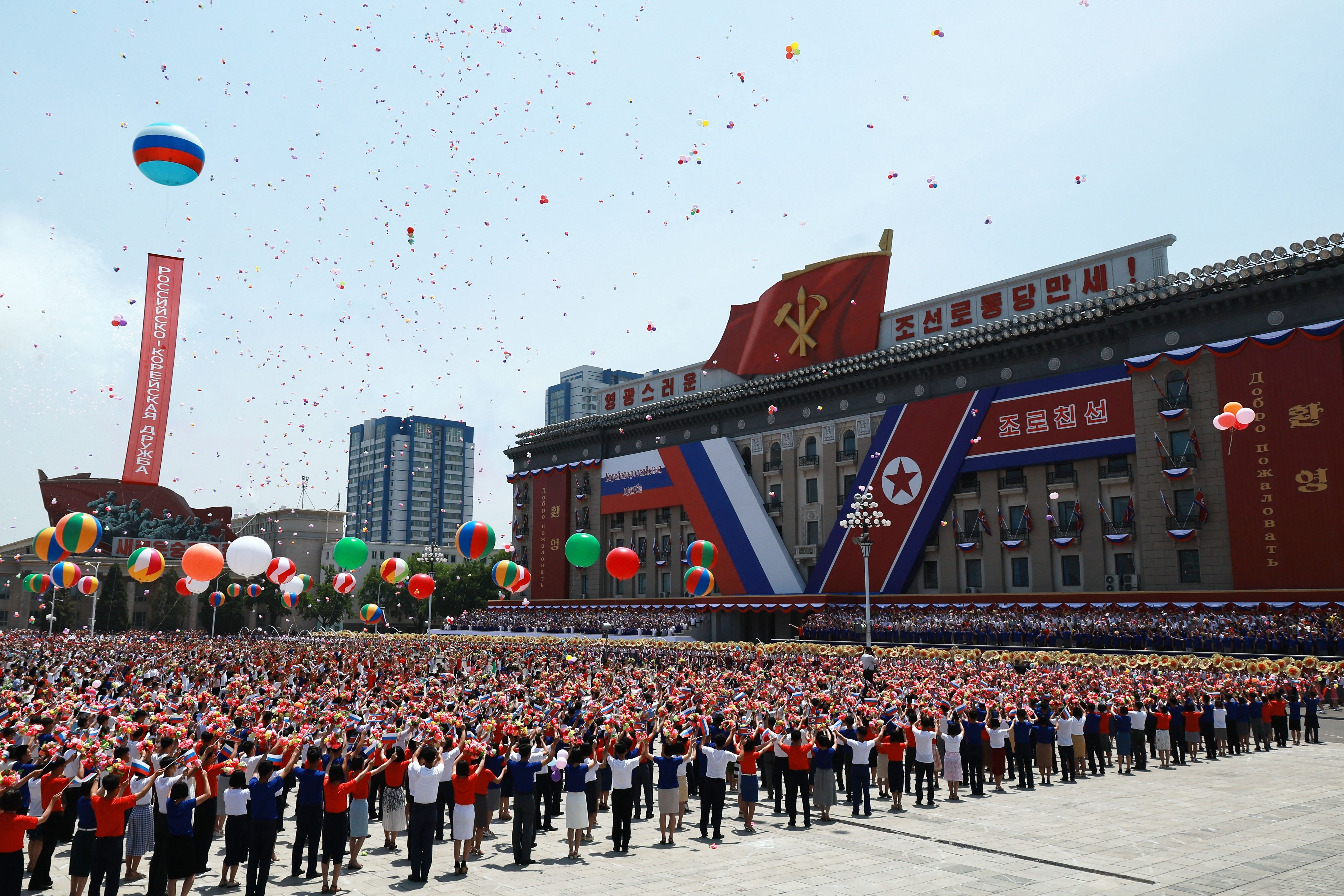
Faced with an increase in strategic maneuvering by Moscow and Pyongyang, Beijing will not sit idly by and allow Putin and Kim to shape the security environment on its behalf.
Tong Zhao
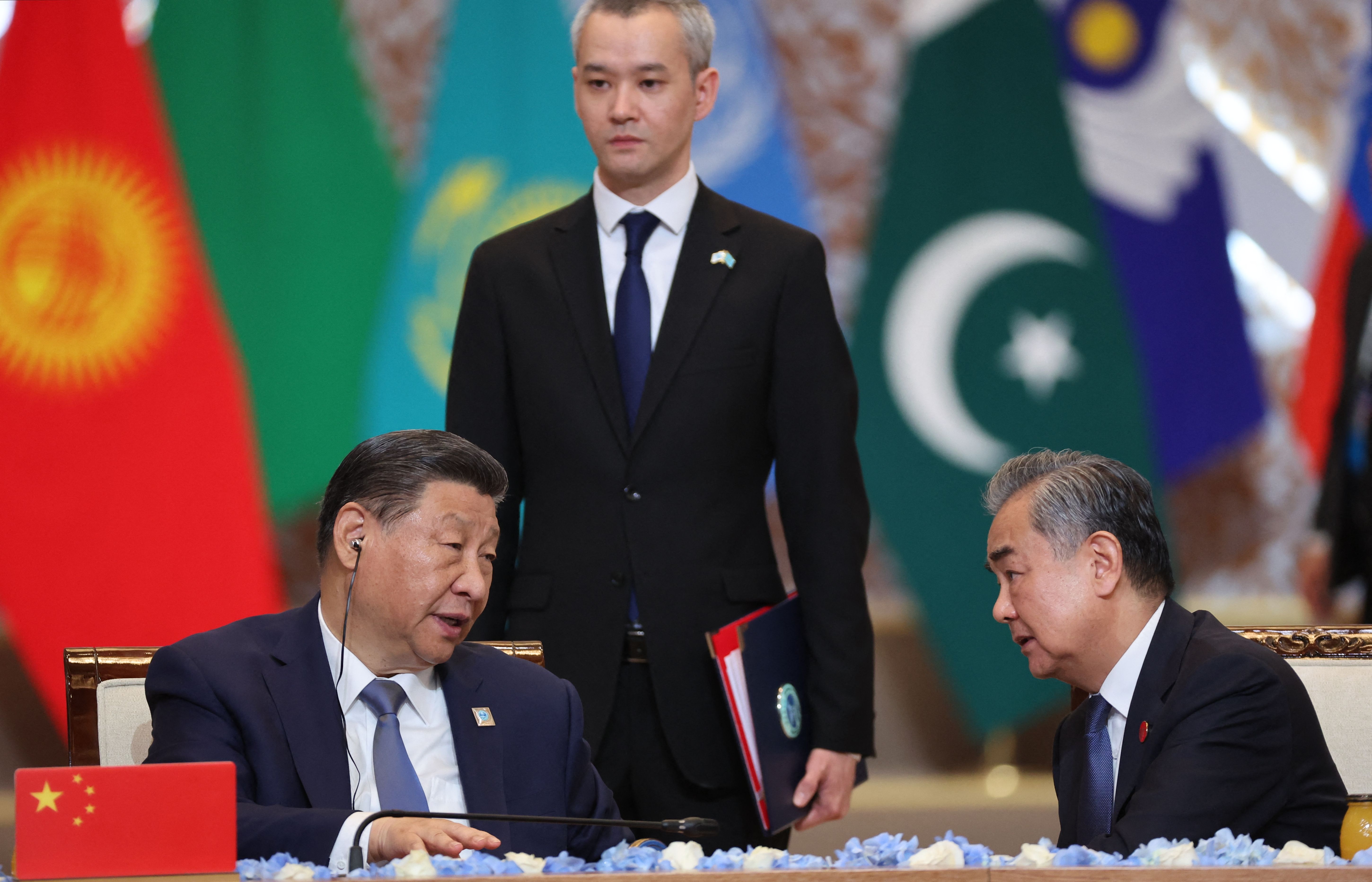
China’s growing attention to Central Asia is perceived as a harbinger of tectonic shifts in regional geopolitics.

Temur Umarov
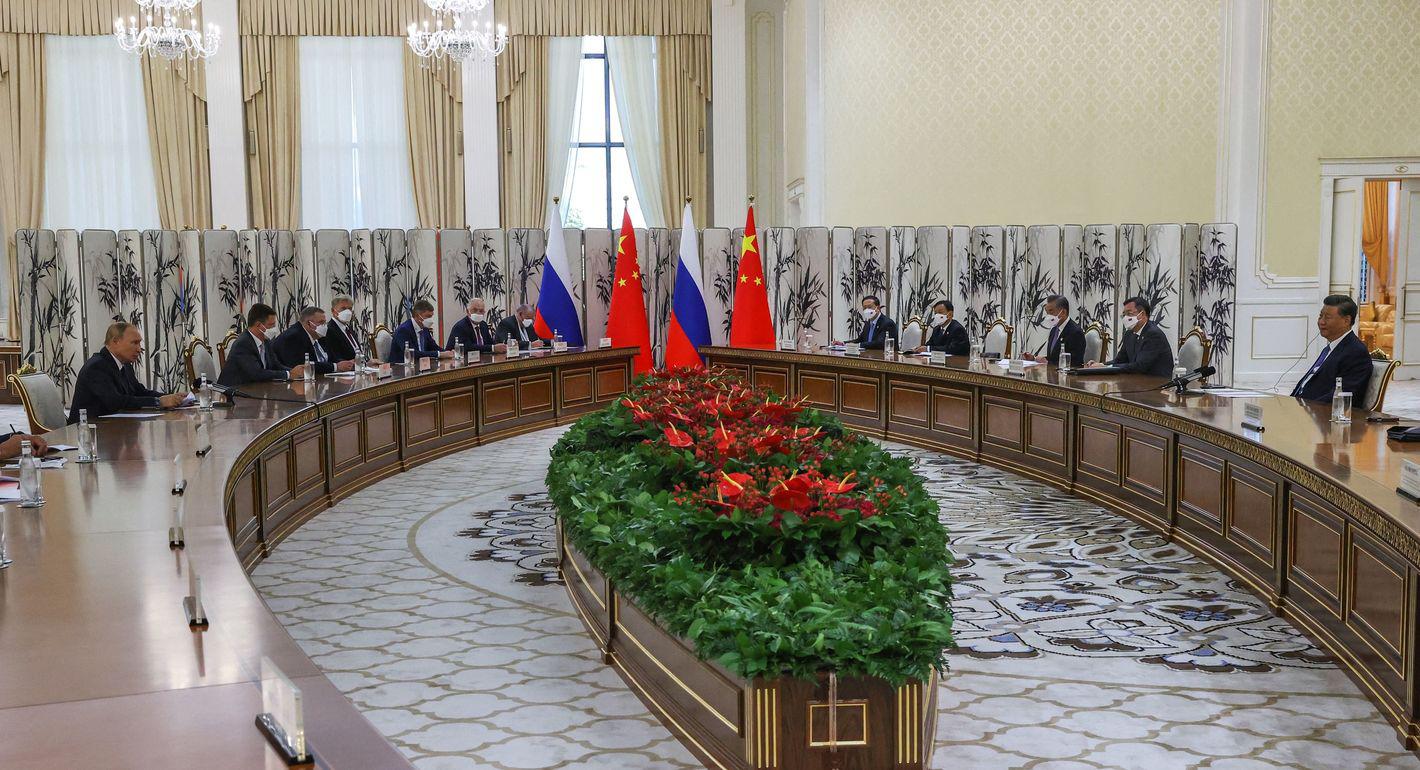
Russia has its Eurasian Economic Union, and China has its Belt and Road Initiative. For both projects, Central Asia is important.

Temur Umarov, Nargis Kassenova

China views U.S. missile defense as posing a greater potential threat to China’s nuclear deterrent than other U.S. military capabilities.
Tong Zhao, Dmitry Stefanovich