

Paper
Christopher S. Chivvis, Rohan Mukherjee, Milan Vaishnav
{
  "authors": [
    "Milan Vaishnav"
  ],
  "type": "other",
  "centerAffiliationAll": "dc",
  "centers": [
    "Carnegie Endowment for International Peace"
  ],
  "collections": [],
  "englishNewsletterAll": "ctw",
  "nonEnglishNewsletterAll": "",
  "primaryCenter": "Carnegie Endowment for International Peace",
  "programAffiliation": "SAP",
  "programs": [
    "South Asia"
  ],
  "projects": [],
  "regions": [
    "South Asia",
    "India"
  ],
  "topics": [
    "Political Reform",
    "Democracy"
  ]
}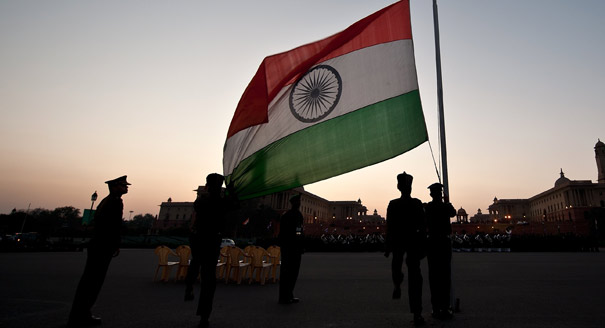
Source: Getty
In India, candidates with a criminal record have a higher rate than clean candidates. Parties nominate criminals at least partially because they win.
Source: Atlantic
In India, parties across the political spectrum nominate candidates who have criminal cases pending against them. The country’s two truly national parties, the Bharatiya Janata Party and the Indian National Congress, both select a fair number of parliamentary candidates—14 and 11 percent, respectively—who face serious charges, such as assault or murder. In one sense, the answer to why these parties nominate candidates with criminal backgrounds is painfully obvious: because they win. Across the past three general elections, “clean” candidates had a win rate of 6 percent. The win rate for candidates facing a charge of any type, by contrast, was just above 17 percent, and those facing serious charges had an 18 percent chance of winning. While there is some variation in the prevalence of candidates with criminal cases across parties, this is not an issue facing any one political party or type of party: It is clear that criminality in politics is widespread.
This short book excerpt was originally published in the Atlantic.

Director and Senior Fellow, South Asia Program
Milan Vaishnav is a senior fellow and director of the South Asia Program and the host of the Grand Tamasha podcast at the Carnegie Endowment for International Peace. His primary research focus is the political economy of India, and he examines issues such as corruption and governance, state capacity, federalism, and electoral behavior. He also conducts research on the Indian diaspora.
Recent Work
Christopher S. Chivvis, Rohan Mukherjee, Milan Vaishnav



Sophia Besch, Eric Ciaramella, Steve Feldstein, …
Carnegie does not take institutional positions on public policy issues; the views represented herein are those of the author(s) and do not necessarily reflect the views of Carnegie, its staff, or its trustees.
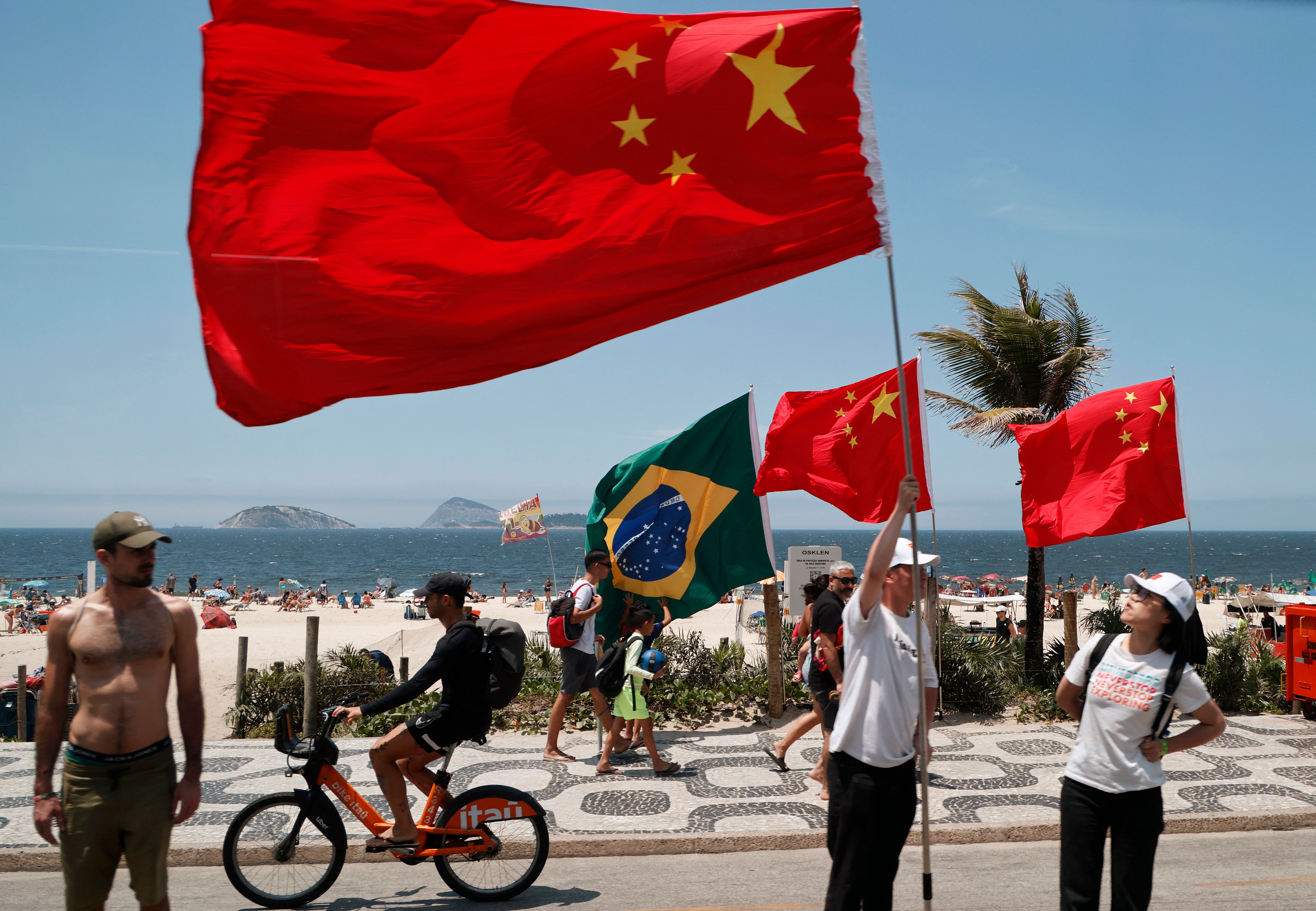
While China will remain a significant political and economic force in the Global South, its ambition to leverage the Global South as a counterbalance to the United States and the Global North is far from assured.

Xue Gong
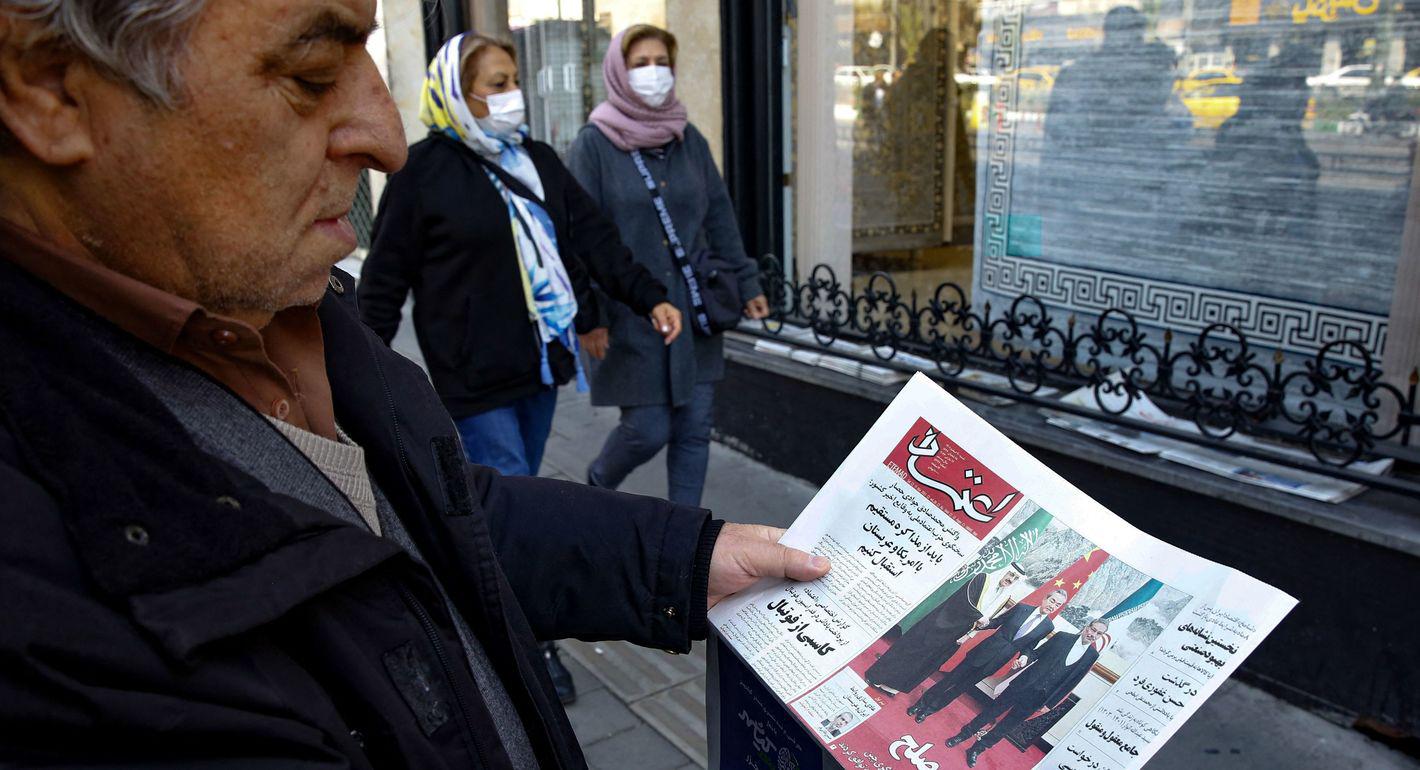
Transactional relationships are stable but can be shallow.


Paul Haenle, Maha Yahya, Benjamin Ho, …
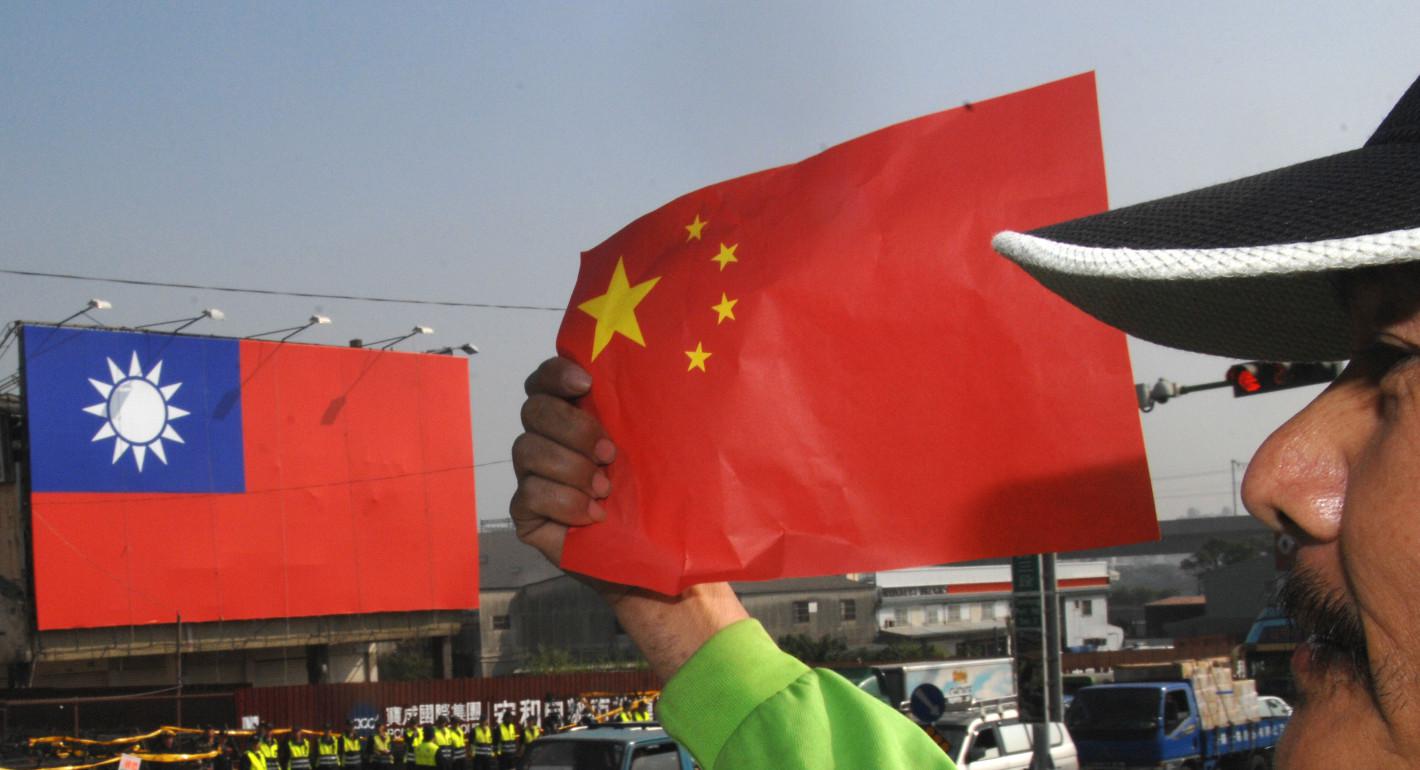
Beijing says that over 180 countries accept its “one China principle” regarding Taiwan, but the reality is more complicated.

Chong Ja Ian
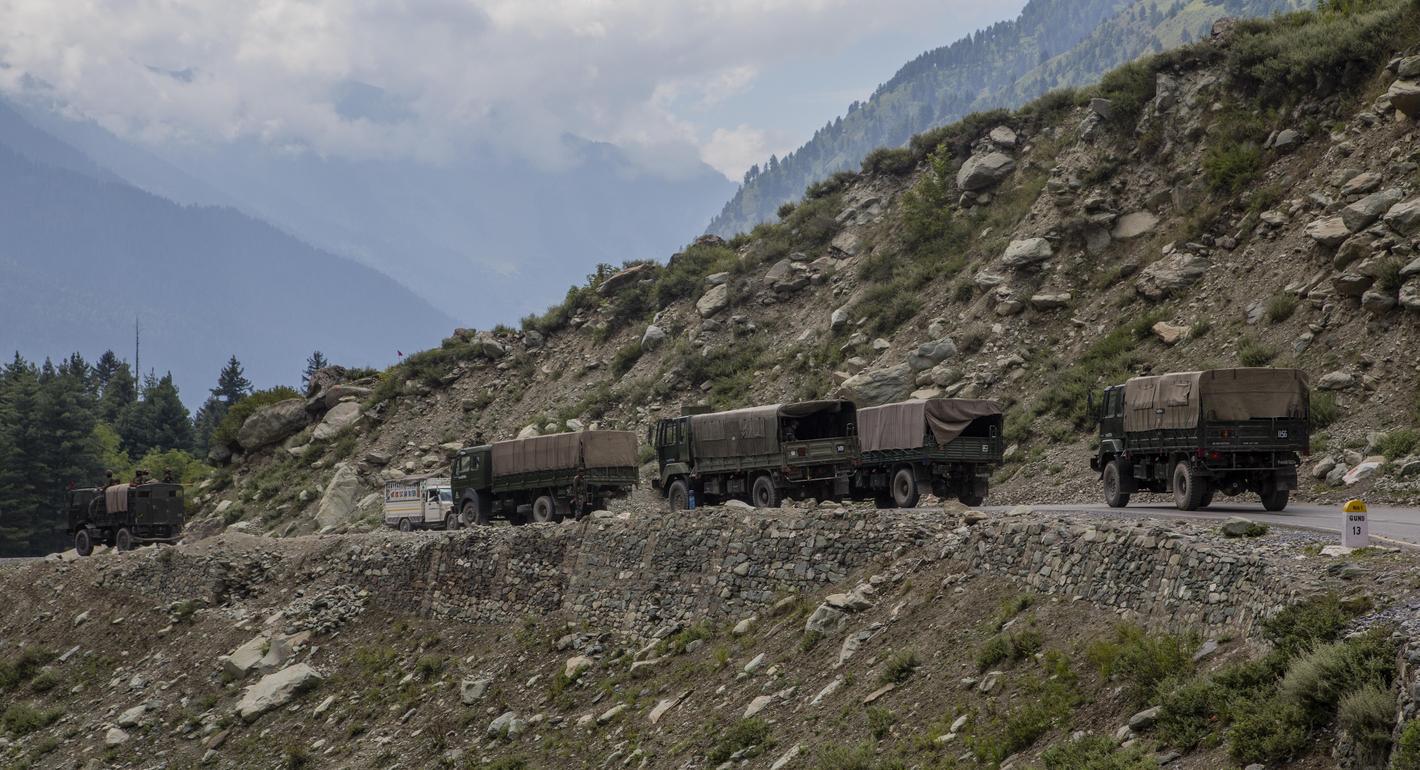
Can China and India disengage from contested territories along the border?
Paul Haenle, Ashley J. Tellis, Han Hua, …
Beijing must choose between preserving its pandemic narrative or facing more unrest.
Paul Haenle