

Report
- +2
George Perkovich, Jessica Tuchman Mathews, Joseph Cirincione, …
{
  "authors": [
    "Jon Wolfsthal"
  ],
  "type": "legacyinthemedia",
  "centerAffiliationAll": "dc",
  "centers": [
    "Carnegie Endowment for International Peace"
  ],
  "collections": [
    "Korean Peninsula"
  ],
  "englishNewsletterAll": "ctw",
  "nonEnglishNewsletterAll": "",
  "primaryCenter": "Carnegie Endowment for International Peace",
  "programAffiliation": "NPP",
  "programs": [
    "Nuclear Policy"
  ],
  "projects": [],
  "regions": [
    "East Asia",
    "North Korea"
  ],
  "topics": [
    "Nuclear Policy",
    "Arms Control"
  ]
}
Source: Getty
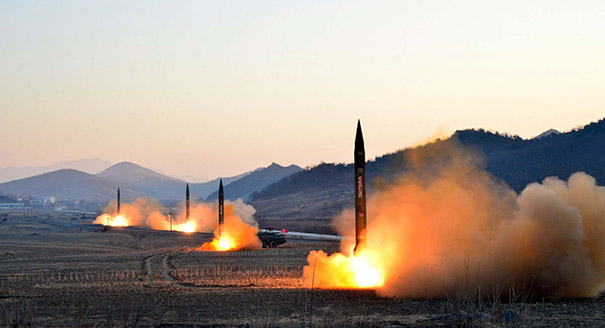
As North Korea makes steady progress in its nuclear program, the United States must continue to strive for stability in the Korean peninsula.
Source: WBUR
President Trump says the U.S. nuclear capabilities are “more powerful than ever before.” Today, he tweeted that his “first order as president was to renovate and modernize our nuclear arsenal” adding “hopefully we will never have to use this power.”
Carnegie Scholar Jon Wolfsthal encouraged both the Trump administration and North Korea to "take a deep breath," and underscored the importance of de-escalating fiery rhetoric for the purposes of maintaining regional stability in the Korea peninsula. The U.S. must reassure allies and establish a firm deterrent policy towards North Korea while simultaneously coaxing them back to the negotiating table, Wolfsthal says.
This interview originally aired on WBUR
Former Nonresident Scholar, Nuclear Policy Program
Jon Wolfsthal was a nonresident scholar with the Nuclear Policy Program.
Recent Work


George Perkovich, Jessica Tuchman Mathews, Joseph Cirincione, …
Jon Wolfsthal
Carnegie does not take institutional positions on public policy issues; the views represented herein are those of the author(s) and do not necessarily reflect the views of Carnegie, its staff, or its trustees.

Chinese biotech companies have been on the receiving end of U.S. economic coercion. Yet their responses have differed significantly because firm and state interests are not uniformly aligned. For Washington, treating all Chinese tech firms the same, irrespective of their actual interests, risks pushing them farther into Beijing’s corner.

Xue Gong

Across Asia, China is better positioned to withstand energy shocks from the fallout of the Iran war. Its abundant coal capacity can ensure stability in the near term. Yet at the same time, the country’s energy transition away from coal will make it even less vulnerable during the next shock.

Damien Ma
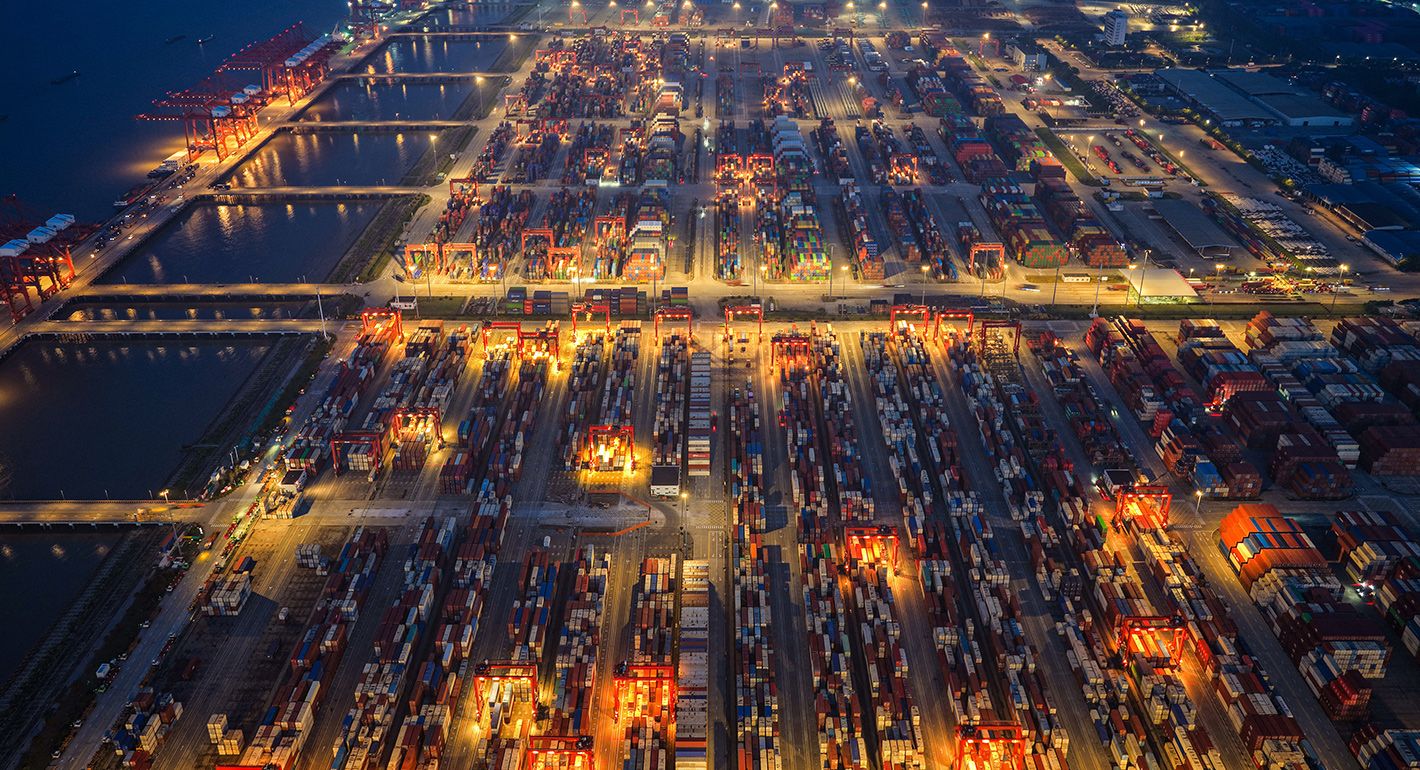
GDP growth means something fundamentally different in China than in most countries.

Michael Pettis
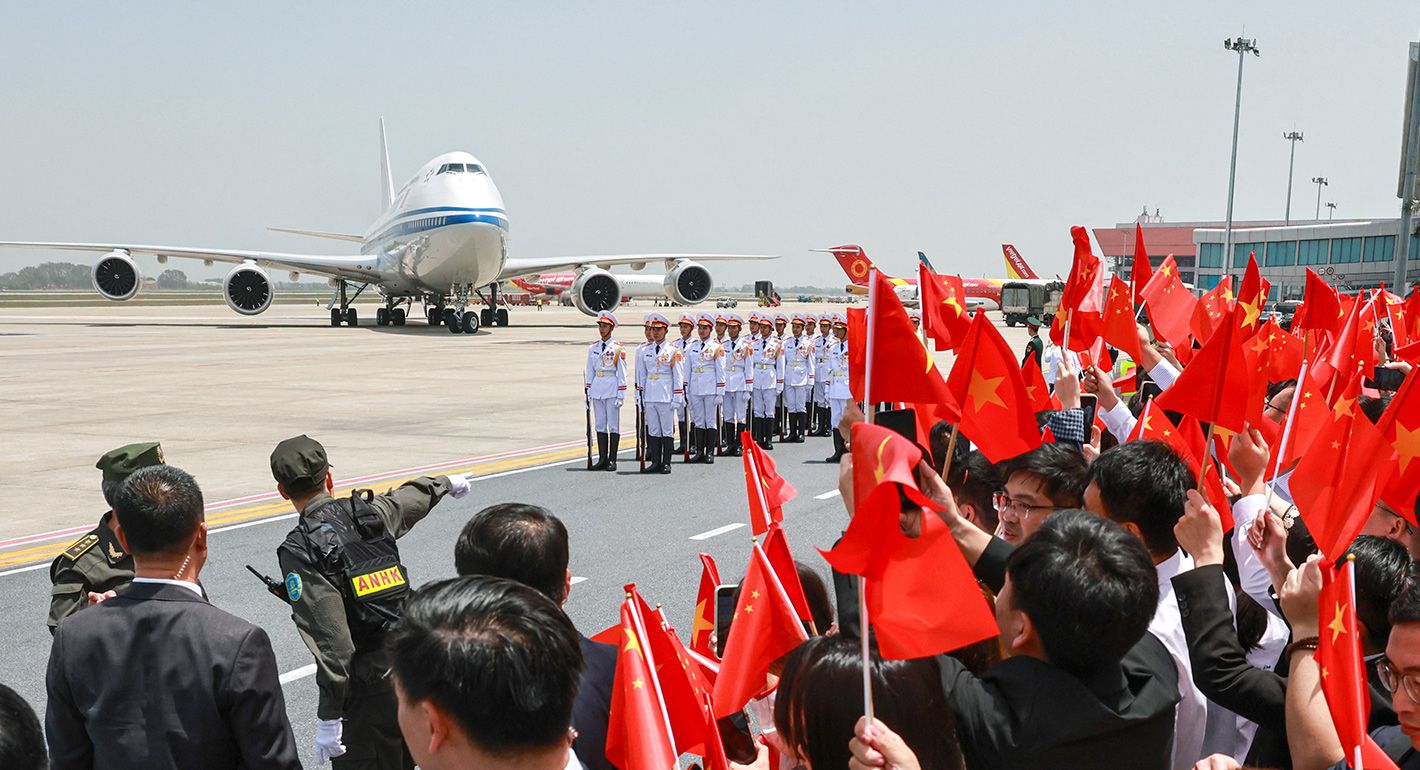
The Trump administration’s effort to reshape the global trading system and reset overseas security commitments is creating an historic inflection point. Less clear is how far China will be able to capitalize on these dynamics.

Li Mingjiang, Le Hong Hiep, Ngeow Chow Bing, …
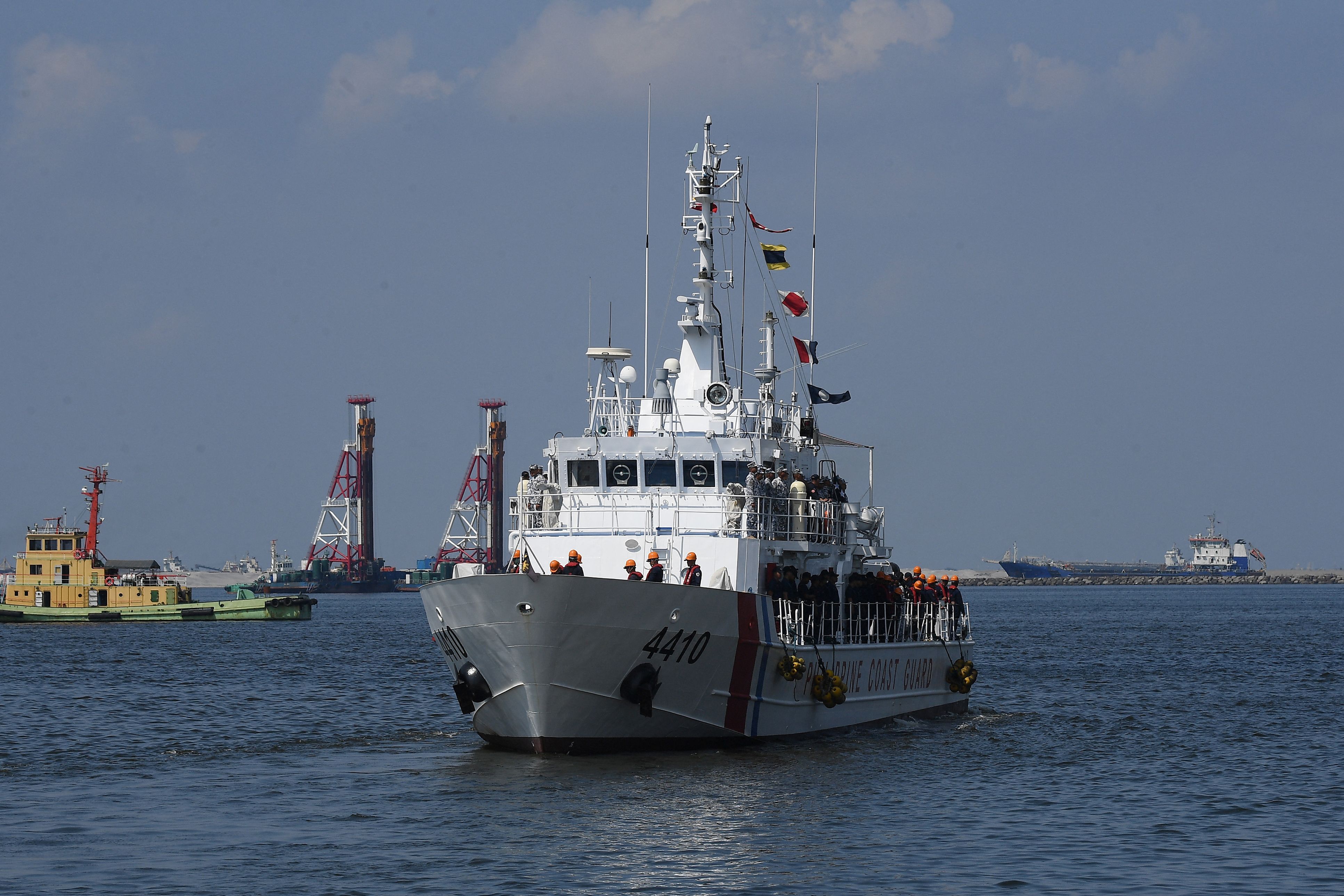
Most Southeast Asian states behave as if the actions of their Northeast Asian neighbors and the Philippines will be sufficient to maintain a regional status quo from which they can benefit.

Chong Ja Ian