

Paper
Ariel (Eli) Levite, Toby Dalton
{
  "authors": [
    "Toby Dalton"
  ],
  "type": "other",
  "centerAffiliationAll": "dc",
  "centers": [
    "Carnegie Endowment for International Peace",
    "Malcolm H. Kerr Carnegie Middle East Center"
  ],
  "collections": [],
  "englishNewsletterAll": "ctw",
  "nonEnglishNewsletterAll": "",
  "primaryCenter": "Carnegie Endowment for International Peace",
  "programAffiliation": "NPP",
  "programs": [
    "Nuclear Policy"
  ],
  "projects": [],
  "regions": [
    "Middle East",
    "Iran"
  ],
  "topics": [
    "Political Reform",
    "Nuclear Policy",
    "Arms Control"
  ]
}
Source: Getty
The Nobel Committee awarded its annual peace prize to the laudable goal of nuclear disarmament. But civil society actors and governments concerned about disarmament should not be tempted to rest on the laurels of this achievement.
Source: Hindu
For the second time in the last decade, the Nobel Committee awarded its annual peace prize to the laudable goal of nuclear disarmament. This year’s recipient, the International Campaign to Abolish Nuclear Weapons (ICAN), has worked tirelessly to raise awareness of nuclear dangers. The Treaty on the Prohibition of Nuclear Weapons they helped birth at the United Nations reflects the ambition of many states to rid the world of nuclear weapons. This should be an exciting time for disarmament supporters.
But civil society actors and governments concerned about disarmament should not be tempted to rest on the laurels of this achievement. If they are to make further progress, they must also focus on practical steps to reduce the risks of nuclear weapons being used. Without such work, the prohibition treaty risks becoming merely a moral victory, rather than contributing to concrete steps towards a world without nuclear weapons.
The Nobel Committee’s choice reflects an awarding of ambition. As much as the prohibition treaty creates a legal basis for proscribing nuclear weapons among adhering states, it hasn’t actually banned such weapons. Nuclear arsenals exist and will continue to exist for years to come. The treaty establishes no new mechanisms to encourage states with nuclear weapons to dismantle them. Instead, it seeks to delegitimise nuclear weapons as tools of statecraft on the grounds of indiscriminate humanitarian effects. Ironically, the Nobel Committee essentially rewarded the same ambition just eight years ago, when it gave the prize to former U.S. President Barack Obama for offering a vision of a world without nuclear weapons. These days, that vision seems especially remote.
Since 2009, when Mr. Obama won the prize, nuclear dangers have increased, as have nuclear arsenals in several states. It is rare to pick up a newspaper or browse Twitter without encountering hair-raising threats traded between Washington and Pyongyang, or between New Delhi and Islamabad. The nuclear prohibition movement has no doubt gained momentum thanks to the fear inspired by the idea of Kim Jong-un or Donald Trump with his finger poised over the nuclear launch button. But neither the advent of a nuclear prohibition treaty, nor the increase in nuclear dangers seems to have diminished the belief in nuclear deterrence by officials and many experts from the states possessing such weapons.
Without nuclear weapons, some argue, there would be more violence, not less. Great power wars not seen since 1945 could return, with catastrophic consequences. Regional wars could increase in frequency and lethality. It is little surprise that many of the states opposed to the prohibition treaty are located in Europe and East Asia, regions whose politics continue to be shaped by the trauma and outcome of the Second World War.
This article was originally published in The Hindu

Senior Fellow and Co-director, Nuclear Policy Program
Toby Dalton is a senior fellow and co-director of the Nuclear Policy Program at the Carnegie Endowment. An expert on nonproliferation and nuclear energy, his work addresses regional security challenges and the evolution of the global nuclear order.
Recent Work

Ariel (Eli) Levite, Toby Dalton
Ariel (Eli) Levite, Toby Dalton
Carnegie does not take institutional positions on public policy issues; the views represented herein are those of the author(s) and do not necessarily reflect the views of Carnegie, its staff, or its trustees.
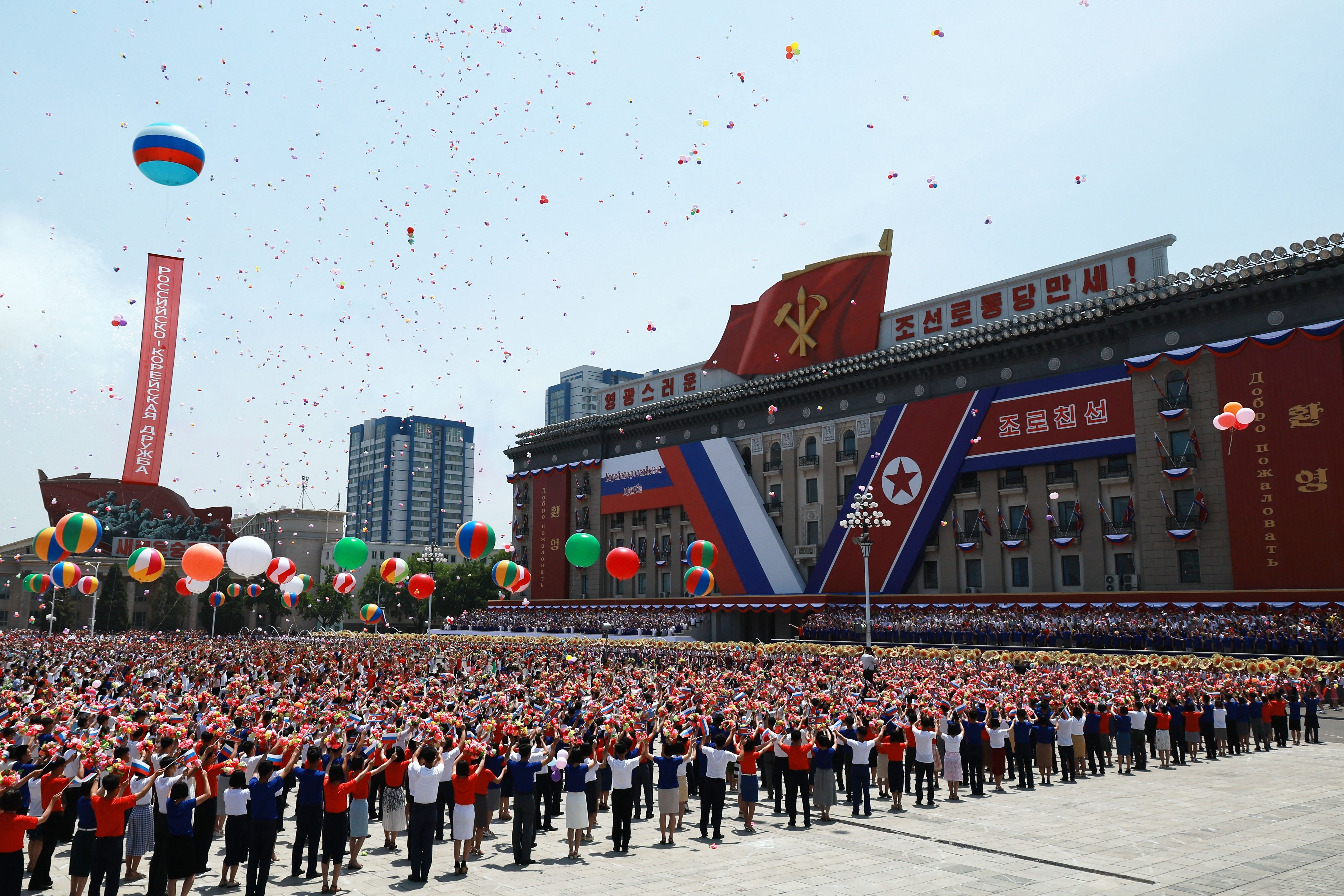
Faced with an increase in strategic maneuvering by Moscow and Pyongyang, Beijing will not sit idly by and allow Putin and Kim to shape the security environment on its behalf.

Tong Zhao
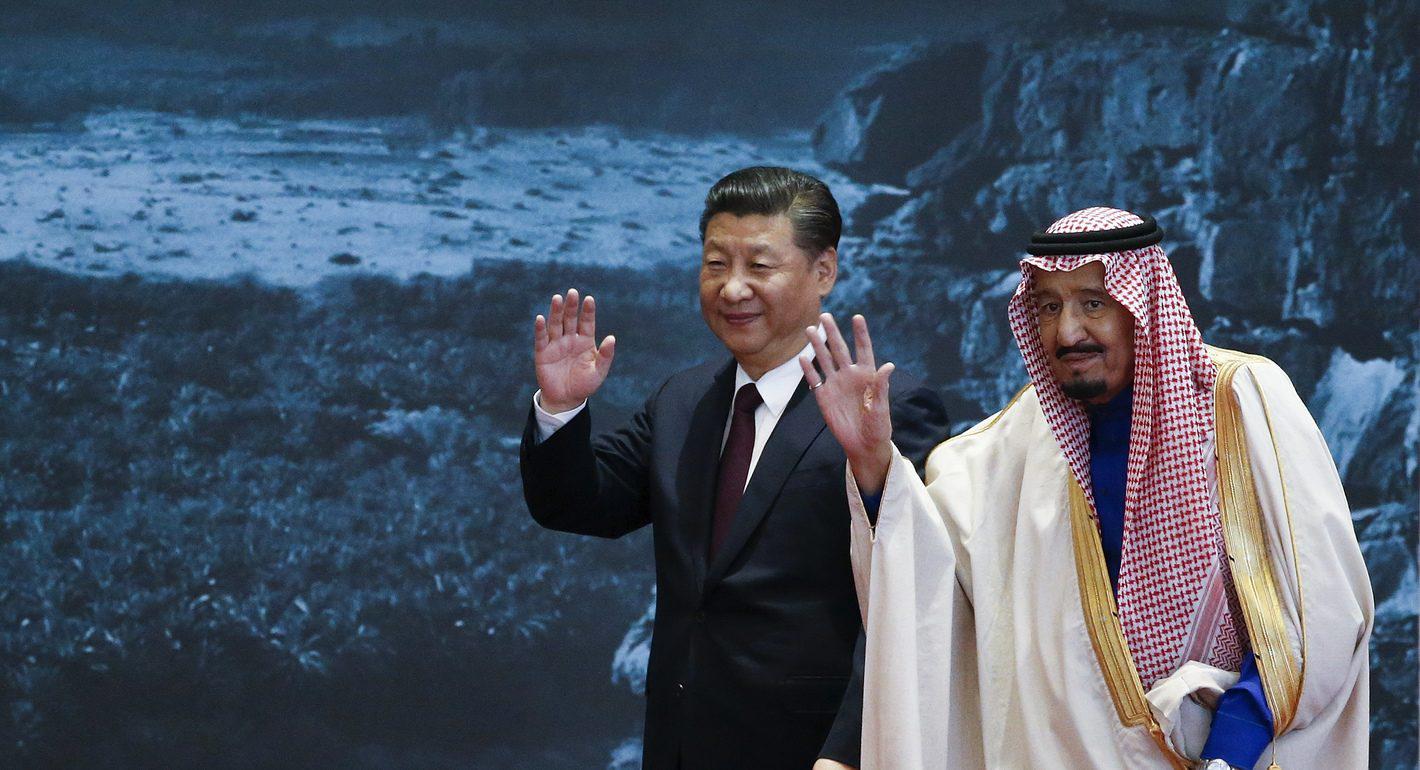
The advantage that China has over other global powers, especially America, is that its foreign policy is closely aligned with those of many of the Middle Eastern countries.


Jin Liangxiang, Maha Yahya, Hesham Alghannam
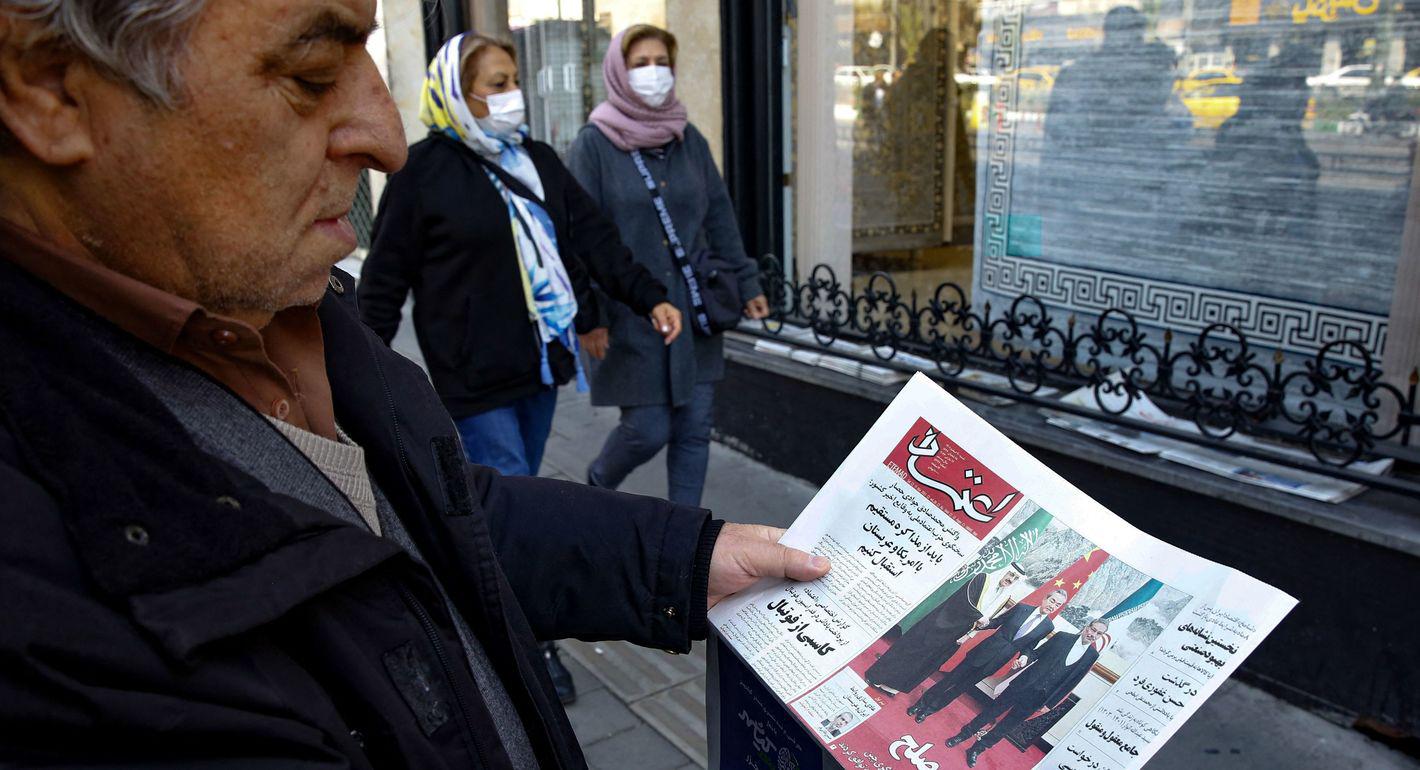
Transactional relationships are stable but can be shallow.


Paul Haenle, Maha Yahya, Benjamin Ho, …

China views U.S. missile defense as posing a greater potential threat to China’s nuclear deterrent than other U.S. military capabilities.
Tong Zhao, Dmitry Stefanovich
“It’s not so clear how we’re going to get out of this.”
Paul Haenle, Philippe Le Corre