

Commentary
Chung Min Lee
{
  "authors": [
    "Chung Min Lee"
  ],
  "type": "other",
  "centerAffiliationAll": "dc",
  "centers": [
    "Carnegie Endowment for International Peace"
  ],
  "collections": [
    "Inside Korea"
  ],
  "englishNewsletterAll": "asia",
  "nonEnglishNewsletterAll": "",
  "primaryCenter": "Carnegie Endowment for International Peace",
  "programAffiliation": "AP",
  "programs": [
    "Asia"
  ],
  "projects": [],
  "regions": [
    "East Asia",
    "South Korea"
  ],
  "topics": [
    "Security",
    "Military"
  ]
}
Source: Getty
It is critical for South Korea to undertake structural military reforms and create a new bipartisan national security paradigm.
Source: Strategic Asia 2017–18: Power, Ideas, and Military Strategy in the Asia-Pacific
Several facets of South Korea’s grand strategy remain constant, such as the goals of achieving peaceful reunification of the Korean Peninsula, deterring and defending the country’s territorial and political integrity from a range of North Korean threats, ensuring its global economic competitiveness, and sustaining its democratic foundations. Yet even as these pillars remain the same, South Korea must now adapt this strategy to address an unprecedented range of threats. It not only must contend with a growing spectrum of North Korean threats and nonlinear scenarios; it also must consider China’s anti-access/area-denial capabilities around the Korean Peninsula in an acute military crisis. These challenges will test the ability of the political leadership in Seoul to break out of its constant political infighting and build a new national security consensus.
Senior Fellow, Asia Program
Chung Min Lee is a senior fellow in Carnegie’s Asia Program. He is an expert on Korean and Northeast Asian security, defense, intelligence, and crisis management.
Recent Work
Chung Min Lee
Carnegie does not take institutional positions on public policy issues; the views represented herein are those of the author(s) and do not necessarily reflect the views of Carnegie, its staff, or its trustees.

The nuclear relationship between China and the United States is increasingly shaped by widening perception gaps rather than deliberate strategic design.

Tong Zhao

Chinese biotech companies have been on the receiving end of U.S. economic coercion. Yet their responses have differed significantly because firm and state interests are not uniformly aligned. For Washington, treating all Chinese tech firms the same, irrespective of their actual interests, risks pushing them farther into Beijing’s corner.

Xue Gong

Across Asia, China is better positioned to withstand energy shocks from the fallout of the Iran war. Its abundant coal capacity can ensure stability in the near term. Yet at the same time, the country’s energy transition away from coal will make it even less vulnerable during the next shock.

Damien Ma
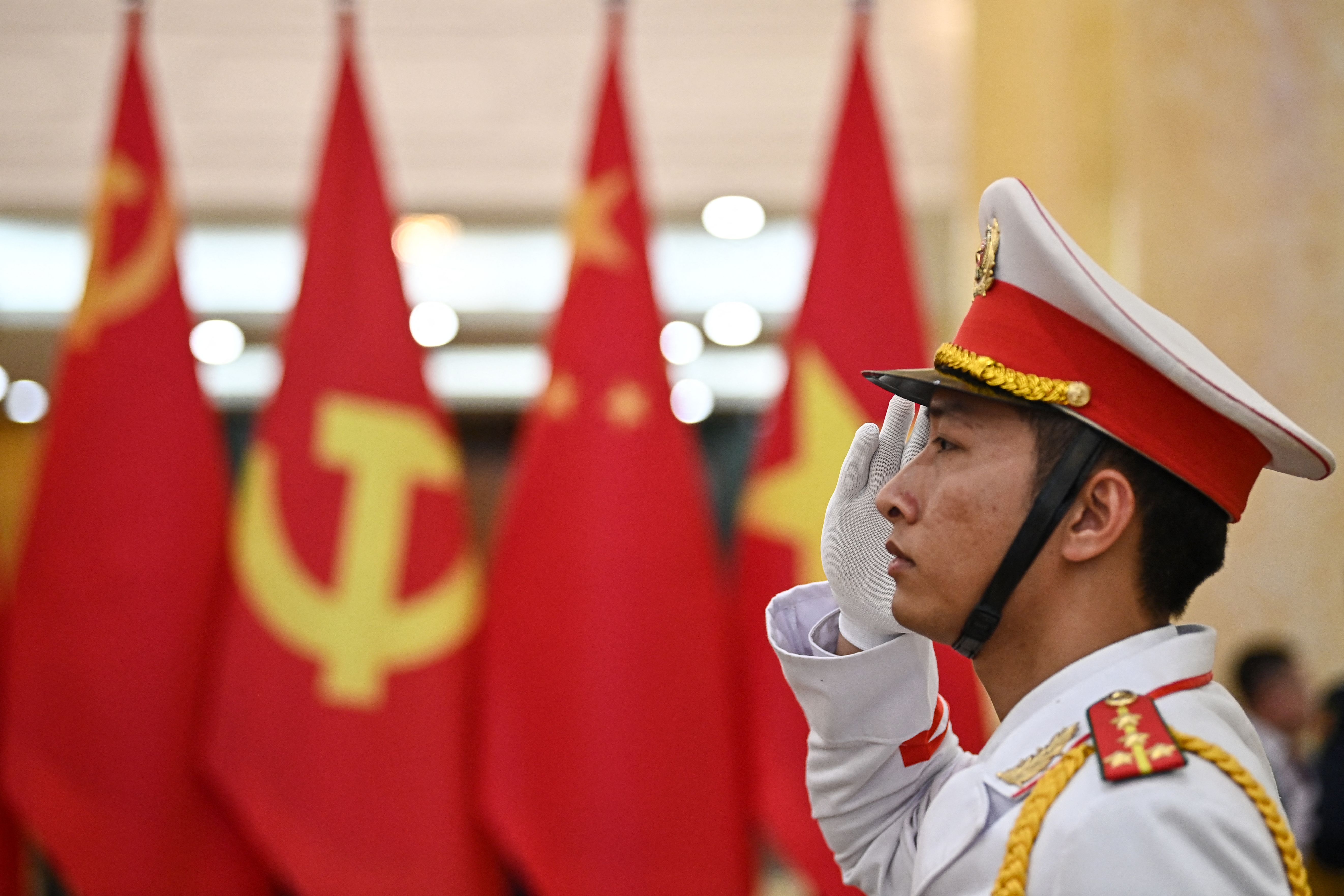
In July 2025, Vietnam and China held their first joint army drill, a modest but symbolic move reflecting Hanoi’s strategic hedging amid U.S.–China rivalry.

Nguyễn Khắc Giang
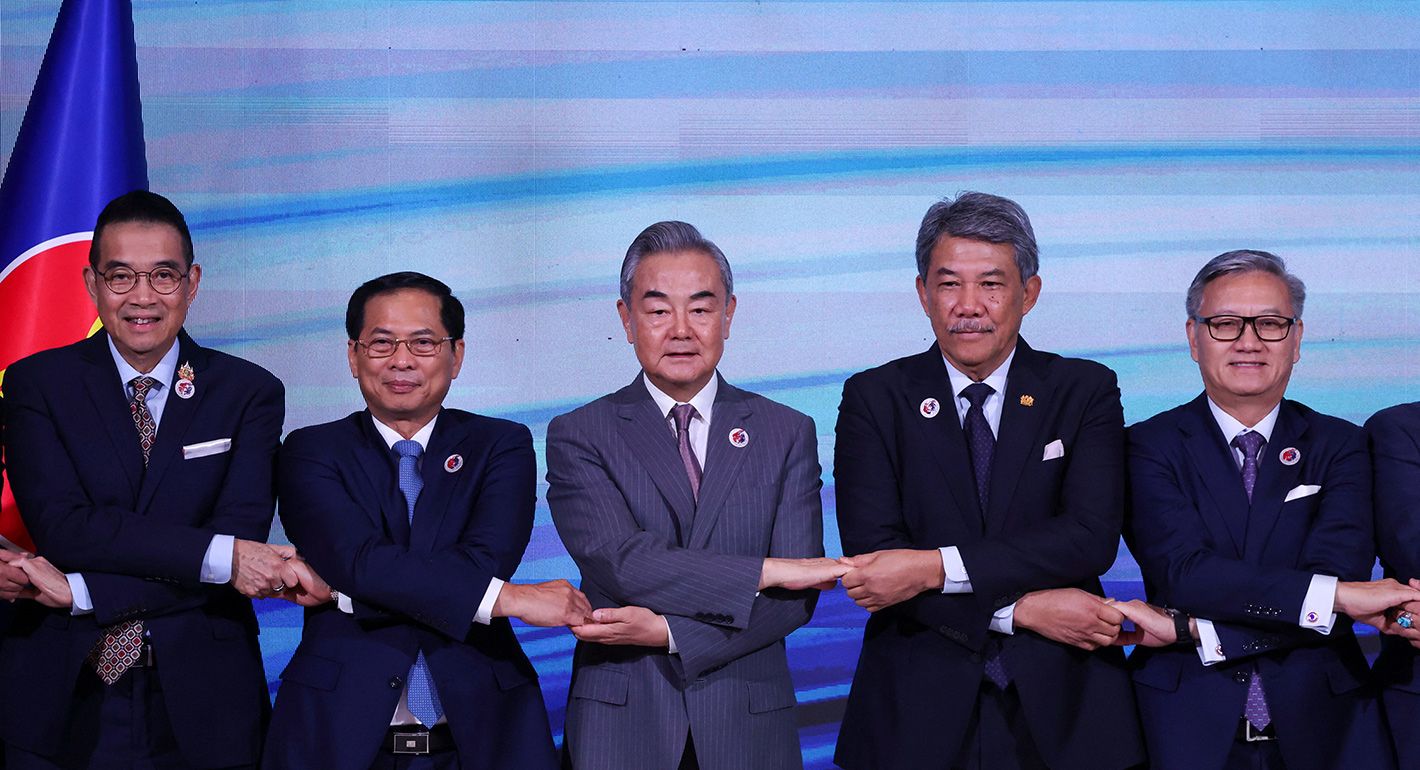
The Thai-Cambodian conflict highlights the limits to China's peacemaker ambition and the significance of this role on Southeast Asia’s balance of power.

Pongphisoot (Paul) Busbarat