

Article
Carole Nakhle
{
  "authors": [
    "Carole Nakhle"
  ],
  "type": "legacyinthemedia",
  "centerAffiliationAll": "dc",
  "centers": [
    "Carnegie Endowment for International Peace",
    "Malcolm H. Kerr Carnegie Middle East Center"
  ],
  "collections": [],
  "englishNewsletterAll": "menaTransitions",
  "nonEnglishNewsletterAll": "",
  "primaryCenter": "Malcolm H. Kerr Carnegie Middle East Center",
  "programAffiliation": "MEP",
  "programs": [
    "Middle East"
  ],
  "projects": [
    "Carnegie Oil Initiative"
  ],
  "regions": [
    "Gulf",
    "United Arab Emirates",
    "Middle East"
  ],
  "topics": [
    "Economy",
    "Climate Change"
  ]
}
Source: Getty
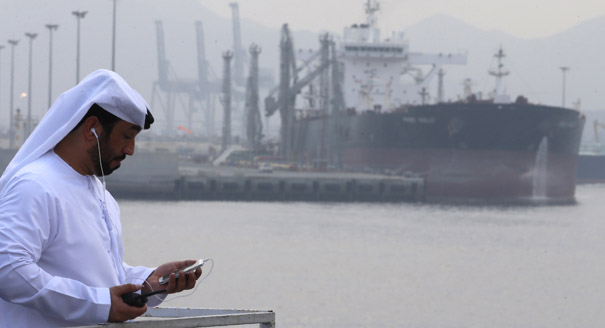
Today, oil is facing mounting pressure as the world tries hard to move towards a greener, cleaner future and vows to end the age of fossil fuels.
Source: Oil Review Middle East
Typically, when one thinks of the UAE, it is the association with oil and its vast wealth that dominates the attention. The skyscrapers crowding the small land, the golden gates to lavish palaces, the endless alleys of trees erected in the middle of the desert, and the private helicopters circling the skies, are just some examples of what oil has brought to this relatively young nation.
Increasingly, clean sources of energy have to be added to this picture. The UAE is undertaking huge efforts to switch its own energy supply away from oil and gas and towards a cleaner mix of renewables, nuclear and clean coal. Like everywhere else in the world, this is an expensive undertaking, requiring government support. Oil and gas, on the other hand, are available domestically and are relatively cheap. This poses an interesting dilemma.Today, oil is facing mounting pressure as the world tries hard to move towards a greener, cleaner future and vows to end the age of fossil fuels. At their annual summit in 2015, the G7 leaders agreed to phase out fossil fuel use by the end of the century. This year, countries including France and the UK announced they were banning the sales of petrol and diesel engines as early as 2040, while China, with the fastest growing demand for oil in the world, is racing ahead with the expansion of renewable and nuclear energy. Concerns about peak oil supply only a few years ago have been replaced by talks about peak oil demand – which, as many experts are arguing, is not far away. But if hydrocarbon revenues will really come under threat, how will petrostates, including the UAE, finance their energy transition?
This article was originally published in Oil Review Middle East, Issue 7 2017.

Former Nonresident Scholar, Middle East Center
Nakhle was a nonresident scholar at Carnegie Middle East Center, specializing in international petroleum contracts and fiscal regimes for the oil and gas industry, world oil and gas market developments, energy policy, and oil and gas revenue management.
Recent Work
Carole Nakhle
Carole Nakhle
Carnegie does not take institutional positions on public policy issues; the views represented herein are those of the author(s) and do not necessarily reflect the views of Carnegie, its staff, or its trustees.

In the latest Five-Year Plan, the Chinese president cements the shift to an innovation-driven economy over a consumption-driven one.

Damien Ma
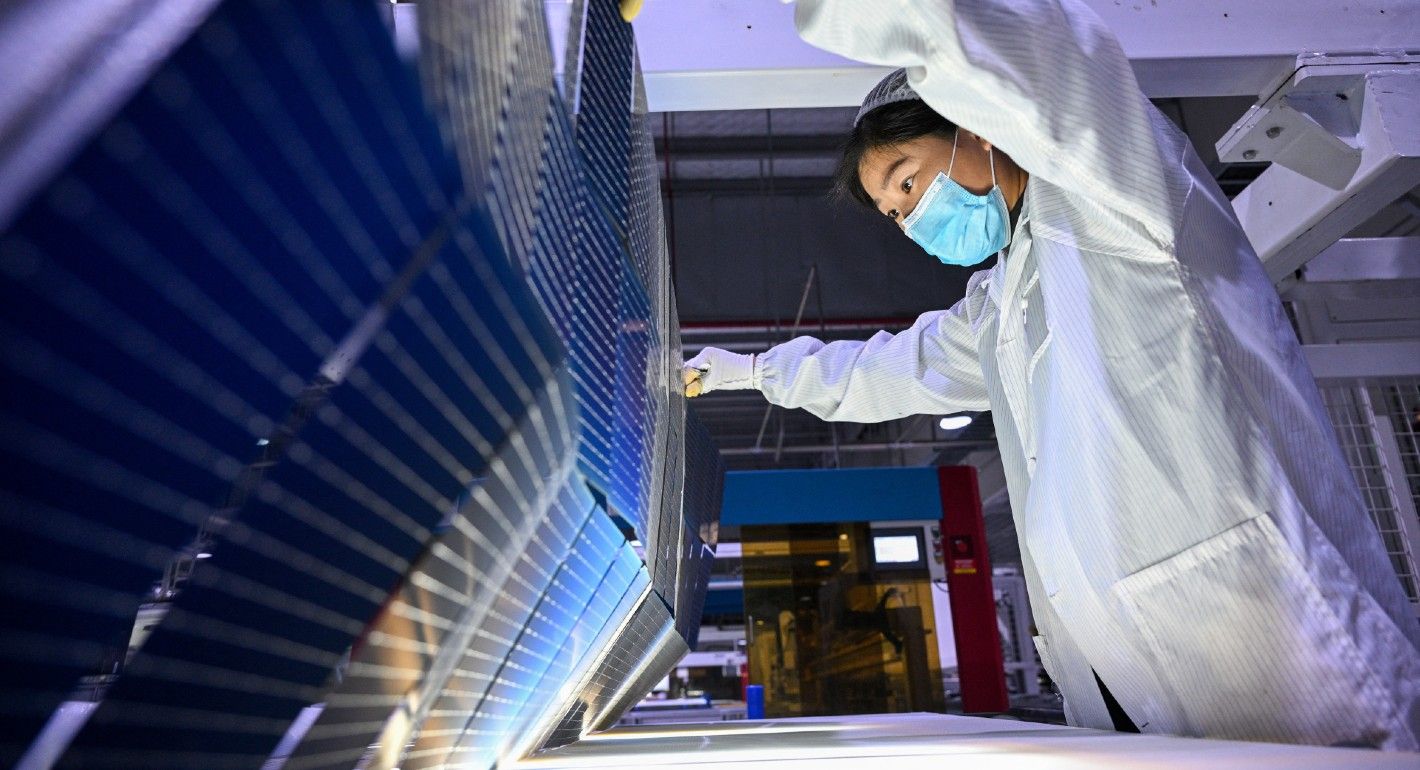
Rather than climate ambitions, compatibility with investment and exports is why China supports both green and high-emission technologies.

Mathias Larsen
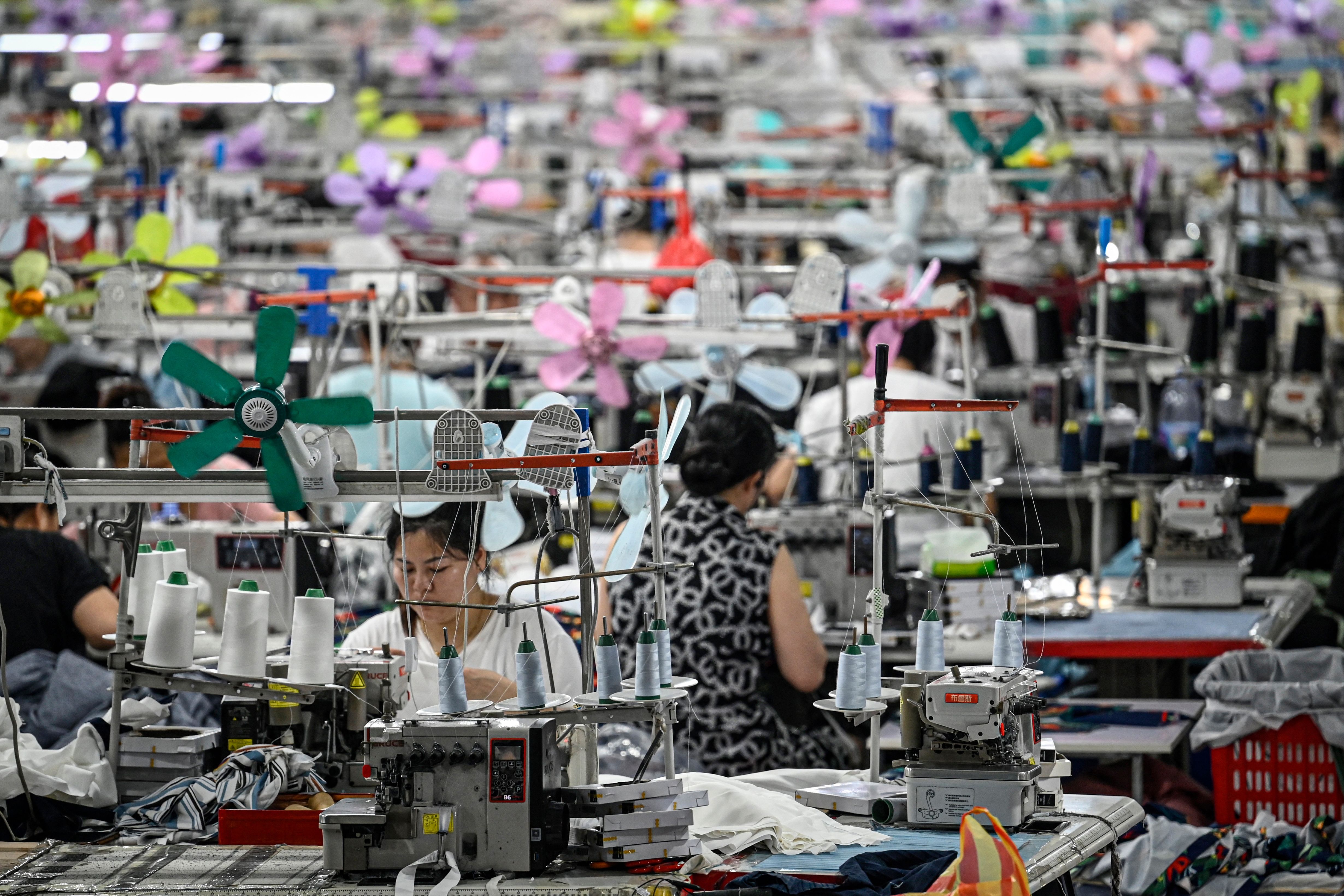
“Involution” is a new word for an old problem, and without a very different set of policies to rein it in, it is a problem that is likely to persist.

Michael Pettis
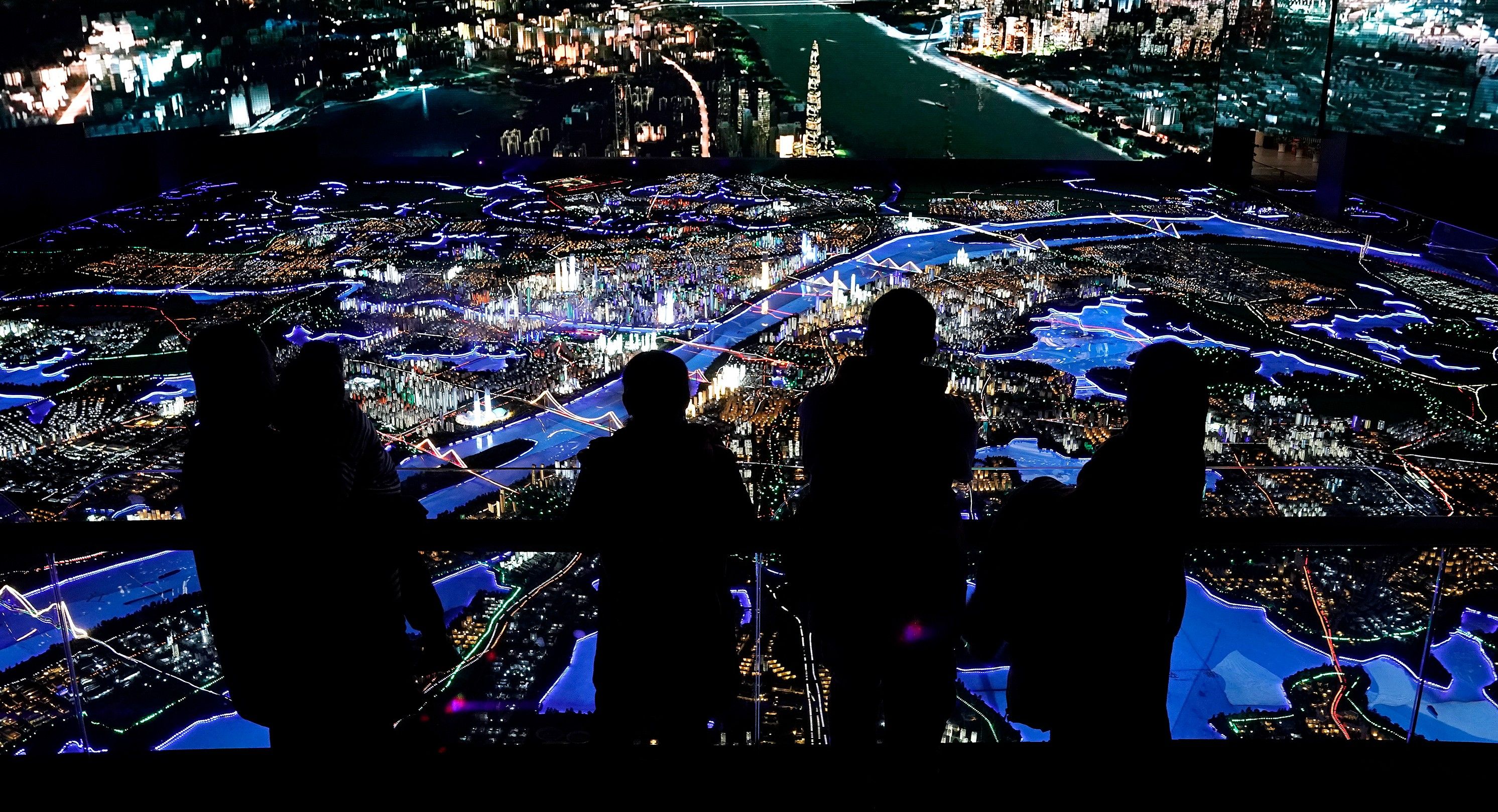
While China's investment story seems contradictory from the outside, the real answers to Beijing's high-quality growth ambitions are hiding in plain sight across the nation's cities.
Yuhan Zhang
China's stimulus addiction cannot go on forever. Beijing still has policy space to clean up the country's massive debt issue, but time is running short.
Michael Pettis