

Commentary
Carnegie China scholars share their assessment of the Biden-Xi meeting and its implications for U.S.-China relations going forward.
- +1
Paul Haenle, Xue Gong, Ngeow Chow Bing, …
{
  "authors": [
    "Moisés Naím",
    "Francisco Toro"
  ],
  "type": "legacyinthemedia",
  "centerAffiliationAll": "dc",
  "centers": [
    "Carnegie Endowment for International Peace"
  ],
  "collections": [],
  "englishNewsletterAll": "americanStatecraft",
  "nonEnglishNewsletterAll": "",
  "primaryCenter": "Carnegie Endowment for International Peace",
  "programAffiliation": "ASP",
  "programs": [
    "American Statecraft"
  ],
  "projects": [],
  "regions": [
    "North America",
    "South America"
  ],
  "topics": [
    "Political Reform",
    "Democracy",
    "Civil Society"
  ]
}
Source: Getty
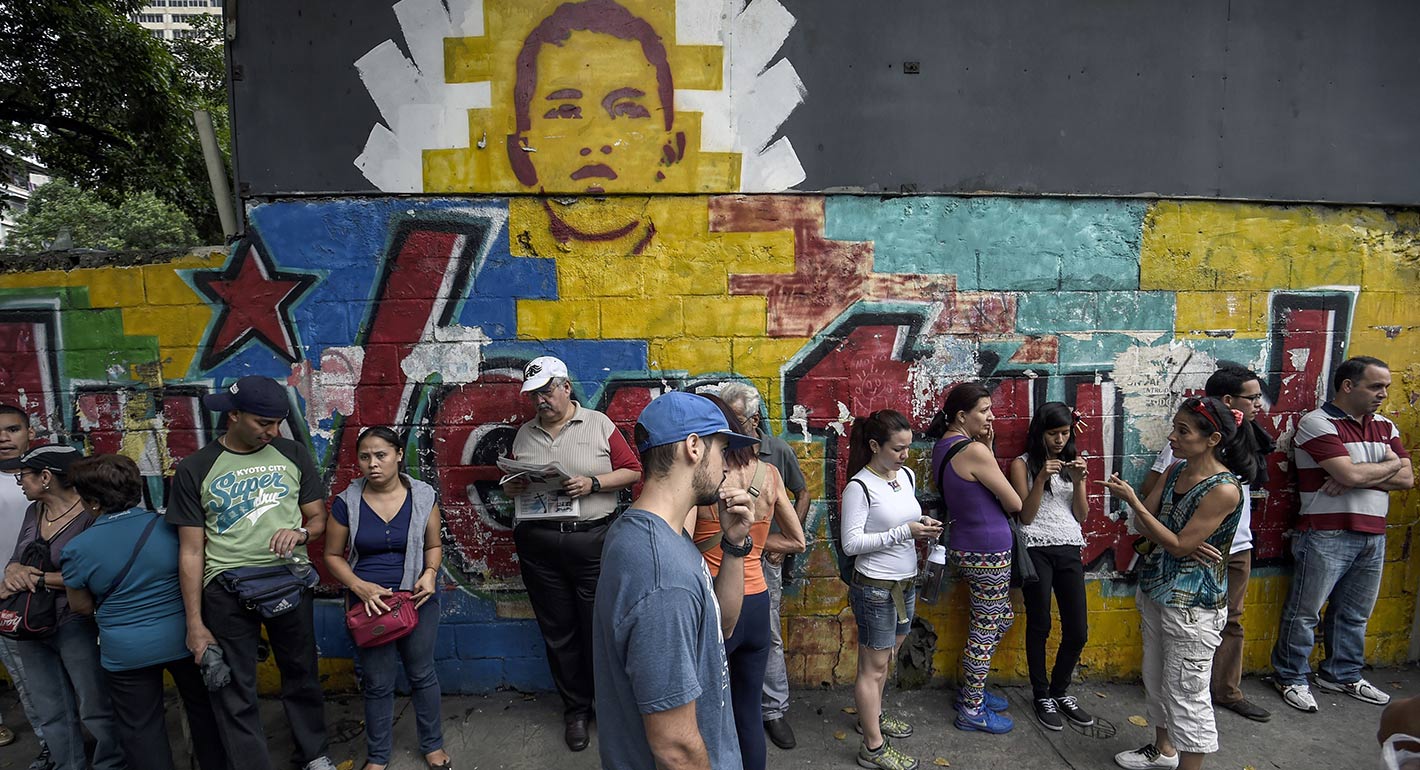
Venezuelans’ best hope is to ensure that the flickering embers of protest and social dissent are not extinguished and that resistance to dictatorship is sustained.
Source: Foreign Affairs
Consider two Latin American countries. The first is one of the region’s oldest and strongest democracies. It boasts a stronger social safety net than any of its neighbors and is making progress on its promise to deliver free health care and higher education to all its citizens. It is a model of social mobility and a magnet for immigrants from across Latin America and Europe. The press is free, and the political system is open; opposing parties compete fiercely in elections and regularly alternate power peacefully. It sidestepped the wave of military juntas that mired some Latin American countries in dictatorship. Thanks to a long political alliance and deep trade and investment ties with the United States, it serves as the Latin American headquarters for a slew of multinational corporations. It has the best infrastructure in South America. It is still unmistakably a developing country, with its share of corruption, injustice, and dysfunction, but it is well ahead of other poor countries by almost any measure.

Distinguished Fellow
Moisés Naím is a distinguished fellow at the Carnegie Endowment for International Peace, a best-selling author, and an internationally syndicated columnist.
Francisco Toro
Francisco Toro is executive editor at CaracasChronicles.com.
Carnegie does not take institutional positions on public policy issues; the views represented herein are those of the author(s) and do not necessarily reflect the views of Carnegie, its staff, or its trustees.
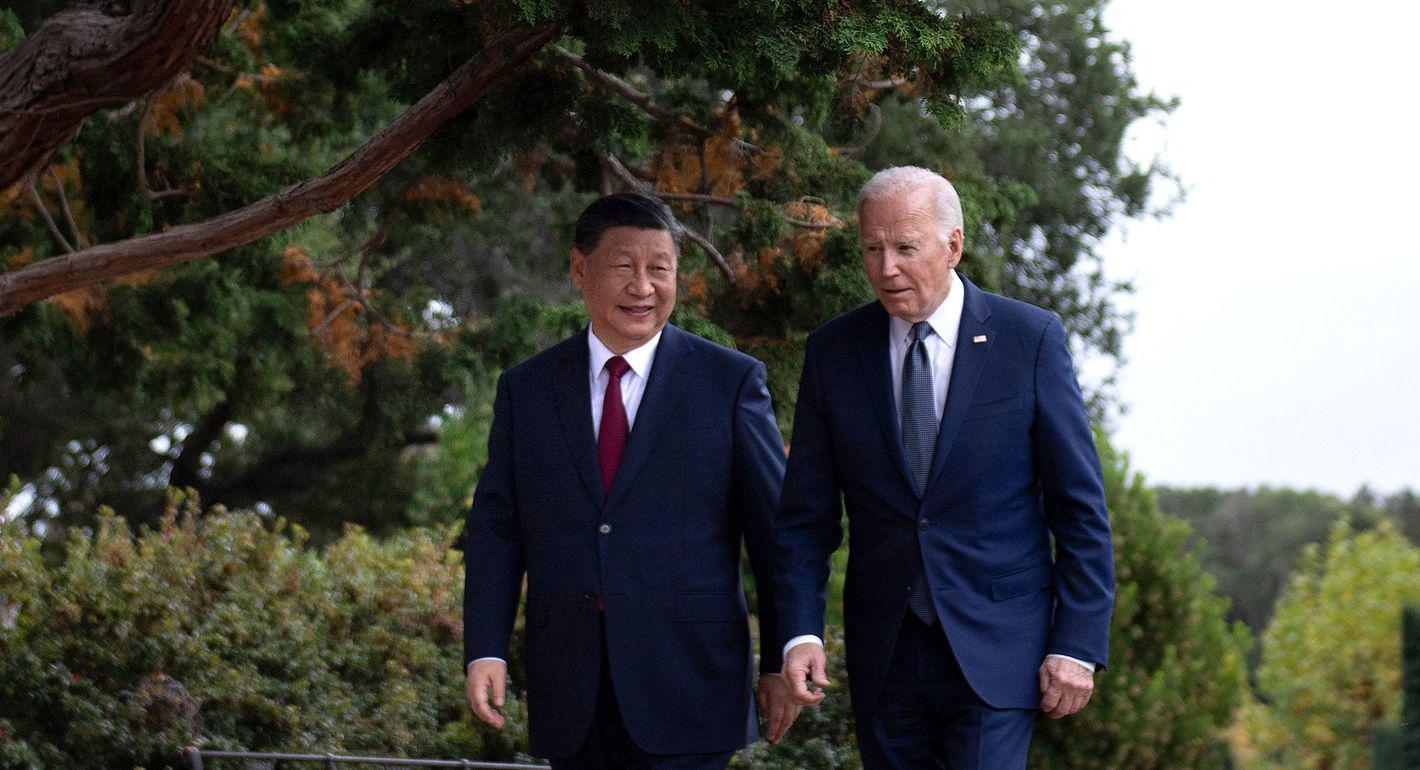
Carnegie China scholars share their assessment of the Biden-Xi meeting and its implications for U.S.-China relations going forward.



Paul Haenle, Xue Gong, Ngeow Chow Bing, …
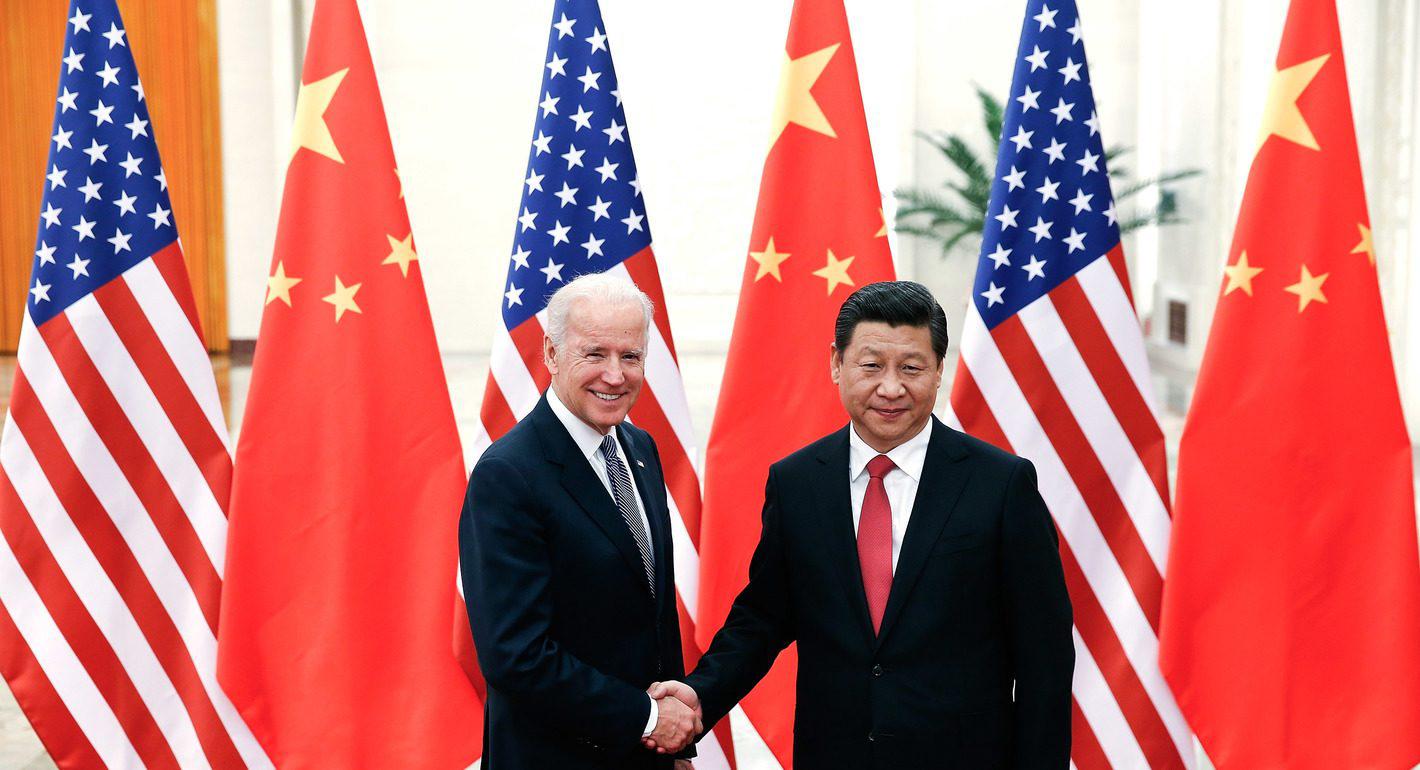
Southeast Asian capitals would prefer that the U.S. and PRC manage their relationship, if not get along.

Paul Haenle, Chong Ja Ian
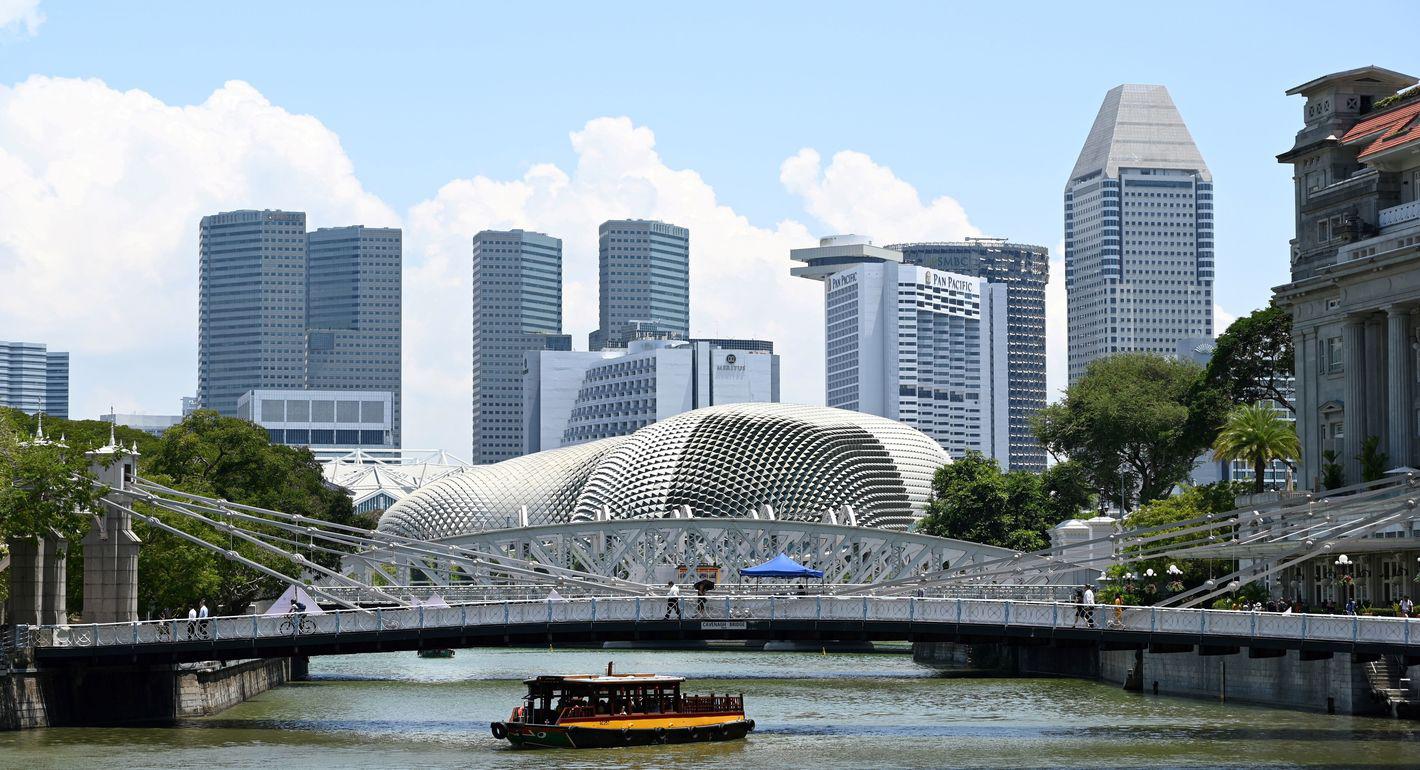
As the world undergoes a new round of fragmentation and major power rivalry that includes the advancing of divergent visions of global order, Singapore is discovering that its interests are increasingly being pulled in different directions.
Chong Ja Ian
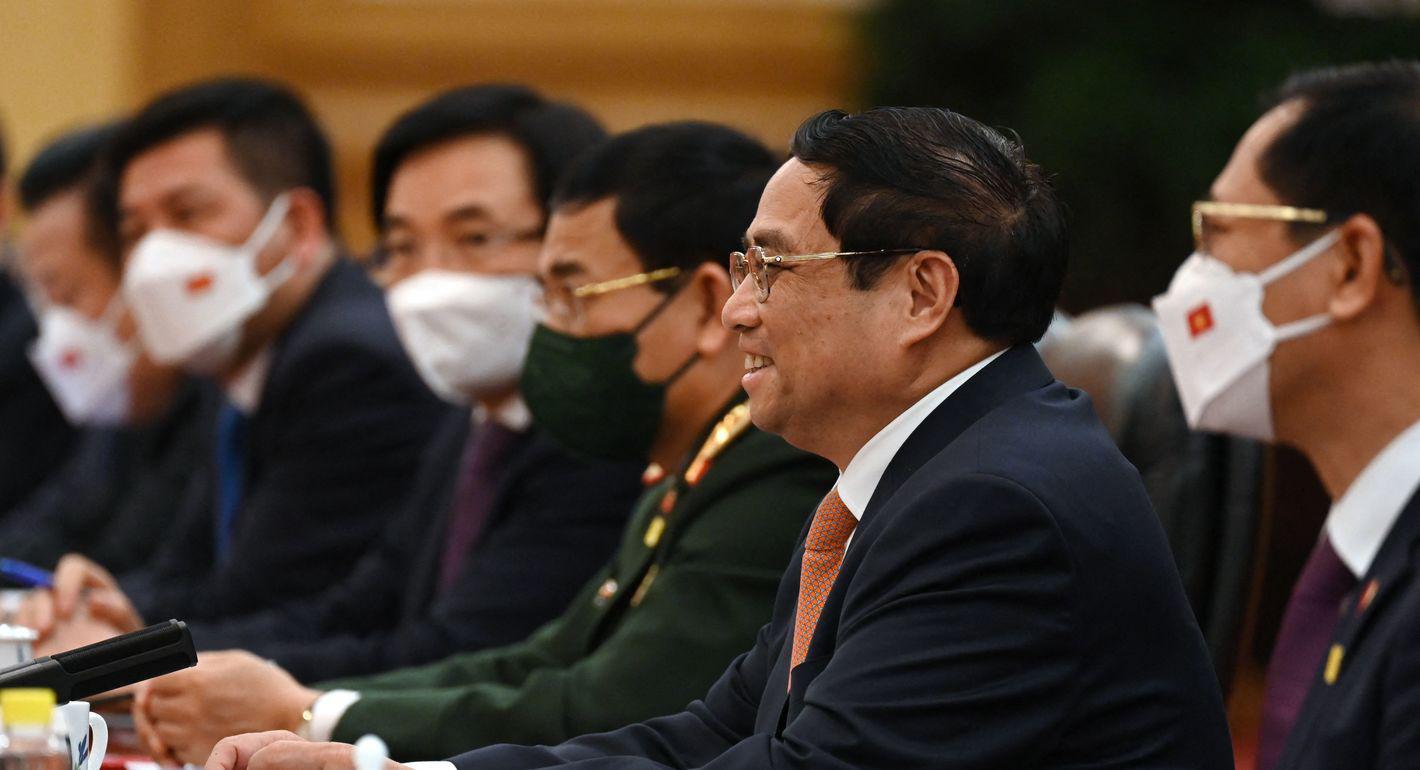
There is a certain level of restraint, but there is also a lingering distrust.
Paul Haenle, Huong Le Thu
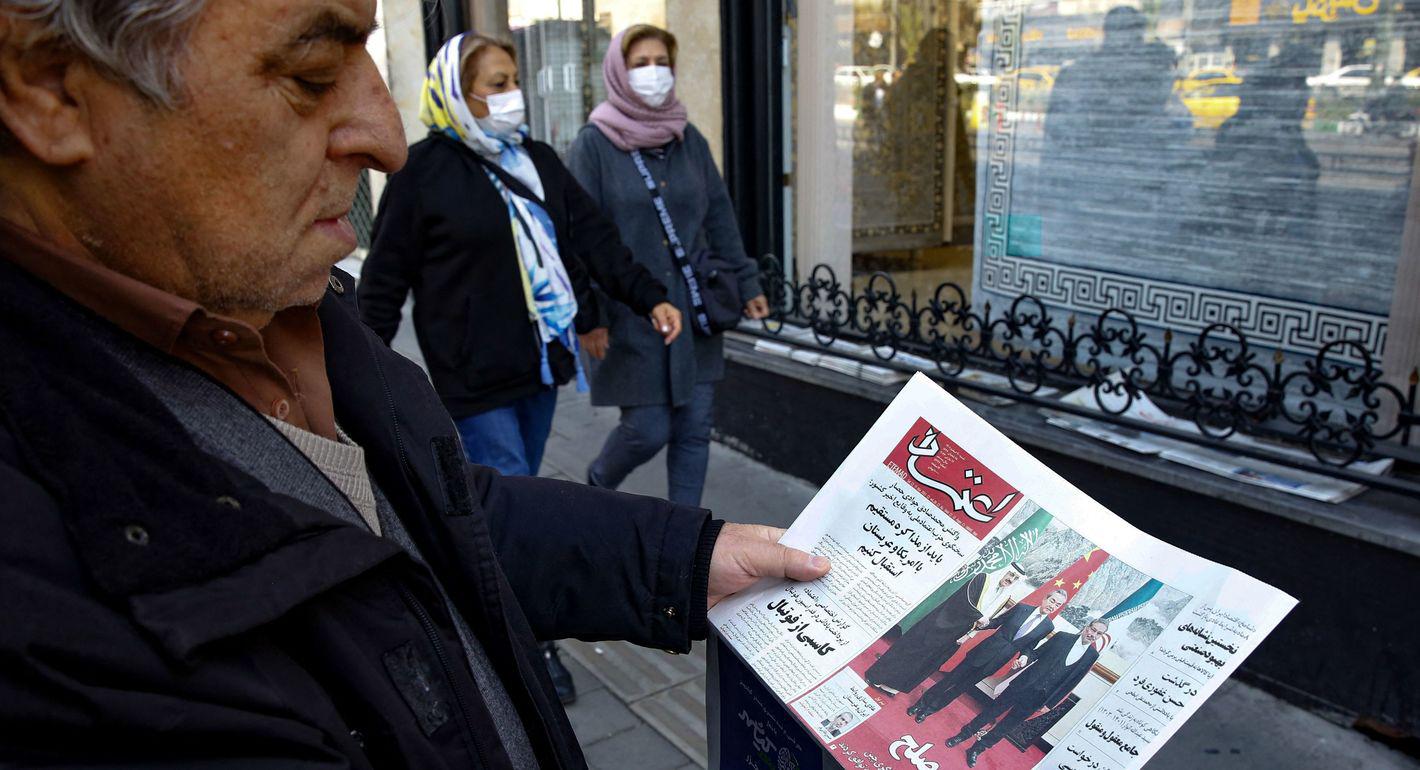
Transactional relationships are stable but can be shallow.

Paul Haenle, Maha Yahya, Benjamin Ho, …