

Paper
Chung Min Lee
{
  "authors": [
    "Chung Min Lee"
  ],
  "type": "other",
  "centerAffiliationAll": "dc",
  "centers": [
    "Carnegie Endowment for International Peace"
  ],
  "collections": [
    "Inside Korea"
  ],
  "englishNewsletterAll": "asia",
  "nonEnglishNewsletterAll": "",
  "primaryCenter": "Carnegie Endowment for International Peace",
  "programAffiliation": "AP",
  "programs": [
    "Asia"
  ],
  "projects": [],
  "regions": [
    "North America",
    "United States",
    "East Asia",
    "South Korea",
    "Japan"
  ],
  "topics": [
    "Political Reform",
    "Foreign Policy",
    "Global Governance"
  ]
}
Source: Getty
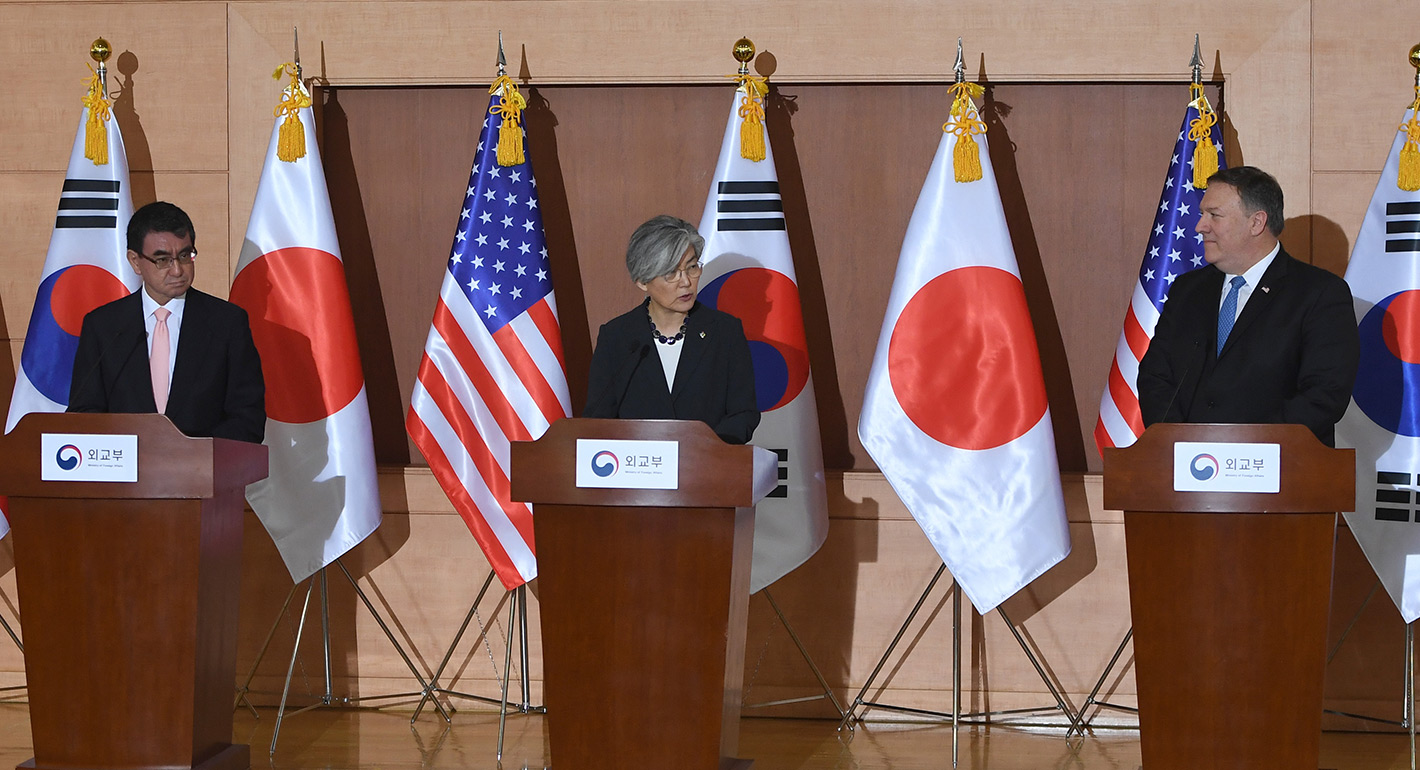
The U.S.-South Korean-Japanese trilateral relationship is more salient than ever in the aftermath of the accelerated nuclear weapons and ballistic missile programs of the Democratic People’s Republic of Korea.
Source: Atlantic Council
What are the contours, challenges, and opportunities in the all-important US-South Korean-Japanese trilateral security relationship during a period of rapidly evolving geopolitics in and around the Korean Peninsula? The trilateral relationship is more salient than ever in the aftermath of the accelerated nuclear weapons and ballistic missile programs of the Democratic People’s Republic of Korea. Although assessing the intensity and depth of trilateral security cooperation or a lack thereof is hardly a new issue, the stakes are arguably the highest since the outbreak of the North Korean nuclear crisis in the early 1990s. In this Atlantic Council report, Dr. Chung-min Lee tackles the important questions of how the trilateral security relationship will respond to developments on the Korean Peninsula, and what the road ahead for the US-South Korean-Japanese relationship look like.
This article was originally published by the Atlantic Council.
Senior Fellow, Asia Program
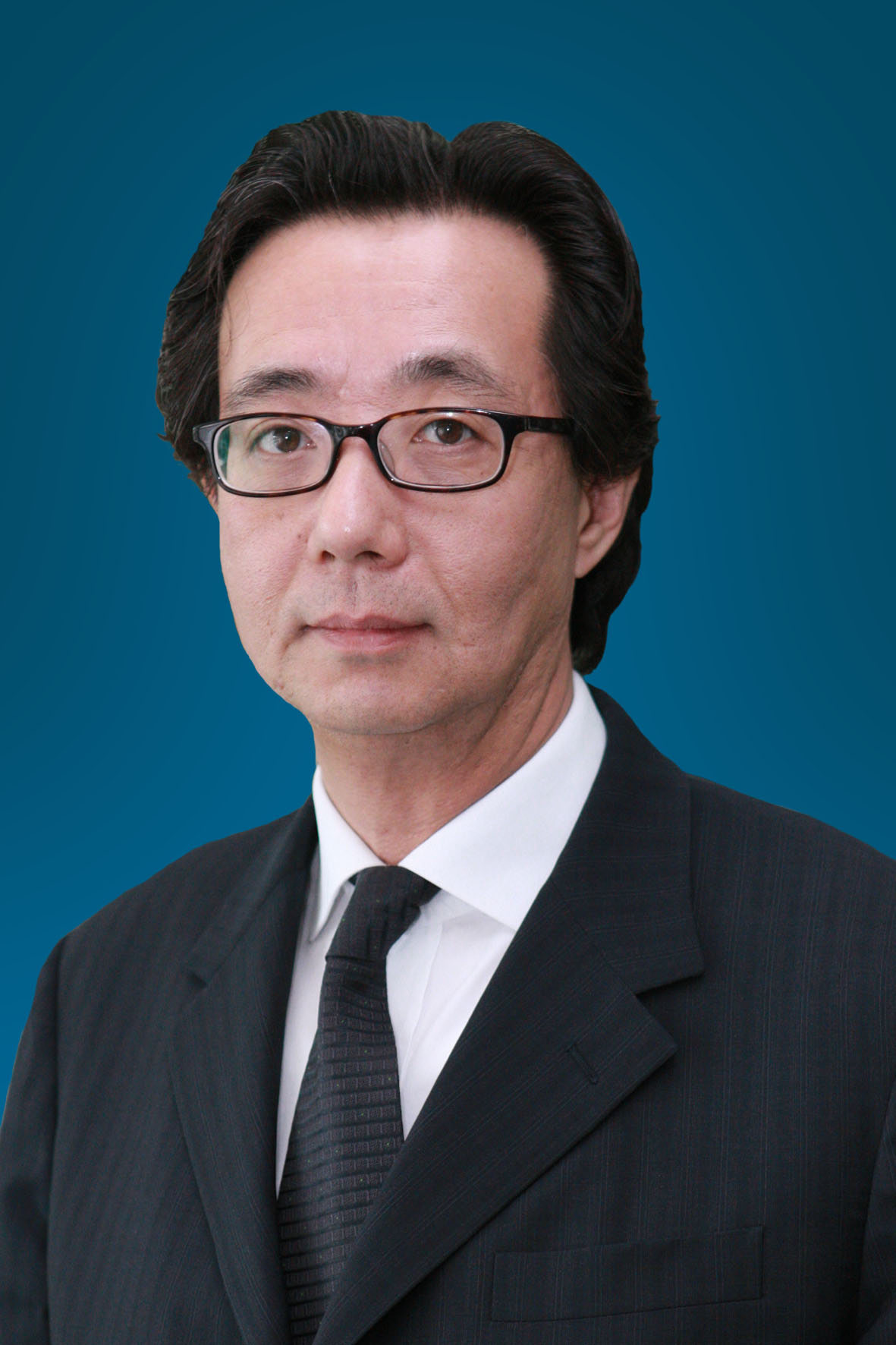
Chung Min Lee is a senior fellow in Carnegie’s Asia Program. He is an expert on Korean and Northeast Asian security, defense, intelligence, and crisis management.
Recent Work
Chung Min Lee
Carnegie does not take institutional positions on public policy issues; the views represented herein are those of the author(s) and do not necessarily reflect the views of Carnegie, its staff, or its trustees.

Across Asia, China is better positioned to withstand energy shocks from the fallout of the Iran war. Its abundant coal capacity can ensure stability in the near term. Yet at the same time, the country’s energy transition away from coal will make it even less vulnerable during the next shock.

Damien Ma

Malaysia’s chairmanship sought to fend off short-term challenges while laying the groundwork for minimizing ASEAN’s longer-term exposure to external stresses.

Elina Noor
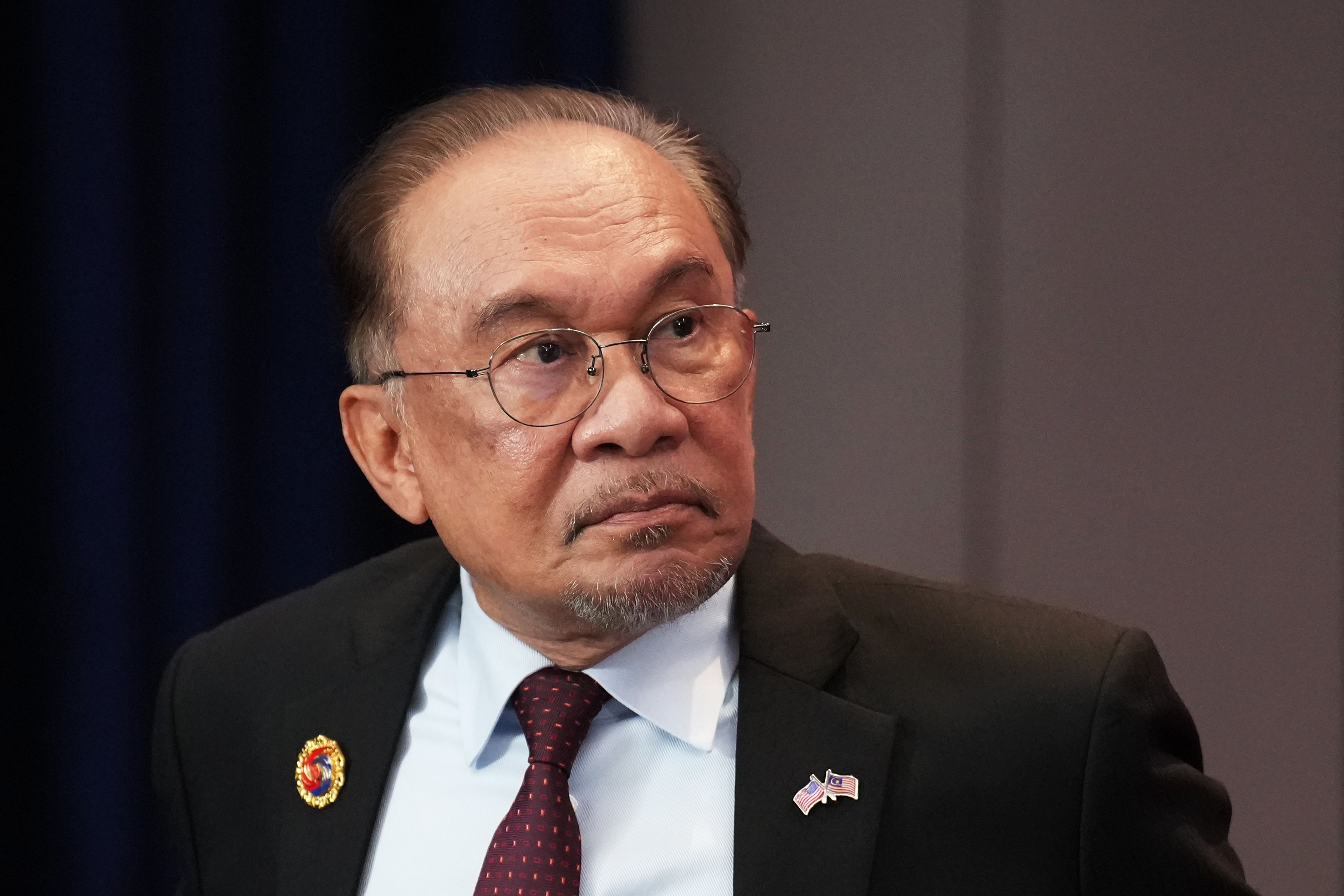
For Malaysia, the conjunction that works is “and” not “or” when it comes to the United States and China.
Elina Noor
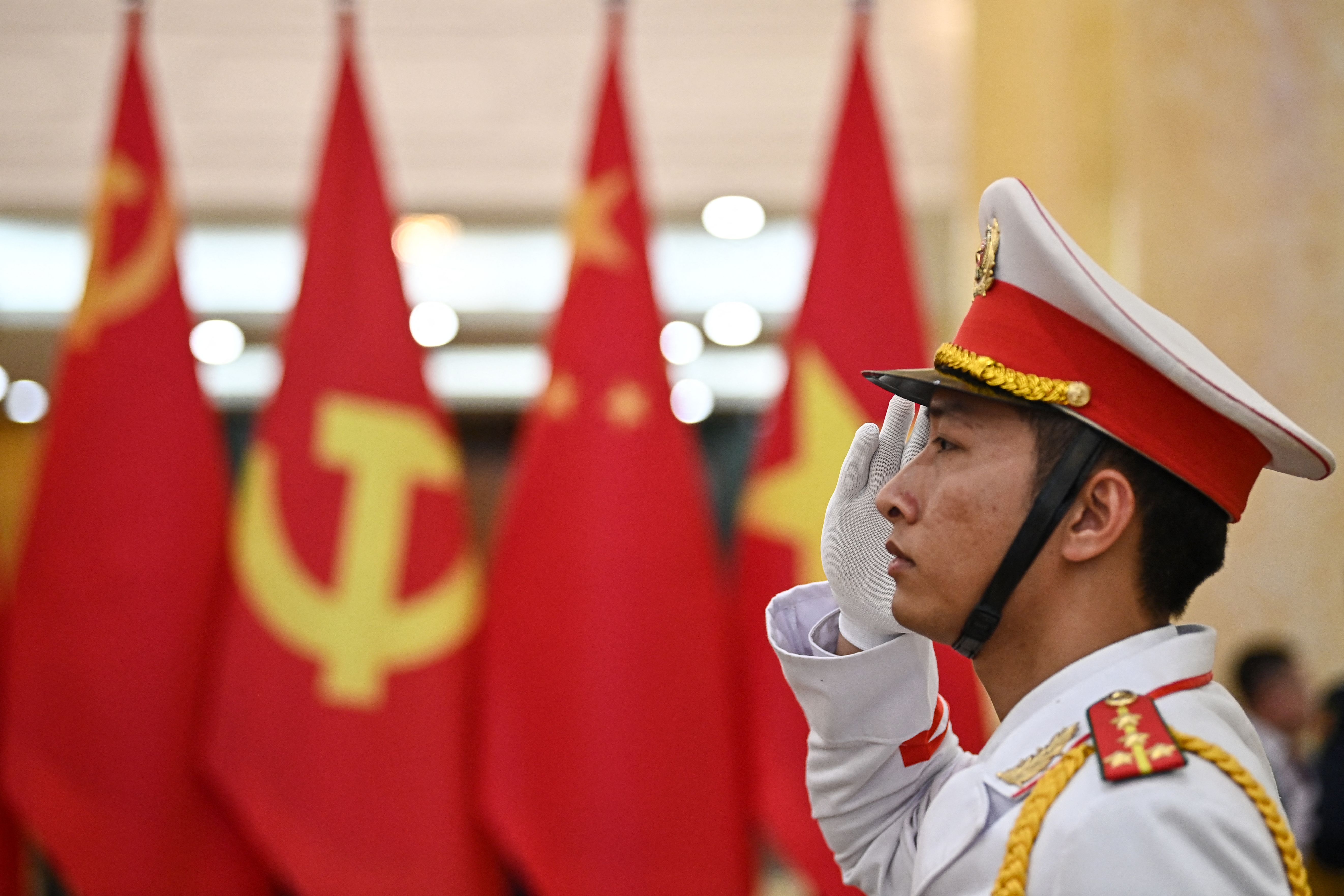
In July 2025, Vietnam and China held their first joint army drill, a modest but symbolic move reflecting Hanoi’s strategic hedging amid U.S.–China rivalry.

Nguyễn Khắc Giang

Regulation, not embargo, allows Beijing to shape how other countries and firms adapt to its terms.

Alvin Camba