

Paper
Eugene Rumer, Richard Sokolsky
{
  "authors": [
    "Richard Sokolsky"
  ],
  "type": "other",
  "centerAffiliationAll": "",
  "centers": [
    "Carnegie Endowment for International Peace"
  ],
  "collections": [],
  "englishNewsletterAll": "",
  "nonEnglishNewsletterAll": "",
  "primaryCenter": "Carnegie Endowment for International Peace",
  "programAffiliation": "",
  "programs": [],
  "projects": [],
  "regions": [
    "East Asia",
    "North Korea"
  ],
  "topics": [
    "Political Reform",
    "Security",
    "Military"
  ]
}
Source: Getty
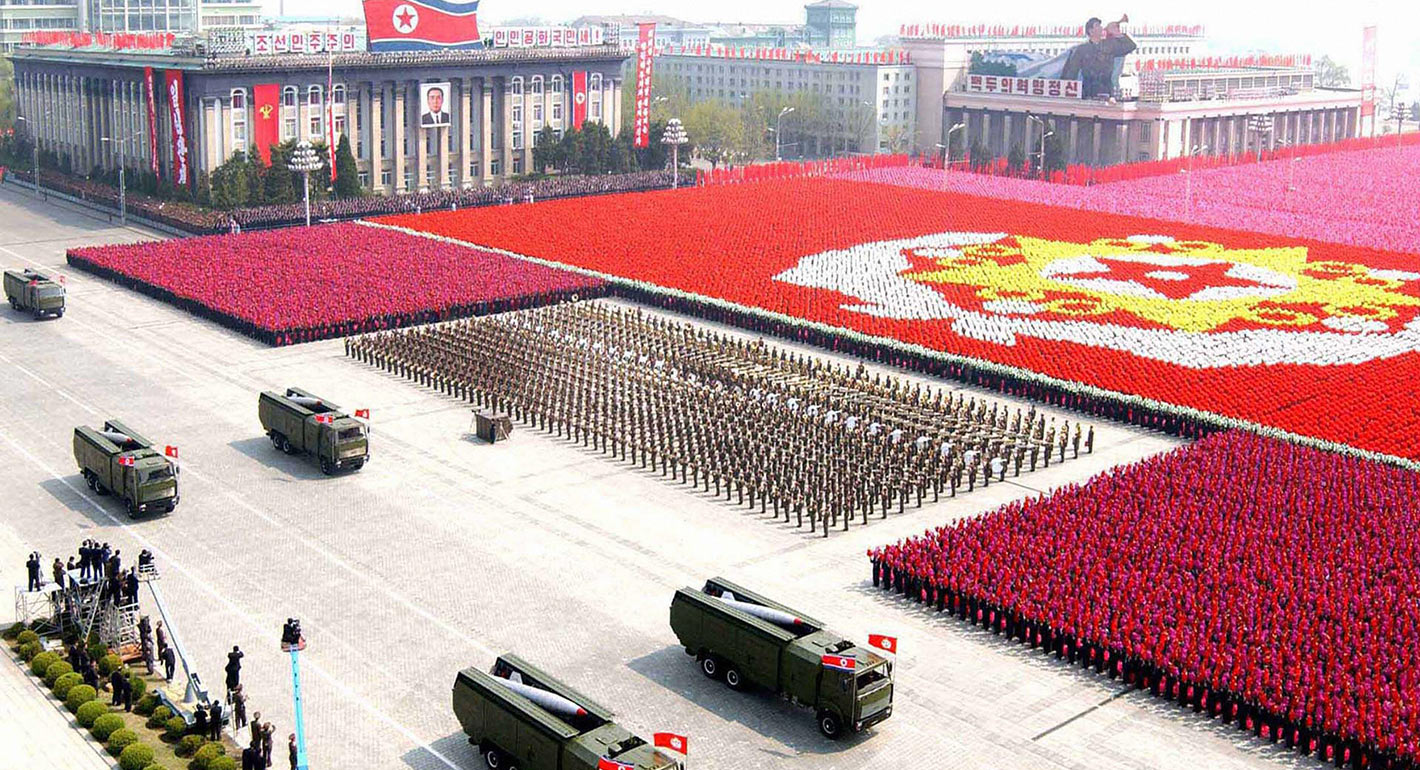
Whether Pyongyang has the capacity and the resources for large-scale demobilization and reintegration—and is prepared to implement market reforms that would be required to make the most efficient use of these resources—remains an open question.
Source: 38 North
Kim Jong Un has used military personnel in the past to carry out civilian construction and infrastructure projects and in his 2019 New Year address, the North Korean leader mentioned the importance of the military in the country’s construction projects. Kim has also reportedly expressed his desire to reallocate resources from the military to the civilian sector, which could include future manpower reductions if North Korea decides that peace and security on the peninsula would allow it to downsize its conventional forces. Whether Pyongyang has the capacity and the resources, however, for large-scale demobilization and reintegration—and is prepared to implement market reforms that would be required to make the most efficient use of these resources—remains an open question. South Korea might be willing and able to help Pyongyang develop a viable plan to deactivate many of its troops and reintegrate them into the civilian economy, but a multilateral effort will likely be required depending on the scope and pace of the effort.

Nonresident Senior Fellow, Russia and Eurasia Program
Richard Sokolsky is a nonresident senior fellow in Carnegie’s Russia and Eurasia Program. His work focuses on U.S. policy toward Russia in the wake of the Ukraine crisis.
Recent Work
Eugene Rumer, Richard Sokolsky
Eugene Rumer, Richard Sokolsky
Carnegie does not take institutional positions on public policy issues; the views represented herein are those of the author(s) and do not necessarily reflect the views of Carnegie, its staff, or its trustees.

Chinese biotech companies have been on the receiving end of U.S. economic coercion. Yet their responses have differed significantly because firm and state interests are not uniformly aligned. For Washington, treating all Chinese tech firms the same, irrespective of their actual interests, risks pushing them farther into Beijing’s corner.

Xue Gong

Across Asia, China is better positioned to withstand energy shocks from the fallout of the Iran war. Its abundant coal capacity can ensure stability in the near term. Yet at the same time, the country’s energy transition away from coal will make it even less vulnerable during the next shock.

Damien Ma
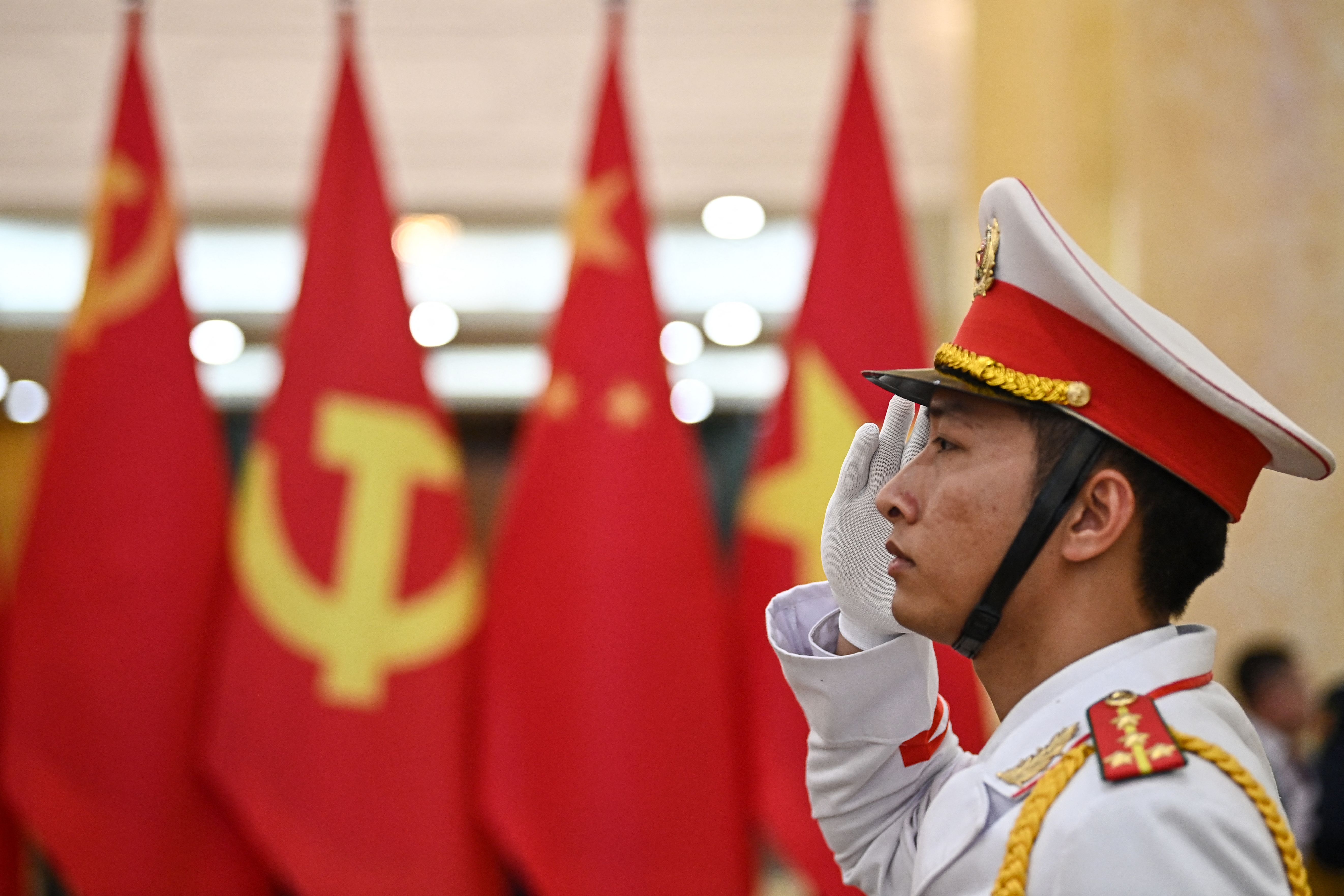
In July 2025, Vietnam and China held their first joint army drill, a modest but symbolic move reflecting Hanoi’s strategic hedging amid U.S.–China rivalry.

Nguyễn Khắc Giang
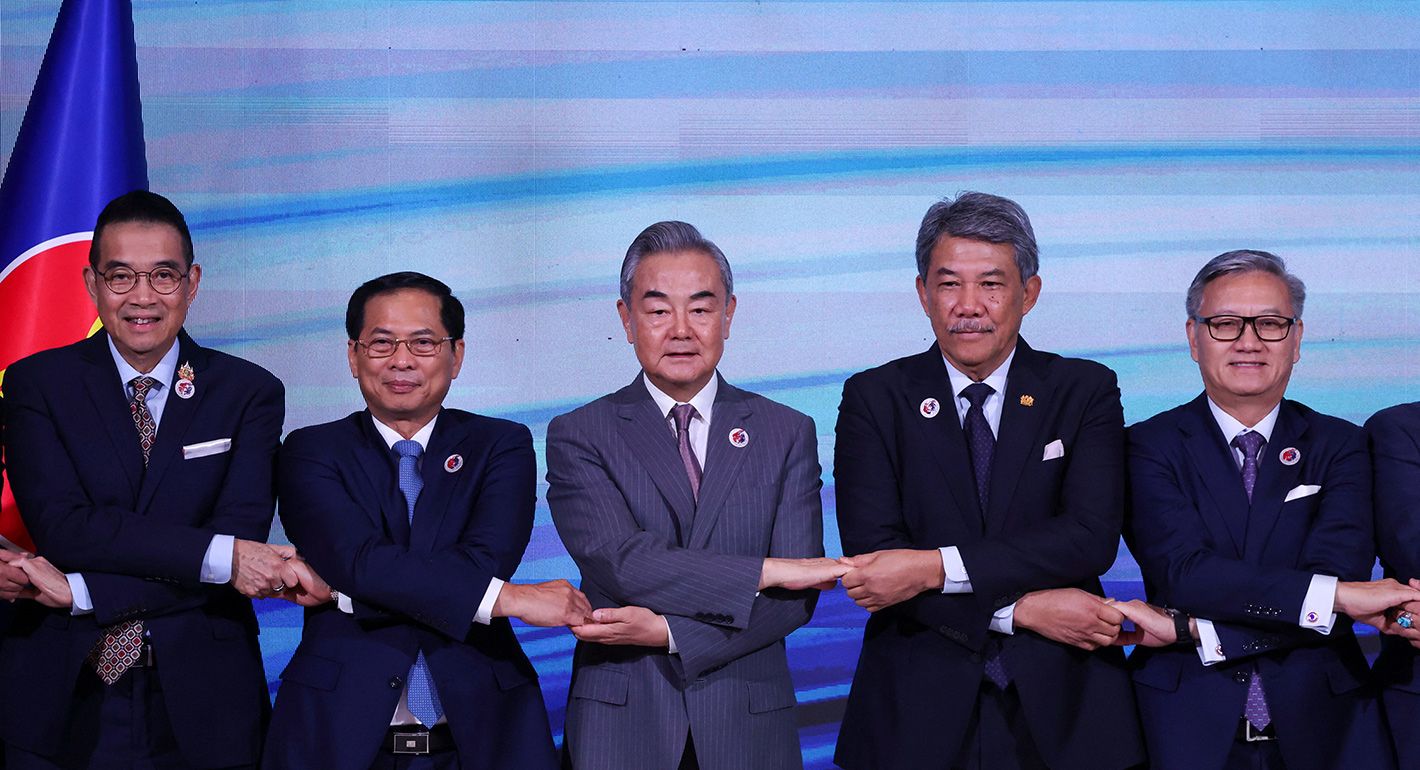
The Thai-Cambodian conflict highlights the limits to China's peacemaker ambition and the significance of this role on Southeast Asia’s balance of power.

Pongphisoot (Paul) Busbarat

GDP growth means something fundamentally different in China than in most countries.

Michael Pettis