

Paper
- +3
Rajesh Bansal, Anirudh Burman, Rudra Chaudhuri, …
{
  "authors": [
    "Srinath Raghavan"
  ],
  "type": "legacyinthemedia",
  "centerAffiliationAll": "",
  "centers": [
    "Carnegie Endowment for International Peace",
    "Carnegie India"
  ],
  "collections": [],
  "englishNewsletterAll": "",
  "nonEnglishNewsletterAll": "",
  "primaryCenter": "Carnegie India",
  "programAffiliation": "",
  "programs": [],
  "projects": [],
  "regions": [
    "United States",
    "India"
  ],
  "topics": [
    "Foreign Policy"
  ]
}
Source: Getty
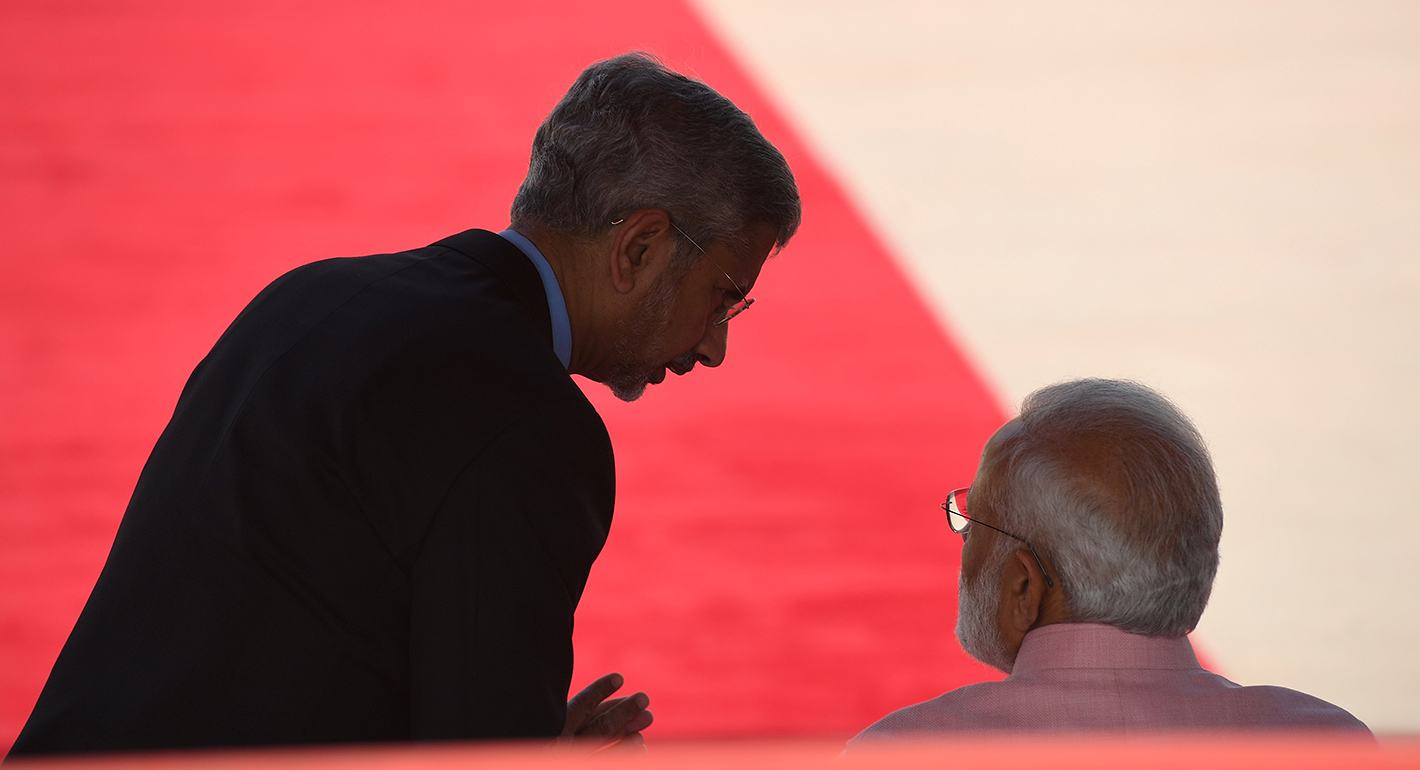
Hours after he took over as the external affairs minister in the new Narendra Modi government, former diplomat S. Jaishankar had a situation on hand. U.S. President Donald Trump formally rescinded India’s designation as a beneficiary developing country under the Generalized System of Preferences.
Source: Print
Hours after he took over as the external affairs minister in the new Narendra Modi government, former diplomat S. Jaishankar had a situation on hand. US President Donald Trump formally rescinded India’s designation as a beneficiary developing country under the Generalized System of Preferences (GSP).
This designation, accorded to India in November 1975, provided preferential duty-free access to the US markets for an array of goods. It is the clearest expression yet of Trump’s intention to confront economic differences, especially bilateral trade deficit, with India head on — irrespective of its implications for the wider US-India relationship. While Jaishankar is no stranger to these issues, the context in which he will have to deal with them is more challenging than ever.

Nonresident Senior Fellow, Security Studies Program
Srinath Raghavan is a nonresident senior fellow at Carnegie India. His primary research focus is on the contemporary and historical aspects of India’s foreign and security policies.
Recent Work


Rajesh Bansal, Anirudh Burman, Rudra Chaudhuri, …
Srinath Raghavan
Carnegie does not take institutional positions on public policy issues; the views represented herein are those of the author(s) and do not necessarily reflect the views of Carnegie, its staff, or its trustees.

Malaysia’s chairmanship sought to fend off short-term challenges while laying the groundwork for minimizing ASEAN’s longer-term exposure to external stresses.

Elina Noor

For Malaysia, the conjunction that works is “and” not “or” when it comes to the United States and China.
Elina Noor
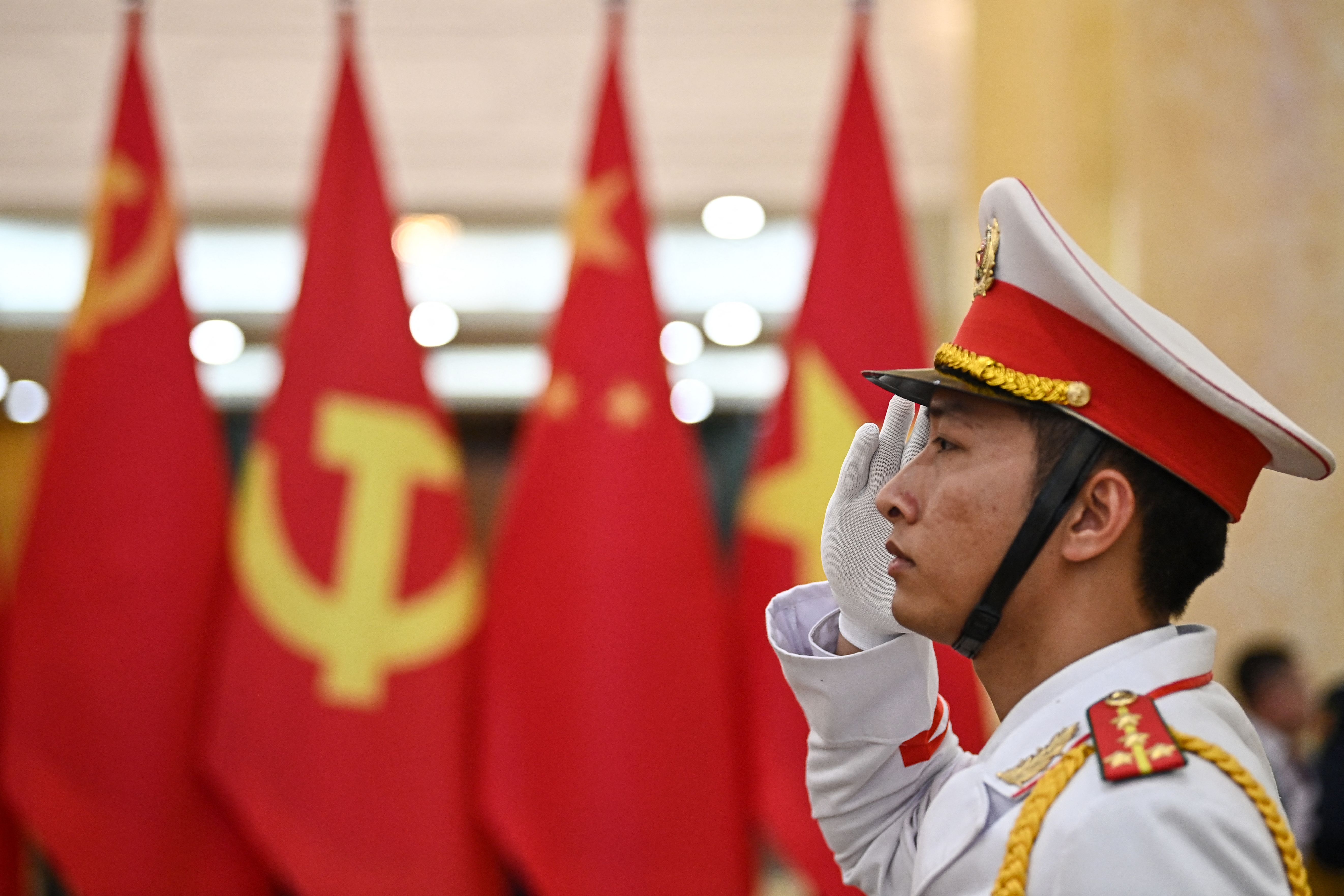
In July 2025, Vietnam and China held their first joint army drill, a modest but symbolic move reflecting Hanoi’s strategic hedging amid U.S.–China rivalry.

Nguyễn Khắc Giang

Regulation, not embargo, allows Beijing to shape how other countries and firms adapt to its terms.
Alvin Camba
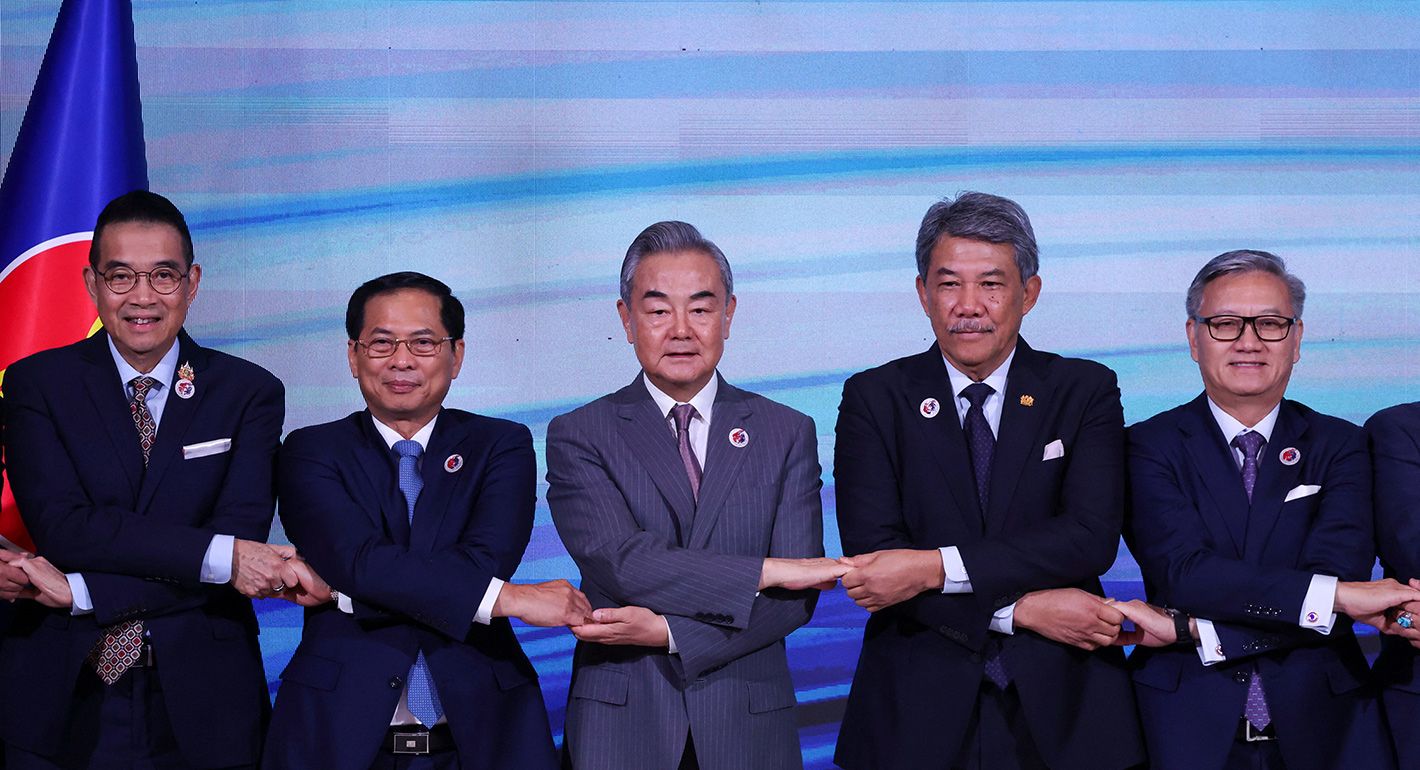
The Thai-Cambodian conflict highlights the limits to China's peacemaker ambition and the significance of this role on Southeast Asia’s balance of power.

Pongphisoot (Paul) Busbarat