

Q&A
Sarah Yerkes
{
  "authors": [
    "Sarah Yerkes"
  ],
  "type": "other",
  "centerAffiliationAll": "dc",
  "centers": [
    "Carnegie Endowment for International Peace"
  ],
  "collections": [
    "Arab Awakening"
  ],
  "englishNewsletterAll": "menaTransitions",
  "nonEnglishNewsletterAll": "",
  "primaryCenter": "Carnegie Endowment for International Peace",
  "programAffiliation": "MEP",
  "programs": [
    "Middle East"
  ],
  "projects": [
    "Tunisia Monitor"
  ],
  "regions": [
    "North Africa",
    "Tunisia"
  ],
  "topics": [
    "Political Reform"
  ]
}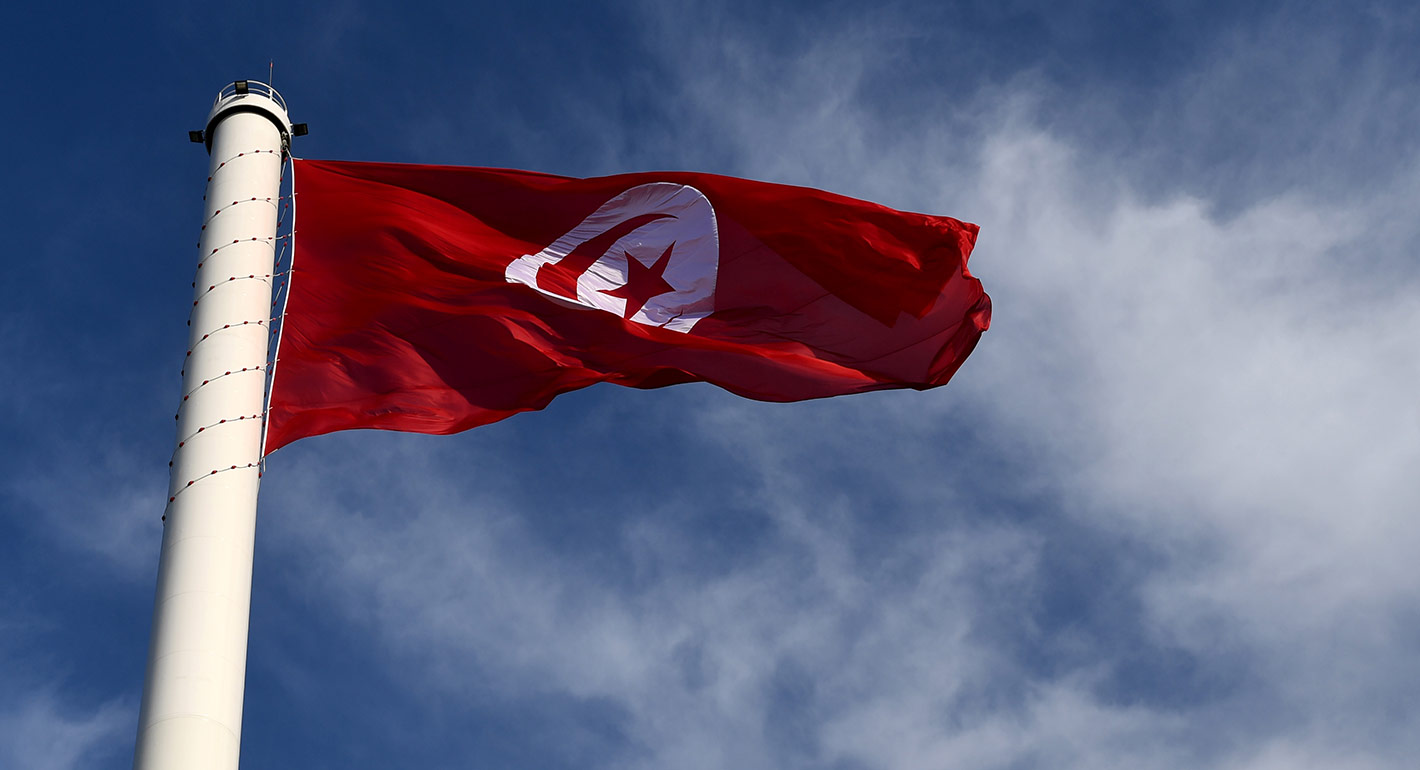
Source: Getty
The role of Tunisia’s primary Islamist party—Ennahda—within the country’s political scene ebbed and flowed both during and after the 2011 revolution. Understanding how Ennahda got to where it is today is crucial to understanding where it—and the country—is going.
Source: Journal of Islamic Studies
The role of Tunisia’s primary Islamist party—Ennahda—within the country’s political scene ebbed and flowed both during and after the 2011 revolution. Today, despite a parliamentary system with dozens of political parties in some form of power, Tunisia operates like a two-party democracy, with power vacillating between Ennahda and its primary rival, Nidaa Tounes. Understanding how Ennahda got to where it is today is crucial to understanding where it—and the country—is going.
While the party’s initial success was consistent with an Islamist wave that swept across the Arab Spring states in 2011–2012, Ennahda has continued to succeed where other Islamist parties in the region—particularly Egypt’s Muslim Brotherhood—have dramatically failed. Anne Wolf’s book, Political Islam in Tunisia, offers a comprehensive overview of the history of Ennahda, examining not only the origins and evolution of this Islamist party but also the way the country has dealt with the highly contentious issue of what role religion should play in politics. The book tackles this question in today’s democratic context, but also provides the reader with a brief overview of the role religion played in the pre-independence period, as well as a longer treatment of the Bourguiba and Ben Ali eras....
This book review was originally published in the Journal of Islamic Studies.

Acting Co-Director and Senior Fellow, Middle East Program
Sarah Yerkes is acting co-director and a senior fellow in the Middle East Program at the Carnegie Endowment for International Peace. Her research focuses on democracy and governance, U.S. foreign policy towards the Middle East and North Africa, and political and economic reform in Tunisia.
Recent Work
Carnegie does not take institutional positions on public policy issues; the views represented herein are those of the author(s) and do not necessarily reflect the views of Carnegie, its staff, or its trustees.
Transactional relationships are stable but can be shallow.



Paul Haenle, Maha Yahya, Benjamin Ho, …
It’s about managing oil prices, bread prices, and strategic partnerships.



Amr Hamzawy, Karim Sadjadpour, Aaron David Miller, …
The murder of George Floyd has underscored the deep inequities that have long plagued American society. In a note to the Carnegie community, Bill Burns reflects on Carnegie’s commitment to build a more just future here at home and around the world, without which peace will remain beyond our grasp.

William J. Burns
While the world hoped this pandemic might lead to more cooperation between these two great powers, American and Chinese leaders instead fell into a blame game and allowed their increasing suspicions to guide their decision-making.
Lyu Jinghua
Biological viruses and computer malware differ in important respects. They have considerable potential to spread widely, invading, disrupting and destroying their targets.

Ariel (Eli) Levite, Lyu Jinghua