

Paper
Sarah Yerkes, Natalie Triche, Amr Hamzawy
{
  "authors": [
    "Sarah Yerkes"
  ],
  "type": "commentary",
  "blog": "Emissary",
  "centerAffiliationAll": "",
  "centers": [
    "Carnegie Endowment for International Peace"
  ],
  "englishNewsletterAll": "",
  "nonEnglishNewsletterAll": "",
  "primaryCenter": "Carnegie Endowment for International Peace",
  "programAffiliation": "",
  "regions": [
    "United States",
    "Middle East"
  ],
  "topics": [
    "Foreign Policy",
    "Civil Society"
  ]
}
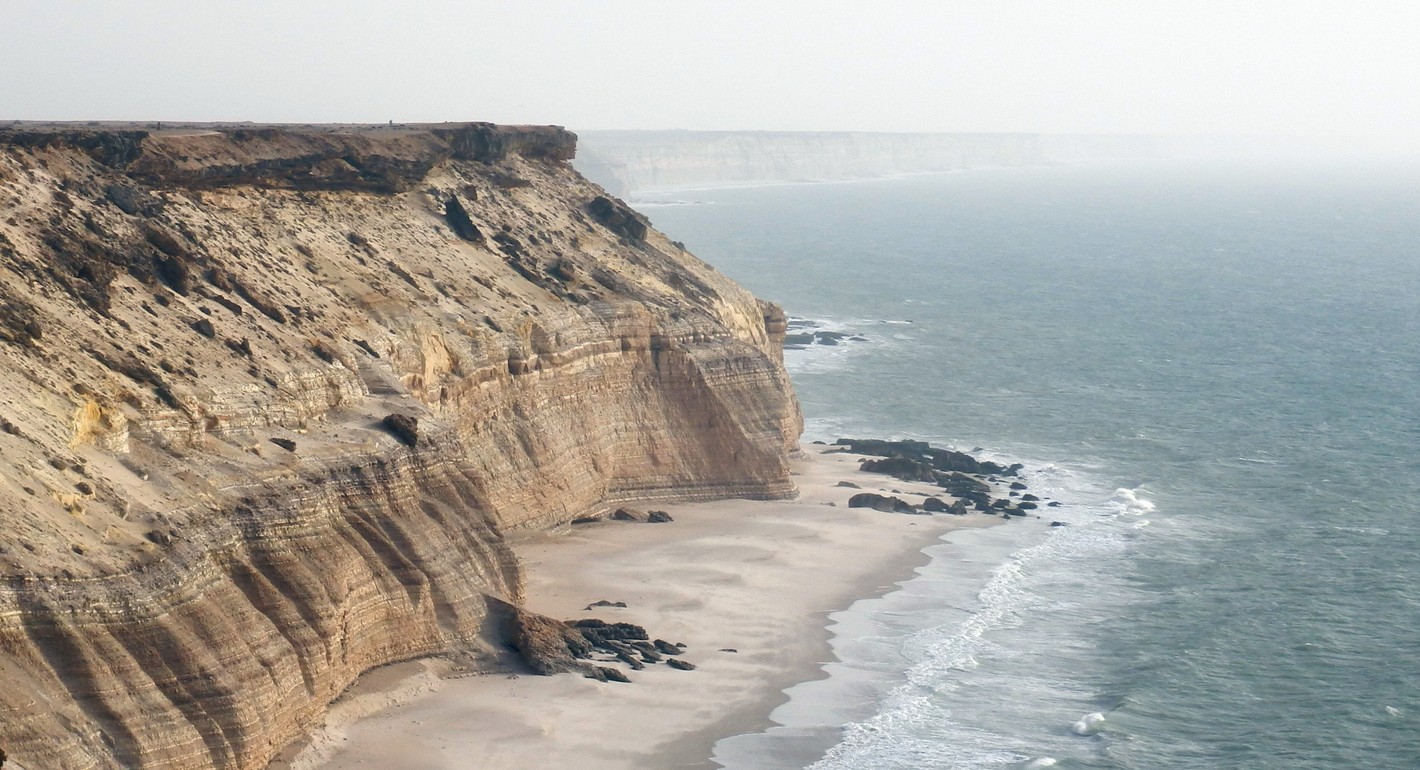
Atlantic coast near Dakhla (iStock)
Despite Morocco’s hopes that its film industry would reap rewards, the blockbuster’s success will be tainted by controversy surrounding filming in occupied Western Sahara.
Christopher Nolan’s film adaptation of Homer’s epic poem the Odyssey is garnering a lot of media attention in advance of its July 17 release, but for the wrong reasons. Yes, the film has mega stars. Yes, the film has a massive budget—Nolan’s largest. And yes, it is killing at the presale box office, especially after its London premiere on Tuesday. The film has faced some critiques, but much of the reporting is missing the production’s largest issue: Nolan chose to film some scenes in Dakhla, Western Sahara, which, under international law, remains an occupied territory of Morocco.
Nolan has attributed his inspiration for the film in part to Emily Wilson’s 2017 translation of Homer’s work, which has been applauded for foregrounding themes of colonialism, dispossession, and exploitation and for restoring the humanity to the enslaved people and colonized figures in Homer’s text. And Nolan himself has defended his diverse casting choices in the face of a vicious right-wing backlash. Yet both Nolan and Universal Pictures have remained silent about the choice to film in what is, under international law, colonized land without the consent of the Indigenous Sahrawis, leading to accusations that The Odyssey production is, in fact, facilitating the very things it purports to be shining a light on.
For Morocco, the territories that make up Western Sahara are referred to as the “southern provinces” and are an indisputable part of the kingdom and should be treated no differently than Rabat or Casablanca. But while global public opinion has been trending Morocco’s way over the past few years, as it stands Dakhla is part of what is considered the occupied and non-self-governing Western Sahara under existing international law, a point that the UN, International Court of Justice, and the EU’s highest court all have consistently affirmed.
But the Sahrawi people, who are indigenous to the region and currently have no meaningful self-determination, have not consented to the film’s production—and the Moroccan government is reaping the rewards at their expense.
The Moroccan government has been actively courting film and television productions for years, with great results, introducing generous incentives such as a 30 percent cash rebate on eligible expenses, customs streamlining for equipment, value-added tax exemptions on some Moroccan goods and services, and discounts with Royal Air Maroc. The Moroccan military has also lent its assets to productions, at times—an unusual perk. This support comes from the top. Under the patronage of King Mohammed VI, who is personally invested in using the film industry to increase Moroccan soft power, resources allocated to film production increased tenfold. He also established the Marrakech International Film Festival in 2001 to help promote Morocco as a destination for Hollywood and European filmmakers.
The country also established programs to support and connect local filmmakers with a burgeoning sector of homegrown talent and is increasing professional training programs and film schools, allowing more Moroccans to both participate in and benefit from the growing number of international productions taking place in the country. In 2025, the Moroccan Cinematographic Center, the state’s official gatekeeper of the film industry, generated more than $165 million in local investment from twenty-three foreign films.
The most vocal voice against Nolan’s choice to film in Dakhla was the Western Sahara International Film Festival (FiSahara), which put out a statement during filming asking Nolan to halt production, citing the “military occupation” of Western Sahara and the “brutal repression” against the Sahrawi people by the Moroccan military forces, and is now calling for a boycott of the film.
Other human rights activists who have condemned Morocco’s evident abuses of the Sahrawi population for decades point to the virtual news blackout, which makes it difficult for outsiders to know what is going on inside the territory. They also accuse Nolan of contributing to a whitewashing of Moroccan occupation of the territory, particularly since this is the first major Hollywood production to film in the disputed territory. The Moroccan government has explicitly stated they are using this film to open the door for more Hollywood productions in Western Sahara.
This isn’t the only controversy the film is facing, but it is perhaps the one Nolan could have most easily avoided. The historical and textual record of the Odyssey and the film itself bear no connection to Western Sahara. The location was chosen, it seems, purely for its vistas and its financial benefits. After all, the movie was shot over ninety-one days in several countries, with multiple locations throughout Morocco. Dakhla seemingly represents just four of those days. By limiting his filming to Morocco proper and staying out of Dakhla, Nolan would have avoided controversy around stepping on international law.
Moroccan producer Lamia Chraibi said it best in a recent Variety story: “We often talk about American soft power, but today every filmmaker in our region feels that if we don’t tell our own stories, Orientalist narratives will persist. We need to work carefully and with skill to challenge global audiences and get our stories out as widely as possible.” With The Odyssey, Morocco is rightly asserting its own narrative power, by using the film to establish itself as a film destination, while simultaneously denying the Sahrawi people theirs. Nolan, backed by the power of Hollywood, has an opportunity to change that simply by acknowledging the controversy over Western Sahara publicly, rather than ignoring it.
The latest from Carnegie scholars on the world’s most pressing challenges, delivered to your inbox.

Acting Co-Director and Senior Fellow, Middle East Program
Sarah Yerkes is acting co-director and a senior fellow in the Middle East Program at the Carnegie Endowment for International Peace. Her research focuses on democracy and governance, U.S. foreign policy towards the Middle East and North Africa, and political and economic reform in Tunisia.
Recent Work

Sarah Yerkes, Natalie Triche, Amr Hamzawy
Carnegie does not take institutional positions on public policy issues; the views represented herein are those of the author(s) and do not necessarily reflect the views of Carnegie, its staff, or its trustees.
Fatima El Mansouri is the country’s first female prime minister. She’s also a privileged insider in a largely ceremonial position.
Sarah Yerkes
Most migrants may have left Ceuta, but the effects may linger.

Alejandro Martin Rodriguez, Sarah Yerkes
They have more in common with other recent youth-led demonstrations in Nepal and Madagascar.
Sarah Yerkes, Kathryn Selfe
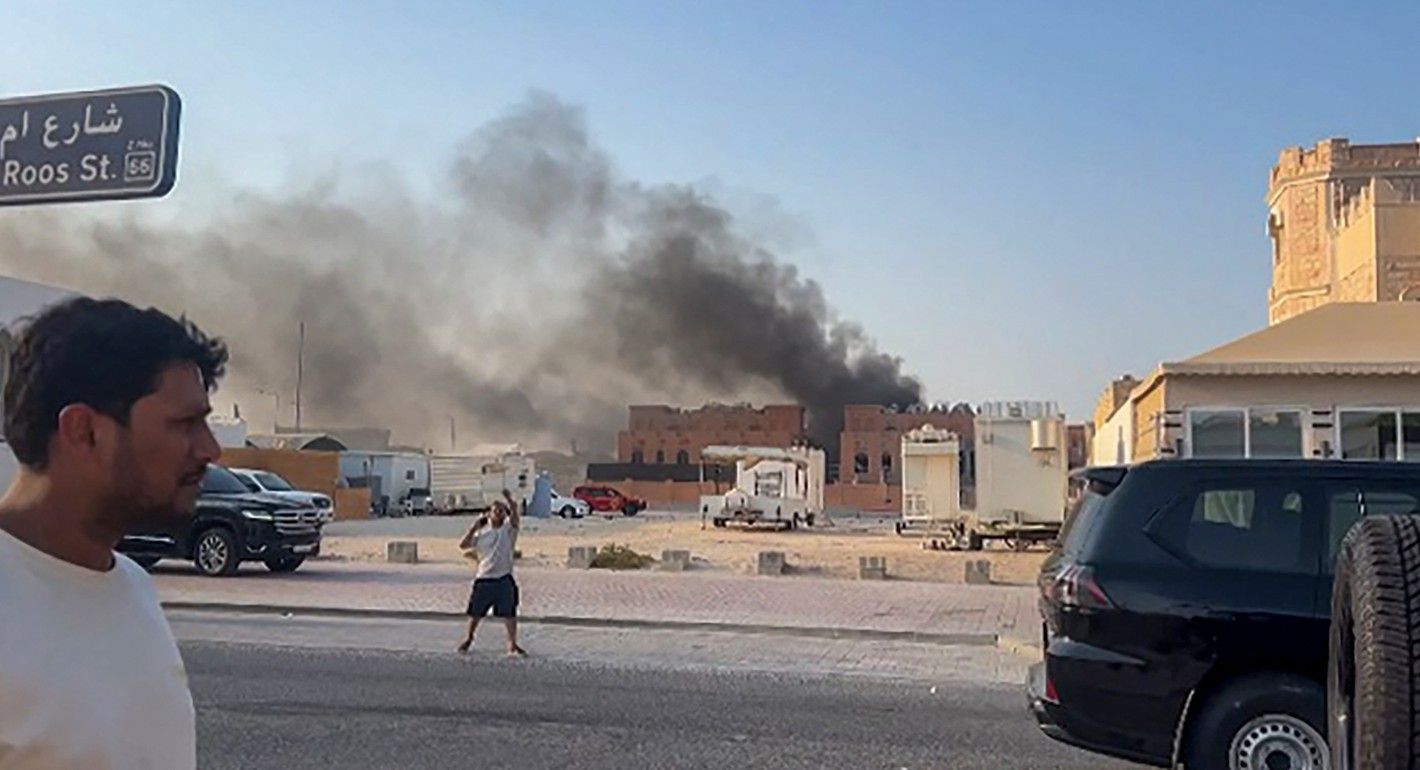
The operation against Hamas in Doha has eliminated the notion that the Middle East can rely on America for protection of its lands.


Amr Hamzawy, Andrew Leber, Marwan Muasher, …
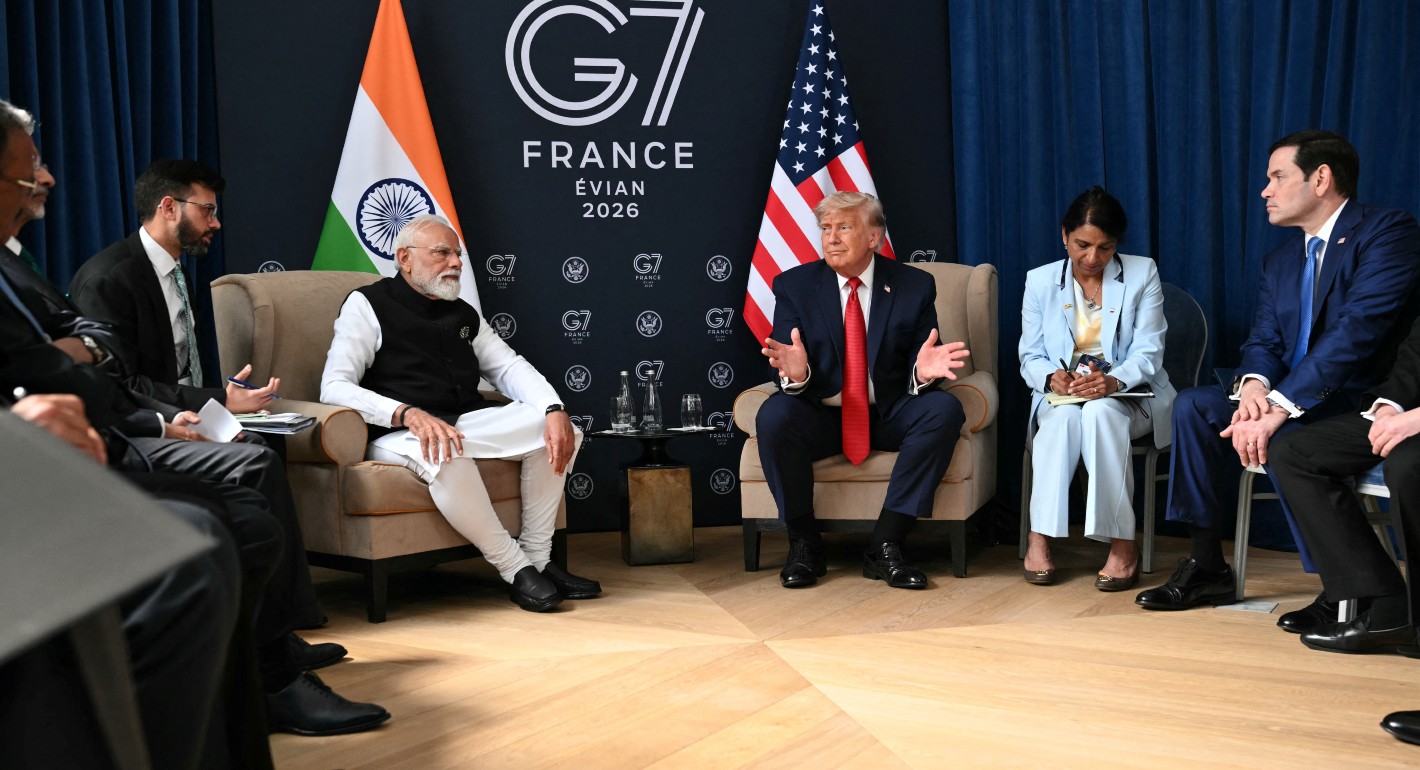
Despite public disputes over trade and immigration, the strategic partnership’s foundations remain sturdy.
Sameer Lalwani