

Article
Dalia Ghanem
{
  "authors": [
    "Dalia Ghanem"
  ],
  "type": "legacyinthemedia",
  "centerAffiliationAll": "dc",
  "centers": [
    "Carnegie Endowment for International Peace",
    "Malcolm H. Kerr Carnegie Middle East Center"
  ],
  "collections": [
    "Arab Spring 2.0"
  ],
  "englishNewsletterAll": "menaTransitions",
  "nonEnglishNewsletterAll": "",
  "primaryCenter": "Malcolm H. Kerr Carnegie Middle East Center",
  "programAffiliation": "MEP",
  "programs": [
    "Middle East"
  ],
  "projects": [],
  "regions": [
    "Maghreb",
    "North Africa",
    "Algeria"
  ],
  "topics": [
    "Political Reform"
  ]
}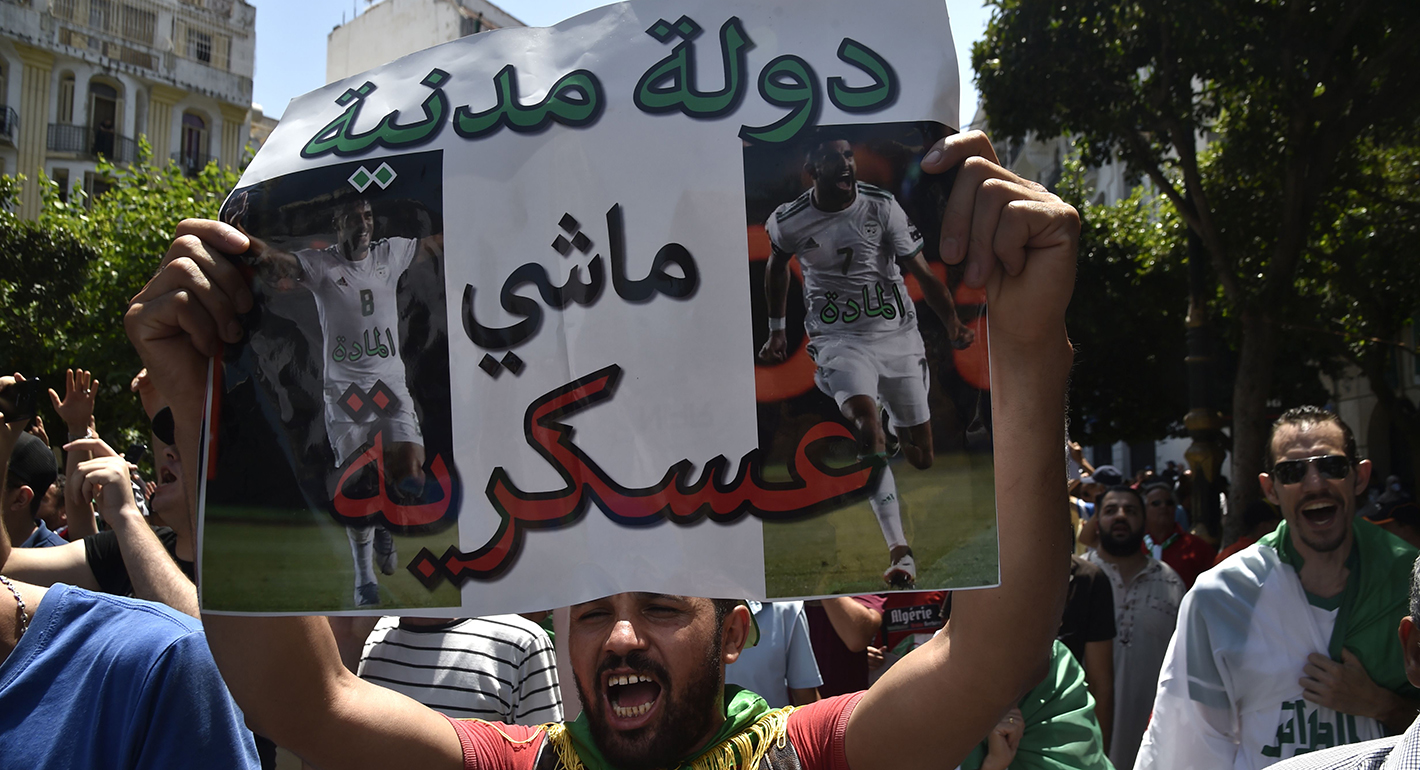
Source: Getty
For more than four months now, protesters in Algeria have been urging a clean-up of the country's politics and a new constitution.
Source: Qantara
Algeria, where power has long been firmly consolidated in a deep state, has seen mass peaceful protests since 22 February. What started as student protests against the former President Abdelaziz Bouteflika's bid to run for a fifth term after twenty years in power, grew to a nationwide movement pushing for a clean cut from the past and a new republic with a new constitution.
There is no date scheduled for elections in Algeria after a ballot slated for 4 July was postponed in early June.IAs a result of the extended protests, the military, the real locus of power in Algeria, switched its allegiances and pressured President Bouteflika to renounce his bid to retain his rule. Several political figures, powerful former intelligence chiefs, business tycoons close to the Bouteflika inner circle and the brother of the former president, Saïd, have since been arrested and investigated on corruption charges. In application of article 102 of the constitution, Abdelkader Bensalah, who heads the National People's Assembly (NPA), was appointed as interim president with a caretaker government. In the absence of a date for the next elections, it seems that Bensalah's mandate, which expired on 7 July, will likely be extended until the next presidential election.
Former Senior Resident Scholar, Malcolm H. Kerr Carnegie Middle East Center
Dalia Ghanem was a senior resident scholar at the Malcolm H. Kerr Carnegie Middle East Center in Beirut, where her research focuses on Algeria’s political, economic, social, and security developments. Her research also examines political violence, radicalization, civil-military relationships, transborder dynamics, and gender.
Recent Work
Dalia Ghanem


Frances Z. Brown, Judy Dempsey, Dalia Ghanem, …
Carnegie does not take institutional positions on public policy issues; the views represented herein are those of the author(s) and do not necessarily reflect the views of Carnegie, its staff, or its trustees.
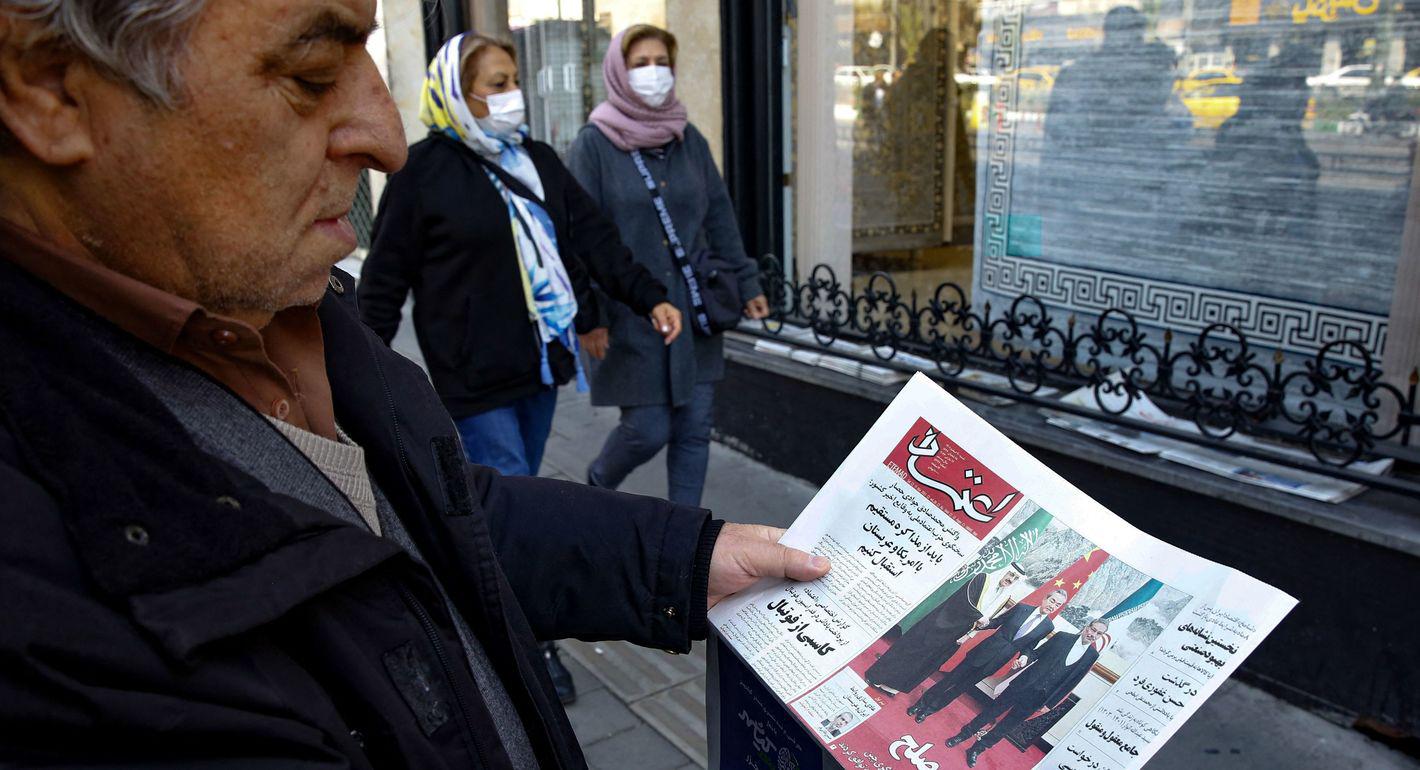
Transactional relationships are stable but can be shallow.


Paul Haenle, Maha Yahya, Benjamin Ho, …
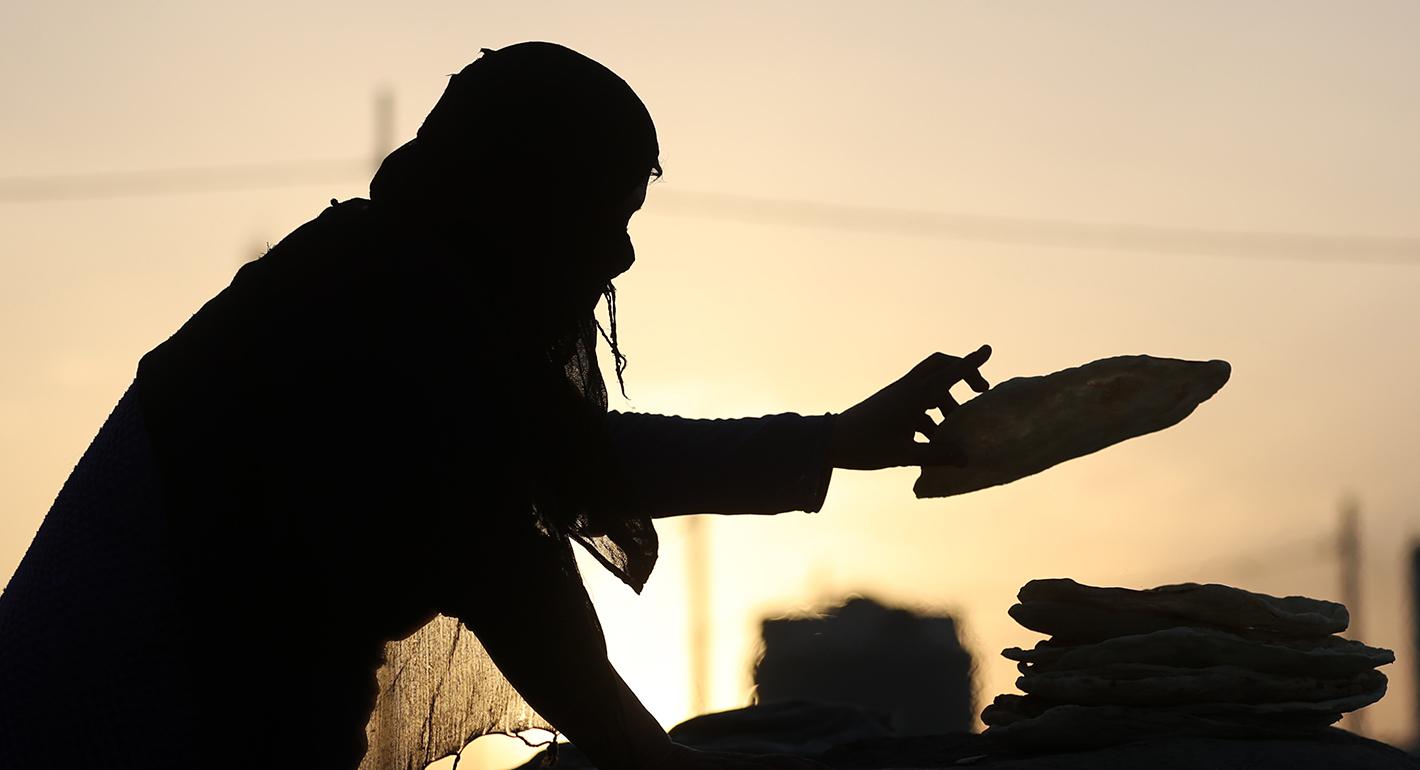
It’s about managing oil prices, bread prices, and strategic partnerships.



Amr Hamzawy, Karim Sadjadpour, Aaron David Miller, …
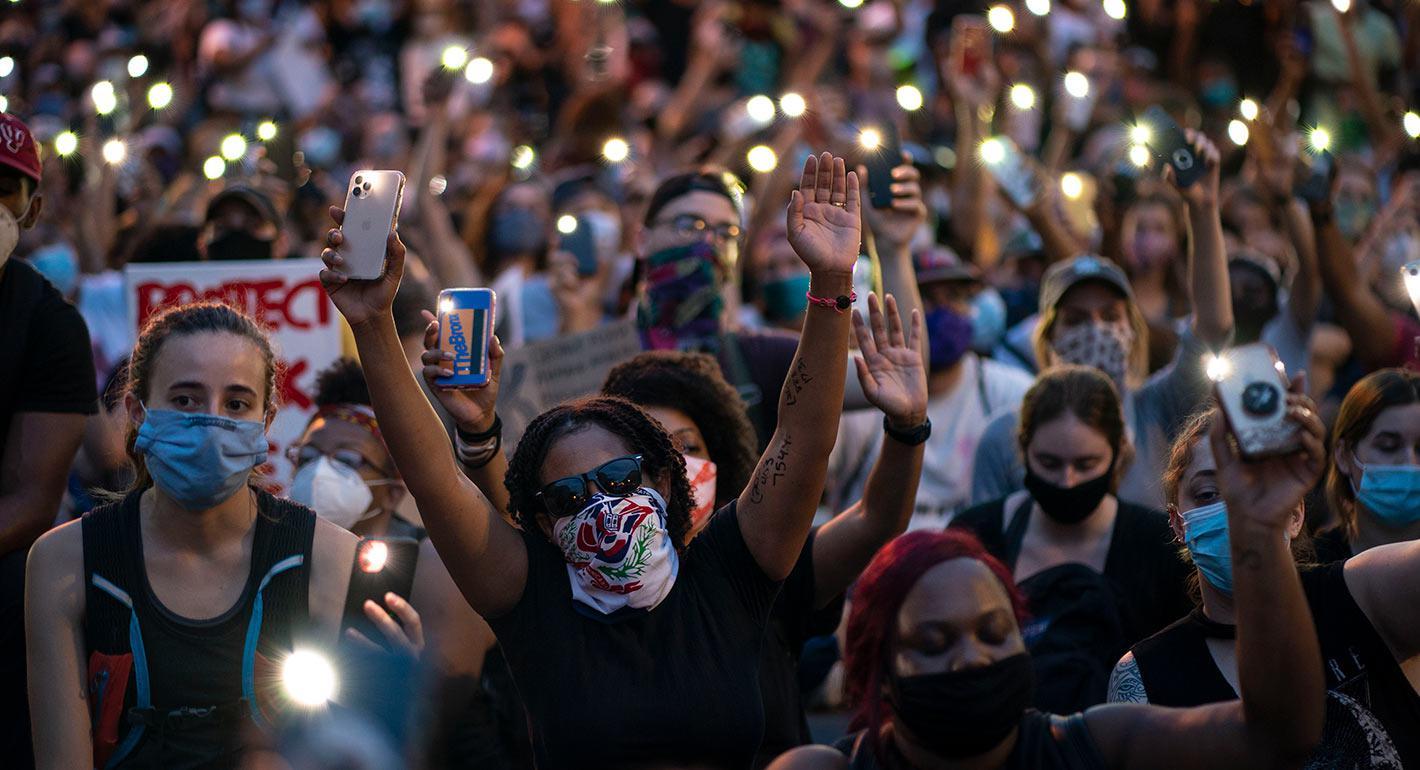
The murder of George Floyd has underscored the deep inequities that have long plagued American society. In a note to the Carnegie community, Bill Burns reflects on Carnegie’s commitment to build a more just future here at home and around the world, without which peace will remain beyond our grasp.
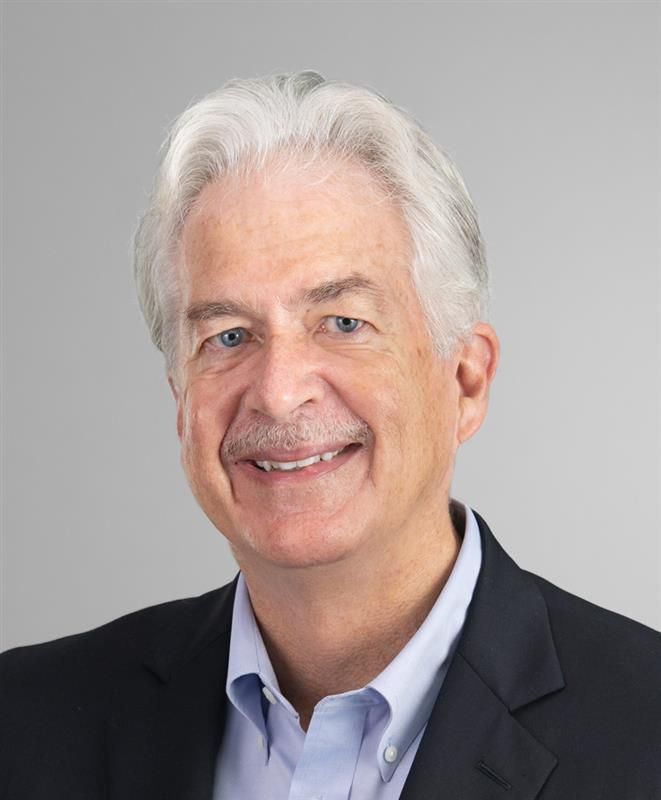
William J. Burns
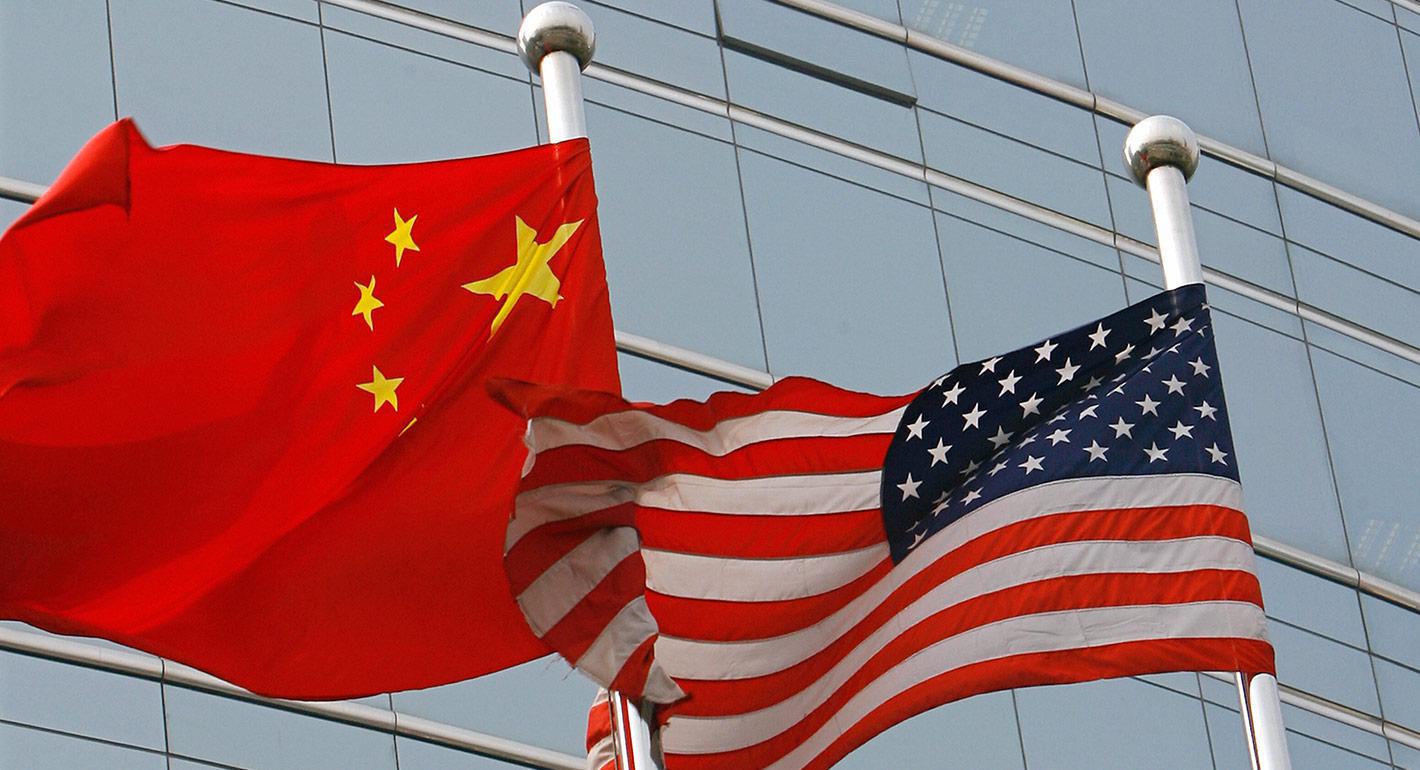
While the world hoped this pandemic might lead to more cooperation between these two great powers, American and Chinese leaders instead fell into a blame game and allowed their increasing suspicions to guide their decision-making.
Lyu Jinghua
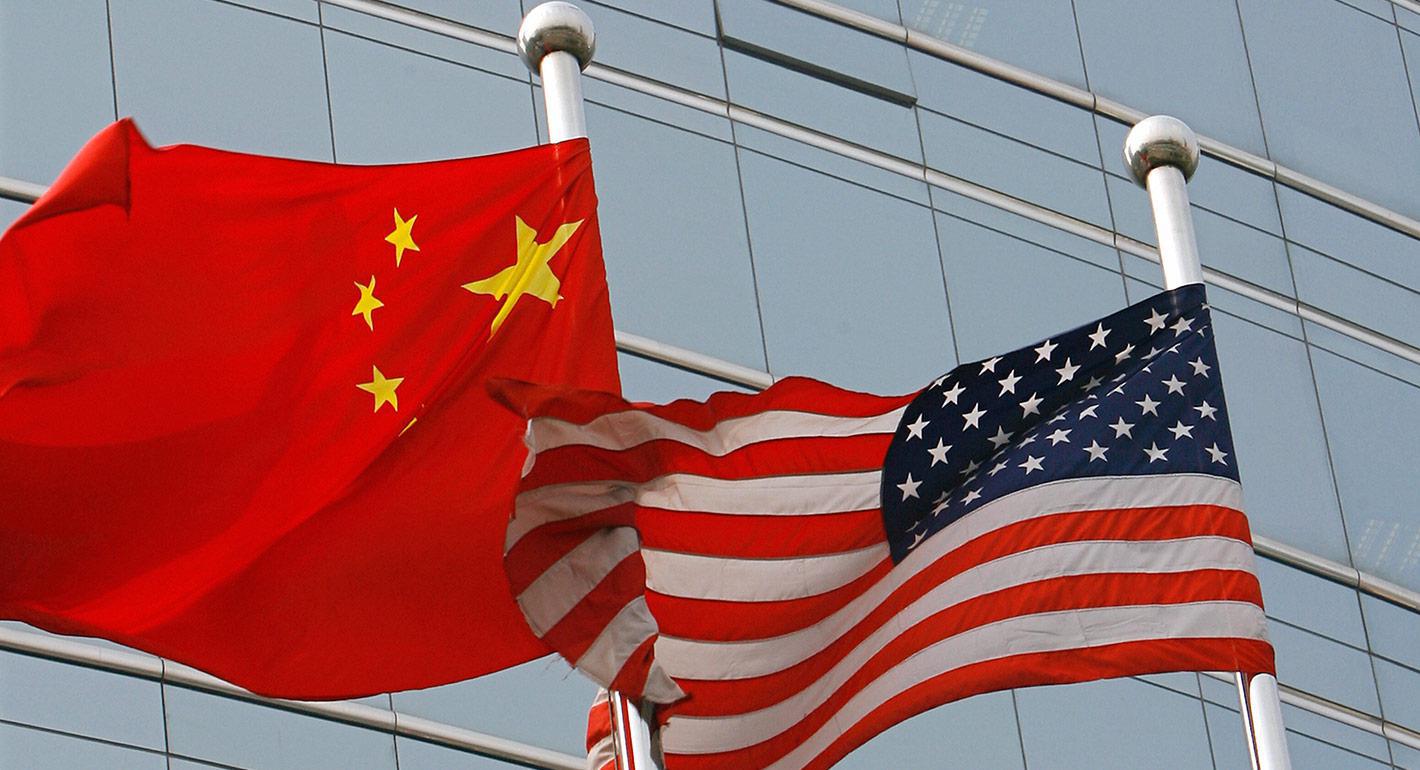
Biological viruses and computer malware differ in important respects. They have considerable potential to spread widely, invading, disrupting and destroying their targets.
Ariel (Eli) Levite, Lyu Jinghua