

Paper
- +3
Rajesh Bansal, Anirudh Burman, Rudra Chaudhuri, …
{
  "authors": [
    "Srinath Raghavan"
  ],
  "type": "legacyinthemedia",
  "centerAffiliationAll": "",
  "centers": [
    "Carnegie Endowment for International Peace",
    "Carnegie India"
  ],
  "collections": [],
  "englishNewsletterAll": "",
  "nonEnglishNewsletterAll": "",
  "primaryCenter": "Carnegie India",
  "programAffiliation": "",
  "programs": [],
  "projects": [],
  "regions": [
    "South Asia",
    "India"
  ],
  "topics": [
    "Domestic Politics"
  ]
}
Source: Getty
The Kashmir valley has lately been aswirl with rumours of an impending move by the central government to scrap Article 35A of the Indian Constitution.
Source: Print
The Kashmir valley has lately been aswirl with rumours of an impending move by the central government to scrap Article 35A of the Constitution. The article, which prevents anyone who is not a state subject of Jammu & Kashmir from purchasing property and settling in the state, is seen as a vital safeguard for the autonomy of J&K.
Its removal, Kashmiris fear, would pave the way for a demographic transformation of the Valley. While the article has been on peoples’ mind owing to petitions in the Supreme Court challenging its validity, the latest bout of speculation has been triggered by concerns about increased paramilitary deployment in J&K, allegedly to contain the public fall-out from the scrapping of the article.

Nonresident Senior Fellow
Srinath Raghavan is a nonresident senior fellow at Carnegie India. His primary research focus is on the contemporary and historical aspects of India’s foreign and security policies.
Recent Work


Rajesh Bansal, Anirudh Burman, Rudra Chaudhuri, …
Srinath Raghavan
Carnegie does not take institutional positions on public policy issues; the views represented herein are those of the author(s) and do not necessarily reflect the views of Carnegie, its staff, or its trustees.

China’s political future will be shaped between now and next October. As the Communist Party enters its intense “campaign season” to prepare for a major political transition in 2027, reading Beijing's actions and responses may become more difficult as domestic politics weigh on its behavior more than usual.

Damien Ma

In the latest Five-Year Plan, the Chinese president cements the shift to an innovation-driven economy over a consumption-driven one.
Damien Ma
While China will remain a significant political and economic force in the Global South, its ambition to leverage the Global South as a counterbalance to the United States and the Global North is far from assured.

Xue Gong
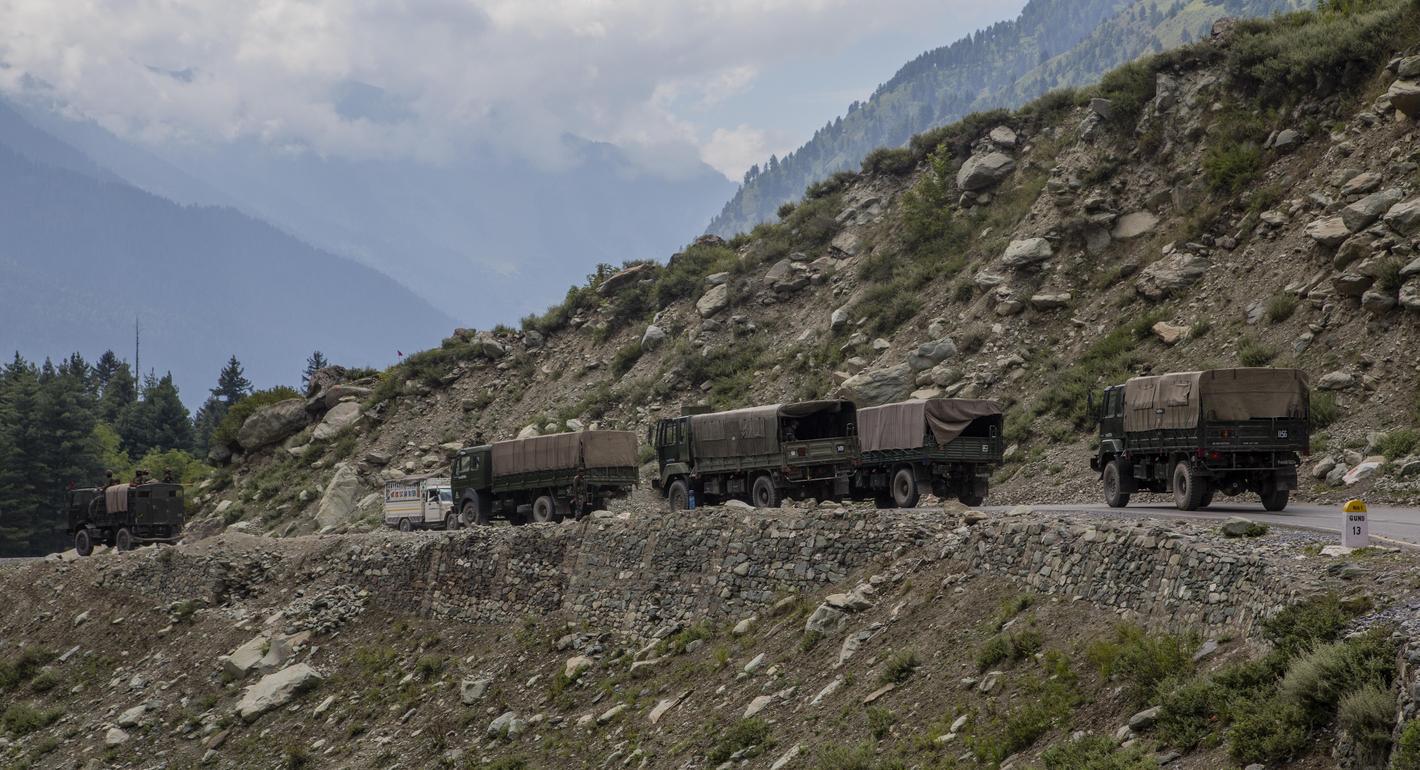
Can China and India disengage from contested territories along the border?

Paul Haenle, Ashley J. Tellis, Han Hua, …
The government extends the uncertainty with its two new taxes and digital rupee.
Anirudh Burman, Priyadarshini D.