

Paper
The nuclear relationship between China and the United States is increasingly shaped by widening perception gaps rather than deliberate strategic design.
Tong Zhao
{
  "authors": [
    "Matias Spektor",
    "Togzhan Kassenova",
    "Lucas Perez Florentino"
  ],
  "type": "other",
  "centerAffiliationAll": "dc",
  "centers": [
    "Carnegie Endowment for International Peace"
  ],
  "collections": [],
  "englishNewsletterAll": "ctw",
  "nonEnglishNewsletterAll": "",
  "primaryCenter": "Carnegie Endowment for International Peace",
  "programAffiliation": "NPP",
  "programs": [
    "Nuclear Policy"
  ],
  "projects": [],
  "regions": [
    "North America",
    "South America"
  ],
  "topics": [
    "Nuclear Policy",
    "Nuclear Energy"
  ]
}
Source: Getty
Brazilian President Jair Bolsonaro has unveiled plans for an ambitious transformation of the country’s nuclear policy. Achieving this vision will require an updated regulatory framework to respond to new challenges.
Source: Arms Control Today
Promising a shake-up of Brazil’s policies, the far-right Jair Bolsonaro won the nation’s presidential elections in October 2018. A staunch supporter of U.S. President Donald Trump, from whose playbook he borrowed extensively on his rise to power, Bolsonaro unveiled plans for an ambitious transformation of the country’s nuclear policy.
Some seeds for change had been planted before he came to power, as an official working group set up by his predecessor drafted new principles and guidelines to govern the country’s nuclear sector,1 but Bolsonaro’s administration doubled down on implementing a fast-paced reform from the outset. In the last eight months alone, the president began to open up the nuclear sector to private investment, substituted old tenets of nuclear diplomacy for new ones, and restated ambitious plans to acquire additional capabilities. Over the next decade, Brazil aims to launch a nuclear-powered submarine, produce naval nuclear fuel, explore new uranium mines, construct a third nuclear power plant, expand uranium-enrichment capacity, and launch a new research reactor.
The Brazilian government is undergoing a massive program of fiscal adjustment to curb public spending, so the administration reasons that if it is to maintain and extend its nuclear capabilities, it needs to invite private investment into a field that has traditionally relied on public funds alone.
To achieve these nuclear ambitions, not only will Brazil require an updated regulatory framework capable of unlocking public-private partnerships, but also one that responds to growing demands for strengthened nuclear safety and security, and improving oversight to curb the risk of political corruption and embezzlement.
The full version of this article was published in the September 2019 edition of Arms Control Today.
Former Nonresident Scholar, Sustainability, Climate, and Geopolitics Program
Matias Spektor was a nonresident scholar affiliated with the Sustainability, Climate, and Geopolitics Program at the Carnegie Endowment for International Peace.
Former Nonresident Fellow, Nuclear Policy Program
Kassenova was a nonresident fellow in the Nuclear Policy Program at the Carnegie Endowment.
Lucas Perez Florentino
Carnegie does not take institutional positions on public policy issues; the views represented herein are those of the author(s) and do not necessarily reflect the views of Carnegie, its staff, or its trustees.

The nuclear relationship between China and the United States is increasingly shaped by widening perception gaps rather than deliberate strategic design.

Tong Zhao
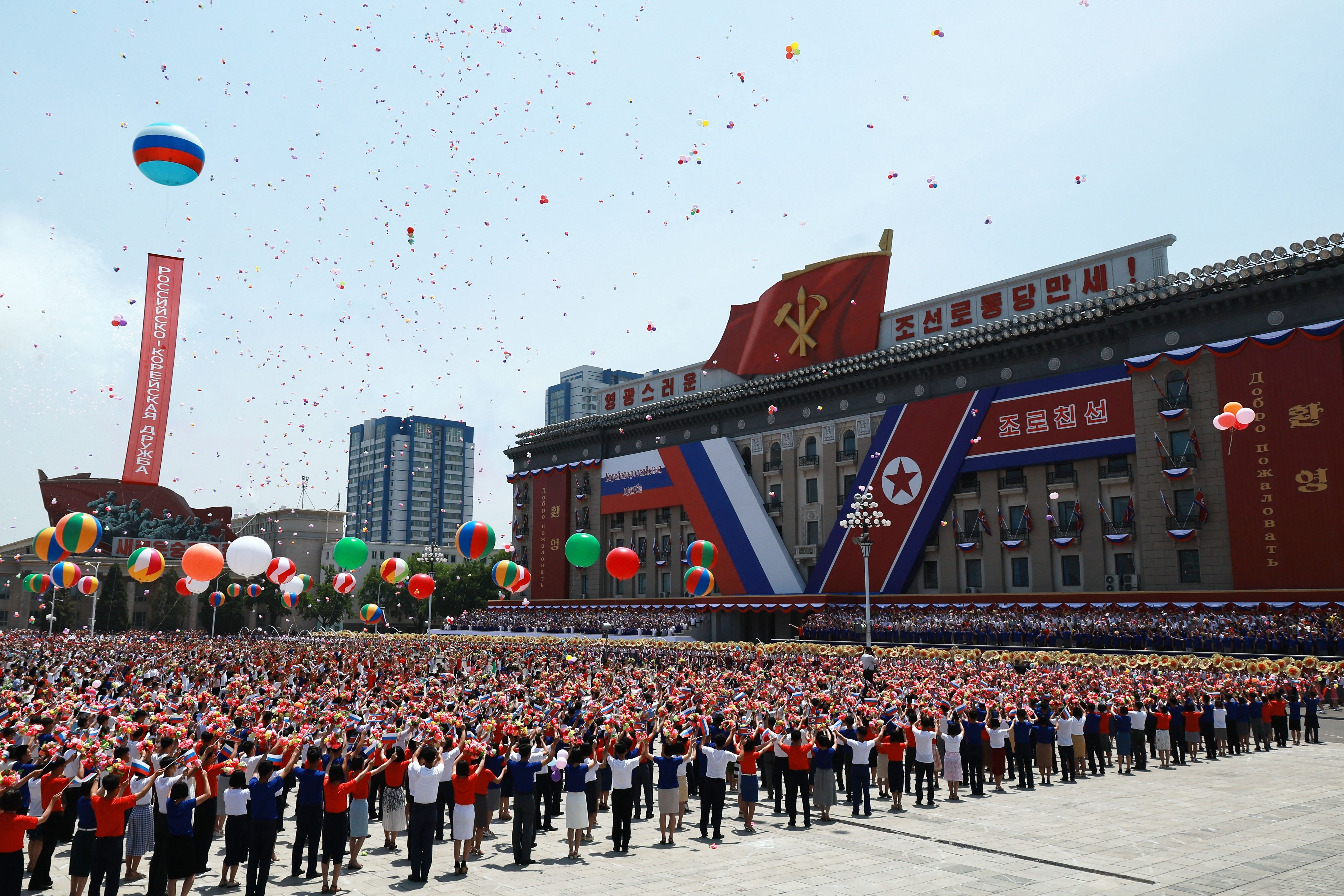
Faced with an increase in strategic maneuvering by Moscow and Pyongyang, Beijing will not sit idly by and allow Putin and Kim to shape the security environment on its behalf.
Tong Zhao
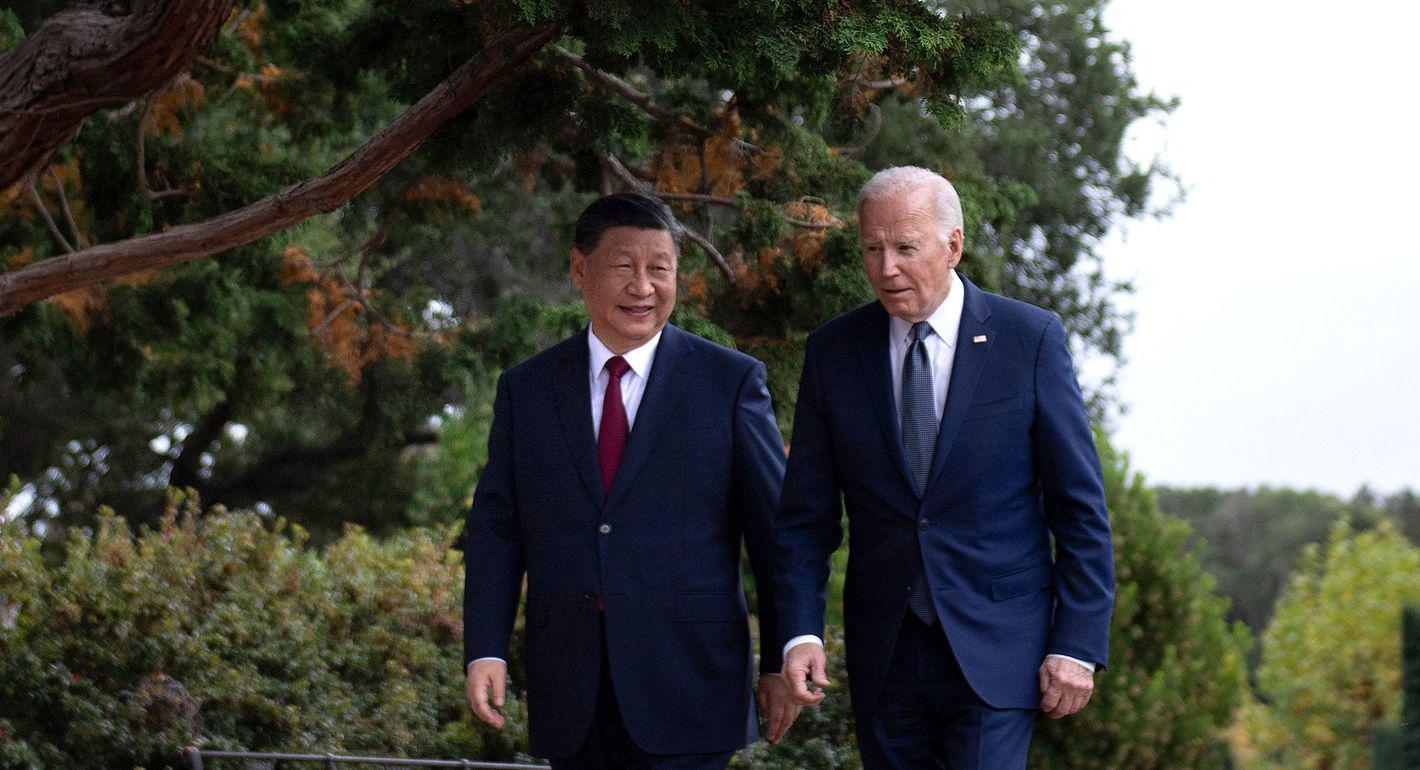
Carnegie China scholars share their assessment of the Biden-Xi meeting and its implications for U.S.-China relations going forward.



Paul Haenle, Xue Gong, Ngeow Chow Bing, …
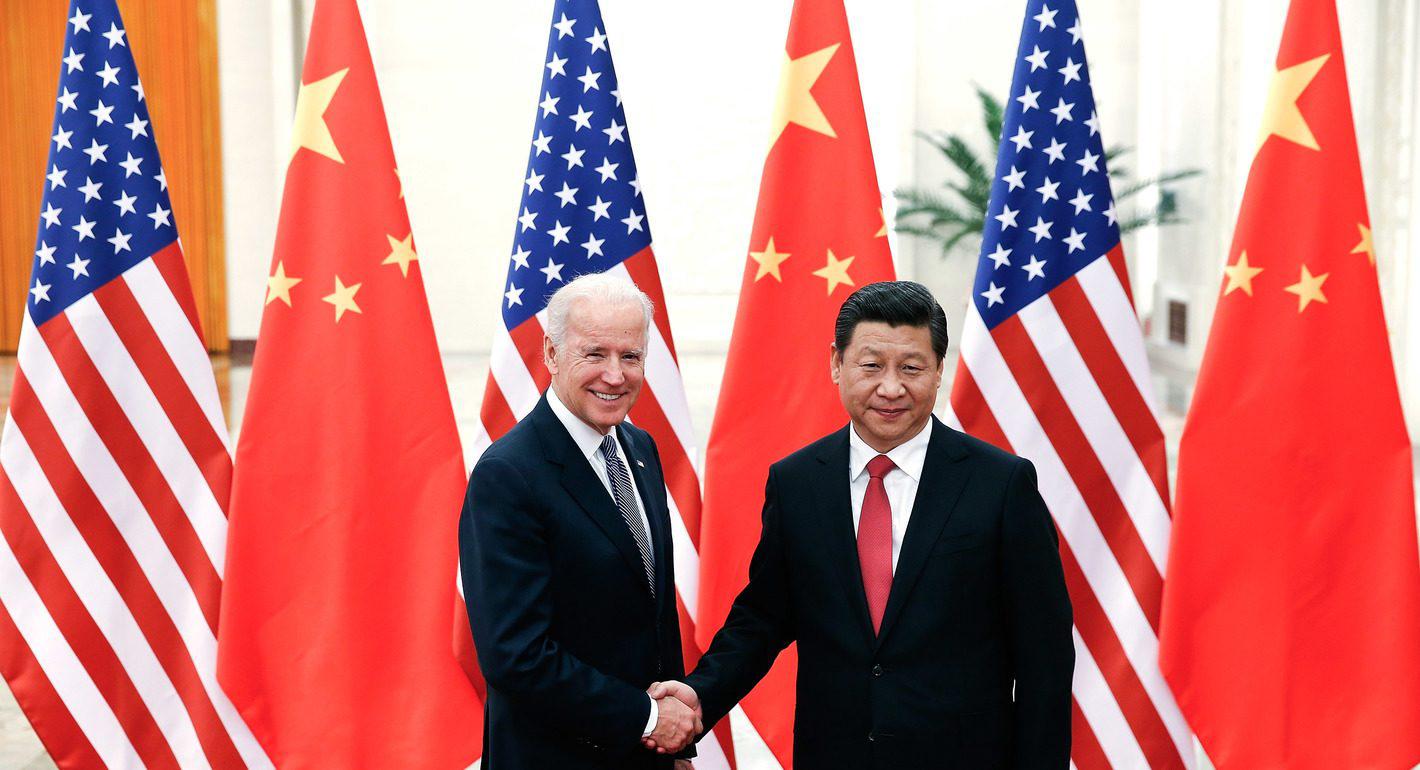
Southeast Asian capitals would prefer that the U.S. and PRC manage their relationship, if not get along.

Paul Haenle, Chong Ja Ian
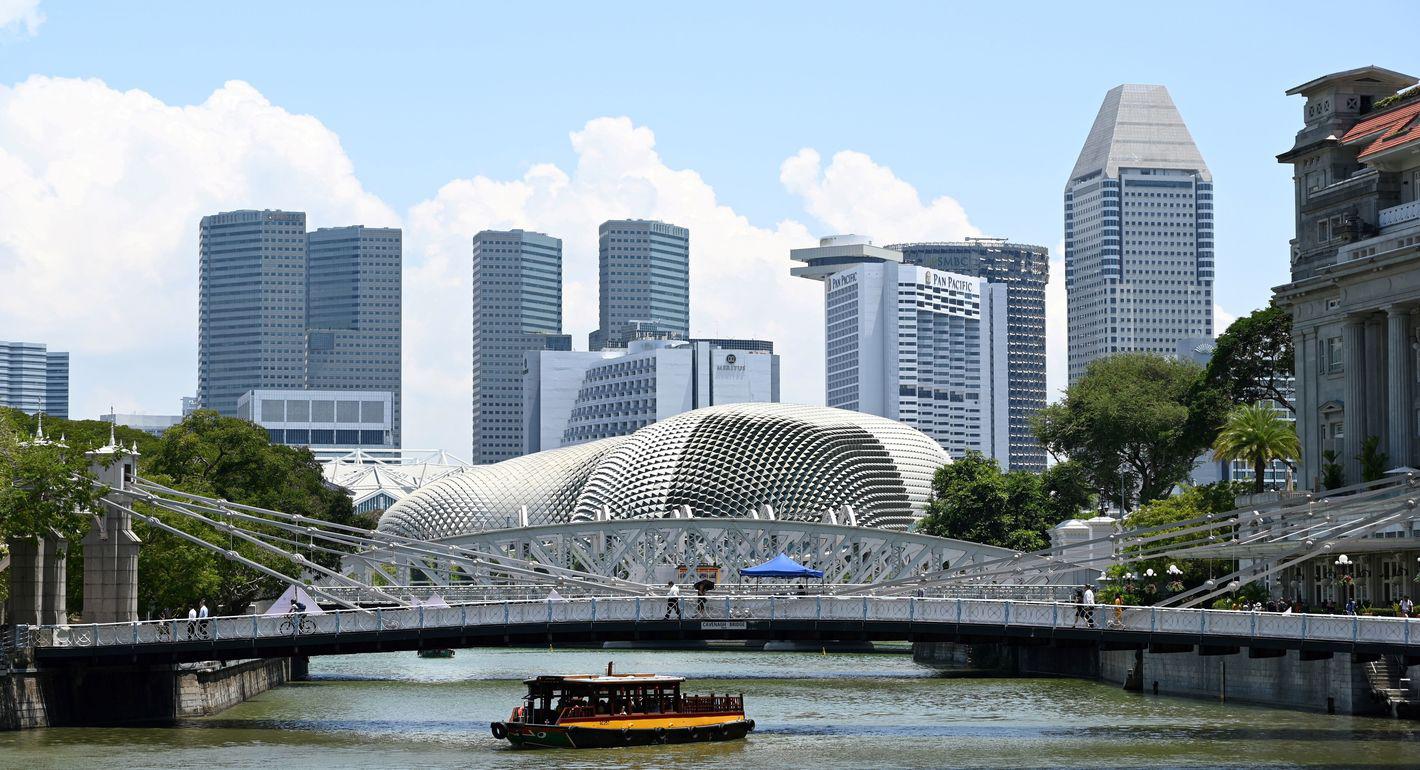
As the world undergoes a new round of fragmentation and major power rivalry that includes the advancing of divergent visions of global order, Singapore is discovering that its interests are increasingly being pulled in different directions.
Chong Ja Ian