

Commentary
It’s about managing oil prices, bread prices, and strategic partnerships.
- +8
Amr Hamzawy, Karim Sadjadpour, Aaron David Miller, …
{
  "authors": [
    "The Working Group On Egypt"
  ],
  "type": "other",
  "centerAffiliationAll": "dc",
  "centers": [
    "Carnegie Endowment for International Peace"
  ],
  "collections": [],
  "englishNewsletterAll": "menaTransitions",
  "nonEnglishNewsletterAll": "",
  "primaryCenter": "Carnegie Endowment for International Peace",
  "programAffiliation": "MEP",
  "programs": [
    "Middle East"
  ],
  "projects": [],
  "regions": [
    "North Africa",
    "Egypt"
  ],
  "topics": []
}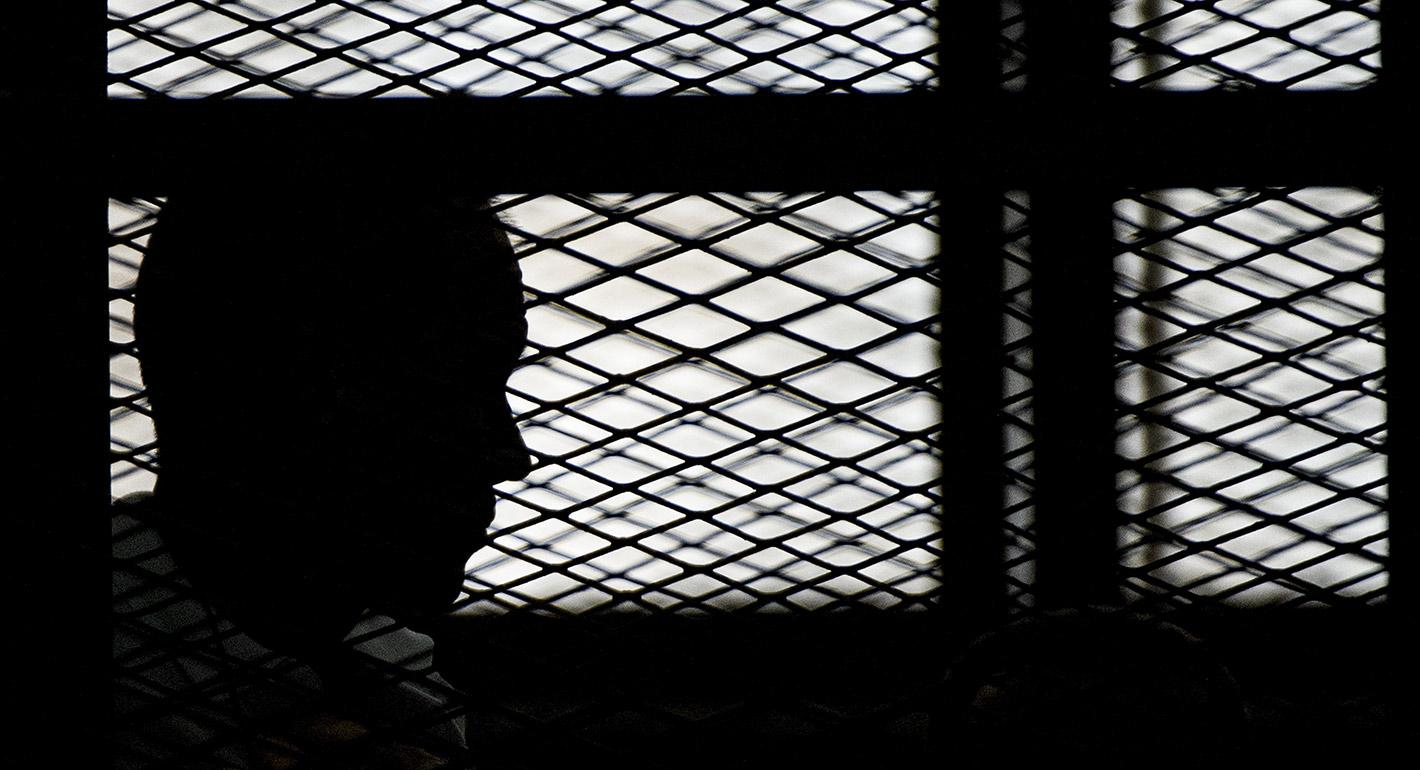
Source: Getty
The death of Mustafa Kassem, a U.S. citizen incarcerated by the Egyptian government since August 2013, represents a failure of U.S. policy toward Egypt
January 16, 2020
The Working Group on Egypt is deeply saddened by the January 13 death of U.S. citizen Mustafa Kassem in a Cairo hospital, after a long hunger strike to protest his unjust imprisonment and inhumane detention conditions. Mr. Kassem had been incarcerated in Egypt since August 2013; he was serving a baseless and politically motivated 15-year sentence after being convicted in a mass trial. We hold the Government of Egypt responsible for this entirely avoidable death, which represents yet another stain on Egyptian President Abdel Fattah al-Sisi’s government and on U.S.-Egyptian relations.
Mr. Kassem’s death at the hands of a purported U.S. partner whose leader has been praised by the Trump administration also represents a failure of U.S. policy towards Egypt. Changes are needed immediately in order to save the lives of at least six more U.S. citizens currently imprisoned in Egypt on politicized charges, as well as those of thousands of Egyptian detainees:
Following the shocking death in detention of former Egyptian President Mohamed Morsi, who also was denied appropriate medical care and suffered other abuses in prison, we wrote to Secretary of State Michael Pompeo in June 2019 to urge U.S. action in response to the abysmal conditions of thousands of political detainees in Egypt, including Mr. Kassem and several other U.S. citizens. Secretary Pompeo responded that he shared our concerns, and that the Trump administration would “continue to engage with Egyptian authorities at the highest levels on these issues.” The failure to release Mr. Kassem, despite high-level U.S. officials raising his case repeatedly, suggests that al-Sisi believes he can act with impunity.
A resolute response to Mr. Kassem’s death is essential and expected, given the assertion by senior officials that freeing wrongly detained Americans abroad is a foreign policy priority. If it does not do so in this case, the administration will have demonstrated that President Trump’s stated commitment to defend Americans abroad is selective and does not apply to all foreign governments.
Following Kassem’s death, Senator Patrick Leahy (D-VT) issued a statement holding al-Sisi “personally responsible” and urged the White House and Congress to “recognize that we cannot continue to reward such reprehensible conduct” by a purported U.S. partner. We in the Working Group agree; past failures to hold Egypt accountable for transgressions against U.S. interests, values, and persons have emboldened al-Sisi’s government to disregard U.S. concerns. Tragically, this pattern of impunity has now culminated in the death of an innocent man, father, and husband. The fates of at least six more American citizens, along with several U.S. legal permanent residents, who remain unjustly imprisoned and mistreated in detention in Egypt, hang in the balance.
Background:
Mostafa Kassem, from New York, was on a family visit to Egypt in August 2013 when he was arbitrarily arrested, beaten, and then charged--without cause--with “illegal protesting to overthrow the government.” Based on an eyewitness account from his brother-in-law, it appears that Mr. Kassem was arrested after he presented his U.S. passport, suggesting that he was possibly targeted because of his American nationality. After nearly five years in pre-trial detention, during which he was reportedly tortured and denied medical care, Mr. Kassem was sentenced in September 2018 to 15 years in prison, following a mass trial with more than 700 defendants. The court never provided any individualized evidence in support of the charges against him. Immediately after this conviction Mr. Kassem began a liquid-only hunger strike. According to his family the prison authorities denied him medical care for this and other pre-existing health conditions, including diabetes and heart problems. Mr. Kassem’s health continued to deteriorate severely and, after he ceased taking liquids, on January 9 he was transferred to a local hospital where he died.
Amy Hawthorne
Andrew Miller
Stephen McInerney
Michele Dunne (co-chair)
Ken Wollack
Tamara Wittes
Reuel Gerecht
Sarah Margon
Robert Kagan (co-chair)
Neil Hicks
Thomas Hill
The Working Group on Egypt is a bipartisan group of foreign affairs experts formed in 2010.
The Working Group On Egypt
Carnegie does not take institutional positions on public policy issues; the views represented herein are those of the author(s) and do not necessarily reflect the views of Carnegie, its staff, or its trustees.

It’s about managing oil prices, bread prices, and strategic partnerships.



Amr Hamzawy, Karim Sadjadpour, Aaron David Miller, …
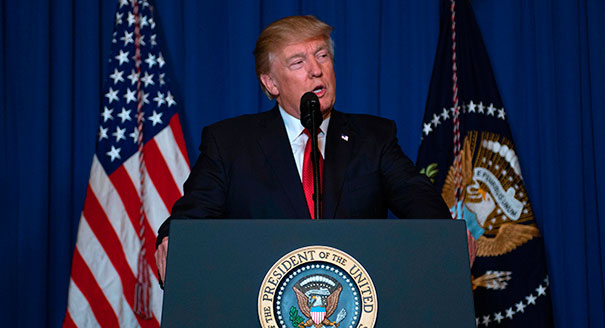
It remains to be seen whether recent foreign policy pivots by the Trump administration amount to a departure from its earlier views about America’s role in the world.
William J. Burns

China’s relationship with Africa is becoming increasingly more complex as the country continues to invest and send workers across 54 countries on the continent.

Matt Ferchen
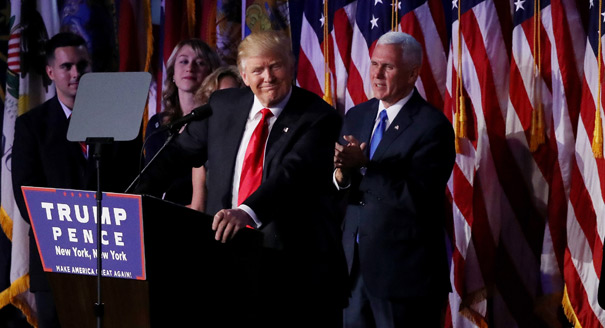
The world reacts to the election of Donald Trump and its potential implications.


Thomas Carothers, Lizza Bomassi, Amr Hamzawy, …
The Islamic State’s ideology is multifaceted and cannot be traced to one individual, movement, or period. Understanding it is crucial to defeating the group.
Hassan Hassan