

Paper
Richard Youngs, Thomas Carothers
{
  "authors": [
    "Thomas Carothers"
  ],
  "type": "legacyinthemedia",
  "centerAffiliationAll": "",
  "centers": [
    "Carnegie Endowment for International Peace"
  ],
  "collections": [],
  "englishNewsletterAll": "",
  "nonEnglishNewsletterAll": "",
  "primaryCenter": "Carnegie Endowment for International Peace",
  "programAffiliation": "",
  "programs": [],
  "projects": [],
  "regions": [],
  "topics": [
    "Political Reform"
  ]
}
Source: Getty
What the world is witnessing is less a crisis of democracy than a broader crisis of governance. The likely result is increased political flux across all types of political systems.
Source: Foreign Affairs
Gloom about the state of democracy pervades Washington and other Western capitals. Restless, insecure, and alienated citizens in many democracies are challenging their leaders on the streets, electing illiberal demagogues, or simply rejecting all of the political choices available to them. Meanwhile, China, Russia, and several other authoritarian powers are growing more assertive and self-confident, claiming that democracy’s time has passed and working to bolster fellow autocrats.
Yet all this attention on the decline of democracy has obscured a story that is just as important: many authoritarians, dictators, and other nondemocratic leaders are also in trouble. Just like their peers in free countries, many citizens in nondemocracies are deeply frustrated with their political systems and have in the last several years been acting on that unhappiness by challenging those in power. The central political dynamic of the current moment is thus not the gradual eclipsing of democracy by authoritarianism. It is, rather, the growing difficulty of political elites in all types of regimes to satisfy the demands of their citizens.

Harvey V. Fineberg Chair for Democracy Studies; Director, Democracy, Conflict, and Governance Program
Thomas Carothers, director of the Carnegie Endowment for International Peace’s Democracy, Conflict, and Governance Program, is a leading expert on comparative democratization and international support for democracy.
Recent Work

Richard Youngs, Thomas Carothers

Thomas Carothers, McKenzie Carrier
Carnegie does not take institutional positions on public policy issues; the views represented herein are those of the author(s) and do not necessarily reflect the views of Carnegie, its staff, or its trustees.
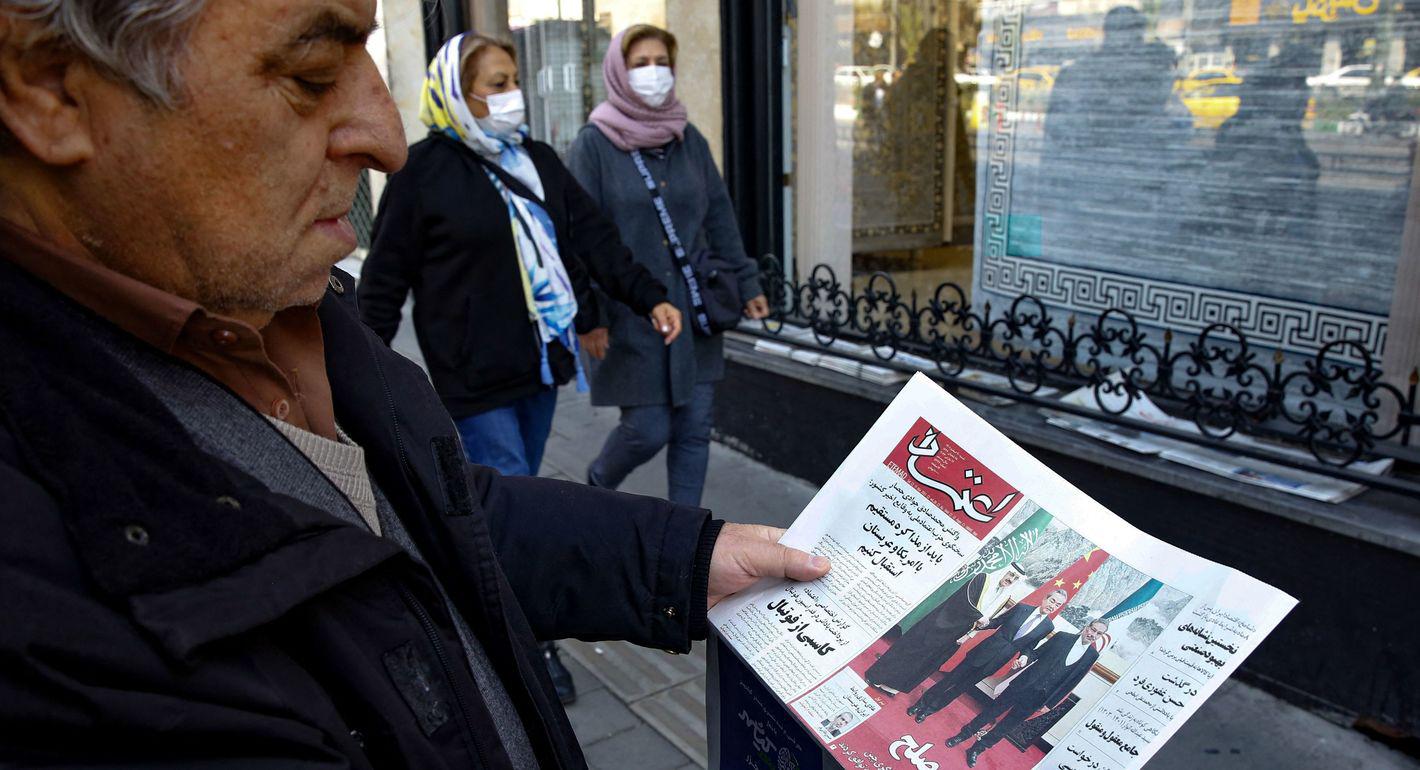
Transactional relationships are stable but can be shallow.



Paul Haenle, Maha Yahya, Benjamin Ho, …

It’s about managing oil prices, bread prices, and strategic partnerships.



Amr Hamzawy, Karim Sadjadpour, Aaron David Miller, …
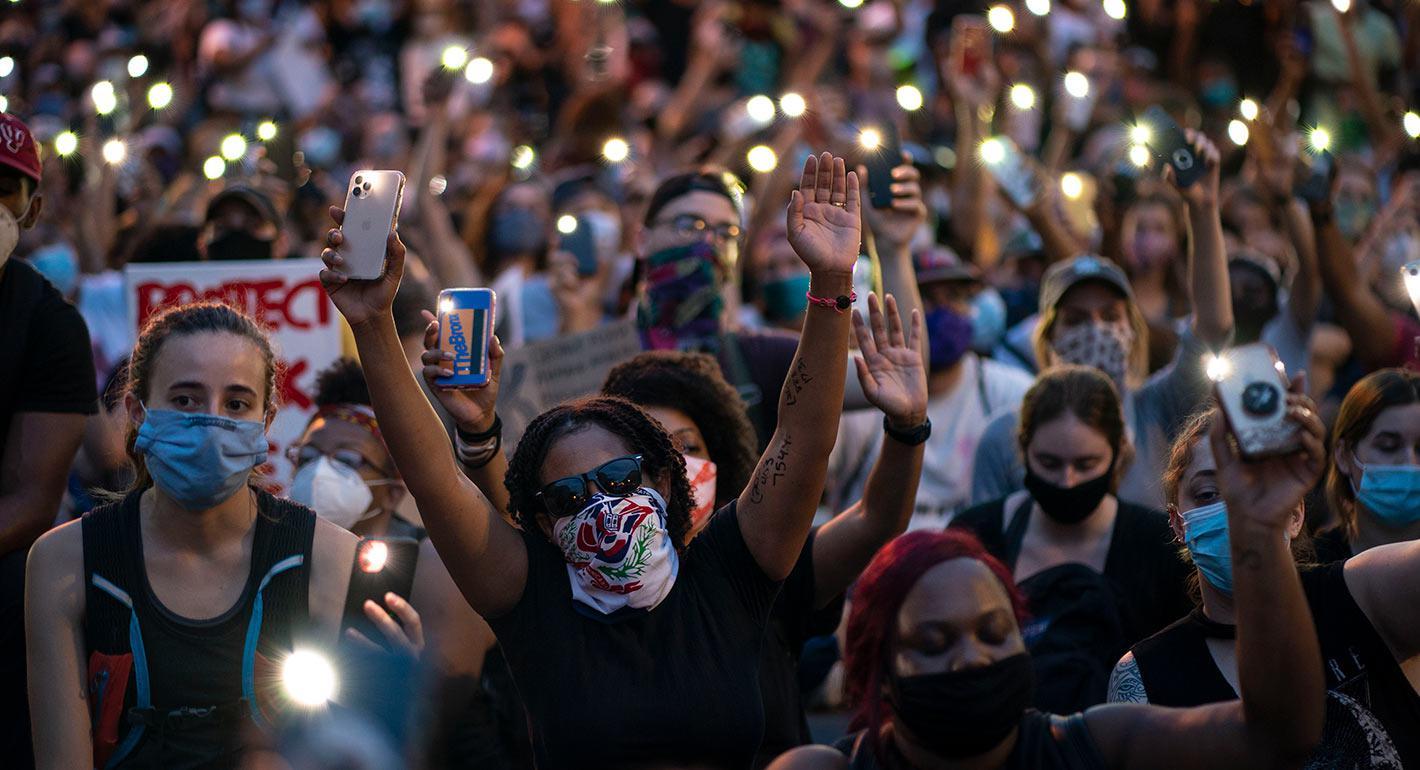
The murder of George Floyd has underscored the deep inequities that have long plagued American society. In a note to the Carnegie community, Bill Burns reflects on Carnegie’s commitment to build a more just future here at home and around the world, without which peace will remain beyond our grasp.
William J. Burns
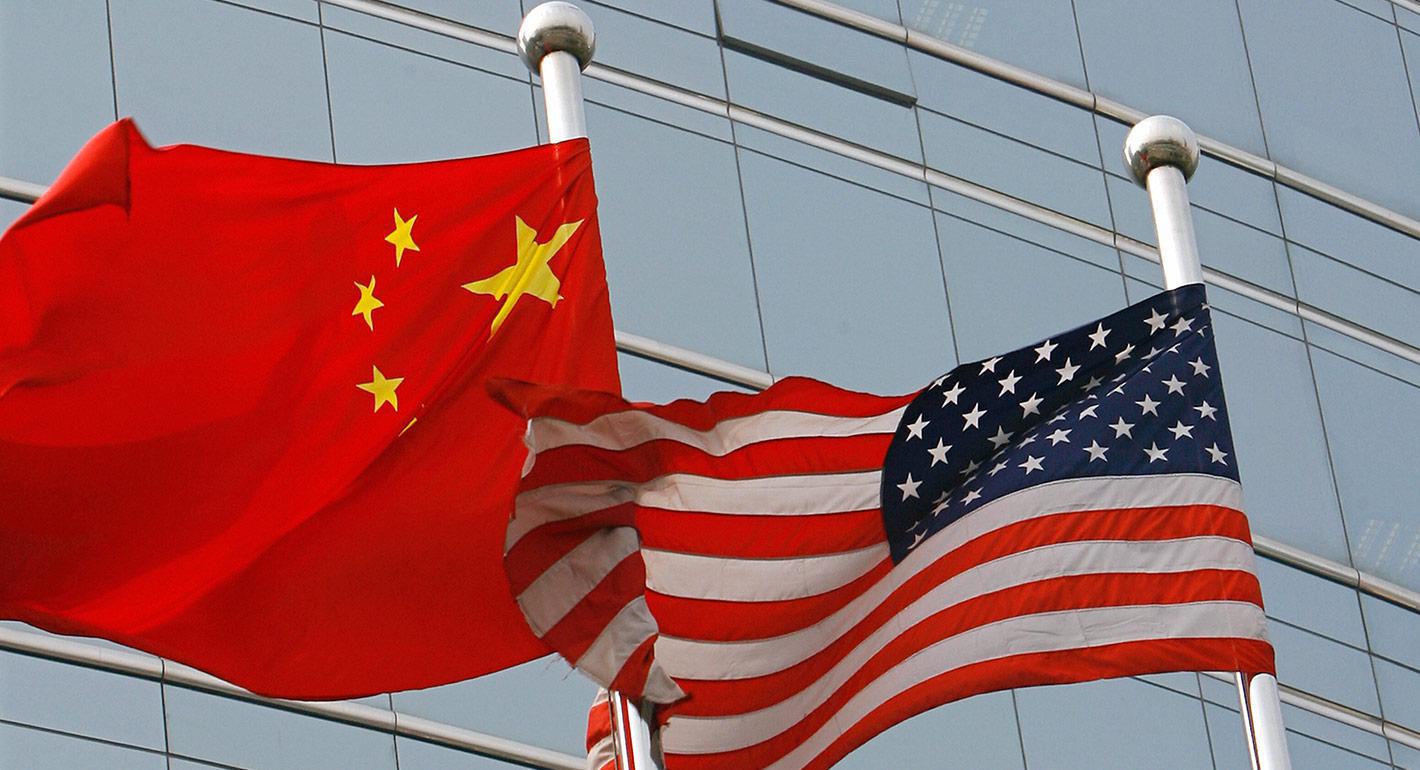
While the world hoped this pandemic might lead to more cooperation between these two great powers, American and Chinese leaders instead fell into a blame game and allowed their increasing suspicions to guide their decision-making.
Lyu Jinghua
Biological viruses and computer malware differ in important respects. They have considerable potential to spread widely, invading, disrupting and destroying their targets.

Ariel (Eli) Levite, Lyu Jinghua