

Commentary
H. A. Hellyer
{
  "authors": [
    "H. A. Hellyer"
  ],
  "type": "legacyinthemedia",
  "centerAffiliationAll": "",
  "centers": [
    "Carnegie Endowment for International Peace"
  ],
  "collections": [],
  "englishNewsletterAll": "",
  "nonEnglishNewsletterAll": "",
  "primaryCenter": "Carnegie Endowment for International Peace",
  "programAffiliation": "",
  "programs": [],
  "projects": [],
  "regions": [],
  "topics": [
    "Religion"
  ]
}
Source: Getty
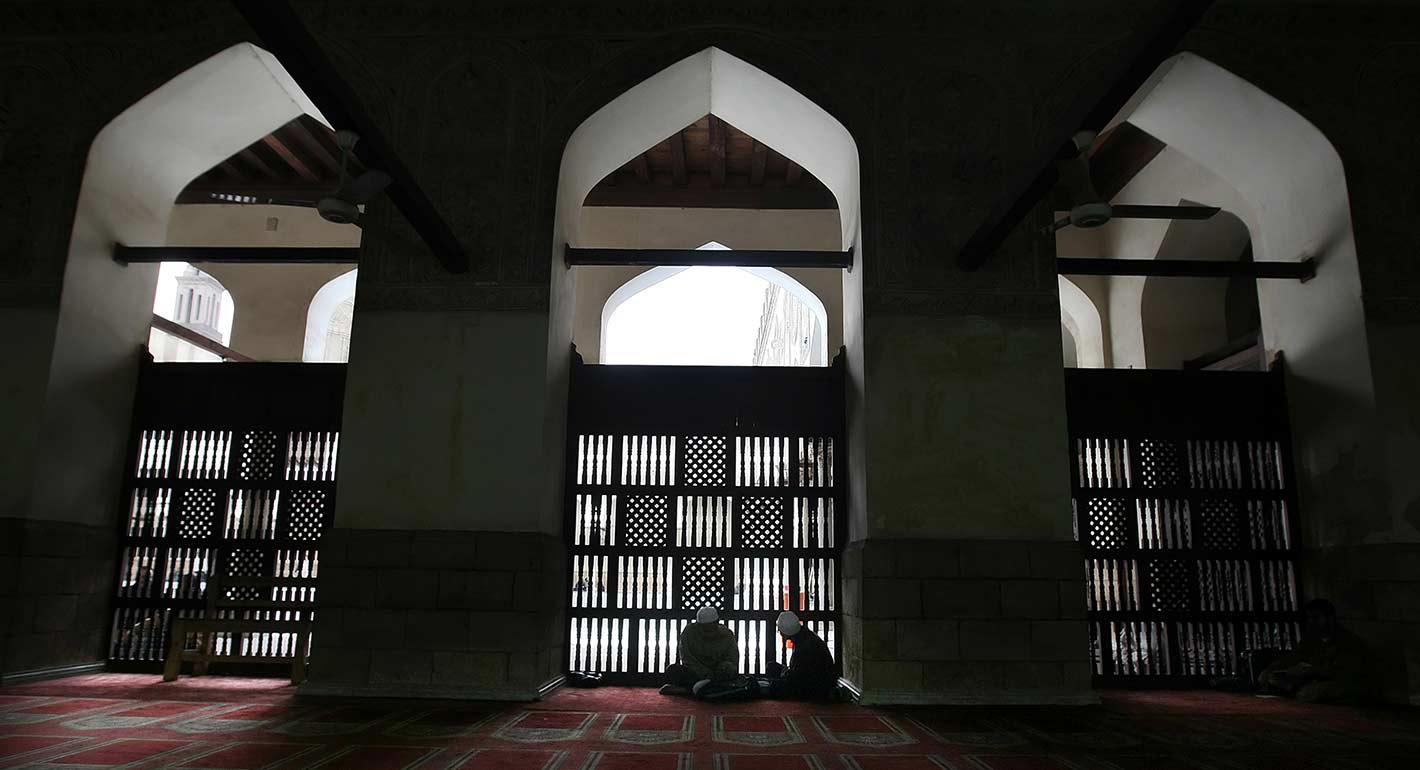
Recently, Muslims around the world have pleaded with Islamic scholars to weigh in on the pandemic to give advice and guidance.
Source: ABC AU
In many religious traditions, there are two relational axes along which our lives are understood. The first is the vertical, between the created and the Creator; the second is the horizontal, among the created and with the rest of creation. Islam has those two aspects as well, with the latter relationship always being viewed through the lens of the former. The COVID-19 pandemic has had a marked effect on the latter relationship, changing the nature of ritual worship in many ways. And at the same time, Muslim sages and scholars have reminded their flocks that the former relationship, between the Divine and those who beseech Him, remains constant and consistent — even if takes different forms in this difficult time.
Over the past week, Muslims around the world have pleaded with Islamic scholars to weigh in on the pandemic to give advice and guidance. The coronavirus directly affects congregational worship in several significant ways due to the “social distancing” advice — not least the ability to attend lessons and classes (because Islam is fundamentally a religion of learning), and funeral arrangements (because of the concern of spreading infection from people who pass away from complications arising from the virus)...
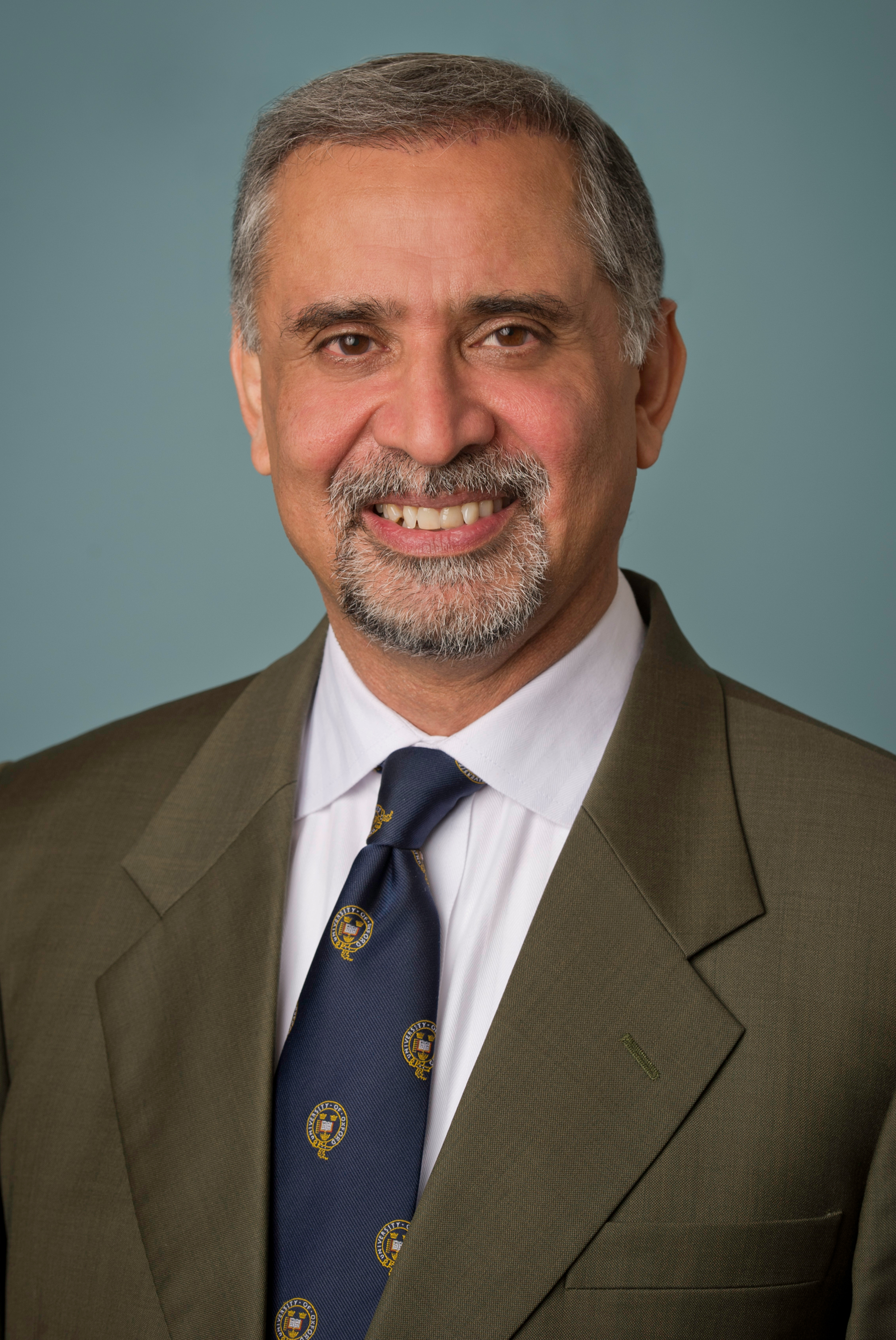
Former Nonresident Scholar, Middle East Program
Dr. H.A. Hellyer was a nonresident scholar at the Carnegie Endowment for International Peace. He serves as a senior associate fellow at the Royal United Services Institute for Defence and Security Studies in London, and as a Cambridge University fellow.
Recent Work
H. A. Hellyer
H. A. Hellyer
Carnegie does not take institutional positions on public policy issues; the views represented herein are those of the author(s) and do not necessarily reflect the views of Carnegie, its staff, or its trustees.
Buddhism has become part of a broader soft power rivalry between China and India for greater influence in Asia.
Jayadeva Ranade
In light of the most recent bout of violence in Myanmar, it is vital that the government act quickly to heal the nation's new wounds, protect ethnic minorities, and continue the important task of nation building.
Vikram Nehru