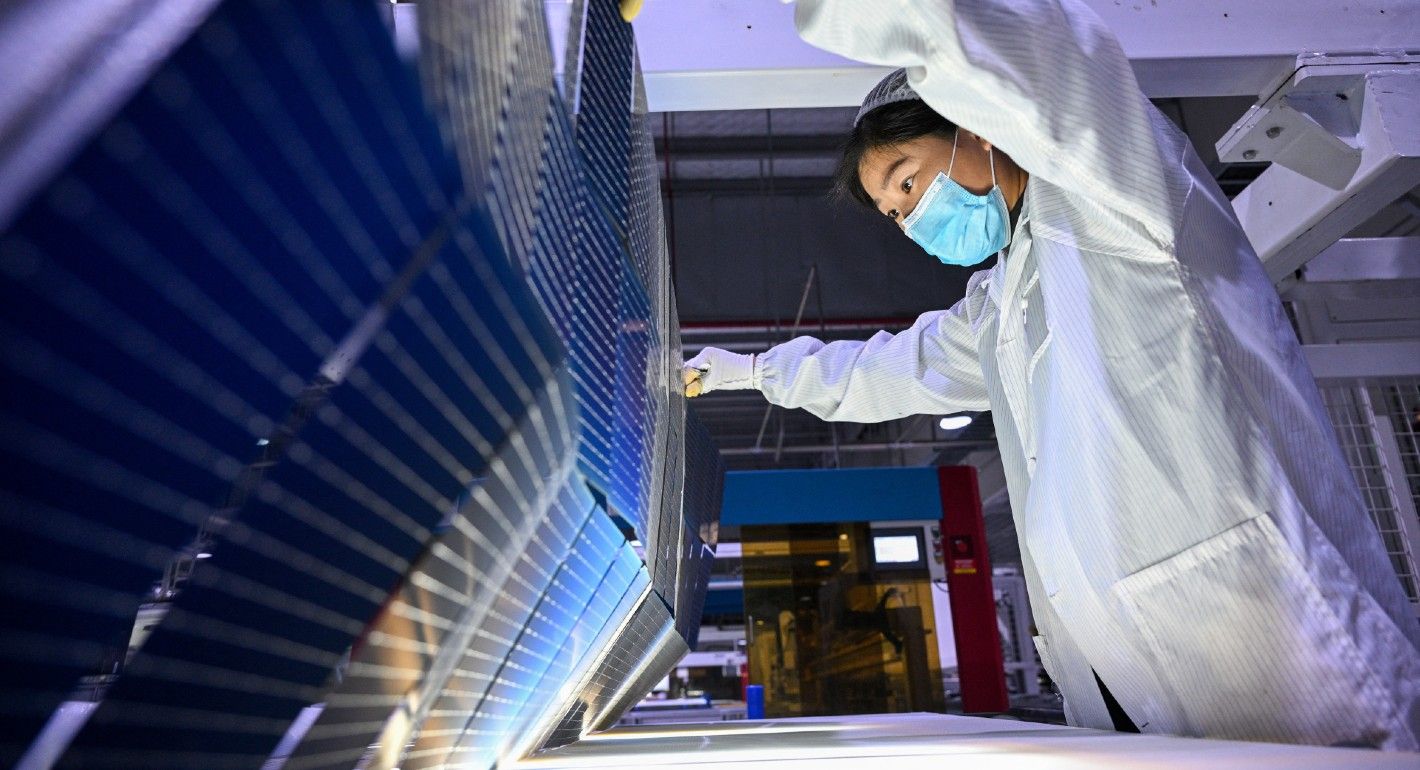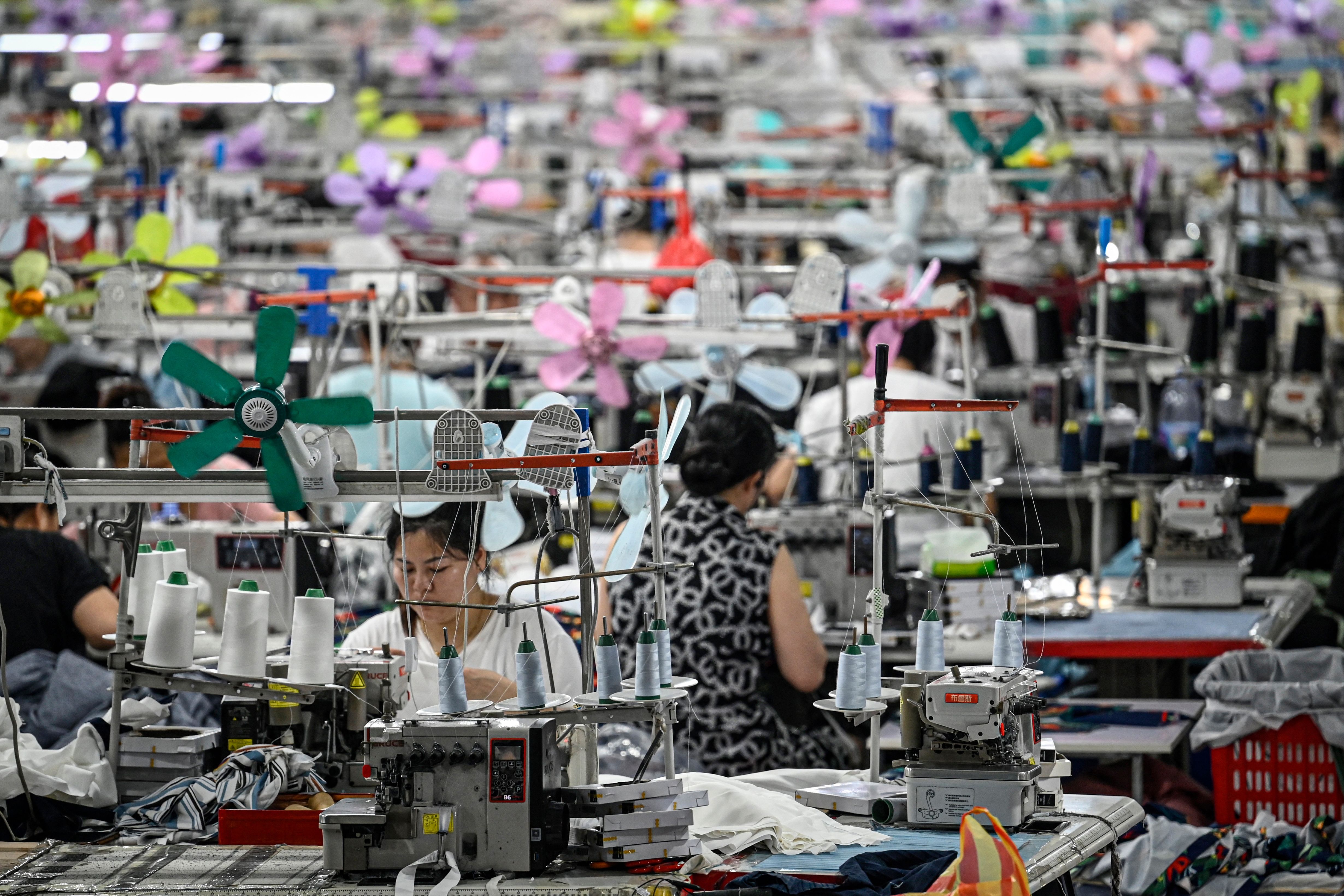


In the latest Five-Year Plan, the Chinese president cements the shift to an innovation-driven economy over a consumption-driven one.
Damien Ma
{
"authors": [
"Alexander Gabuev",
"Jamil Anderlini"
],
"type": "commentary",
"centerAffiliationAll": "",
"centers": [
"Carnegie Endowment for International Peace",
"Carnegie Russia Eurasia Center"
],
"collections": [
"Pax Sinica",
"Coronavirus"
],
"englishNewsletterAll": "",
"nonEnglishNewsletterAll": "",
"primaryCenter": "Carnegie Endowment for International Peace",
"programAffiliation": "",
"programs": [],
"projects": [],
"regions": [],
"topics": [
"Economy"
]
}Source: Getty
Carnegie’s Alex Gabuev and The Financial Times’ Asia editor Jamil Anderlini discuss coronavirus, the ongoing U.S.-China trade war, and the geopolitical dynamics in Asia-Pacific.
Could coronavirus actually be a boost for the Chinese government? Is it better to be spied on by China or the United States? Is Russia really serious about its pivot to Asia? Carnegie’s Alex Gabuev and The Financial Times’ Asia editor Jamil Anderlini discuss the impact of coronavirus on the Russian economy, how the virus is influencing the ongoing U.S.-China trade war, and how events in Asia affect the choices European countries are making.
Listen or download: SoundCloud | Subscribe: iTunes, Google Podcasts, Google Play, Spotify, RSS
This publication is part of the Sino-Russian Entente project carried out with the support of the UK Foreign and Commonwealth Office.
Director, Carnegie Russia Eurasia Center
Alexander Gabuev is director of the Carnegie Russia Eurasia Center. Gabuev’s research is focused on Russian foreign policy with particular focus on the impact of the war in Ukraine and the Sino-Russia relationship. Since joining Carnegie in 2015, Gabuev has contributed commentary and analysis to a wide range of publications, including the Financial Times, the New York Times, the Wall Street Journal, and the Economist.
Jamil Anderlini
Jamil Anderlini is POLITICO Europe’s editor-in-chief.
Carnegie does not take institutional positions on public policy issues; the views represented herein are those of the author(s) and do not necessarily reflect the views of Carnegie, its staff, or its trustees.
In the latest Five-Year Plan, the Chinese president cements the shift to an innovation-driven economy over a consumption-driven one.
Damien Ma
Rather than climate ambitions, compatibility with investment and exports is why China supports both green and high-emission technologies.
Mathias Larsen
“Involution” is a new word for an old problem, and without a very different set of policies to rein it in, it is a problem that is likely to persist.
Michael Pettis
While China's investment story seems contradictory from the outside, the real answers to Beijing's high-quality growth ambitions are hiding in plain sight across the nation's cities.
Yuhan Zhang
China's stimulus addiction cannot go on forever. Beijing still has policy space to clean up the country's massive debt issue, but time is running short.
Michael Pettis