

Commentary
Ulrich Kühn
{
  "authors": [
    "Ulrich Kühn"
  ],
  "type": "other",
  "centerAffiliationAll": "dc",
  "centers": [
    "Carnegie Endowment for International Peace"
  ],
  "collections": [],
  "englishNewsletterAll": "ctw",
  "nonEnglishNewsletterAll": "",
  "primaryCenter": "Carnegie Endowment for International Peace",
  "programAffiliation": "NPP",
  "programs": [
    "Nuclear Policy"
  ],
  "projects": [],
  "regions": [],
  "topics": [
    "Nuclear Policy"
  ]
}
Source: Getty
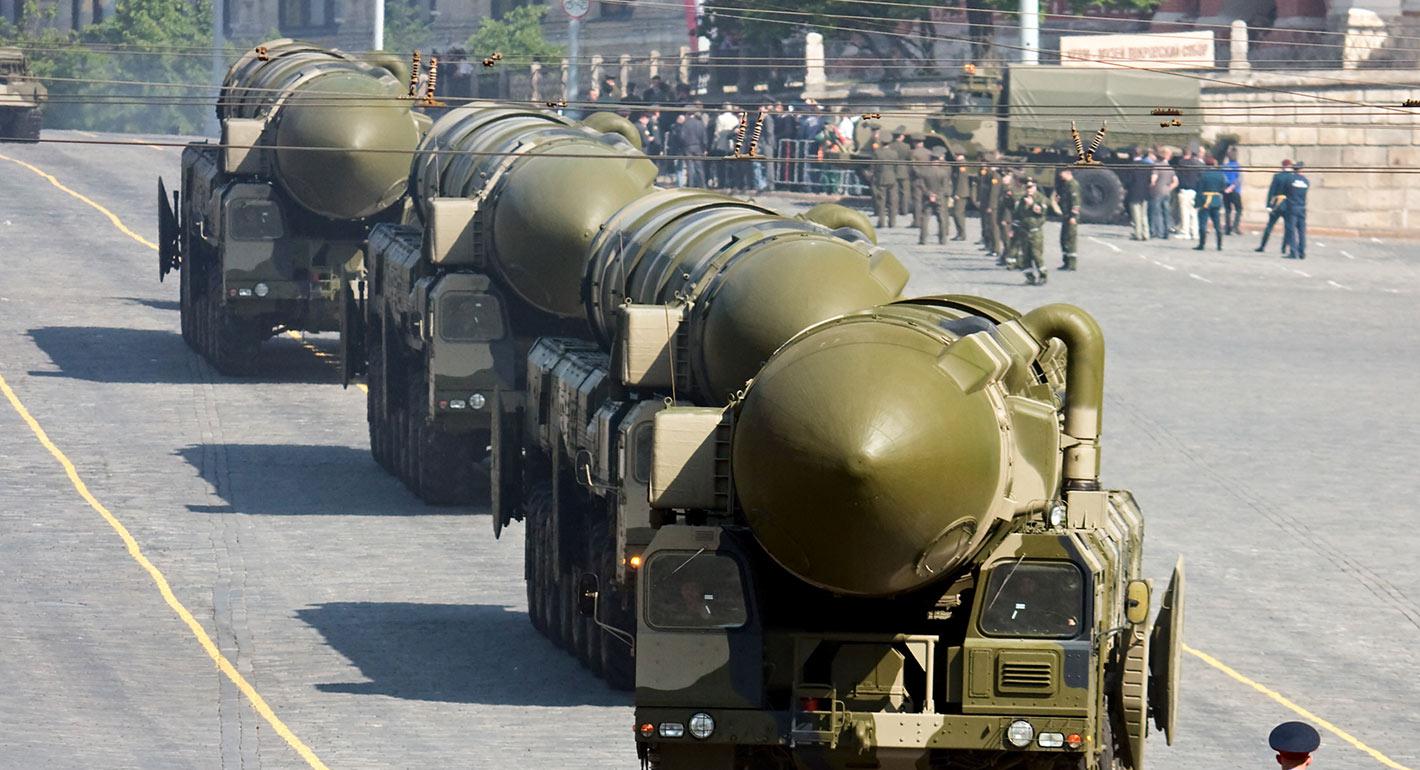
Risks of nuclear weapon use in the Euro-Atlantic region have grown, but policymakers have not yet correctly assessed which risks they should be most concerned about.
Source: United Nations Institute for Disarmament Research
The risk of nuclear weapon use—be it deliberately in an escalating crisis or war, in accordance with one’s own nuclear doctrine or due to inadvertent events—has grown in the Euro-Atlantic region, mainly as a function of the recurring competition between the Russian Federation and the United States. As this chapter argues, decision makers are correct to see a riskier environment. Yet in considering the risk of nuclear weapon use, analysts and policymakers alike are assessing threats by often focusing on highimpact/low-probability scenarios, driven by misreading of one another’s plans and intentions. As a result, they are assessing the risks wrongly, and respond to the wrong things. This chapter first addresses actors, interests, and political change at three levels of analysis. It then establishes a menu for manipulating and perceiving risk, focusing on asymmetric capabilities, (unofficial) doctrines, and poor risk analysis. It concludes with a set of recommendations on how to mitigate the most pressing risks of nuclear use in the Euro-Atlantic.
The original article was published as a chapter in "Nuclear Risk Reduction: Closing Pathways to Use," edited by Wilfred Wan and published by UNIDIR.

Nonresident Scholar, Nuclear Policy Program
Ulrich Kühn is a nonresident scholar at the Carnegie Endowment for International Peace, and the head of the arms control and emerging technologies program at the Institute for Peace Research and Security Policy at the University of Hamburg.
Recent Work
Ulrich Kühn
Ulrich Kühn
Carnegie does not take institutional positions on public policy issues; the views represented herein are those of the author(s) and do not necessarily reflect the views of Carnegie, its staff, or its trustees.
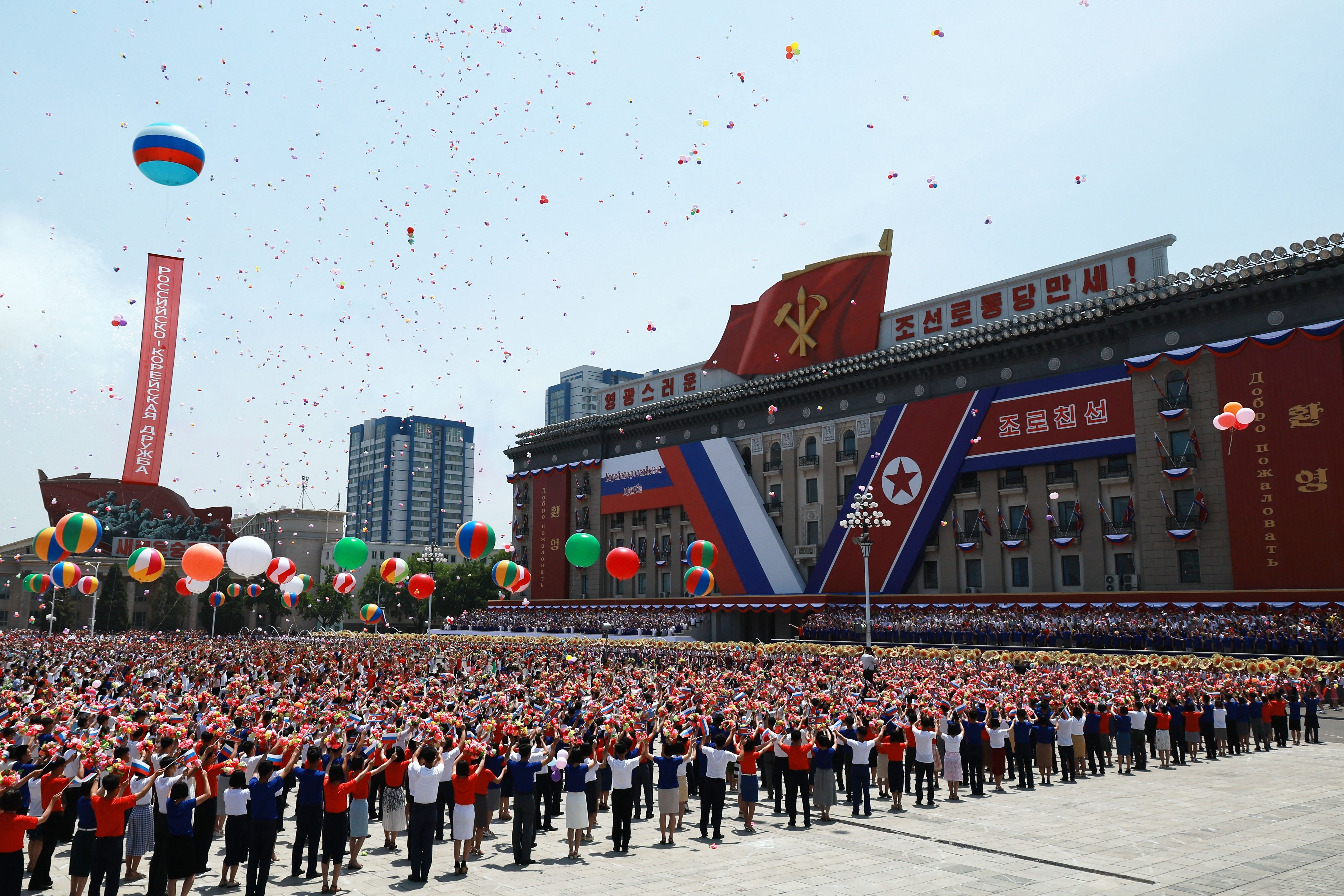
Faced with an increase in strategic maneuvering by Moscow and Pyongyang, Beijing will not sit idly by and allow Putin and Kim to shape the security environment on its behalf.

Tong Zhao

China views U.S. missile defense as posing a greater potential threat to China’s nuclear deterrent than other U.S. military capabilities.
Tong Zhao, Dmitry Stefanovich
There are certainly other issues among other P5 countries, but the U.S.-China competition is so by far the most consequential great power rivalry in the international system, and it has very far-reaching geopolitical implications at and beyond the Pacific region.
Tong Zhao
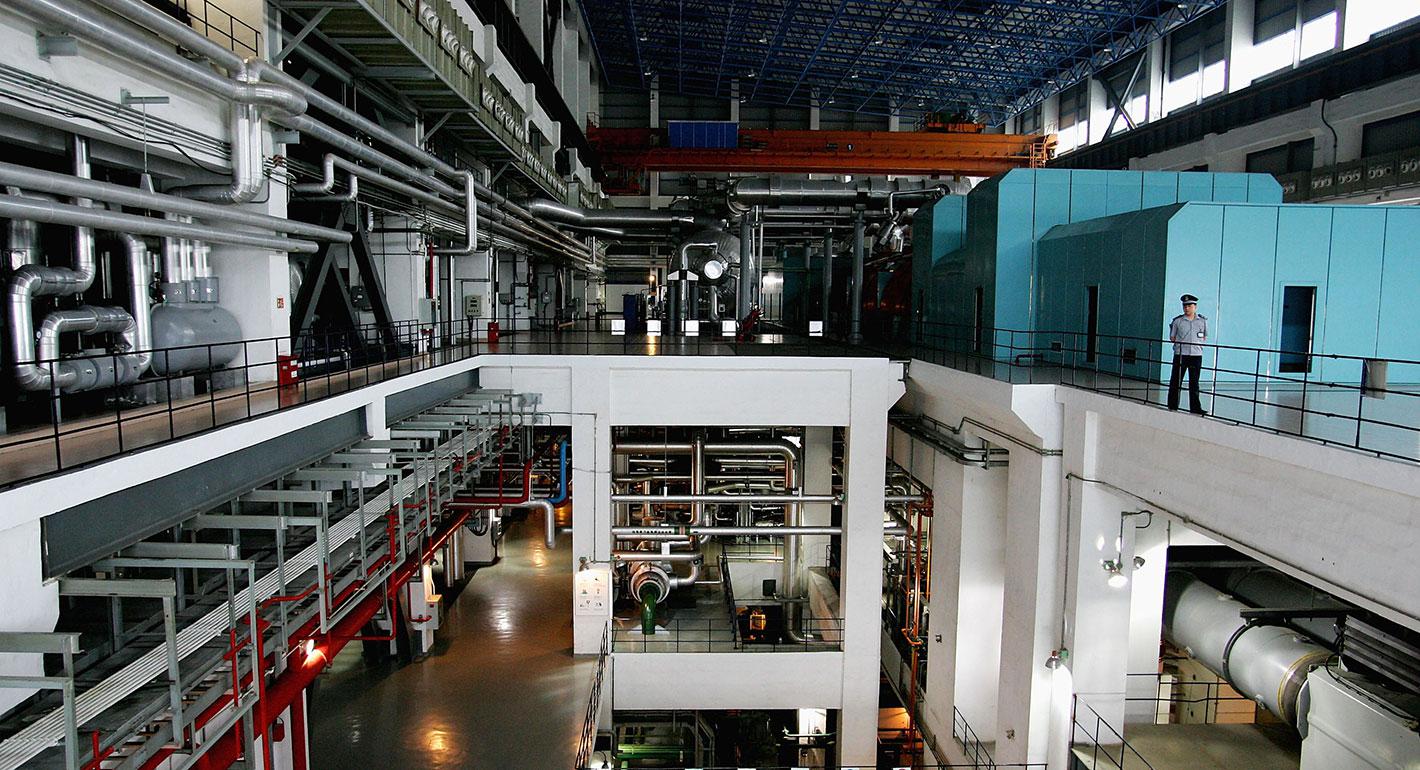
Satellite data has revealed the construction of new nuclear missile silos in Gansu and Xinjiang in western China. How U.S. and Chinese experts interpret the buildup and the motivations behind it could greatly reshape their security relationship.
Tong Zhao
There are three guiding principles that can help make future arms control dialogues more successful.
Andrey Baklitskiy, Alexandra Bell, Tong Zhao