

Article
Dalia Ghanem
{
  "authors": [
    "Dalia Ghanem"
  ],
  "type": "other",
  "centerAffiliationAll": "dc",
  "centers": [
    "Carnegie Endowment for International Peace",
    "Malcolm H. Kerr Carnegie Middle East Center"
  ],
  "collections": [],
  "englishNewsletterAll": "menaTransitions",
  "nonEnglishNewsletterAll": "",
  "primaryCenter": "Malcolm H. Kerr Carnegie Middle East Center",
  "programAffiliation": "MEP",
  "programs": [
    "Middle East"
  ],
  "projects": [],
  "regions": [
    "Maghreb",
    "North Africa",
    "Algeria"
  ],
  "topics": [
    "Economy"
  ]
}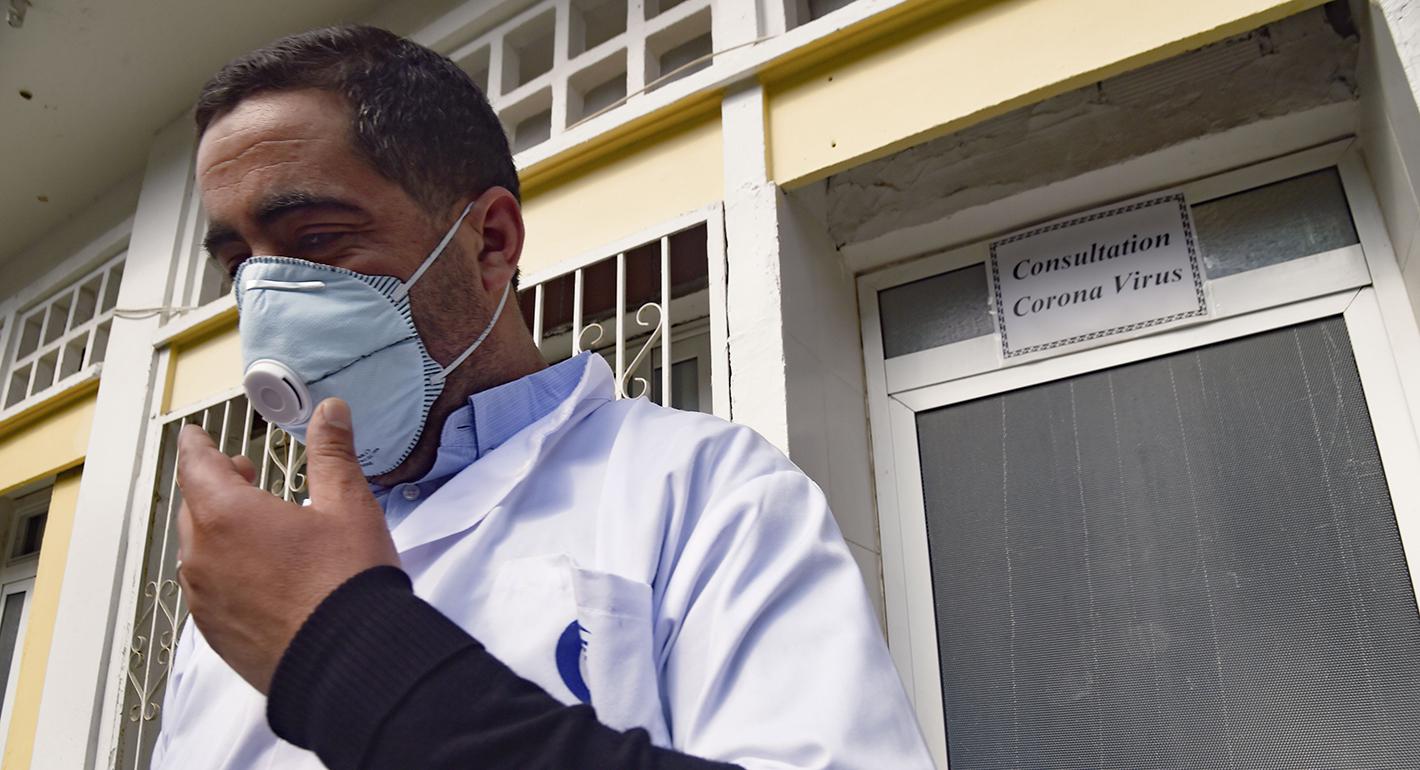
Source: Getty
Despite the fiscal and economic challenges, President Tebboune has made it clear that Algeria will not seek a loan to ease the country’s socio-economic woes.
Source: Middle East Institute
Even as a growing number of Arab and African states look to the International Monetary Fund (IMF) for assistance to help counter the economic fallout of the coronavirus pandemic, Algeria has made it clear it will not follow suit. Despite the fiscal challenges, economic crisis, social unrest, and public health emergency, President Abdelmadjid Tebboune has insisted that Algeria will not seek a loan to ease the country’s socio-economic woes. Tebboune declared that “accumulating debt harms national sovereignty” and will weaken the country’s position toward the Palestinian cause and the Western Sahara issue.
He also recalled Algeria’s bad experience in the 1990s with the IMF Structural Adjustment Plan (SAP) and explained that he prefers “to borrow from Algerian citizens, rather than the IMF or World Bank.” Beyond the long-overdue promises to diversify the economy, Tebboune’s crisis response package involves a 50 percent cut in public spending and investments, a $10 billion reduction in imports, as well as efforts to expand the use of banking services by those working in the informal sector, which accounts for 45 percent of the gross national income (GNI).
These measures will do little to support an already frail Algerian economy, however, and the situation is only likely to get worse. The uncertainty about the country’s fiscal future and the threat to stability that it brings comes at a particularly difficult time politically. Significant questions remain about the political back and forth between the peaceful popular protest movement known as Hirak and the country’s leadership. Adding to the political impasse are the issues of Tebboune’s own legitimacy and the loss of equilibrium between the president, the military, and the intelligence services.
This article was originally published on The Middle East Institute.
Former Senior Resident Scholar, Malcolm H. Kerr Carnegie Middle East Center
Dalia Ghanem was a senior resident scholar at the Malcolm H. Kerr Carnegie Middle East Center in Beirut, where her research focuses on Algeria’s political, economic, social, and security developments. Her research also examines political violence, radicalization, civil-military relationships, transborder dynamics, and gender.
Recent Work
Dalia Ghanem


Frances Z. Brown, Judy Dempsey, Dalia Ghanem, …
Carnegie does not take institutional positions on public policy issues; the views represented herein are those of the author(s) and do not necessarily reflect the views of Carnegie, its staff, or its trustees.

China’s banking crisis in the 2000s was resolved by transferring the costs to households through financial repression—a decision that recapitalized the banks while exacerbating the structural imbalances that continue to shape the Chinese economy today.

Michael Pettis

In the latest Five-Year Plan, the Chinese president cements the shift to an innovation-driven economy over a consumption-driven one.

Damien Ma
Rather than climate ambitions, compatibility with investment and exports is why China supports both green and high-emission technologies.
Mathias Larsen
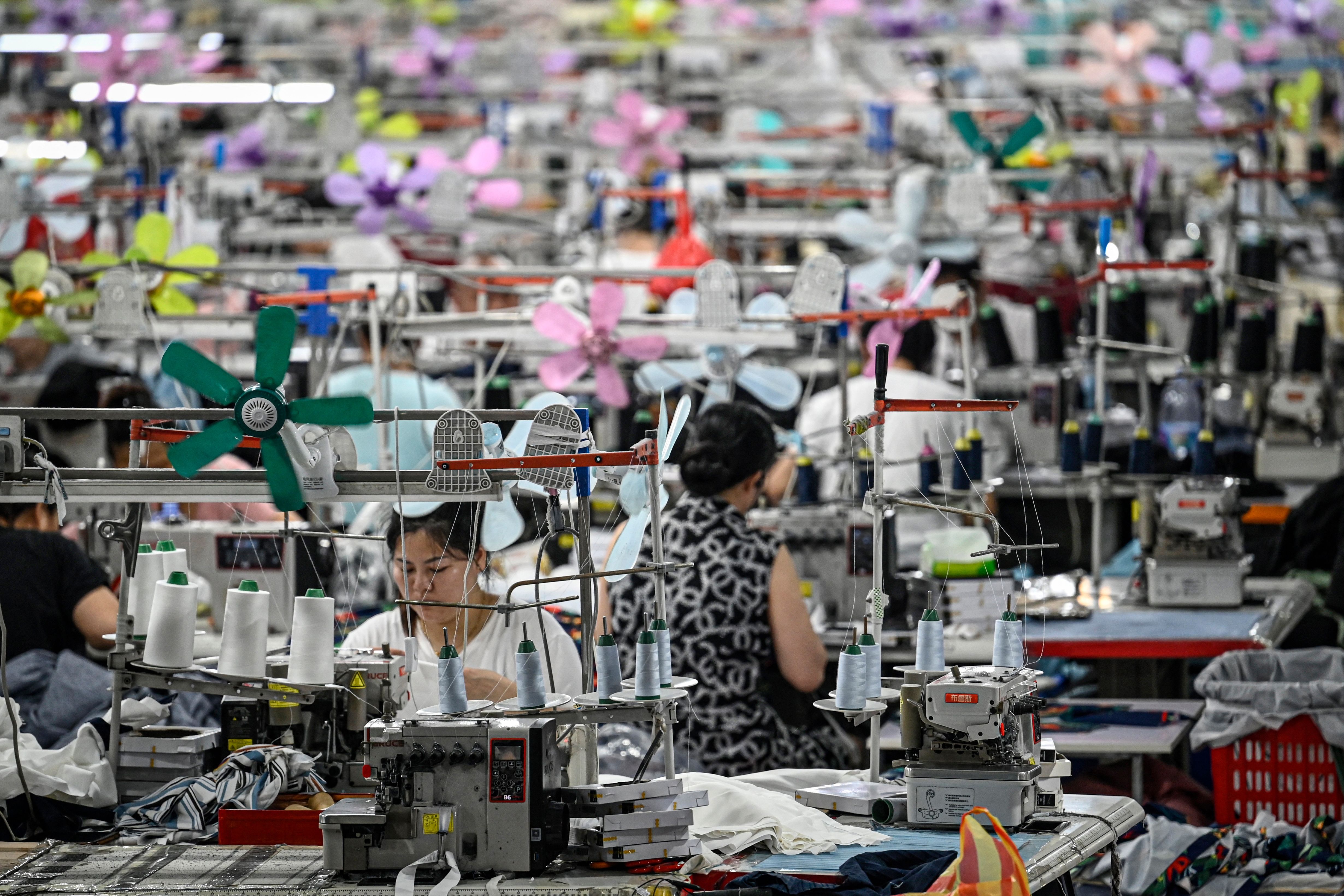
“Involution” is a new word for an old problem, and without a very different set of policies to rein it in, it is a problem that is likely to persist.
Michael Pettis
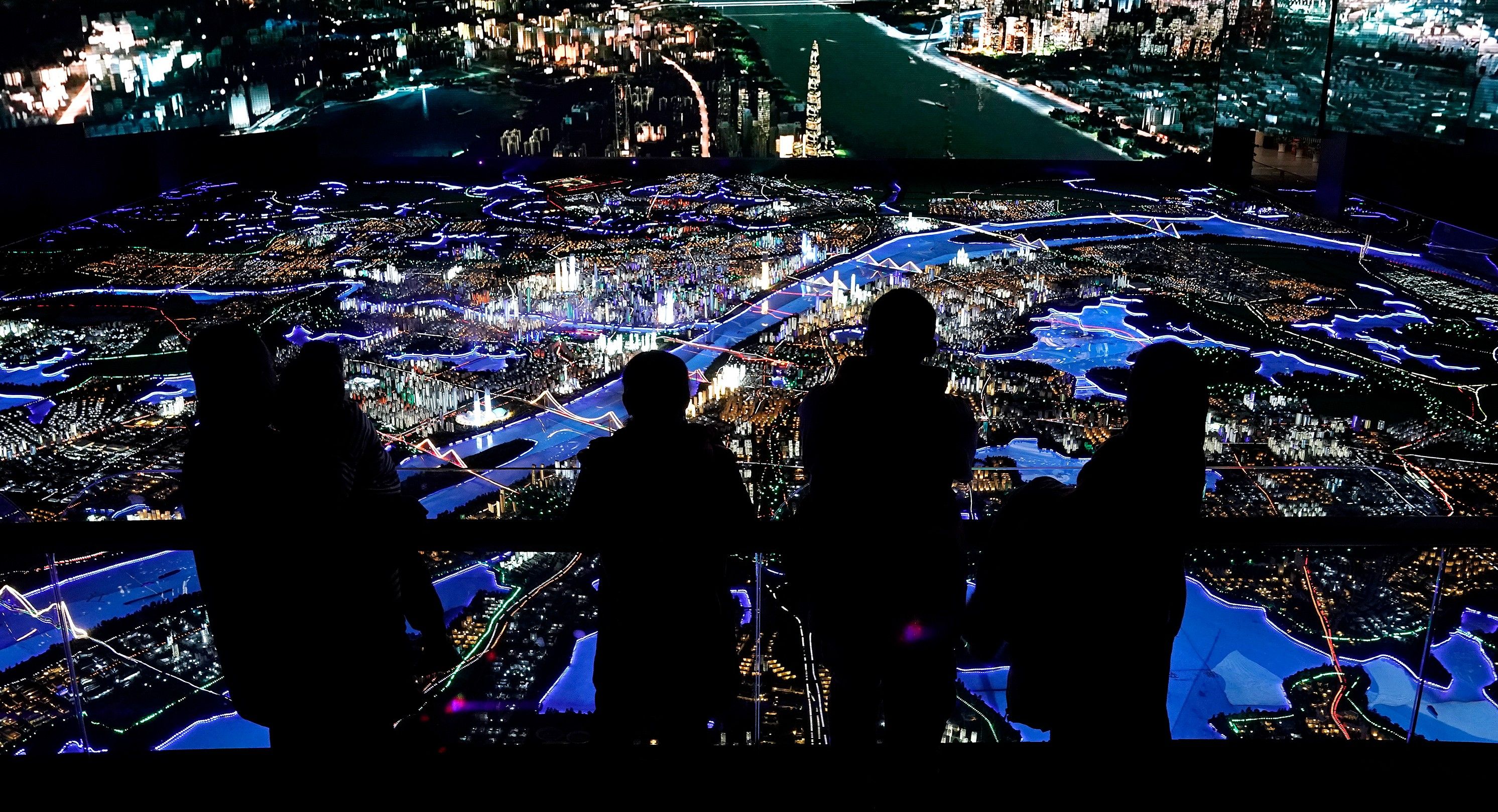
While China's investment story seems contradictory from the outside, the real answers to Beijing's high-quality growth ambitions are hiding in plain sight across the nation's cities.
Yuhan Zhang