

Commentary
Maha Yahya
{
  "authors": [
    "Maha Yahya"
  ],
  "type": "other",
  "centerAffiliationAll": "dc",
  "centers": [
    "Carnegie Endowment for International Peace",
    "Malcolm H. Kerr Carnegie Middle East Center"
  ],
  "collections": [
    "Coronavirus"
  ],
  "englishNewsletterAll": "menaTransitions",
  "nonEnglishNewsletterAll": "",
  "primaryCenter": "Malcolm H. Kerr Carnegie Middle East Center",
  "programAffiliation": "MEP",
  "programs": [
    "Middle East"
  ],
  "projects": [],
  "regions": [
    "Middle East",
    "North Africa"
  ],
  "topics": [
    "Economy",
    "Education"
  ]
}
Source: Getty
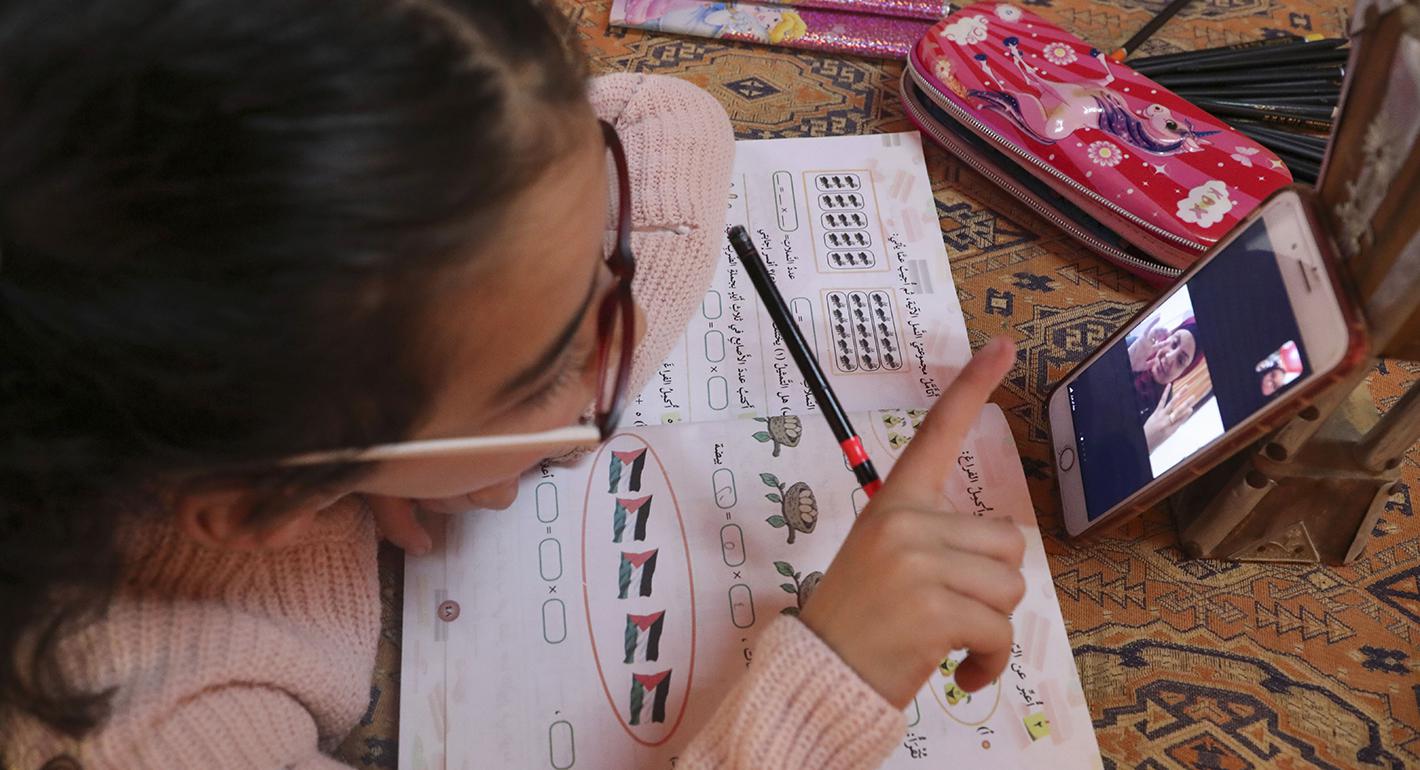
School closures have highlighted the digital gap between those who can access remote learning and those without the basic means to do so.
Source: International Commission on the Futures of Education
Covid-19 has brought existing structures of inequality into sharp focus. This is not an issue of a global North and underdeveloped South. Rather it is within regions and countries and between classes of citizens. Access to urgent healthcare within countries between resource rich and resource poor regions is just the tip of the iceberg. School closures have highlighted the digital gap between those who can access remote learning and those without the basic means to do so. And pandemic related social distancing measures are impossible to implement for the 2 billion informal workers and 70 million refugees and internally displaced people around the world who have no basic social protection (with no health or unemployment benefits). For them the choice is to die of Corona or die of hunger.
This article was originally published on UNESCO's Digital Library.

Director, Malcolm H. Kerr Carnegie Middle East Center
Maha Yahya is director of the Malcolm H. Kerr Carnegie Middle East Center, where her research focuses on citizenship, pluralism, and social justice in the aftermath of the Arab uprisings.
Recent Work
Maha Yahya
Maha Yahya
Carnegie does not take institutional positions on public policy issues; the views represented herein are those of the author(s) and do not necessarily reflect the views of Carnegie, its staff, or its trustees.

China’s banking crisis in the 2000s was resolved by transferring the costs to households through financial repression—a decision that recapitalized the banks while exacerbating the structural imbalances that continue to shape the Chinese economy today.

Michael Pettis

In the latest Five-Year Plan, the Chinese president cements the shift to an innovation-driven economy over a consumption-driven one.

Damien Ma
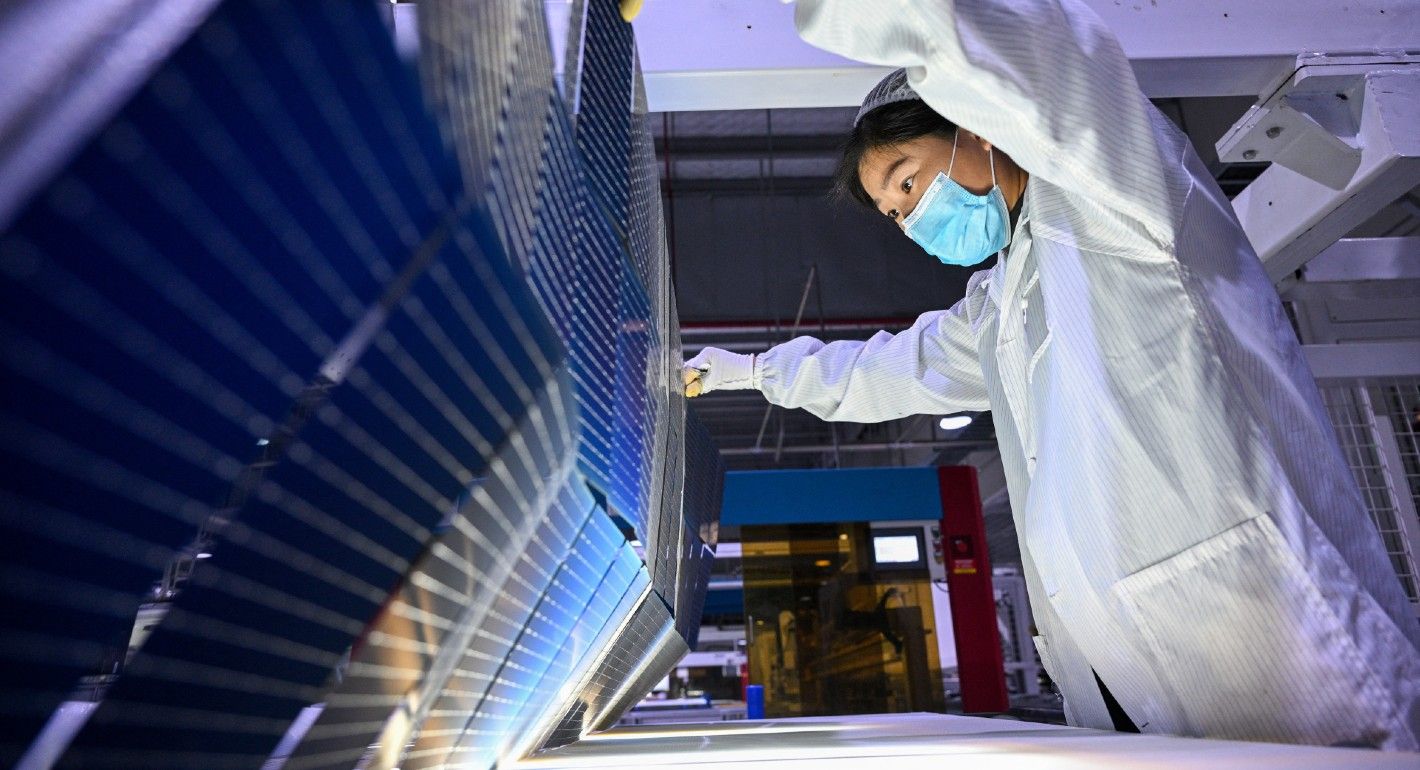
Rather than climate ambitions, compatibility with investment and exports is why China supports both green and high-emission technologies.

Mathias Larsen
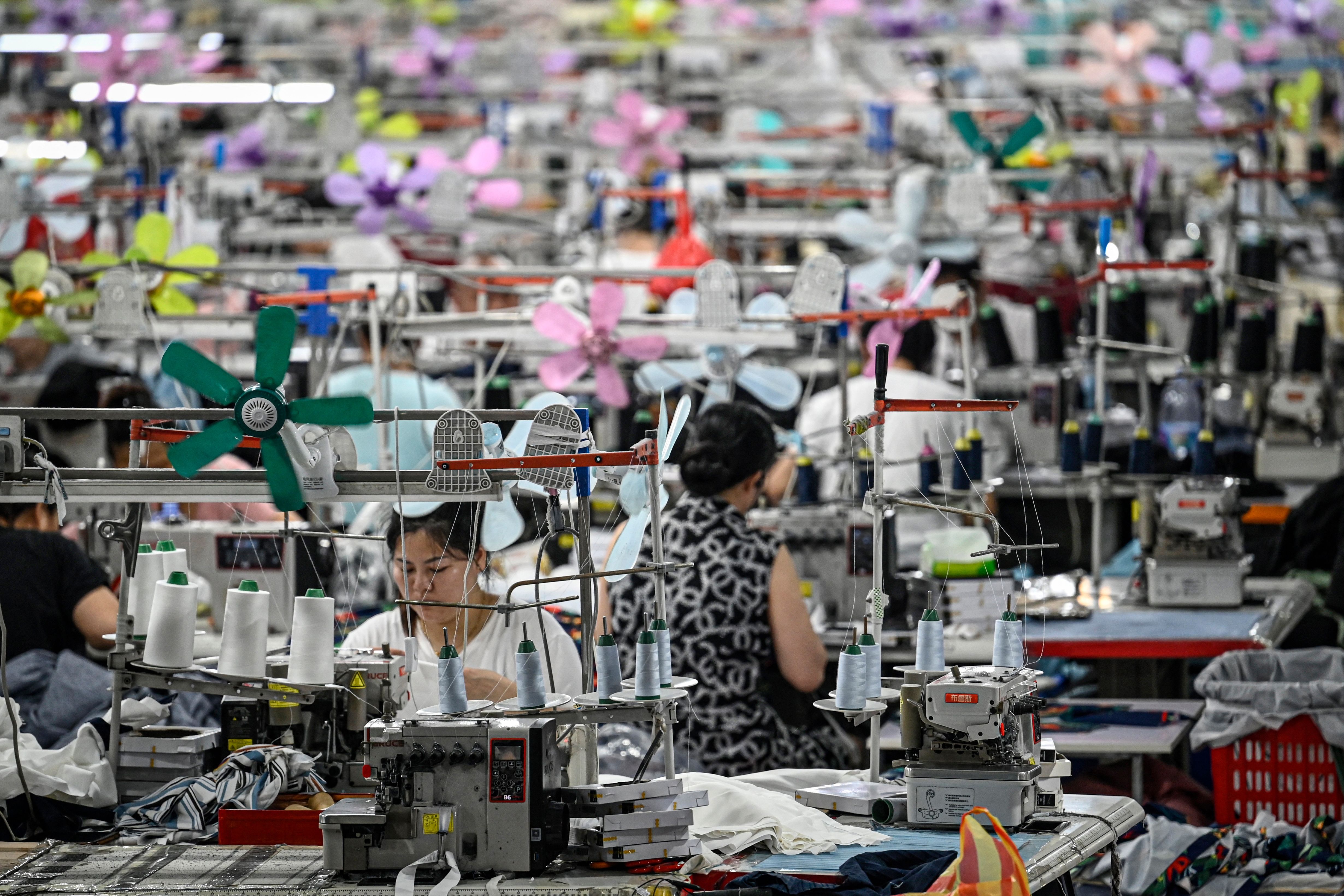
“Involution” is a new word for an old problem, and without a very different set of policies to rein it in, it is a problem that is likely to persist.
Michael Pettis
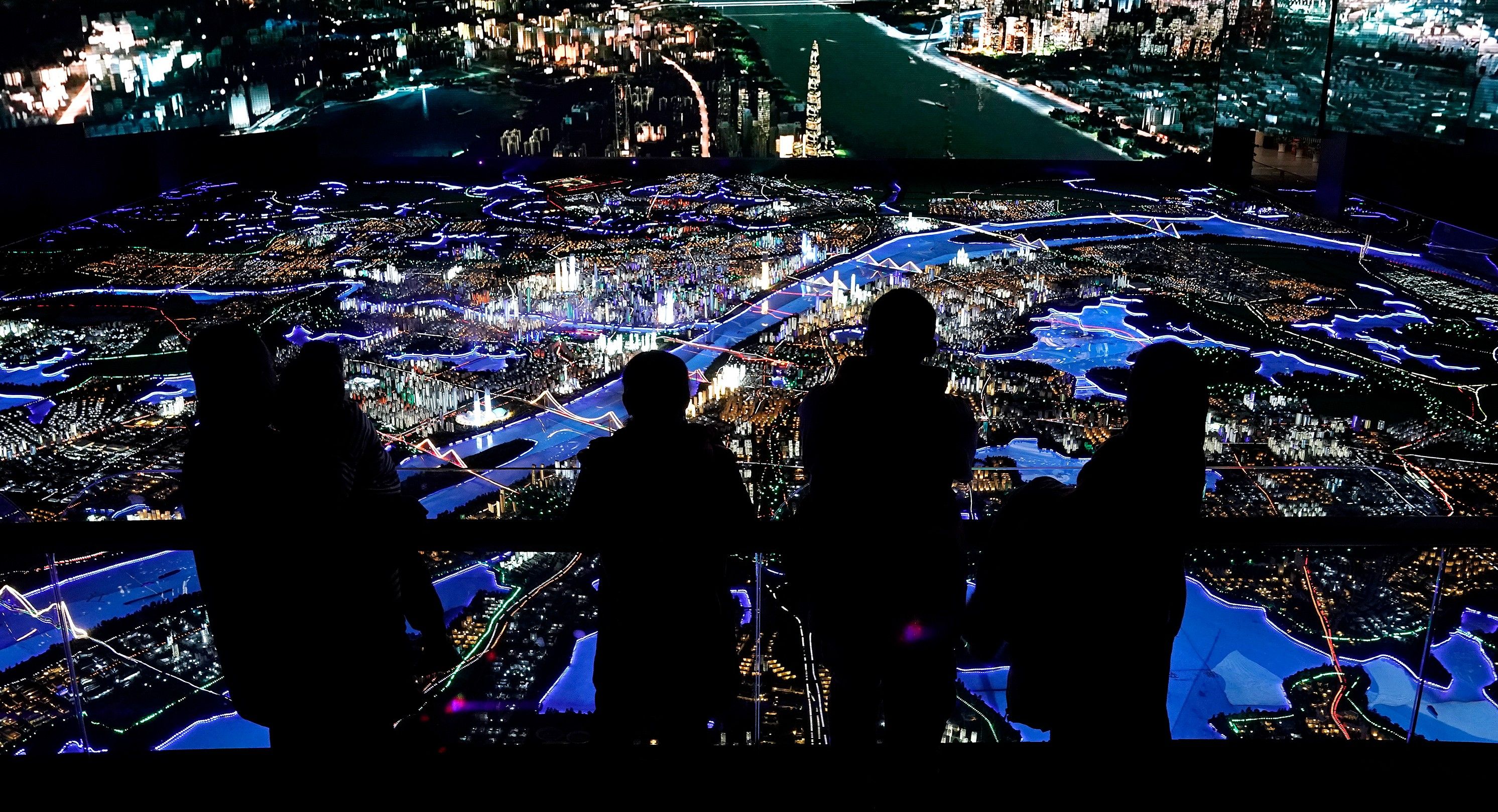
While China's investment story seems contradictory from the outside, the real answers to Beijing's high-quality growth ambitions are hiding in plain sight across the nation's cities.
Yuhan Zhang