

Research
- +6
Yasmine Farouk, Nathan J. Brown, Maysaa Shuja Al-Deen, …
{
  "authors": [
    "Anouar Boukhars"
  ],
  "type": "other",
  "centerAffiliationAll": "dc",
  "centers": [
    "Carnegie Endowment for International Peace"
  ],
  "collections": [],
  "englishNewsletterAll": "menaTransitions",
  "nonEnglishNewsletterAll": "",
  "primaryCenter": "Carnegie Endowment for International Peace",
  "programAffiliation": "MEP",
  "programs": [
    "Middle East"
  ],
  "projects": [],
  "regions": [
    "North Africa",
    "Mauritania"
  ],
  "topics": [
    "Security"
  ]
}
Source: Getty
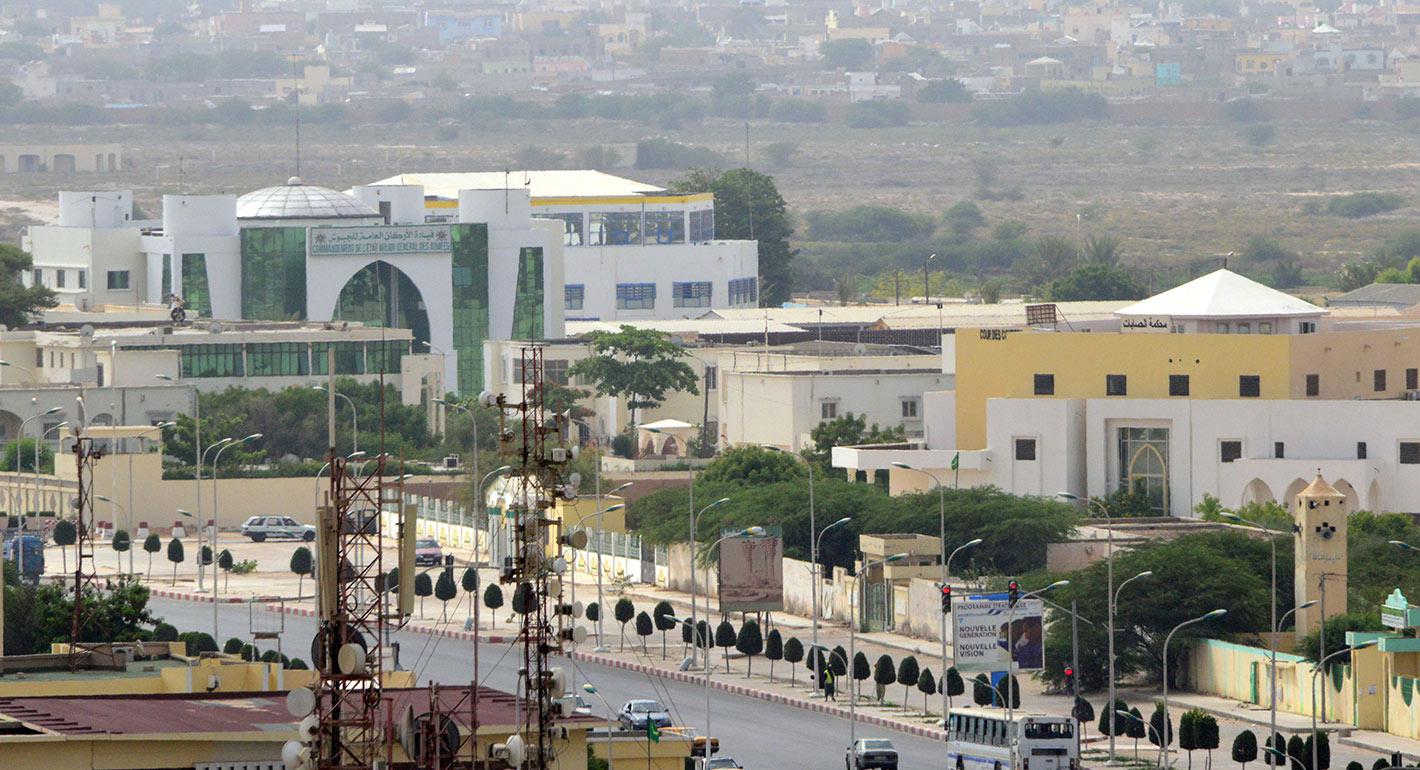
The story of Mauritania’s transformation from the weakest link in the crisis-ridden Sahel to one of its most resilient is instructive.
Source: Africa Center for Strategic Studies
Violent extremism continues to be one of the most significant challenges to peace and security in the Sahel. Militant Islamist groups have shown remarkable staying power despite their military rout in northern Mali in 2013 following the deployment of French-led Operation Serval (now Operation Barkhane). Indeed, violent extremist groups in the Sahel have grown in number, size, and lethality—now concentrated in central Mali, northeastern Burkina Faso, and western Niger.
Largely absent from this narrative is Mauritania. The story of Mauritania’s transformation from the weakest link in this crisis-ridden neighborhood to one of its most resilient is instructive. The country was the first in the Sahel to be hit by terrorist attacks in 2005. However, since 2011 it has avoided the expanding and diversifying threat from militant Islamist groups. That security threats in the Sahel are characterized by layers of intertwined and crosscutting interests at the local, national, and regional levels makes Mauritania’s example all the more informative. Importantly, the government has managed to restore its authority and control over border regions, which militant Islamist groups in the Sahel have often exploited to their advantage....
This article was originally published by the Africa Center for Strategic Studies
Former Nonresident Fellow, Middle East Program
Boukhars was a nonresident fellow in Carnegie’s Middle East Program. He is a professor of countering violent extremism and counter-terrorism at the Africa Center for Strategic Studies, National Defense University.
Recent Work



Yasmine Farouk, Nathan J. Brown, Maysaa Shuja Al-Deen, …

Frederic Wehrey, Nathan J. Brown, Bader Al-Saif, …
Carnegie does not take institutional positions on public policy issues; the views represented herein are those of the author(s) and do not necessarily reflect the views of Carnegie, its staff, or its trustees.
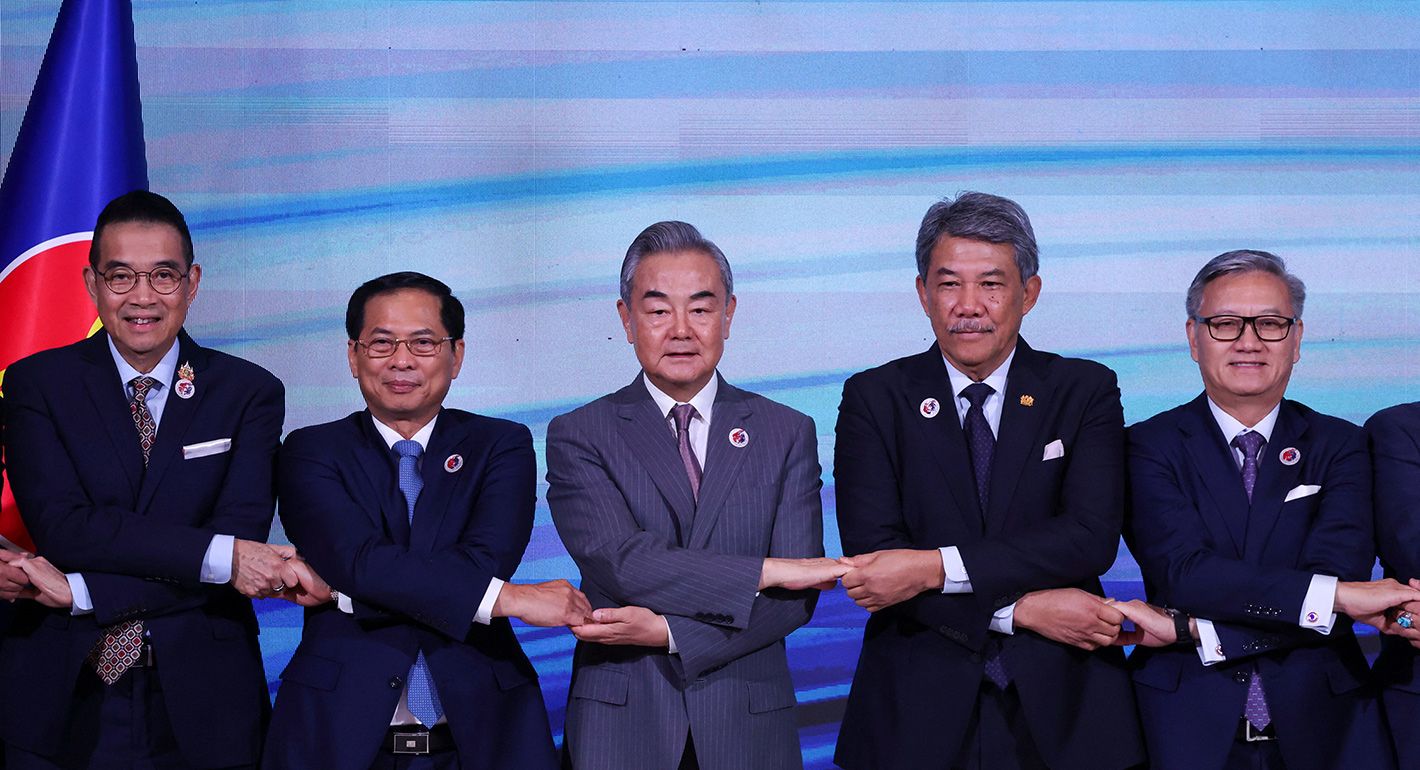
The Thai-Cambodian conflict highlights the limits to China's peacemaker ambition and the significance of this role on Southeast Asia’s balance of power.

Pongphisoot (Paul) Busbarat
Beijing believes that Washington is overestimating its own leverage and its ability to handle the trade war’s impacts.


Rick Waters, Sheena Chestnut Greitens
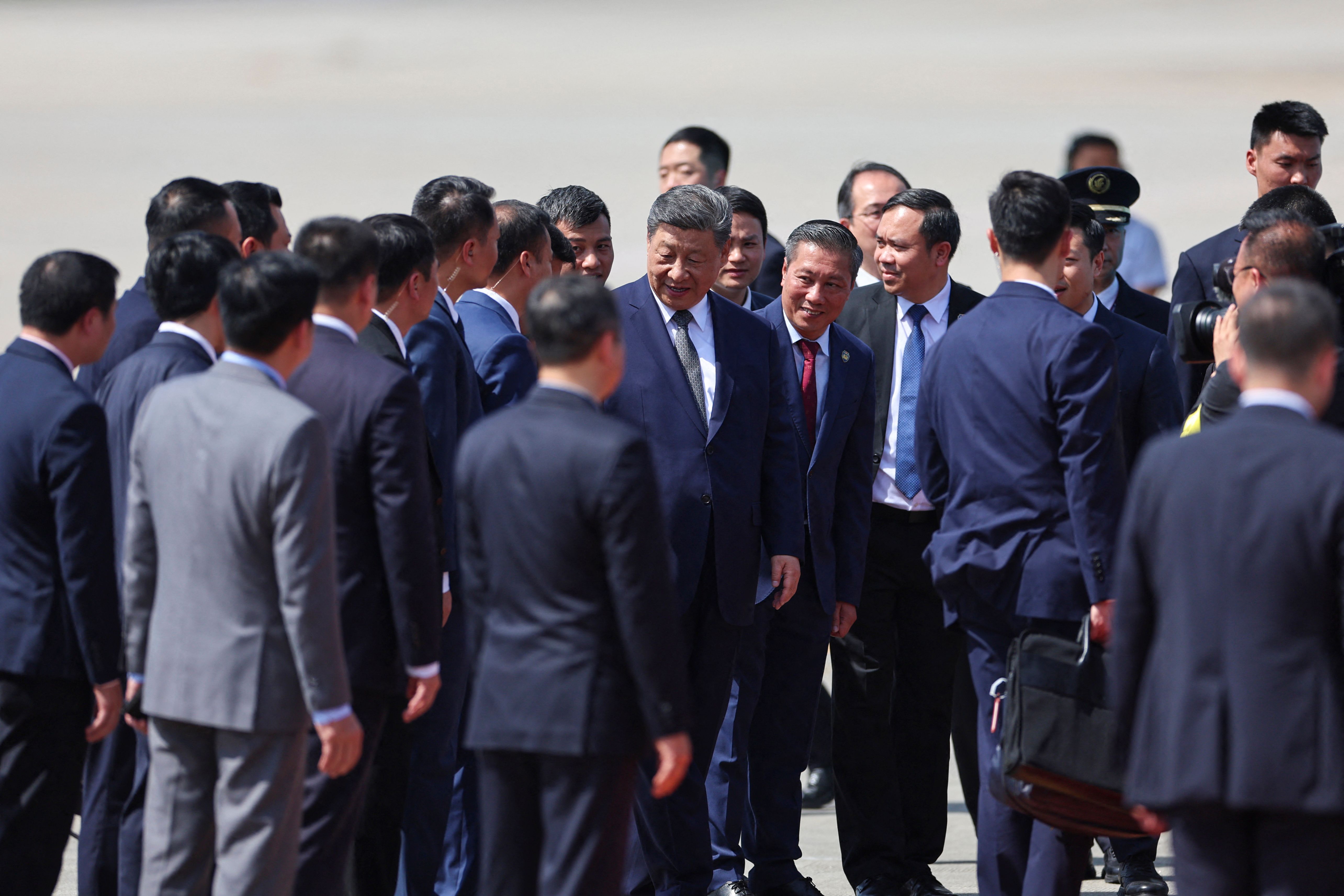
Tapping our network of China experts in the region, Carnegie China offers this latest “China Through a Southeast Asian Lens” report to offer preliminary assessments of whether the U.S. effort to reshape the global trading order will lead countries in the region to tilt toward Beijing.



Selina Ho, Khin Khin Kyaw Kyee, Joseph Ching Velasco, …
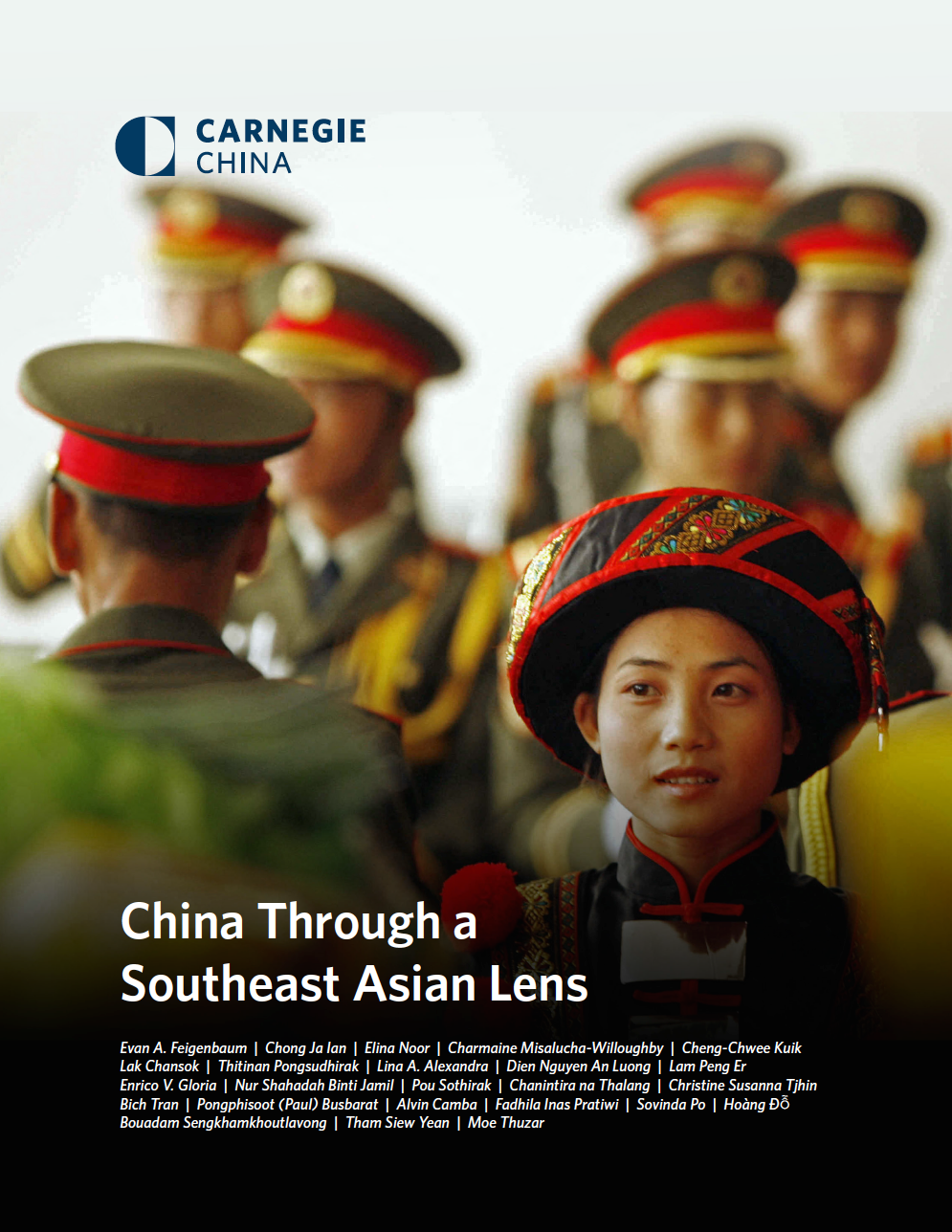
Because strategic, economic, and ideological perceptions of China contain multiple, sometimes contradictory facets in Southeast Asia, receptions of and responses to Beijing diverge across and within state lines.



Evan A. Feigenbaum, Chong Ja Ian, Elina Noor
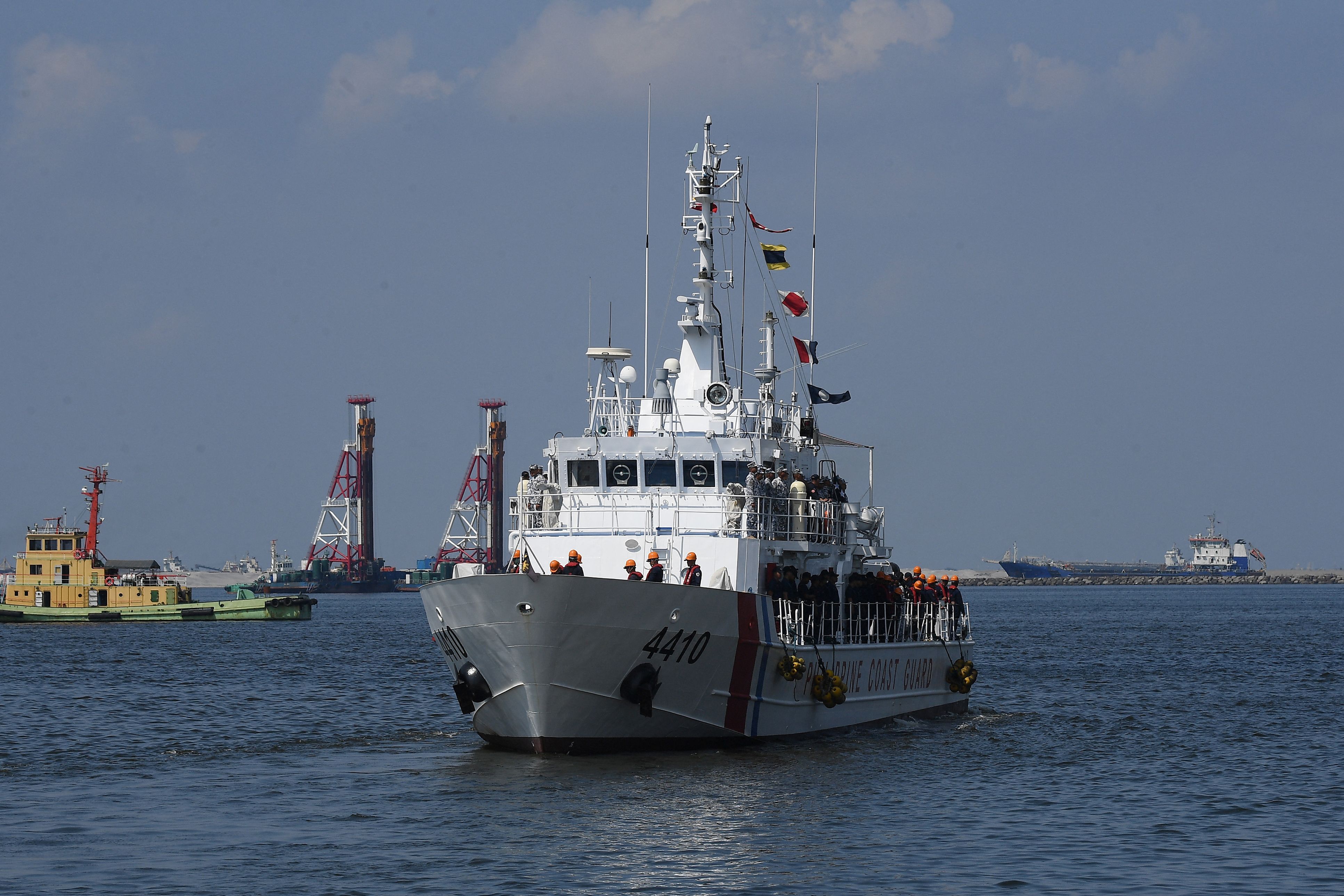
Most Southeast Asian states behave as if the actions of their Northeast Asian neighbors and the Philippines will be sufficient to maintain a regional status quo from which they can benefit.
Chong Ja Ian