

Commentary
It’s about managing oil prices, bread prices, and strategic partnerships.
- +8
Amr Hamzawy, Karim Sadjadpour, Aaron David Miller, …
{
  "authors": [
    "The Working Group On Egypt",
    "Michele Dunne"
  ],
  "type": "other",
  "centerAffiliationAll": "dc",
  "centers": [
    "Carnegie Endowment for International Peace",
    "Malcolm H. Kerr Carnegie Middle East Center"
  ],
  "collections": [],
  "englishNewsletterAll": "menaTransitions",
  "nonEnglishNewsletterAll": "",
  "primaryCenter": "Carnegie Endowment for International Peace",
  "programAffiliation": "MEP",
  "programs": [
    "Middle East"
  ],
  "projects": [],
  "regions": [
    "North Africa",
    "Egypt"
  ],
  "topics": []
}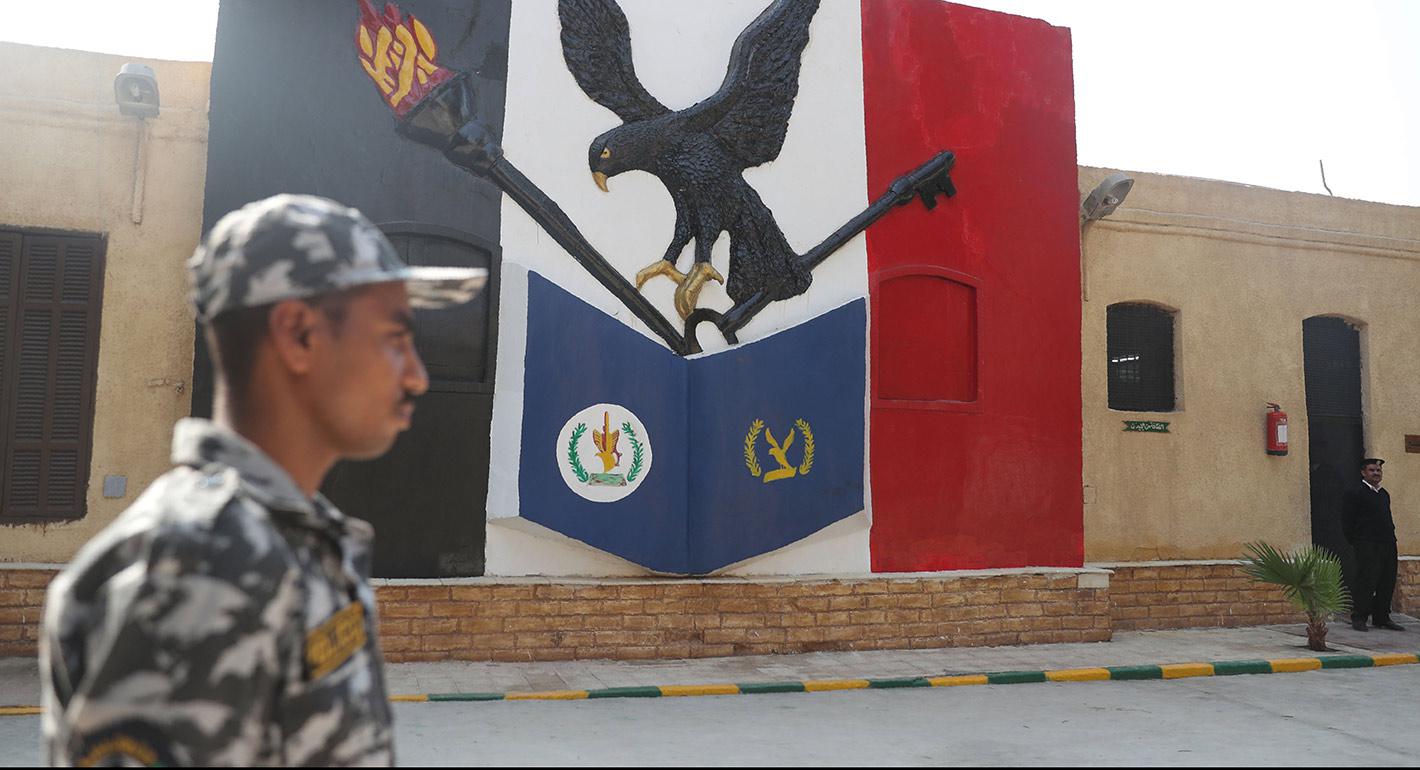
Source: Getty
Washington should press Egyptian President Abdel Fattah al-Sisi to cease his escalating crackdown on peaceful opponents, including journalists, activists, and members of American citizens’ families residing in Egypt.
June 30, 2020
The Honorable Michael R. Pompeo
Secretary of State
U.S. Department of State
2201 C Street NW
Washington, DC 20500
Dear Secretary Pompeo,
We write to ask you to press Egyptian President Abdel Fattah al-Sisi to cease his escalating crackdown on peaceful opponents, including journalists, activists, and members of American citizens’ families residing in Egypt. Sisi may believe that the COVID-19 pandemic has diverted the international community’s attention. The United States should make clear it is watching. As one of Egypt’s most important international partners, the United States has a responsibility to use its influence with Sisi to halt these egregious abuses of internationally recognized human rights.
We would like to draw your attention to the following recent alarming actions taken by the Egyptian regime:
With these recent harassing, abusive, and intimidating actions, the Egyptian authorities are deepening what was already the country’s worst human rights crisis in decades.
Egypt’s brutal and extrajudicial measures against peaceful dissidents closely resemble tactics that have drawn your strong rebuke when used by the Iranian regime. The Egyptian government’s efforts to silence any deviation from the official narrative on COVID-19 mirror China’s ruthless suppression of information on the pandemic. Yet, while the Trump administration has correctly criticized Iran and China for this reprehensible behavior, it has continued to accord Egypt the benefits of a valued partner: acceding to Sisi’s request for mediation of Egypt’s dispute with Ethiopia over Nile River waters, embracing the “Cairo Initiative” regarding conflict in Libya, and supporting new International Monetary Fund loans for Egypt worth nearly $8 billion.
We urge you to press President Sisi to take the following steps: end all harassment of Soltan’s relatives in Egypt; release all journalists and activists detained for exercising basic human rights and drop all charges against them; and release all American prisoners and allow them to return home.
Until the Egyptian regime takes such steps, we respectfully suggest the following actions to show that there are serious consequences for abusing the rights of Americans and Egyptians alike:
As the Trump administration tries to hold Iran and China to account for their reckless and dangerous abuses of human rights, we hope that you will hold Egypt to the same standards. Continued mass violations of human rights increase the prospect of instability in Egypt and threaten U.S. national security interests.
Sincerely,
The Working Group on Egypt*
Robert Kagan, cochair
Michele Dunne, cochair
Reuel Gerecht
Amy Hawthorne
Neil Hicks
Thomas Hill
Sarah Margon
Stephen McInerney
Andrew Miller
Tamara Wittes
Ken Wollack
*The Working Group on Egypt is a bipartisan group of foreign affairs experts formed in 2010 to seek more constructive U.S. policies towards Egypt.
The Working Group On Egypt

Former Nonresident Scholar, Middle East Program
Michele Dunne was a nonresident scholar in Carnegie’s Middle East Program, where her research focuses on political and economic change in Arab countries, particularly Egypt, as well as U.S. policy in the Middle East.
Carnegie does not take institutional positions on public policy issues; the views represented herein are those of the author(s) and do not necessarily reflect the views of Carnegie, its staff, or its trustees.

It’s about managing oil prices, bread prices, and strategic partnerships.



Amr Hamzawy, Karim Sadjadpour, Aaron David Miller, …
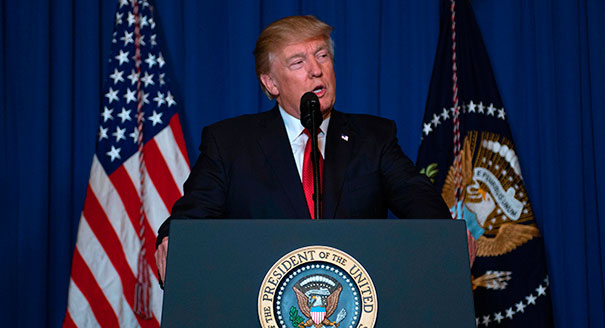
It remains to be seen whether recent foreign policy pivots by the Trump administration amount to a departure from its earlier views about America’s role in the world.
William J. Burns
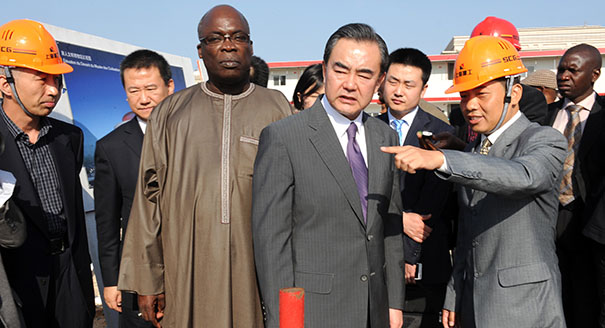
China’s relationship with Africa is becoming increasingly more complex as the country continues to invest and send workers across 54 countries on the continent.

Matt Ferchen
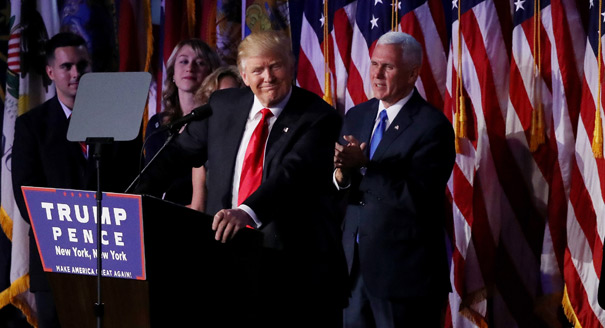
The world reacts to the election of Donald Trump and its potential implications.

Thomas Carothers, Lizza Bomassi, Amr Hamzawy, …
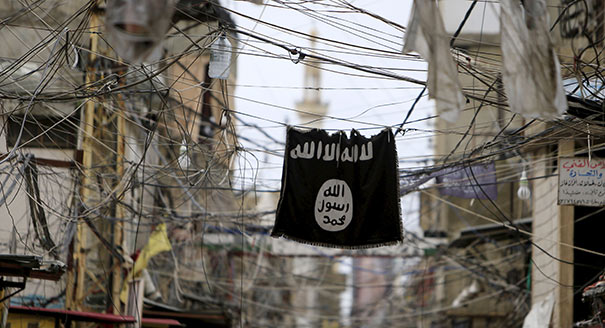
The Islamic State’s ideology is multifaceted and cannot be traced to one individual, movement, or period. Understanding it is crucial to defeating the group.
Hassan Hassan