

Commentary
Chung Min Lee
{
  "authors": [
    "Chung Min Lee"
  ],
  "type": "legacyinthemedia",
  "centerAffiliationAll": "dc",
  "centers": [
    "Carnegie Endowment for International Peace"
  ],
  "collections": [],
  "englishNewsletterAll": "asia",
  "nonEnglishNewsletterAll": "",
  "primaryCenter": "Carnegie Endowment for International Peace",
  "programAffiliation": "AP",
  "programs": [
    "Asia"
  ],
  "projects": [],
  "regions": [
    "East Asia",
    "South Korea",
    "North Korea"
  ],
  "topics": [
    "Security"
  ]
}
Source: Getty
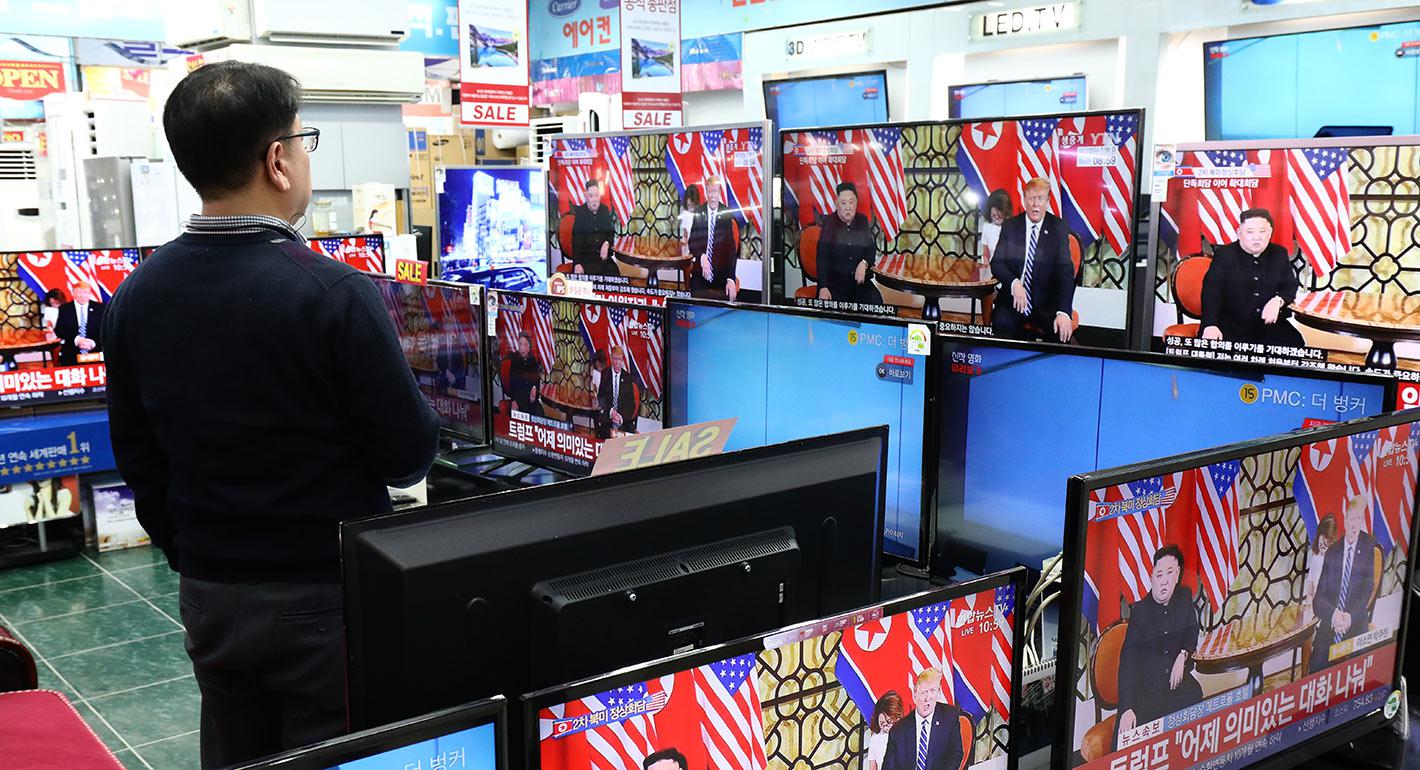
A just, enduring peace is possible on the Korean Peninsula, but it’s not going to happen just because political leaders decide to formally end the Korean conflict.
Source: National Interest
With South Korea and the United States marking the seventieth anniversary of the outbreak of the Korean War, which began on June 25, 1950, it’s time to consider the conditions for a lasting and just peace on the Korean Peninsula. The Korean conflict was instrumental in solidifying the Cold War at both ends of the Eurasian continent. While vestiges of the Cold War have disappeared from Europe, the Cold War remains very much alive on the Korean Peninsula. Formally ending it will serve as a major catalyst in implementing a more stable security structure in and around the Korean Peninsula.
But a declaration of an end to the war based on political expediency and naïve conceptions of peace between the two Koreas isn’t going to result in real peace. The reason why a Cold War persists on the peninsula is because of the continuing threat emanating from North Korea—the world’s only communist dynasty. Armed with nuclear weapons since 2006 and with accelerating nuclear and ballistic missile capabilities, North Korea under Kim Jong-un has hardly relaxed tensions with South Korea.
This article was originally published by the National Interest.

Senior Fellow, Asia Program
Chung Min Lee is a senior fellow in Carnegie’s Asia Program. He is an expert on Korean and Northeast Asian security, defense, intelligence, and crisis management.
Recent Work
Chung Min Lee
Carnegie does not take institutional positions on public policy issues; the views represented herein are those of the author(s) and do not necessarily reflect the views of Carnegie, its staff, or its trustees.

The nuclear relationship between China and the United States is increasingly shaped by widening perception gaps rather than deliberate strategic design.

Tong Zhao

Chinese biotech companies have been on the receiving end of U.S. economic coercion. Yet their responses have differed significantly because firm and state interests are not uniformly aligned. For Washington, treating all Chinese tech firms the same, irrespective of their actual interests, risks pushing them farther into Beijing’s corner.

Xue Gong

Across Asia, China is better positioned to withstand energy shocks from the fallout of the Iran war. Its abundant coal capacity can ensure stability in the near term. Yet at the same time, the country’s energy transition away from coal will make it even less vulnerable during the next shock.

Damien Ma
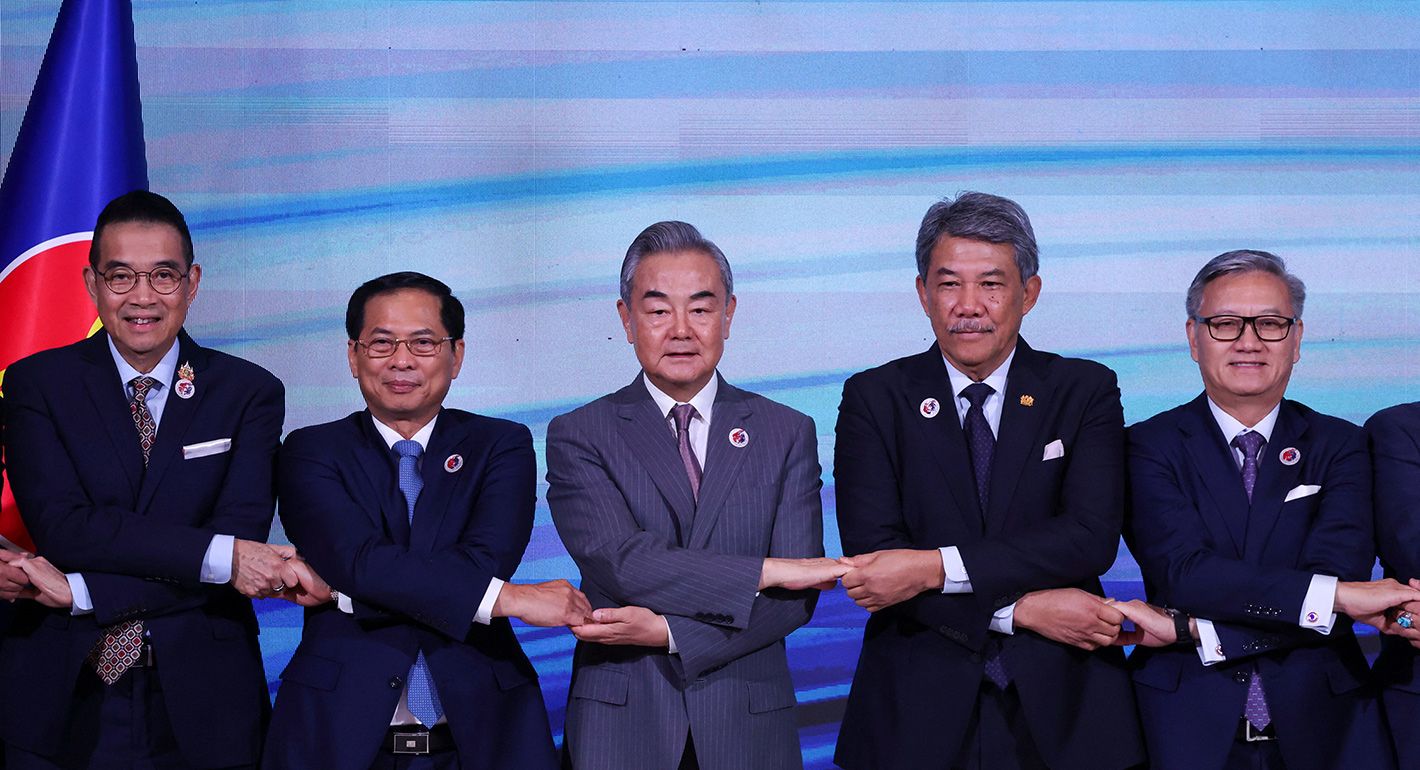
The Thai-Cambodian conflict highlights the limits to China's peacemaker ambition and the significance of this role on Southeast Asia’s balance of power.

Pongphisoot (Paul) Busbarat

GDP growth means something fundamentally different in China than in most countries.

Michael Pettis