

Commentary
Effective nuclear arms control engagement with China will likely require confidence-building measures by the United States and greater support from the international community.
Tong Zhao
{
  "authors": [
    "Penny Pritzker"
  ],
  "type": "commentary",
  "centerAffiliationAll": "dc",
  "centers": [
    "Carnegie Endowment for International Peace"
  ],
  "collections": [
    "The Day After: Navigating a Post-Pandemic World"
  ],
  "englishNewsletterAll": "americanStatecraft",
  "nonEnglishNewsletterAll": "",
  "primaryCenter": "Carnegie Endowment for International Peace",
  "programAffiliation": "ASP",
  "programs": [
    "American Statecraft"
  ],
  "projects": [],
  "regions": [],
  "topics": []
}
Source: Getty
The United States can’t bounce back from the coronavirus pandemic without a strategy to support its workers and equip them to compete in the rapidly changing global economy.
Will my job be replaced by a machine? That’s a question too many middle-class Americans are asking themselves.
It’s not hard to understand why folks are worried. Rapidly emerging technologies in robotics, automation, and artificial intelligence have changed workplaces across the United States. Now, the coronavirus is accelerating these economic disruptions.
Rapidly emerging technologies in robotics, automation, and artificial intelligence have changed workplaces.
While the evolution of technology can’t be stopped, more can and must be done to help U.S. workers evolve and succeed alongside it. That effort will be a central challenge during the post-pandemic recovery and beyond.
Meeting the challenge requires creating an economy that leads to more inclusive growth and gives workers a chance to learn the skills they need to adapt, adjust, and thrive in the twenty-first-century workplace.
There are some solutions to this challenge.
First, workers have to be trained for the jobs that are available. U.S. manufacturers are posting more positions for coders and software developers than for production workers. Auto mechanics spend more time with computers than with wrenches.
To acquire the skills they need, workers need more options like apprenticeships and skills training to go along with traditional education models. Offering tax benefits and other incentives to invest in worker training will make stronger American companies and a stronger middle class.
Second, the days when workers stayed with one company for the duration of their career are long over. Portable benefits like tax-free savings accounts would help workers save for retraining and follow them from job to job. This is especially important as the number of gig economy workers grows each year.
The United States must fortify and modernize its safety net to ensure more inclusive and equitable growth.
Third, the United States must fortify and modernize its safety net to ensure more inclusive and equitable growth. These are some critical starting points:
Last, the nation needs a forward-looking strategy for economic competitiveness and the jobs and industries of the future. This requires investments in workers, innovation, and early-stage research and development, as well as an immigration policy that welcomes talent rather than turning it away.
A strong middle class is the backbone of the United States’ success. But emerging technologies are transforming the global economy, and it’s time for policymakers to give workers the tools and support they need to compete. In the post-pandemic world, the nations that make this shift will be best poised to recover and prosper.
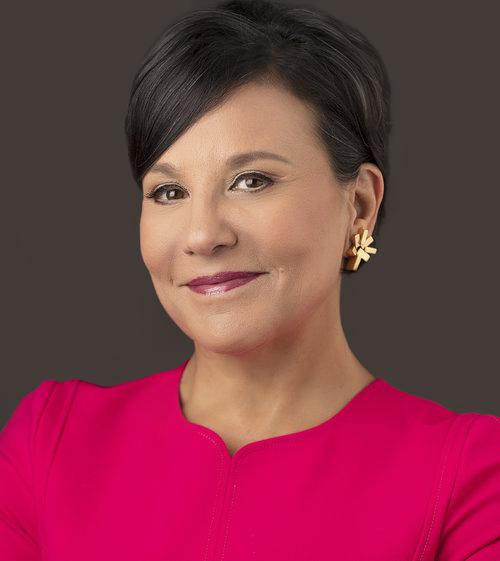
Penny Pritzker
Hon. Penny Pritzker is chairman of the board of trustees of the Carnegie Endowment for International Peace and the founder and chairman of PSP Partners.
Carnegie does not take institutional positions on public policy issues; the views represented herein are those of the author(s) and do not necessarily reflect the views of Carnegie, its staff, or its trustees.

Effective nuclear arms control engagement with China will likely require confidence-building measures by the United States and greater support from the international community.

Tong Zhao