

Q&A
- +2
Judy Dempsey, Alexander Gabuev, Rose Gottemoeller, …
{
  "authors": [
    "Rose Gottemoeller"
  ],
  "type": "other",
  "centerAffiliationAll": "dc",
  "centers": [
    "Carnegie Endowment for International Peace"
  ],
  "collections": [],
  "englishNewsletterAll": "ctw",
  "nonEnglishNewsletterAll": "",
  "primaryCenter": "Carnegie Endowment for International Peace",
  "programAffiliation": "NPP",
  "programs": [
    "Nuclear Policy"
  ],
  "projects": [],
  "regions": [],
  "topics": [
    "Security",
    "Nuclear Policy",
    "Arms Control"
  ]
}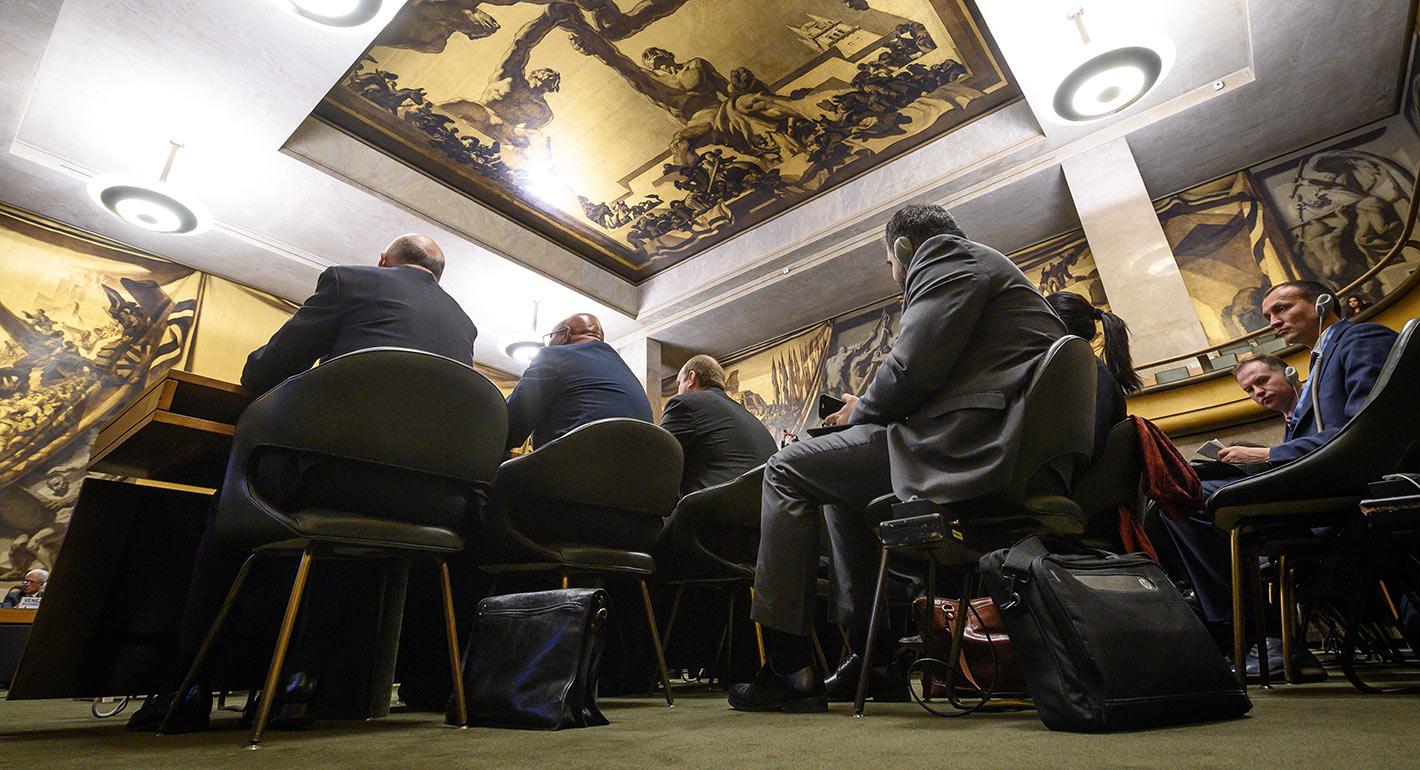
Source: Getty
Where is nuclear arms control—negotiated restraints on the deadliest weapons of mass destruction—headed?
Source: Washington Quarterly
Where is nuclear arms control—negotiated restraints on the deadliest weapons of mass destruction—headed? This 50-year tool of US national security policy is currently under attack. The New Strategic Arms Reduction Treaty (New START), the last remaining nuclear arms agreement with the Russian Federation, will go out of force in February 2021 unless it is extended for an additional five years as the treaty permits. At this moment, nothing is on the horizon to replace it, though the Trump administration has promised a new and more extensive agreement that includes China as well as Russia. The negotiators have scant time to finish such a treaty before New START ends.
Nuclear arms control is not “dead,” however, contrary to what is fashionable to proclaim these days. Humankind is now used to negotiated restraint, if only as a way to avoid building up arms that do not defend people and their interests on a day-to-day basis. If we overspend on nuclear weapons, then we underspend on other systems—not just conventional weapons, but also the intelligence, reconnaissance, surveillance, communications, and command-and-control systems needed to make our defenses effective every day. Budget and opportunity costs are at the heart of the rationale.
This article was originally published in the Washington Quarterly.

Nonresident Senior Fellow, Nuclear Policy Program
Rose Gottemoeller is a nonresident senior fellow in Carnegie’s Nuclear Policy Program. She also serves as lecturer at Stanford University’s Freeman Spogli Institute for International Studies and is a research fellow at the Hoover Institution. Ambassador Gottemoeller served as the deputy secretary general of NATO from 2016 to 2019.
Recent Work


Judy Dempsey, Alexander Gabuev, Rose Gottemoeller, …
Carnegie does not take institutional positions on public policy issues; the views represented herein are those of the author(s) and do not necessarily reflect the views of Carnegie, its staff, or its trustees.

The nuclear relationship between China and the United States is increasingly shaped by widening perception gaps rather than deliberate strategic design.

Tong Zhao
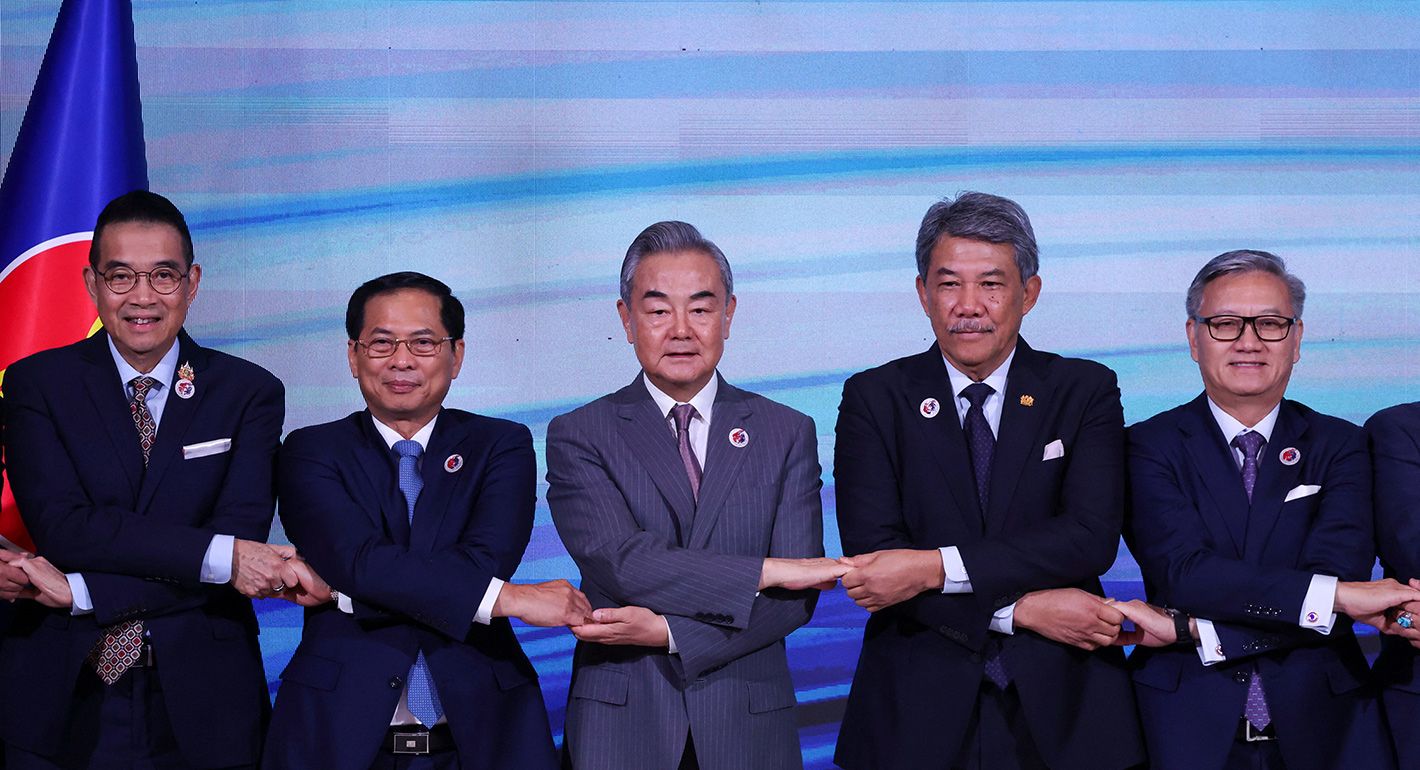
The Thai-Cambodian conflict highlights the limits to China's peacemaker ambition and the significance of this role on Southeast Asia’s balance of power.

Pongphisoot (Paul) Busbarat
Beijing believes that Washington is overestimating its own leverage and its ability to handle the trade war’s impacts.


Rick Waters, Sheena Chestnut Greitens
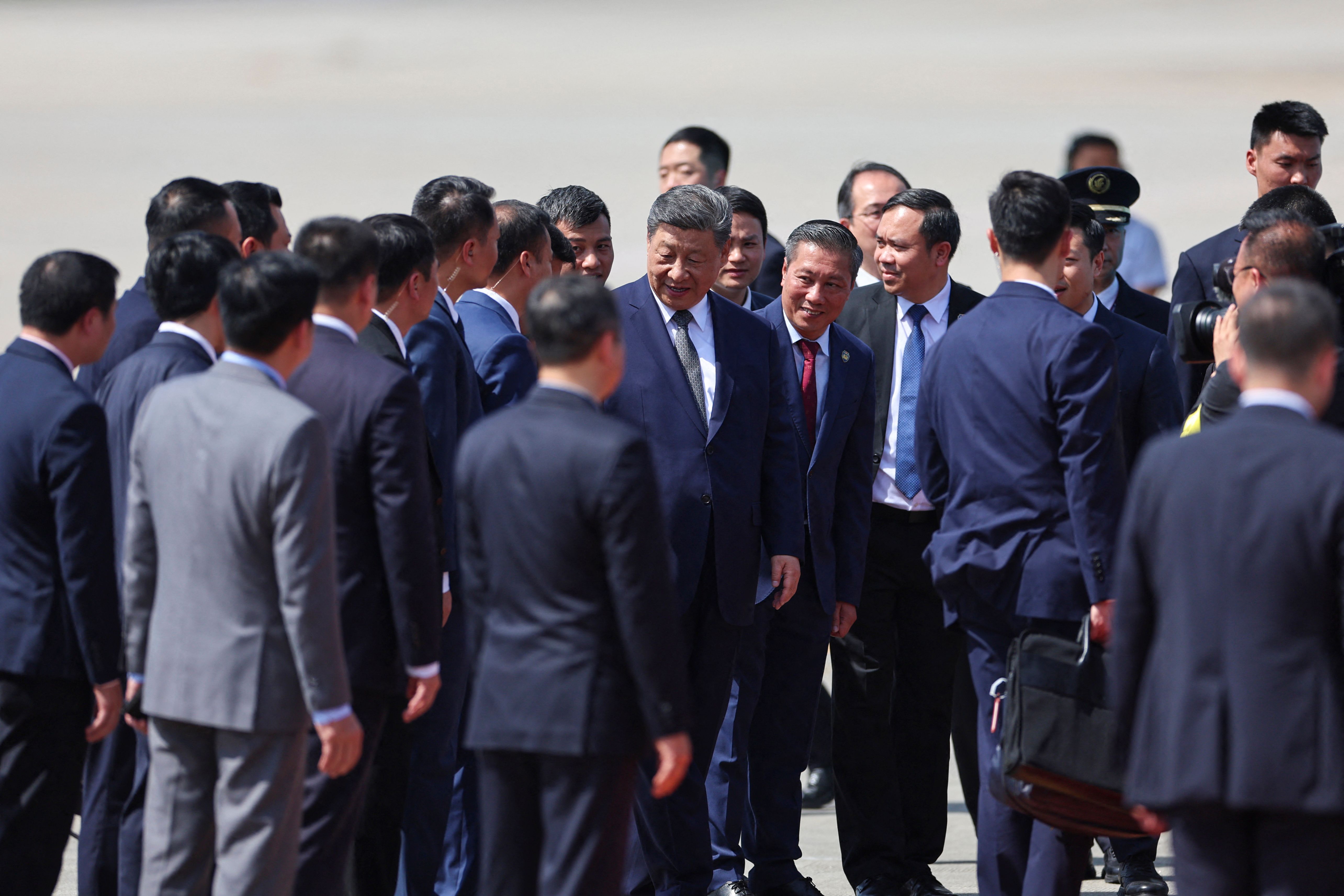
Tapping our network of China experts in the region, Carnegie China offers this latest “China Through a Southeast Asian Lens” report to offer preliminary assessments of whether the U.S. effort to reshape the global trading order will lead countries in the region to tilt toward Beijing.



Selina Ho, Khin Khin Kyaw Kyee, Joseph Ching Velasco, …
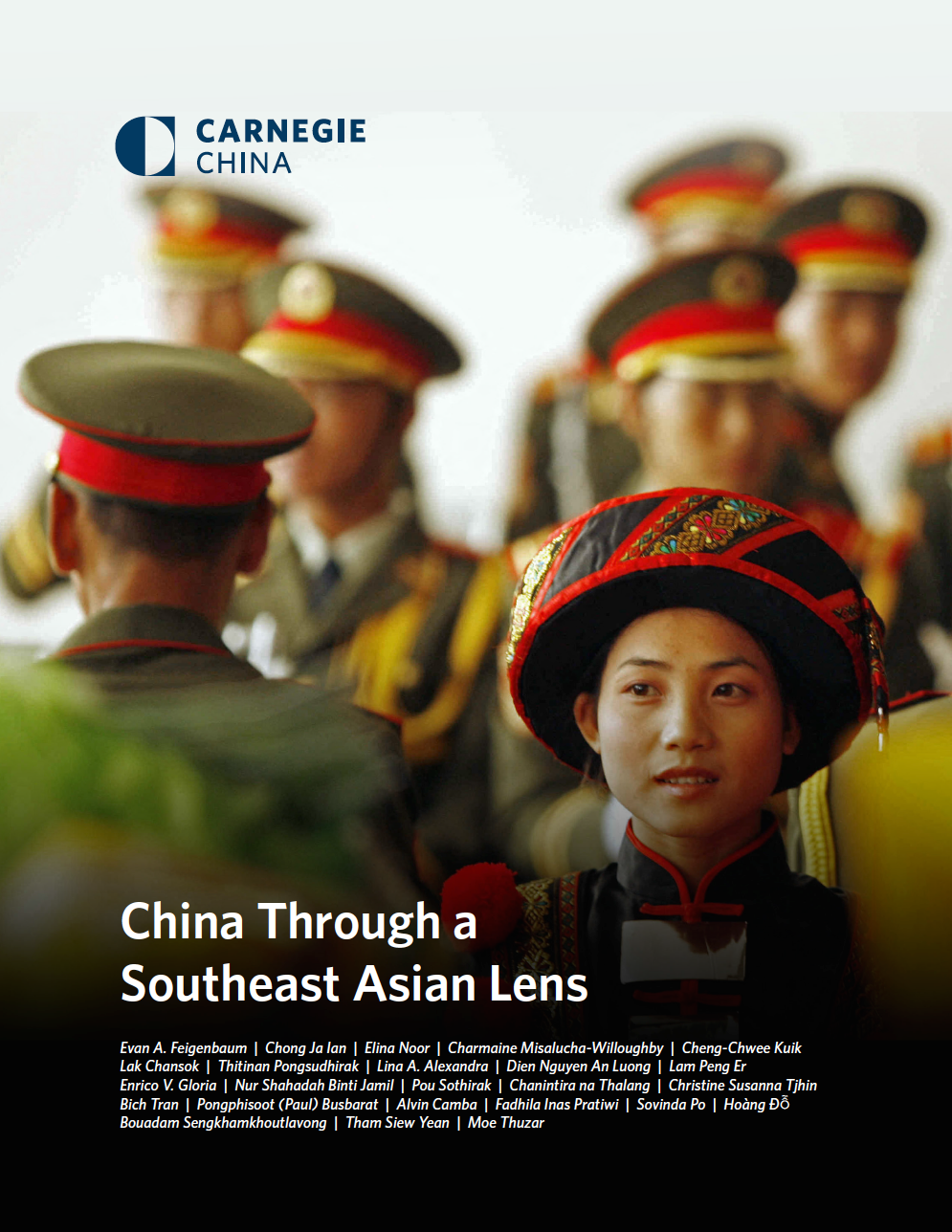
Because strategic, economic, and ideological perceptions of China contain multiple, sometimes contradictory facets in Southeast Asia, receptions of and responses to Beijing diverge across and within state lines.



Evan A. Feigenbaum, Chong Ja Ian, Elina Noor