

Commentary
Ulrich Kühn
{
  "authors": [
    "Ulrich Kühn"
  ],
  "type": "other",
  "centerAffiliationAll": "dc",
  "centers": [
    "Carnegie Endowment for International Peace"
  ],
  "collections": [],
  "englishNewsletterAll": "ctw",
  "nonEnglishNewsletterAll": "",
  "primaryCenter": "Carnegie Endowment for International Peace",
  "programAffiliation": "NPP",
  "programs": [
    "Nuclear Policy"
  ],
  "projects": [],
  "regions": [
    "Russia",
    "Eastern Europe",
    "Western Europe"
  ],
  "topics": [
    "Nuclear Policy",
    "Arms Control"
  ]
}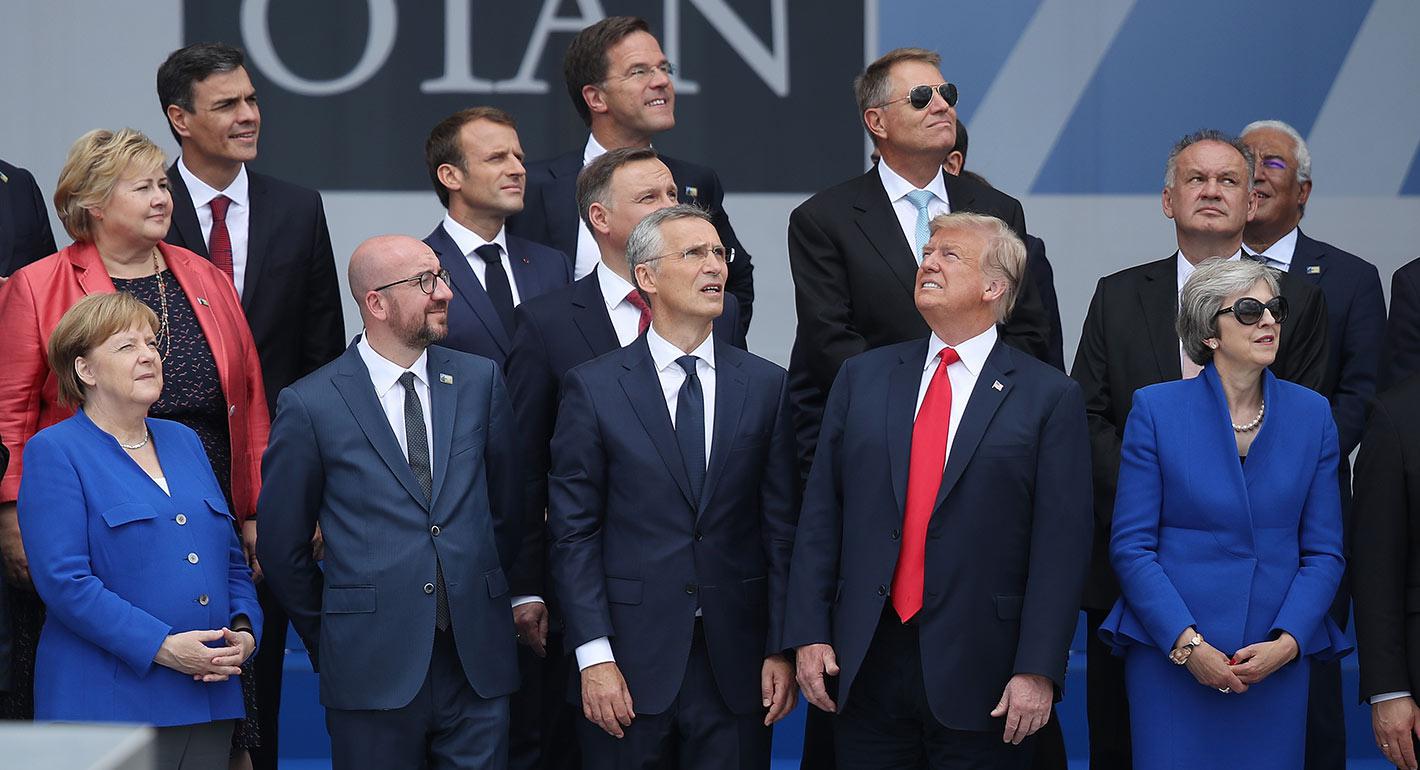
Source: Getty
The end of the INF Treaty and debates over NATO’s nuclear sharing arrangements could spell the end of nuclear arms control.
Source: Turkish Policy Quarterly
In the summer of 2019, the Administration of US President Donald Trump decided to quit the Intermediate-Range Nuclear Forces (INF) Treaty. Since 2014, the United States had been publicly accusing Moscow of violating the Treaty by flight-testing a ground-launched cruise missile (GLCM) in the ranges banned by the INF Treaty (500–5,500 km).[1] Subsequently, US officials expressed concerns that Russia might have started to produce more missiles than needed to sustain a flight-test program.[2] Russia rejected the accusations and tabled a number of counter-allegations against the United States.[3] The diplomatic back-and-forth finally culminated in the US’ decision to withdraw from the Treaty—a decision with potentially wide-ranging repercussions for the security of Europe and East Asia.
Back in July 2018, NATO heads of state and governments had reaffirmed their intention to “remain fully committed to the preservation of this landmark arms control treaty.”[4] Trump’s withdrawal announcement, therefore, came as a surprise to most US Allies. In the following weeks, US officials began to provide more details about the Russian violation. According to these public statements, Russia had tested a GLCM, the Novator 9M729 (NATO designation SSC-8, “Screwdriver”) from both fixed and mobile launchers, far surpassing a range beyond the INF compliance threshold.[5] Even the German government, which had previously been hesitant to call out Russia publicly, shifted course. On 20 November 2018, German Chancellor Angela Merkel stated “[they] [knew]” that Russia had not been complying with the INF “for some time.”[6] In December 2018, NATO Allies announced that they “strongly support the finding of the United States that Russia is in material breach of its obligations under the INF Treaty.”[7] A last-ditch effort to find a diplomatic solution to the crisis, suggested by Chancellor Merkel, would only delay US withdrawal from the INF Treaty. On 1 February 2019, Donald Trump declared that the United States would exit the INF Treaty six months later. On 2 August 2019, INF became history.
This article was originally published in Turkish Policy Quarterly.
[1] US Department of State, “Adherence to and Compliance with Arms Control, Nonproliferation, and Disarmament Agreements and Commitments,” April 2017, https://www.state.gov/2017-report-on-adherence-to-and-compliance-with-arms-control-nonproliferation-and-disarmament-agreements-and-commitments/
[2] Michael R. Gordon, “Russia Is Moving Ahead with Missile Program That Violates Treaty, U.S. Officials Say, New York Times, 19 October 2016, http://www.nytimes.com/2016/10/20/world/europe/russia-missiles-inf-treaty.html?_r=0
[3] The Ministry of Foreign Affairs of the Russian Federation, “Comments on the Report of the U.S. Department of State on Adherence to and Compliance with Arms Control, Nonproliferation, and Disarmament Agreements and Commitments,” 1 August 2014, http://www.mid.ru/brp_4.nsf/0/D2D396AE143B098144257D2A0054C7FD
[4] “NATO Brussels Summit Declaration Issued by the Heads of State and Government participating in the meeting of the North Atlantic Council in Brussels,” 11-12 July 2018, www.nato.int/cps/en/natohq/official_texts_156624.htm
[5] Office of the Director of National Intelligence, “Director of National Intelligence Daniel Coats on Russia’s INF Treaty Violation,” 30 November 2018, www.dni.gov/index.php/newsroom/speeches-interviews/item/1923-director-of-national-intelligence-daniel-coats-on-russia-s-inf-treaty-violation
[6] Pressestatements von Bundeskanzlerin Merkel und dem dänischen Ministerpräsidenten Rasmussen [Press statement of Chancellor Merkel and Danish Prime Minister Rasmussen], 20 November 2018, www.bundeskanzlerin.de/bkin-de/aktuelles/pressestatements-von-bundeskanzlerin-merkel-und-dem-daenischen-ministerpraesidenten-rasmussen-1552136
[7] Statement on the Intermediate-Range Nuclear Forces (INF) Treaty Issued by the NATO Foreign Ministers, Brussels, 4 December 2018, https://www.nato.int/cps/en/natohq/official_texts_161122.htm

Former Nonresident Scholar, Nuclear Policy Program
Ulrich Kühn was a nonresident scholar at the Carnegie Endowment for International Peace, and the head of the arms control and emerging technologies program at the Institute for Peace Research and Security Policy at the University of Hamburg.
Recent Work
Ulrich Kühn
Ulrich Kühn
Carnegie does not take institutional positions on public policy issues; the views represented herein are those of the author(s) and do not necessarily reflect the views of Carnegie, its staff, or its trustees.

The nuclear relationship between China and the United States is increasingly shaped by widening perception gaps rather than deliberate strategic design.

Tong Zhao
Beijing is trying to navigate the overall situation regarding Ukraine, especially the substance of interactions between Washington and Moscow.


Ellen Nakashima, Zhao Long, Pavlo Klimkin, …
While China will remain a significant political and economic force in the Global South, its ambition to leverage the Global South as a counterbalance to the United States and the Global North is far from assured.

Xue Gong
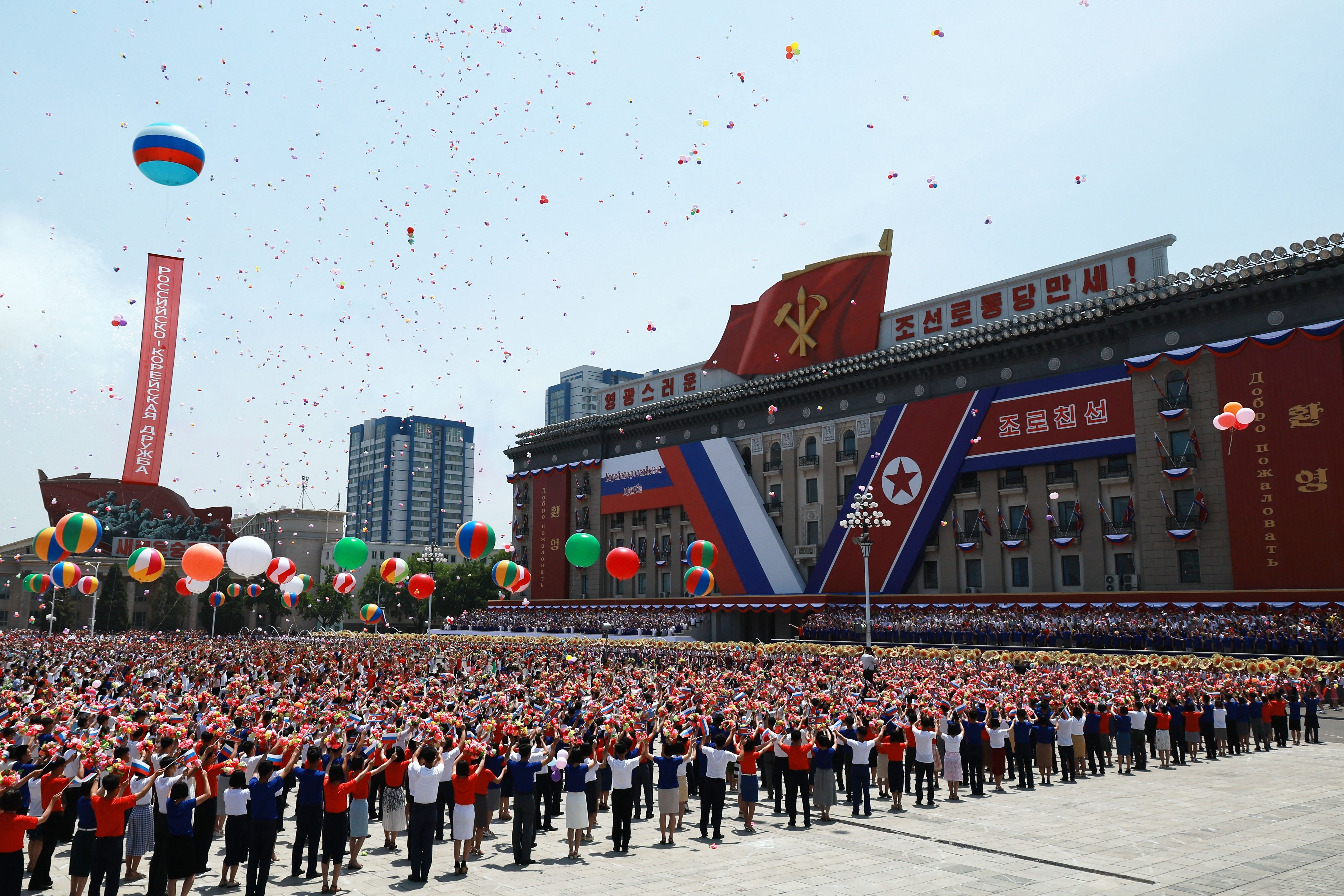
Faced with an increase in strategic maneuvering by Moscow and Pyongyang, Beijing will not sit idly by and allow Putin and Kim to shape the security environment on its behalf.
Tong Zhao
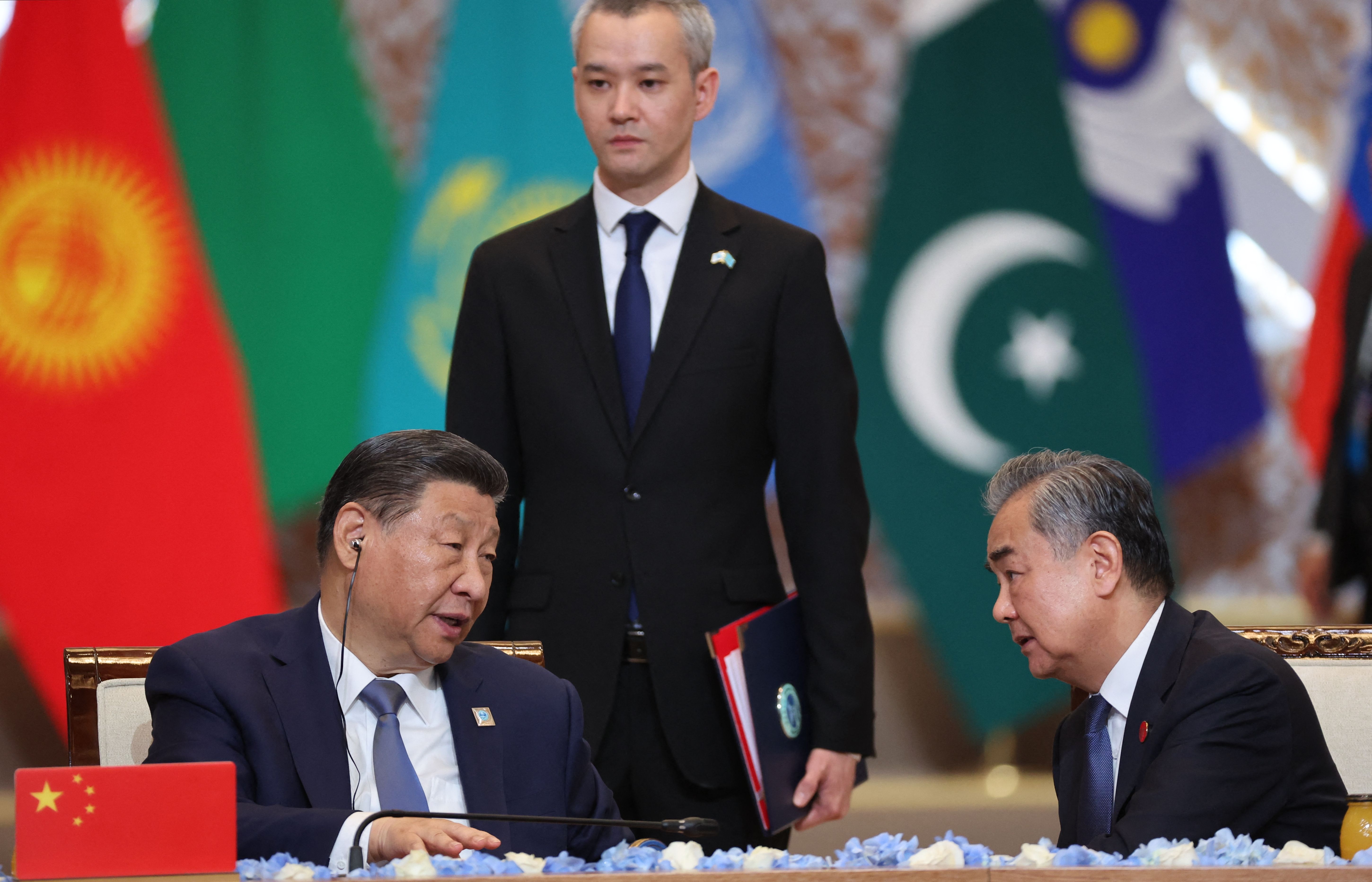
China’s growing attention to Central Asia is perceived as a harbinger of tectonic shifts in regional geopolitics.

Temur Umarov