

Article
Paul Stronski
{
  "authors": [
    "Paul Stronski"
  ],
  "type": "legacyinthemedia",
  "centerAffiliationAll": "dc",
  "centers": [
    "Carnegie Endowment for International Peace"
  ],
  "collections": [],
  "englishNewsletterAll": "ctw",
  "nonEnglishNewsletterAll": "",
  "primaryCenter": "Carnegie Endowment for International Peace",
  "programAffiliation": "russia",
  "programs": [
    "Russia and Eurasia"
  ],
  "projects": [],
  "regions": [
    "Central Asia",
    "Kyrgyz Republic"
  ],
  "topics": [
    "Political Reform",
    "Democracy"
  ]
}
Source: Getty
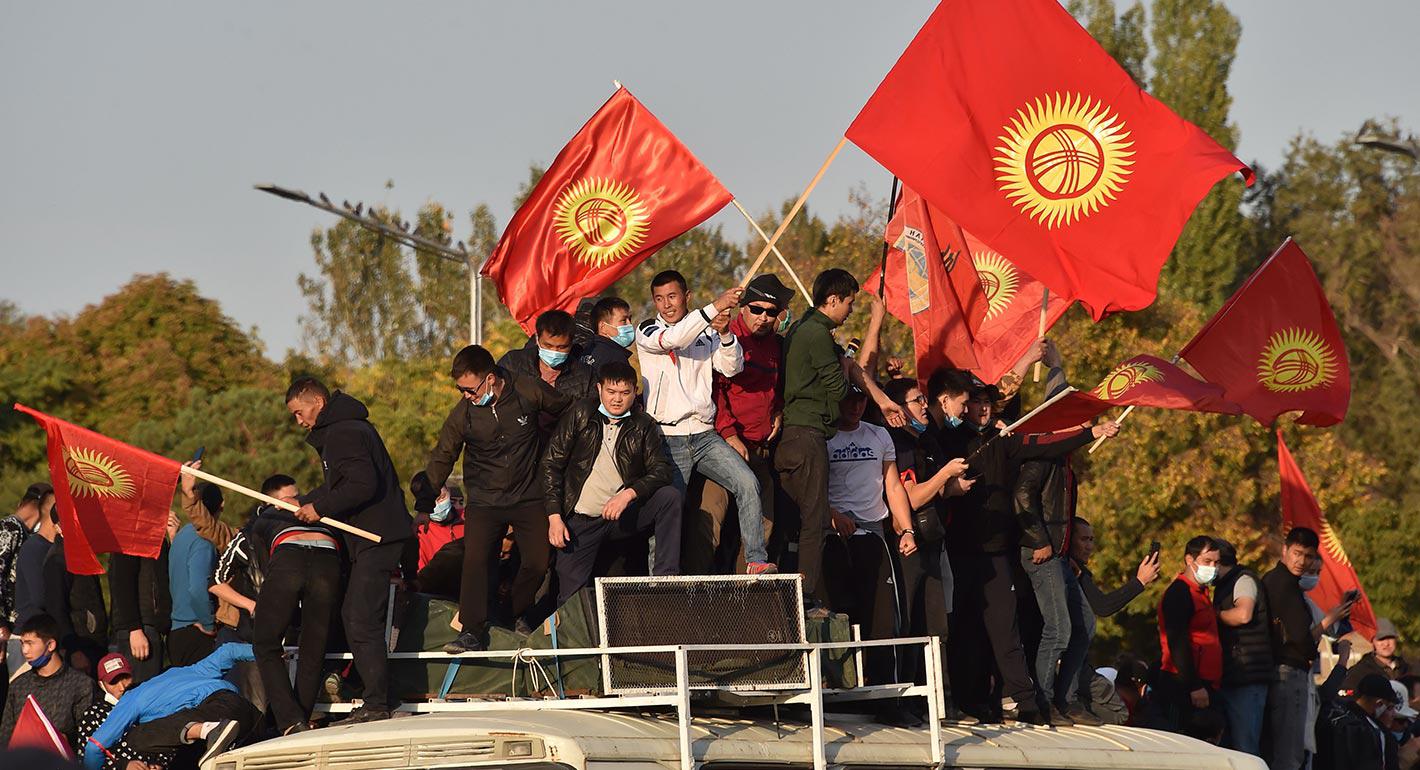
Kyrgyzstan is in the midst of historic political upheaval, spurred on by nearly three decades of government misrule, a frustrated civil society and the rise of unsavory criminal groups to positions of power. The Central Asian nation looks set for more volatility—and the Kyrgyz people will pay the price.
Source: World Politics Review
Kyrgyzstan is in the midst of historic political upheaval, spurred on by nearly three decades of government misrule, a frustrated civil society and the rise of unsavory criminal groups to positions of power. With the resignation last week of President Sooronbai Jeenbekov amid mass protests, and his shocking replacement by a convicted felon freshly sprung from jail, the Central Asian nation looks set for more volatility—and the Kyrgyz people will pay the price.
The trouble began with parliamentary elections on Oct. 4, which were marred by blatant evidence of fraud and vote-buying on behalf of government-friendly candidates. Official results showed two pro-regime parties winning a majority of seats, implausibly suggesting an unpopular government had been returned resoundingly to power. While unfair elections are not new for Kyrgyzstan, this vote followed a decade of efforts to clean up the country’s electoral process and make it more transparent. Many Kyrgyz saw the sudden return to old practices as a slap in the face, pushing them into the streets to voice their dismay.
It appeared to be the start of the country’s third grassroots uprising since its independence in 1991. Yet, peaceful protests soon devolved into a power struggle between rival political factions when violent groups hijacked the demonstrations and began looting businesses. During a chaotic night of protests that began on Oct. 5 and lasted into the next day, an angry mob stormed the White House complex in the capital, Bishkek, where parliament and the president’s offices are located, with calls for Jeenbekov to resign. One demonstrator was killed and hundreds more injured as security forces used tear gas, water cannons, rubber bullets and stun grenades to disperse the crowds.
This article was originally published in the World Politics Review.
Former Senior Fellow, Russia and Eurasia Program
Paul Stronski was a senior fellow in Carnegie’s Russia and Eurasia Program, where his research focuses on the relationship between Russia and neighboring countries in Central Asia and the South Caucasus.
Recent Work
Paul Stronski
Paul Stronski
Carnegie does not take institutional positions on public policy issues; the views represented herein are those of the author(s) and do not necessarily reflect the views of Carnegie, its staff, or its trustees.

China’s political future will be shaped between now and next October. As the Communist Party enters its intense “campaign season” to prepare for a major political transition in 2027, reading Beijing's actions and responses may become more difficult as domestic politics weigh on its behavior more than usual.

Damien Ma
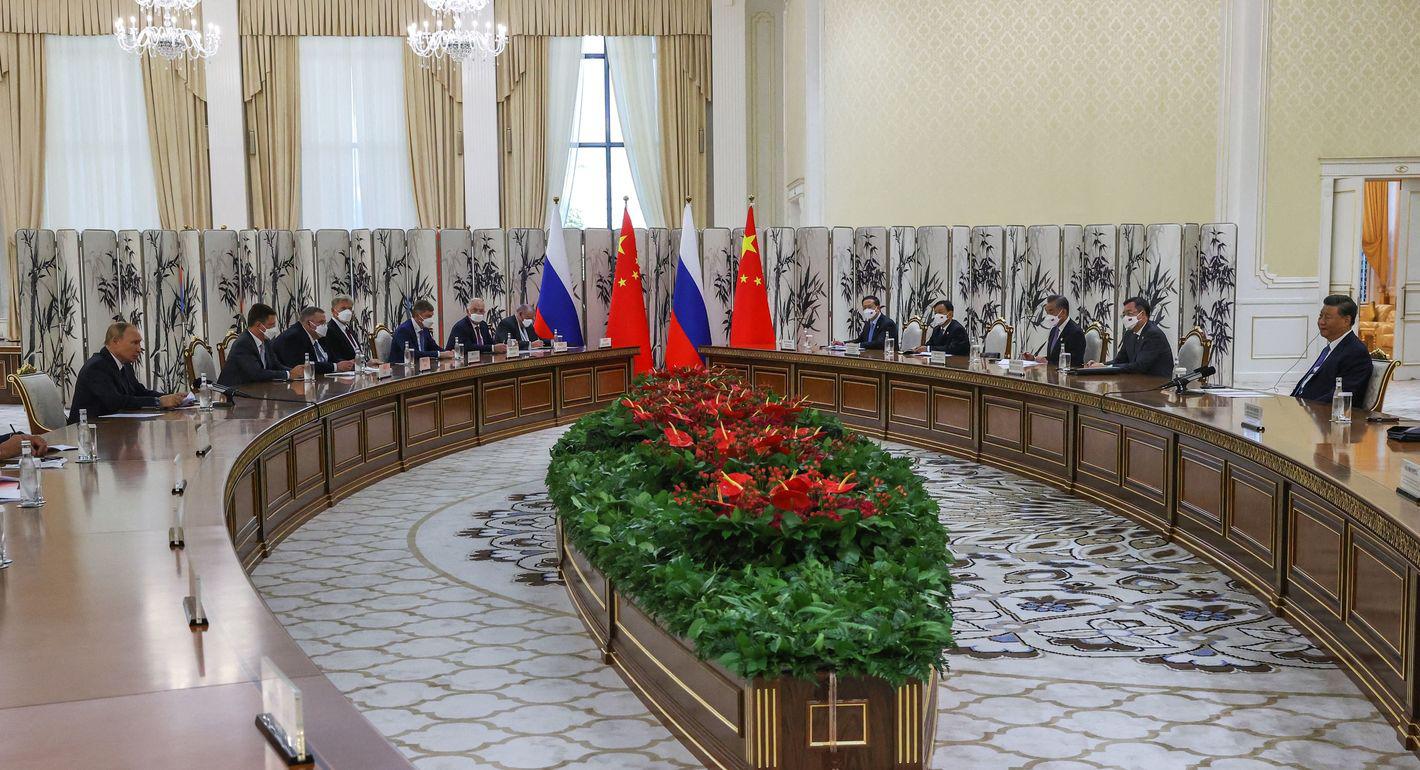
Russia has its Eurasian Economic Union, and China has its Belt and Road Initiative. For both projects, Central Asia is important.

Temur Umarov, Nargis Kassenova
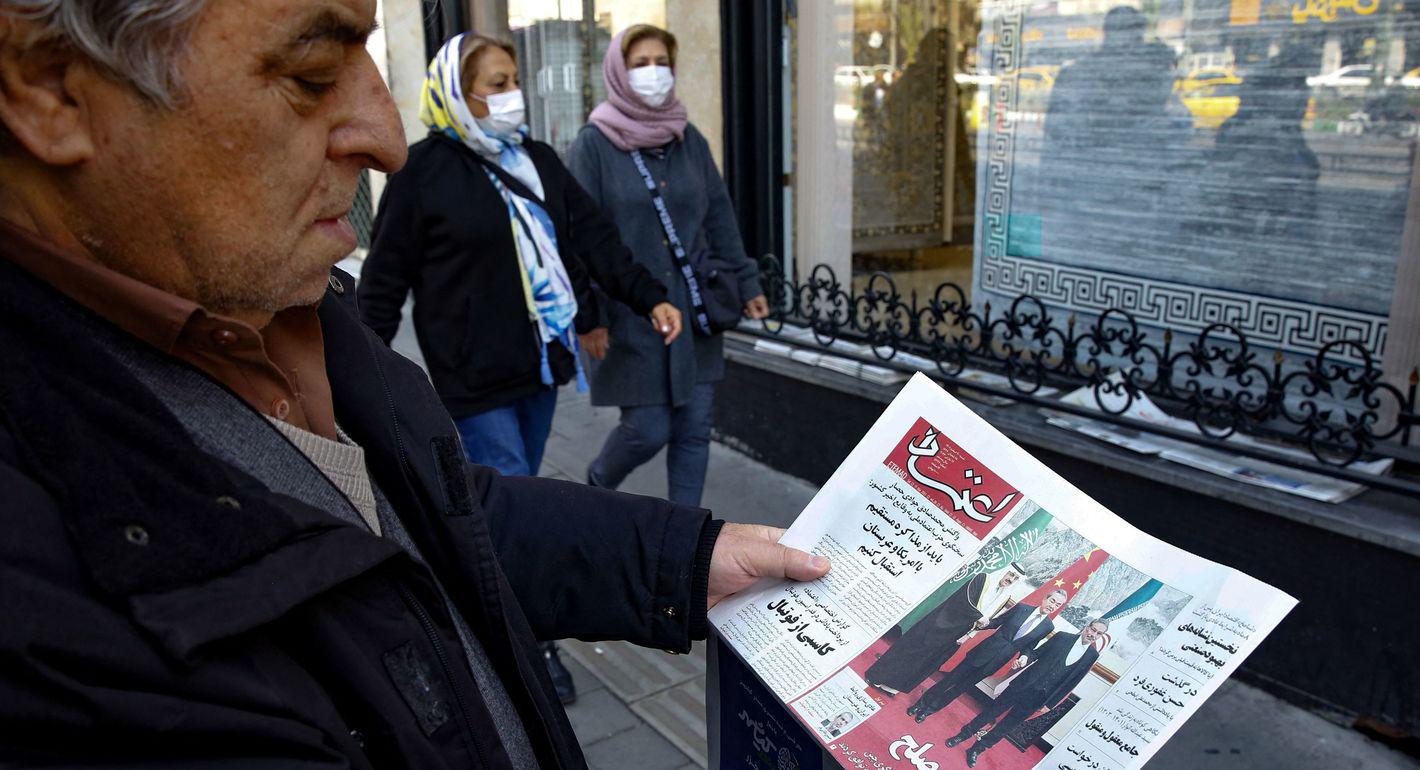
Transactional relationships are stable but can be shallow.
Paul Haenle, Maha Yahya, Benjamin Ho, …
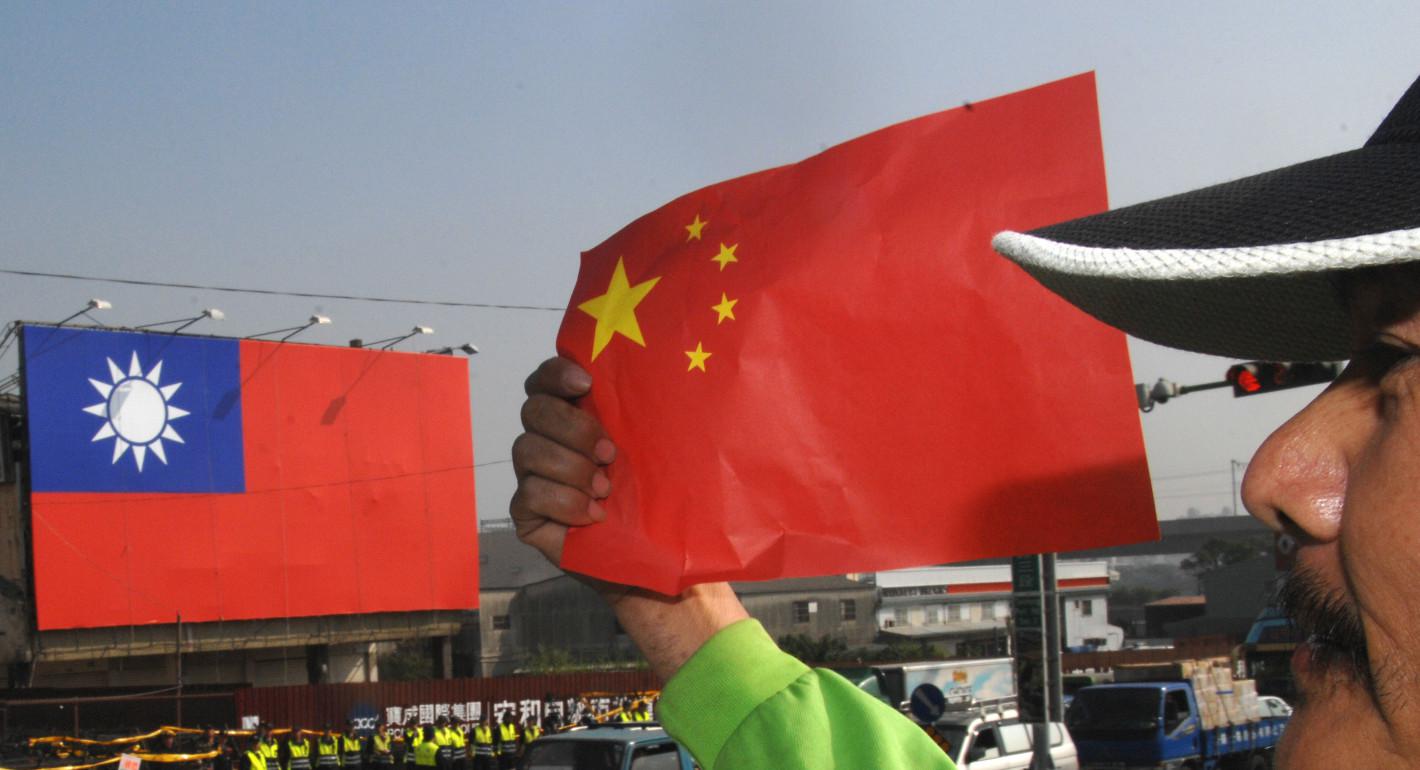
Beijing says that over 180 countries accept its “one China principle” regarding Taiwan, but the reality is more complicated.

Chong Ja Ian
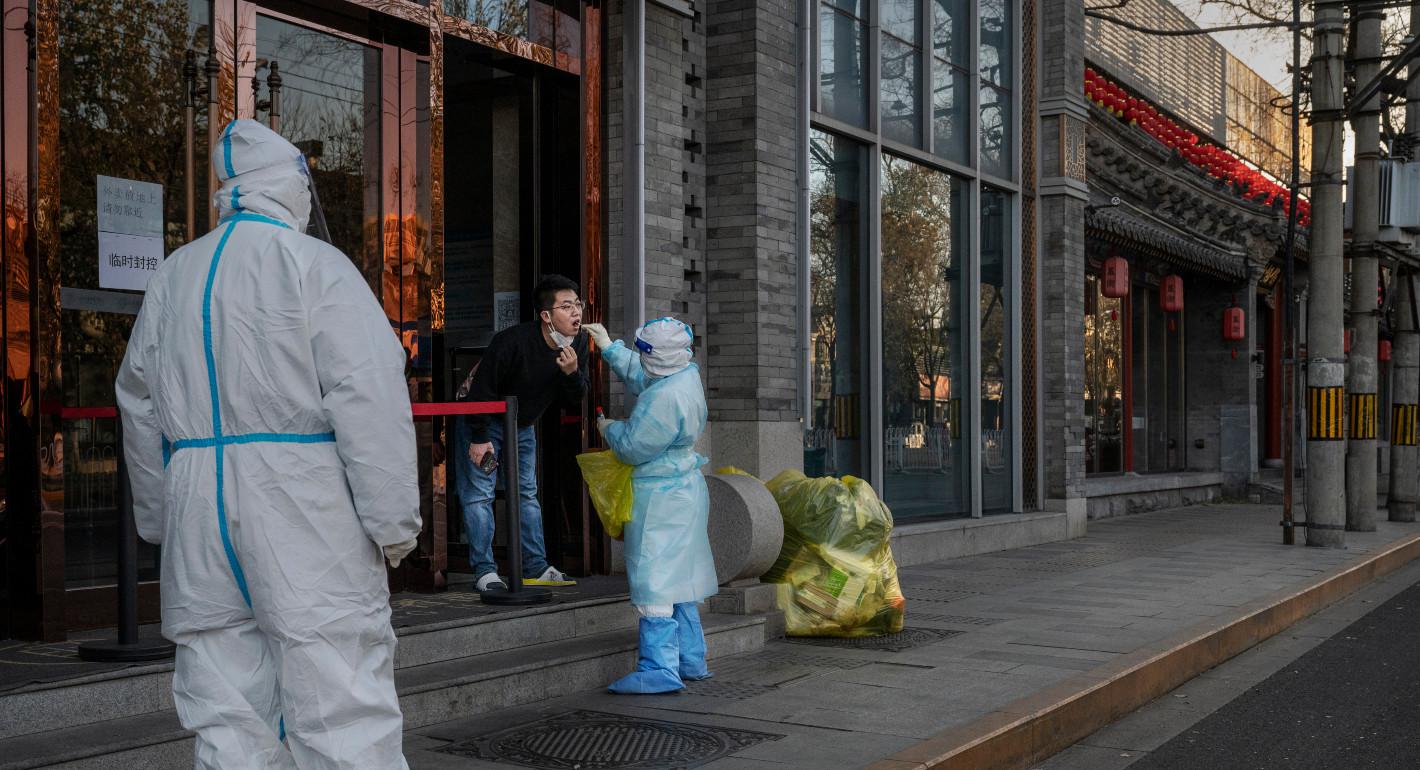
Beijing must choose between preserving its pandemic narrative or facing more unrest.
Paul Haenle