

Commentary
Oliver Stuenkel, Adrian Feinberg
{
  "authors": [
    "Oliver Stuenkel"
  ],
  "type": "legacyinthemedia",
  "centerAffiliationAll": "dc",
  "centers": [
    "Carnegie Endowment for International Peace"
  ],
  "collections": [],
  "englishNewsletterAll": "",
  "nonEnglishNewsletterAll": "",
  "primaryCenter": "Carnegie Endowment for International Peace",
  "programAffiliation": "DCG",
  "programs": [
    "Democracy, Conflict, and Governance"
  ],
  "projects": [],
  "regions": [
    "North America",
    "South America"
  ],
  "topics": [
    "Democracy"
  ]
}
REQUIRED IMAGE
Divisions over a candidate for a multilateral post show that obstacles to cooperation still remain, even with more ideological alignment.
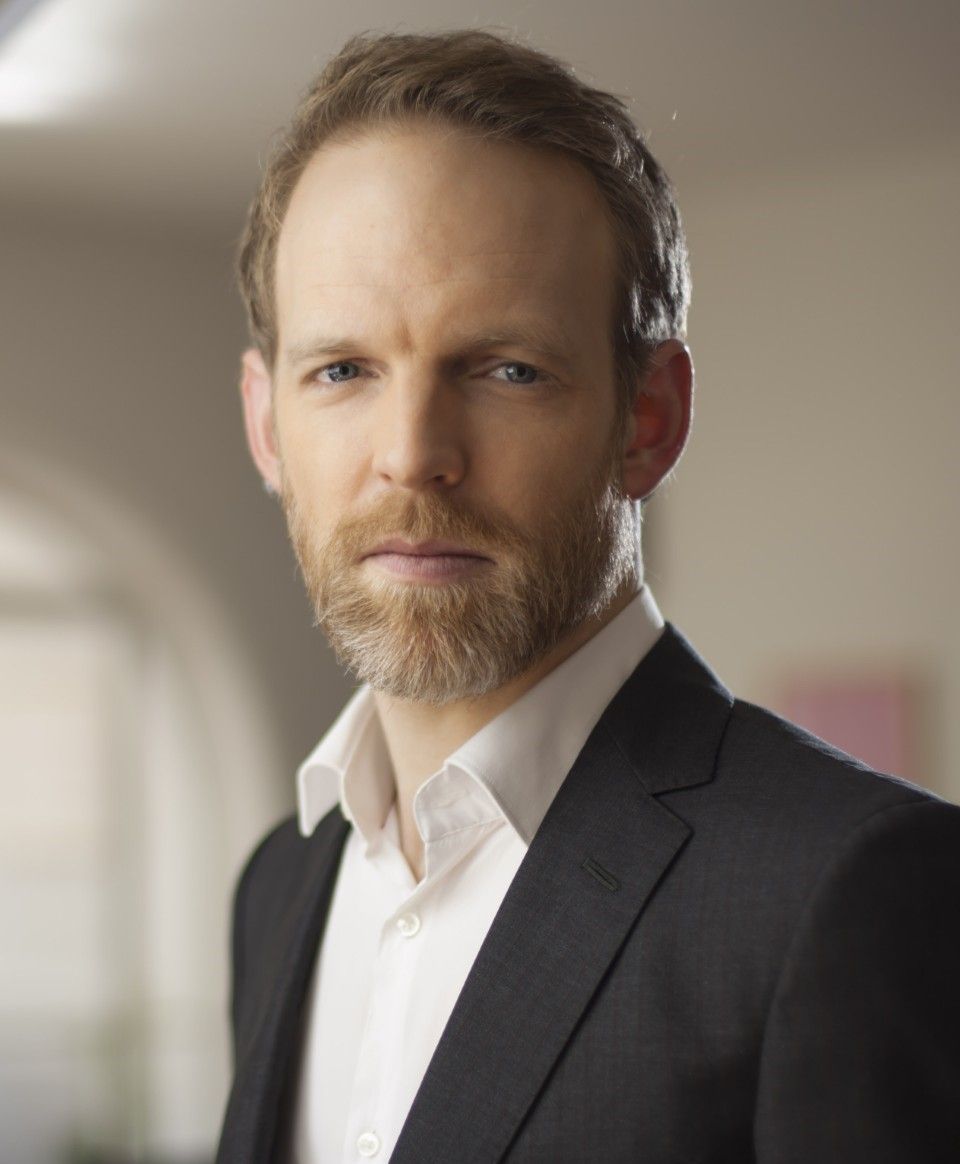
Senior Fellow, Democracy, Conflict, and Governance Program
Oliver Stuenkel is an associate professor at the School of International Relations at Fundação Getulio Vargas (FGV) in São Paulo, Brazil. He is also a senior fellow affiliated with the Democracy, Conflict, and Governance Program at the Carnegie Endowment for International Peace.
Recent Work
Oliver Stuenkel, Adrian Feinberg
Oliver Stuenkel, Adrian Feinberg
Carnegie does not take institutional positions on public policy issues; the views represented herein are those of the author(s) and do not necessarily reflect the views of Carnegie, its staff, or its trustees.
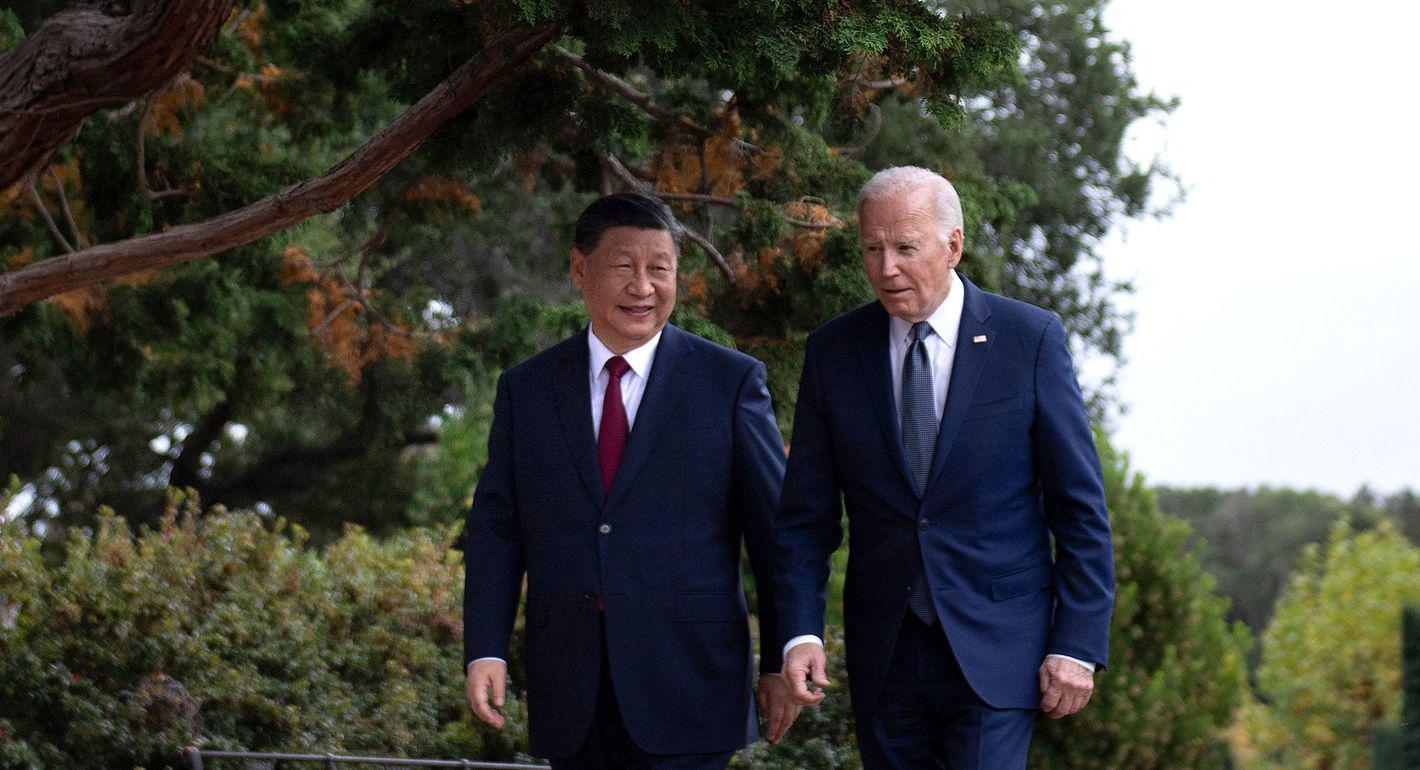
Carnegie China scholars share their assessment of the Biden-Xi meeting and its implications for U.S.-China relations going forward.


Paul Haenle, Xue Gong, Ngeow Chow Bing, …
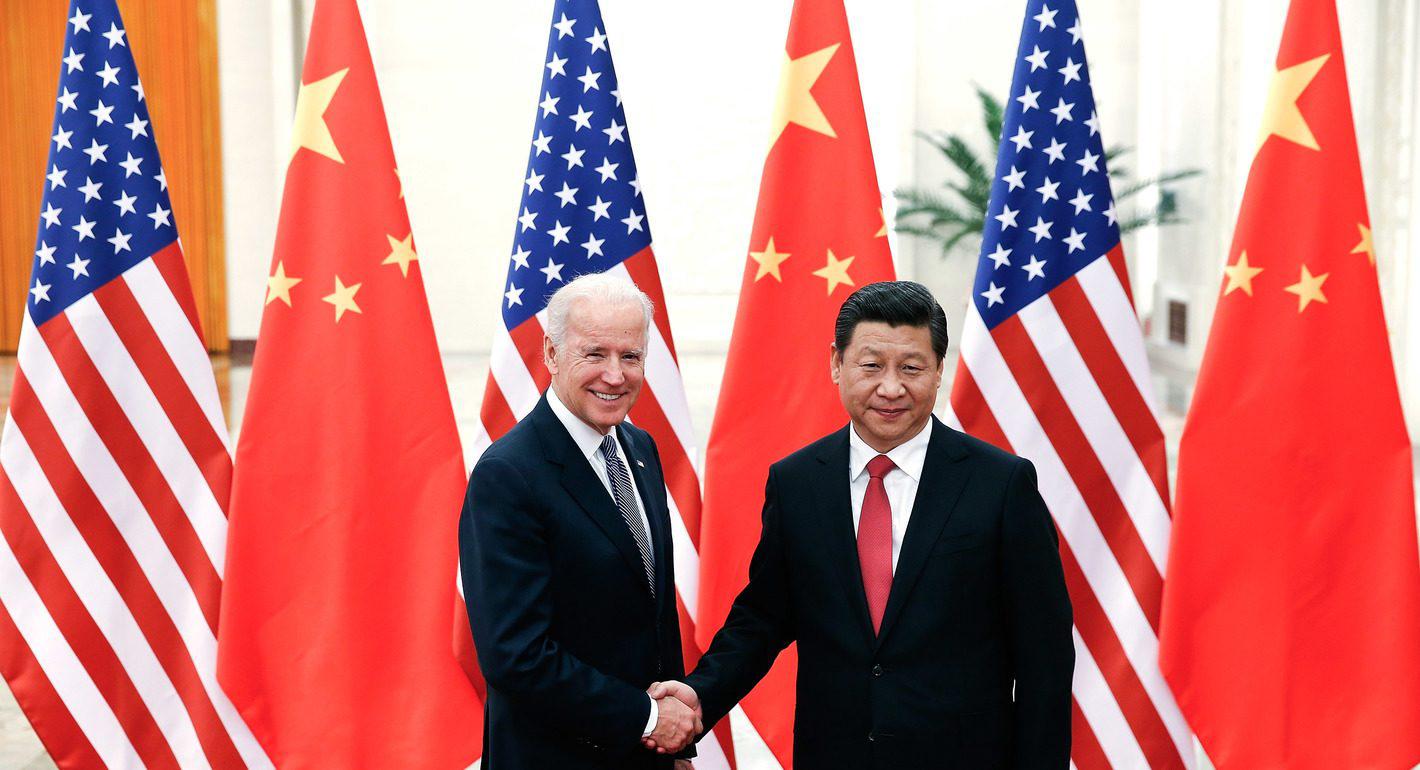
Southeast Asian capitals would prefer that the U.S. and PRC manage their relationship, if not get along.

Paul Haenle, Chong Ja Ian
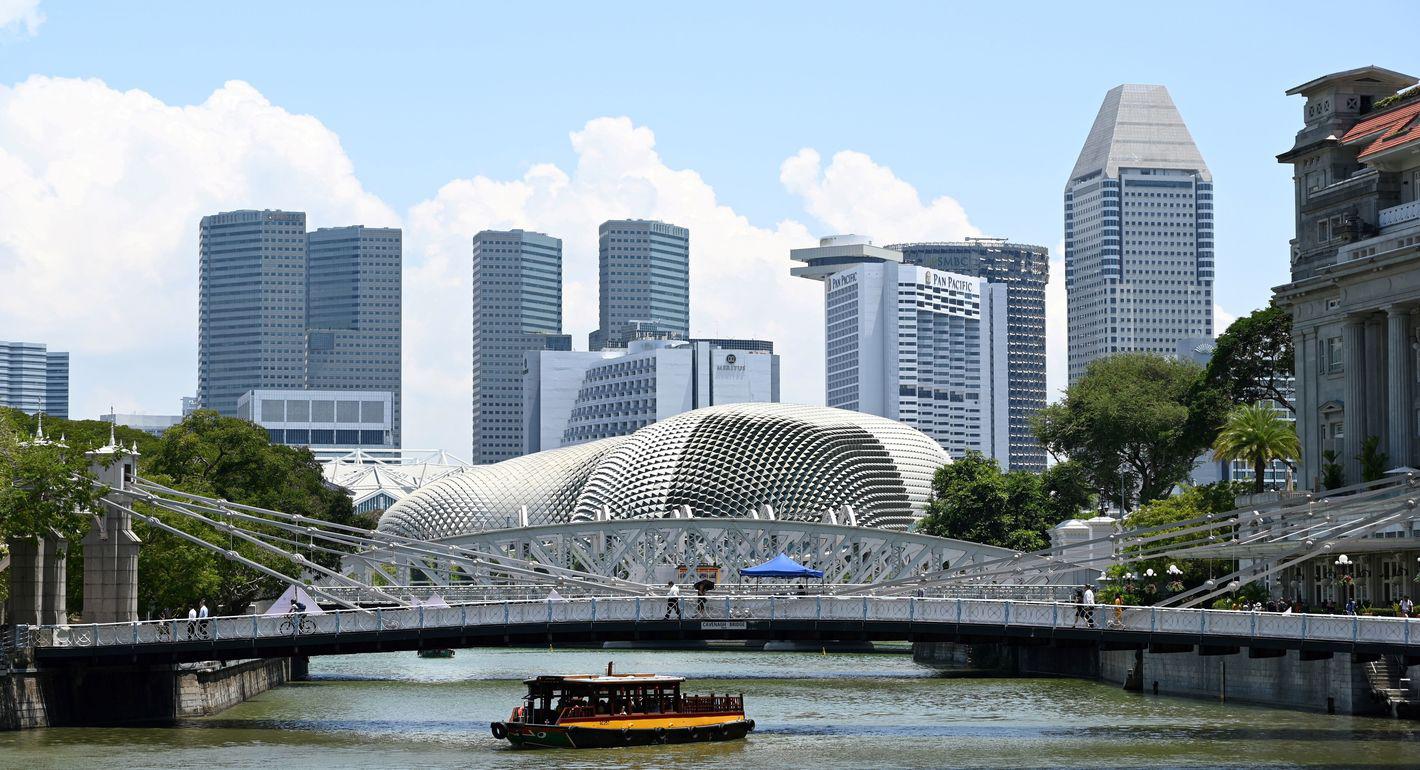
As the world undergoes a new round of fragmentation and major power rivalry that includes the advancing of divergent visions of global order, Singapore is discovering that its interests are increasingly being pulled in different directions.
Chong Ja Ian
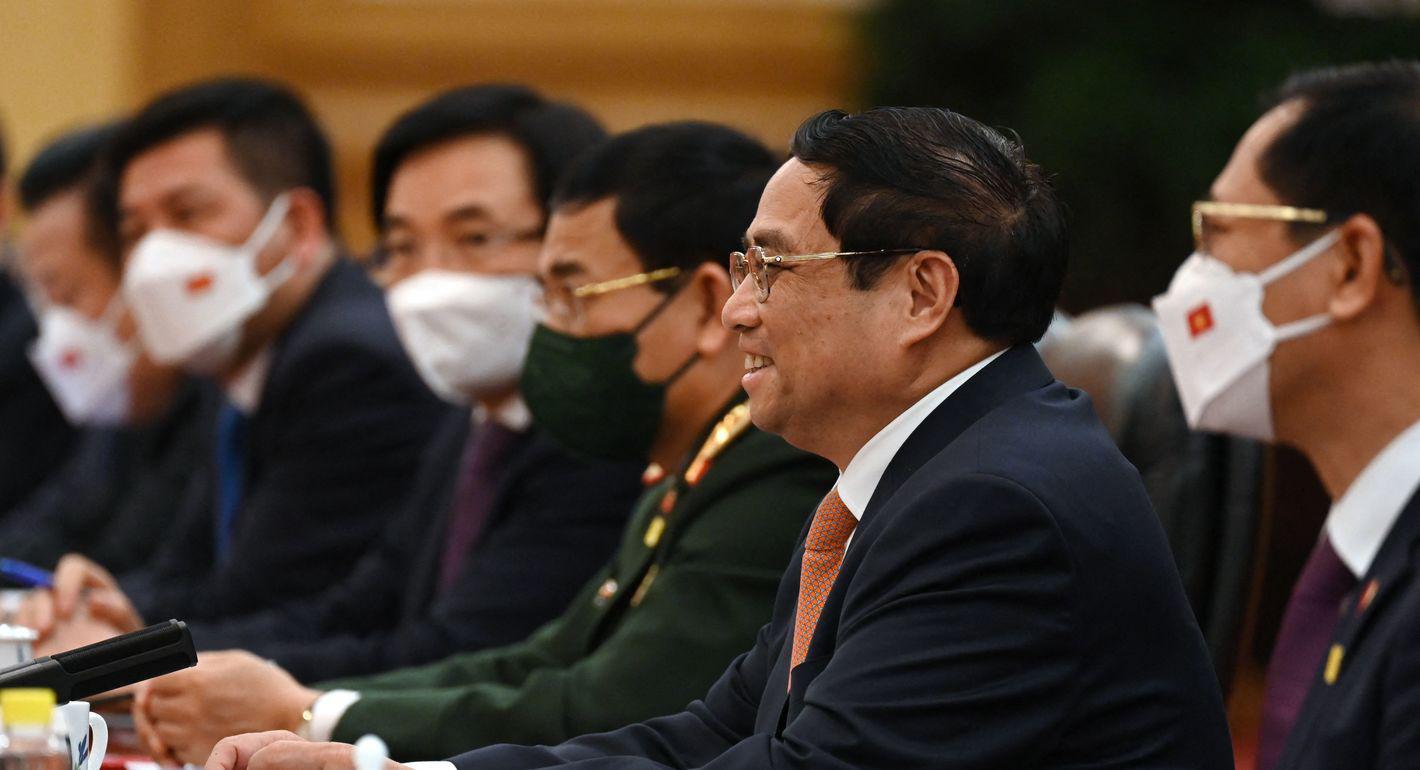
There is a certain level of restraint, but there is also a lingering distrust.
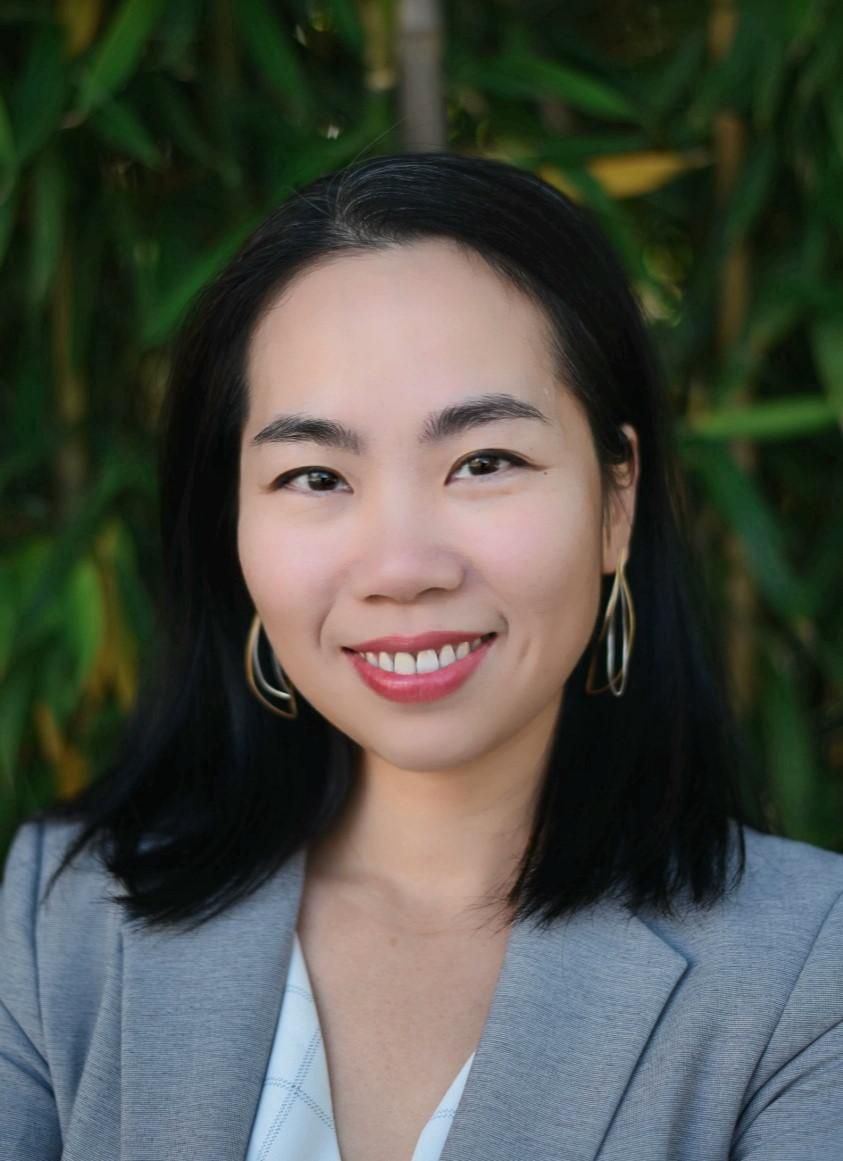
Paul Haenle, Huong Le Thu
China views U.S. missile defense as posing a greater potential threat to China’s nuclear deterrent than other U.S. military capabilities.

Tong Zhao, Dmitry Stefanovich