

Commentary
Saskia Brechenmacher, Shreya Joshi
{
  "authors": [
    "Saskia Brechenmacher"
  ],
  "type": "legacyinthemedia",
  "centerAffiliationAll": "dc",
  "centers": [
    "Carnegie Endowment for International Peace"
  ],
  "collections": [],
  "englishNewsletterAll": "democracy",
  "nonEnglishNewsletterAll": "",
  "primaryCenter": "Carnegie Endowment for International Peace",
  "programAffiliation": "DCG",
  "programs": [
    "Democracy, Conflict, and Governance"
  ],
  "projects": [],
  "regions": [
    "North Africa",
    "Egypt"
  ],
  "topics": [
    "Democracy"
  ]
}
REQUIRED IMAGE
An examination of how local organizations and international actors can nurture democratic change in authoritarian states through a qualitative analysis of the activities of Egyptian philanthropic foundations and development organizations before and after the 2011 uprisings.
Senior Fellow, Democracy, Conflict, and Governance Program
Saskia Brechenmacher is a senior fellow in Carnegie’s Democracy, Conflict, and Governance Program, where her research focuses on democratic erosion, gender, and civic activism in the United States and globally. She also serves on the board of the International Center for Not-for-Profit Law.
Recent Work
Saskia Brechenmacher, Shreya Joshi

Saskia Brechenmacher, Frances Z. Brown
Carnegie does not take institutional positions on public policy issues; the views represented herein are those of the author(s) and do not necessarily reflect the views of Carnegie, its staff, or its trustees.
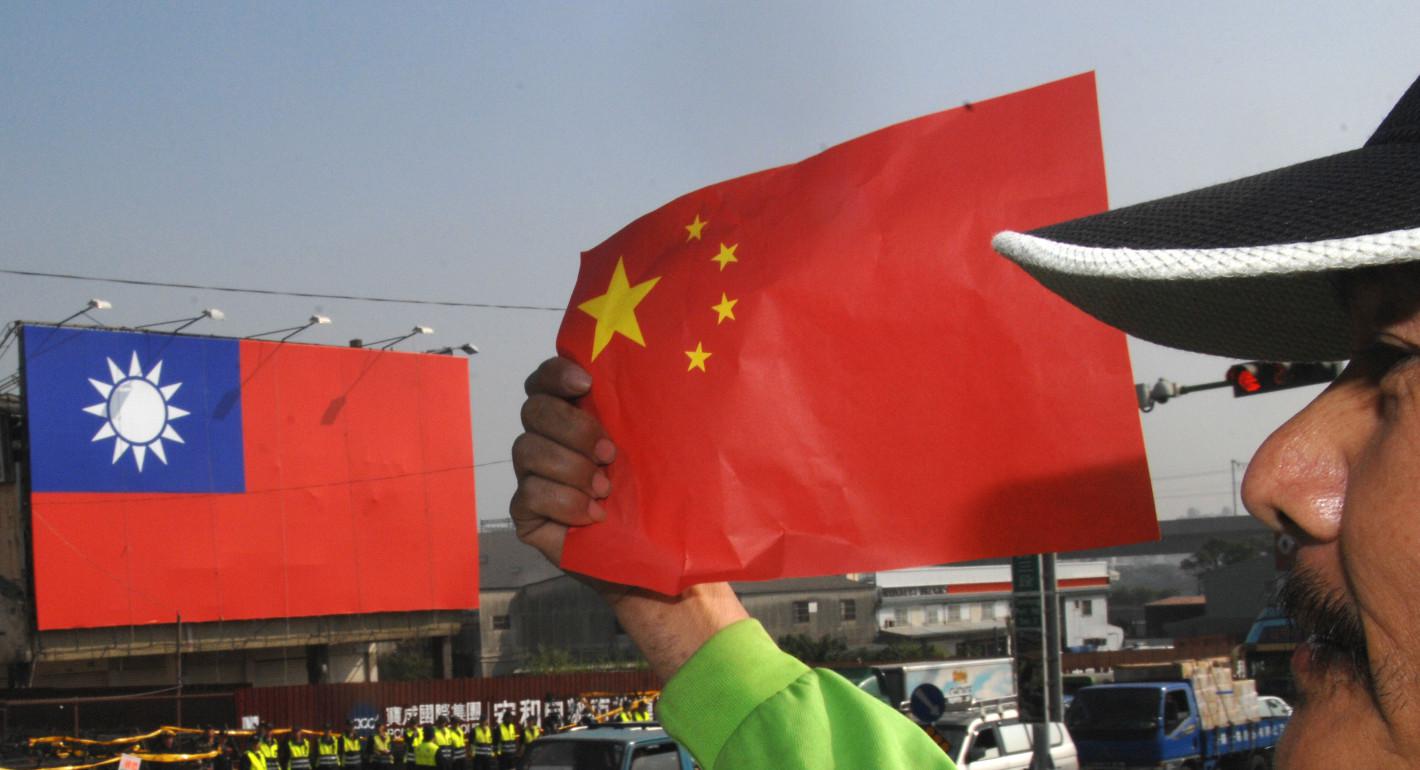
Beijing says that over 180 countries accept its “one China principle” regarding Taiwan, but the reality is more complicated.

Chong Ja Ian
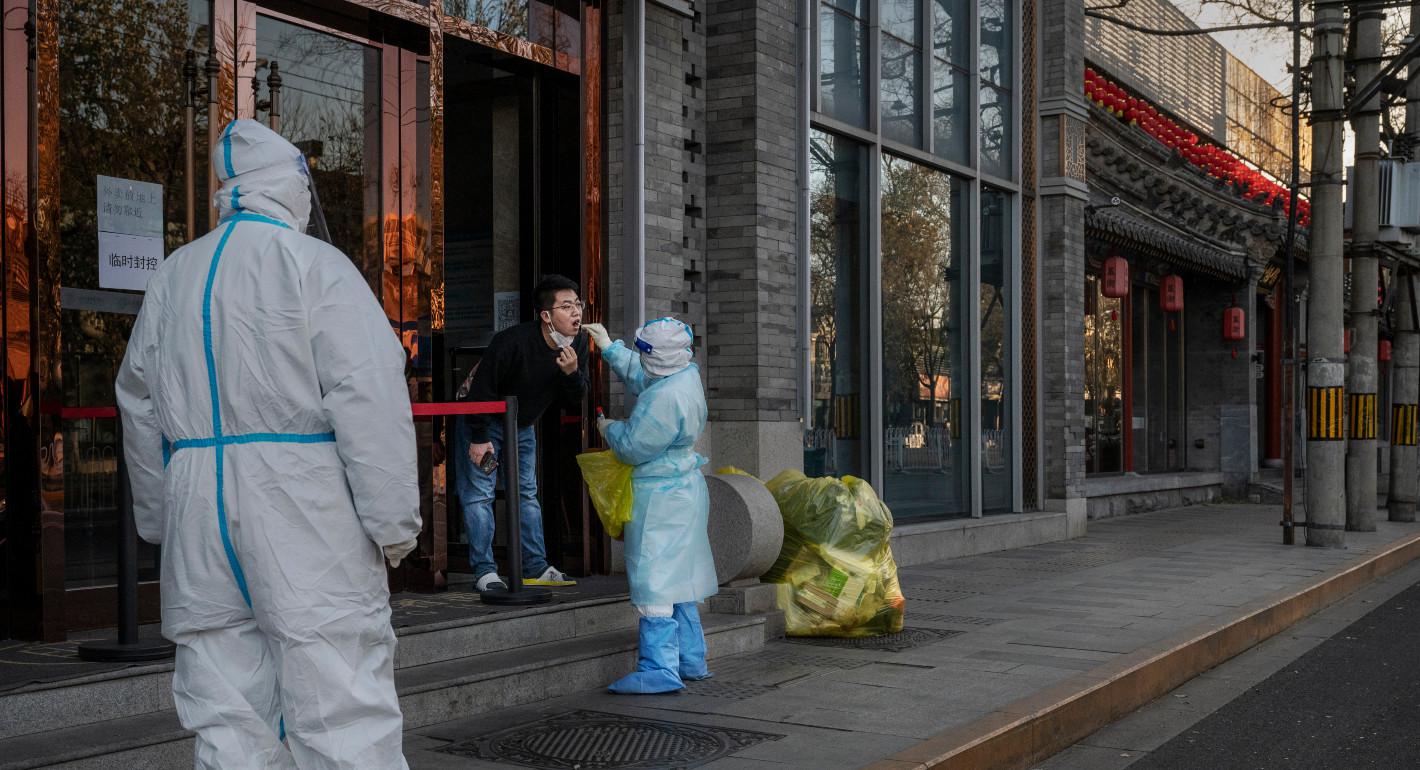
Beijing must choose between preserving its pandemic narrative or facing more unrest.

Paul Haenle
It’s about managing oil prices, bread prices, and strategic partnerships.



Amr Hamzawy, Karim Sadjadpour, Aaron David Miller, …
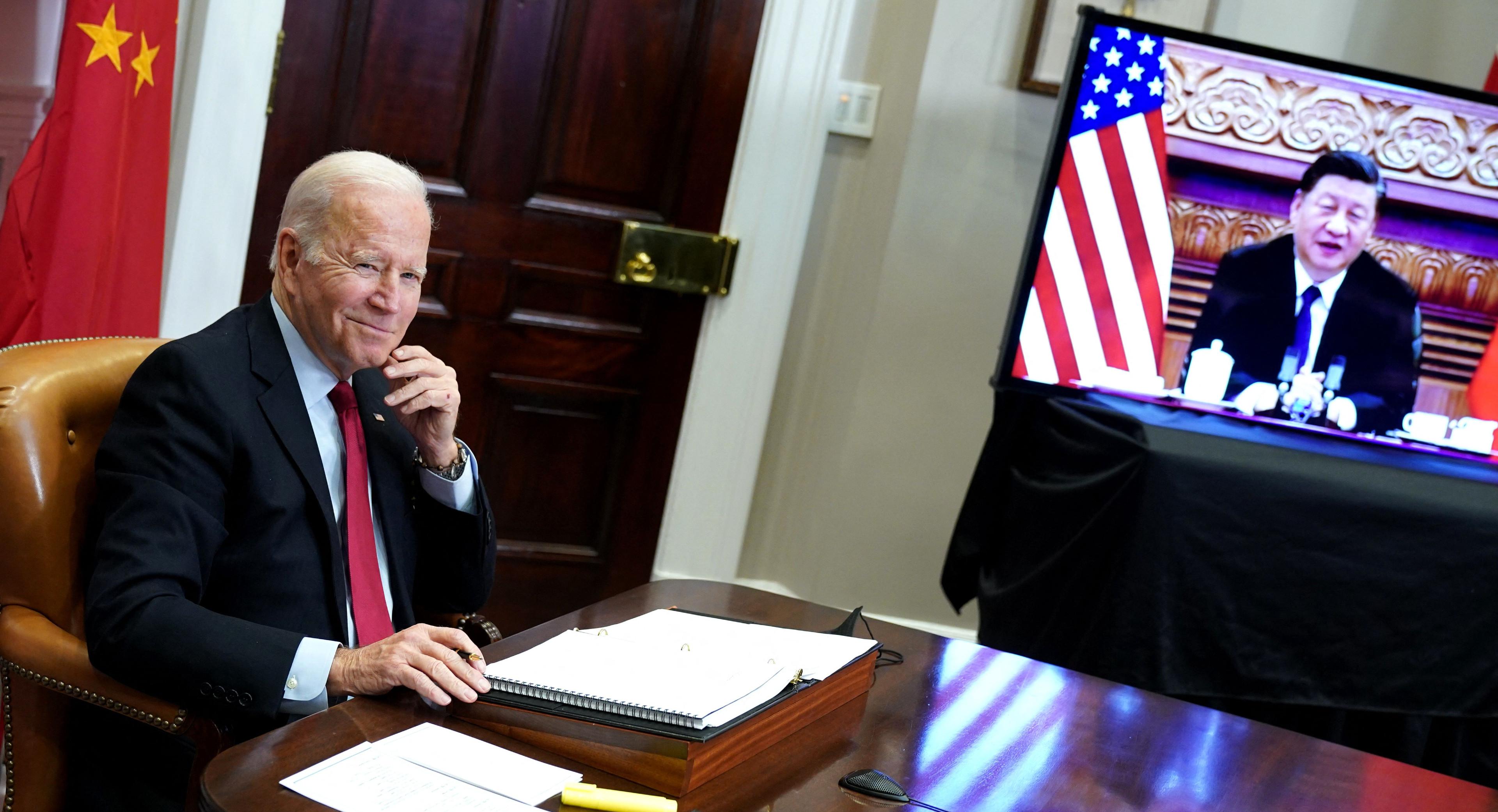
Three months after the Biden-Xi summit, the two sides’ divergent framings of the bilateral relationship are hindering progress.
Paul Haenle, Sam Bresnick
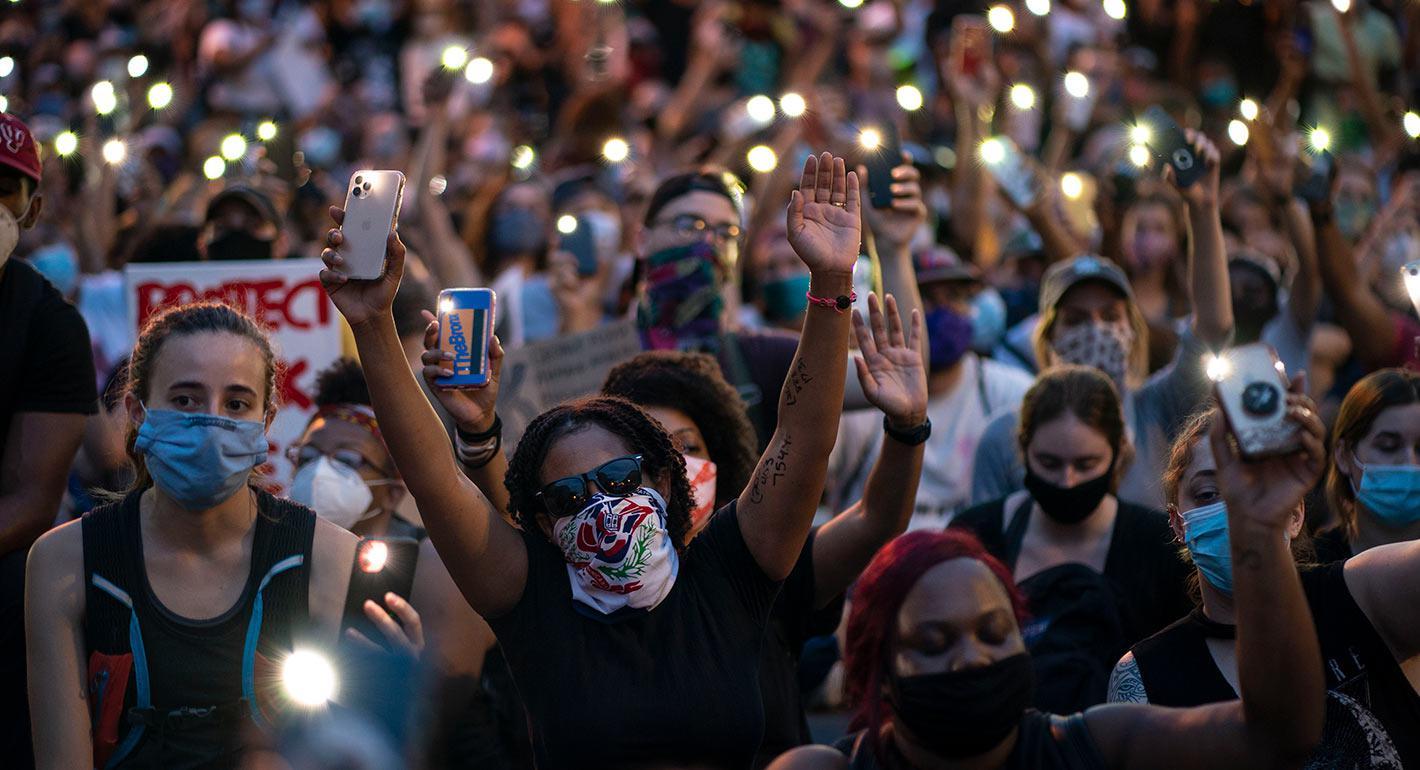
The murder of George Floyd has underscored the deep inequities that have long plagued American society. In a note to the Carnegie community, Bill Burns reflects on Carnegie’s commitment to build a more just future here at home and around the world, without which peace will remain beyond our grasp.
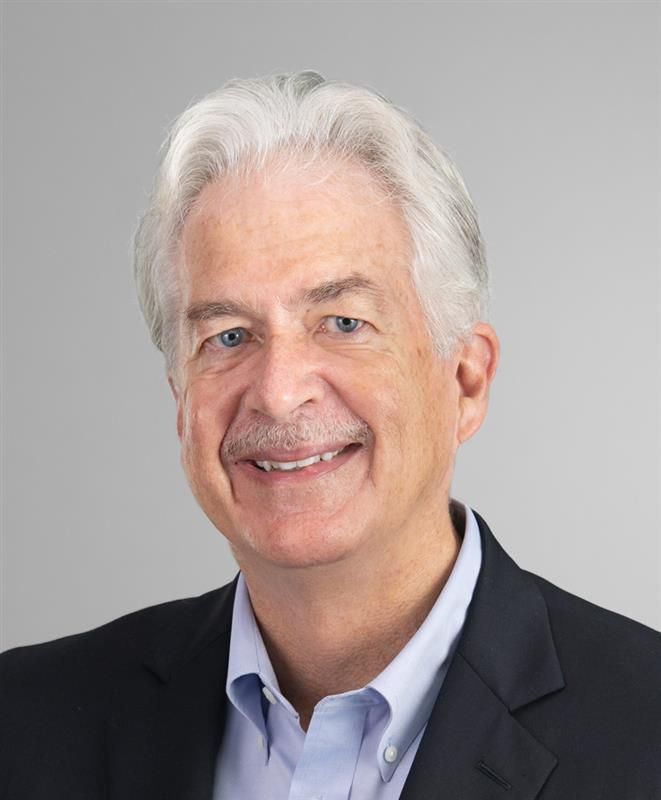
William J. Burns