

Commentary
The advantage that China has over other global powers, especially America, is that its foreign policy is closely aligned with those of many of the Middle Eastern countries.
Jin Liangxiang, Maha Yahya, Hesham Alghannam
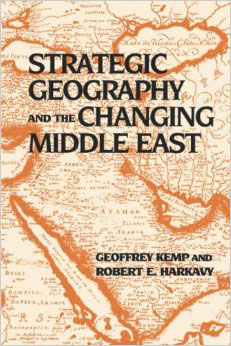
The breakup of the Soviet Union and the growing links between the Caucasus, Central and South Asia, and the Middle East have resulted in new strategic dynamics with far-reaching implications for the United States and other major powers. The authors examine the new geopolitics, with special emphasis on the interaction of the region's growing economic importance.
Source: Washington, DC: Carnegie Endowment for International Peace, 1997
The breakup of the Soviet Union and the growing links between the Caucasus, Central and South Asia, and the Middle East have resulted in new strategic dynamics with far-reaching implications for the United States and other major powers. The authors examine the new geopolitics, with special emphasis on the interaction of the region's growing economic importance (especially as a source for oil and natural gas) and on the dramatic changes in military doctrine and technology that will radically change the nature of military conflict and the prospects for arms control. The book contains over 25 new maps of the region.
About the Authors
Geoffrey Kemp, formerly Director of the Endowment's Middle East Arms Control Project, is Director of Regional Strategic Programs at the Nixon Center.
Robert Harkavy is a Professor of International Politics at Pennsylvania State University.
"A definitive book on the 21st century Middle East... should become a point of departure for understanding the region's strategic significance in the post-Soviet era..."
—Graham T. Allison, Harvard University
"A terrific book that shifts the focus to what [the authors] call the 'greater Middle East.' They show convincingly that there is real potential for trouble in this region and that the United State, rightly or wrongly, is likely to be in the middle of it."
—John Mearsheimer, University of Chicago
"Geopolitical analysis in the best and broadest sense of the term.... The book is replete with data and rich in analysis, and will be an invaluable resource for any analyst of international politics; it is at the same time so clearly written that it will be useful for students new to the field."
—George H. Quester, University of Maryland
Geoffrey Kemp
Robert Harkavy
Carnegie does not take institutional positions on public policy issues; the views represented herein are those of the author(s) and do not necessarily reflect the views of Carnegie, its staff, or its trustees.
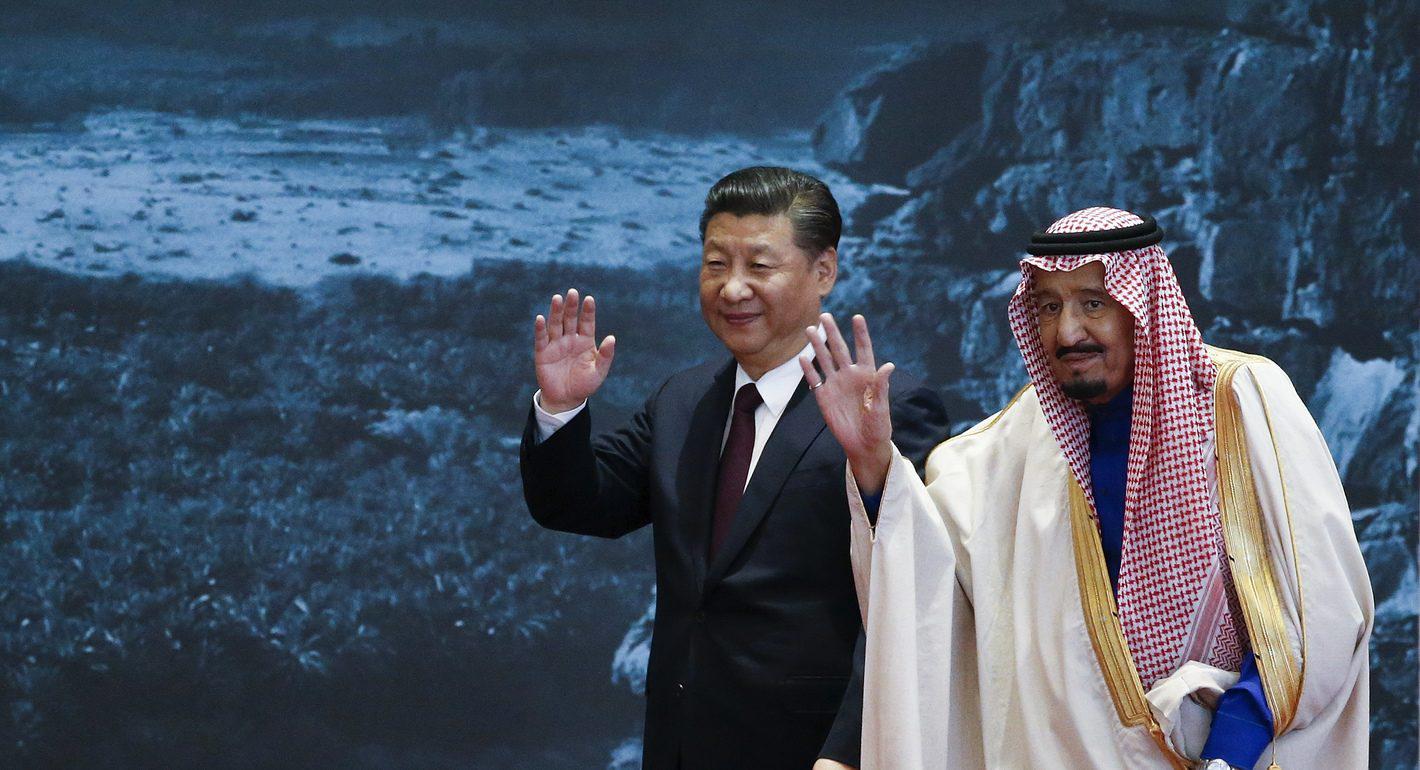
The advantage that China has over other global powers, especially America, is that its foreign policy is closely aligned with those of many of the Middle Eastern countries.


Jin Liangxiang, Maha Yahya, Hesham Alghannam

It’s about managing oil prices, bread prices, and strategic partnerships.



Amr Hamzawy, Karim Sadjadpour, Aaron David Miller, …
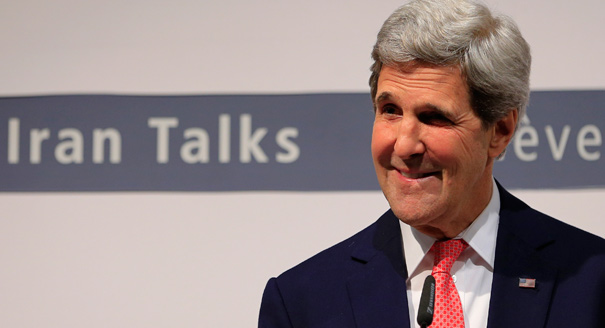
Fundamentally, it seems irrational to leave an agreement that’s working today out of a fixation on potential growth of Iran’s nuclear program more than a decade from now, when such growth could happen tomorrow if we unravel the agreement.
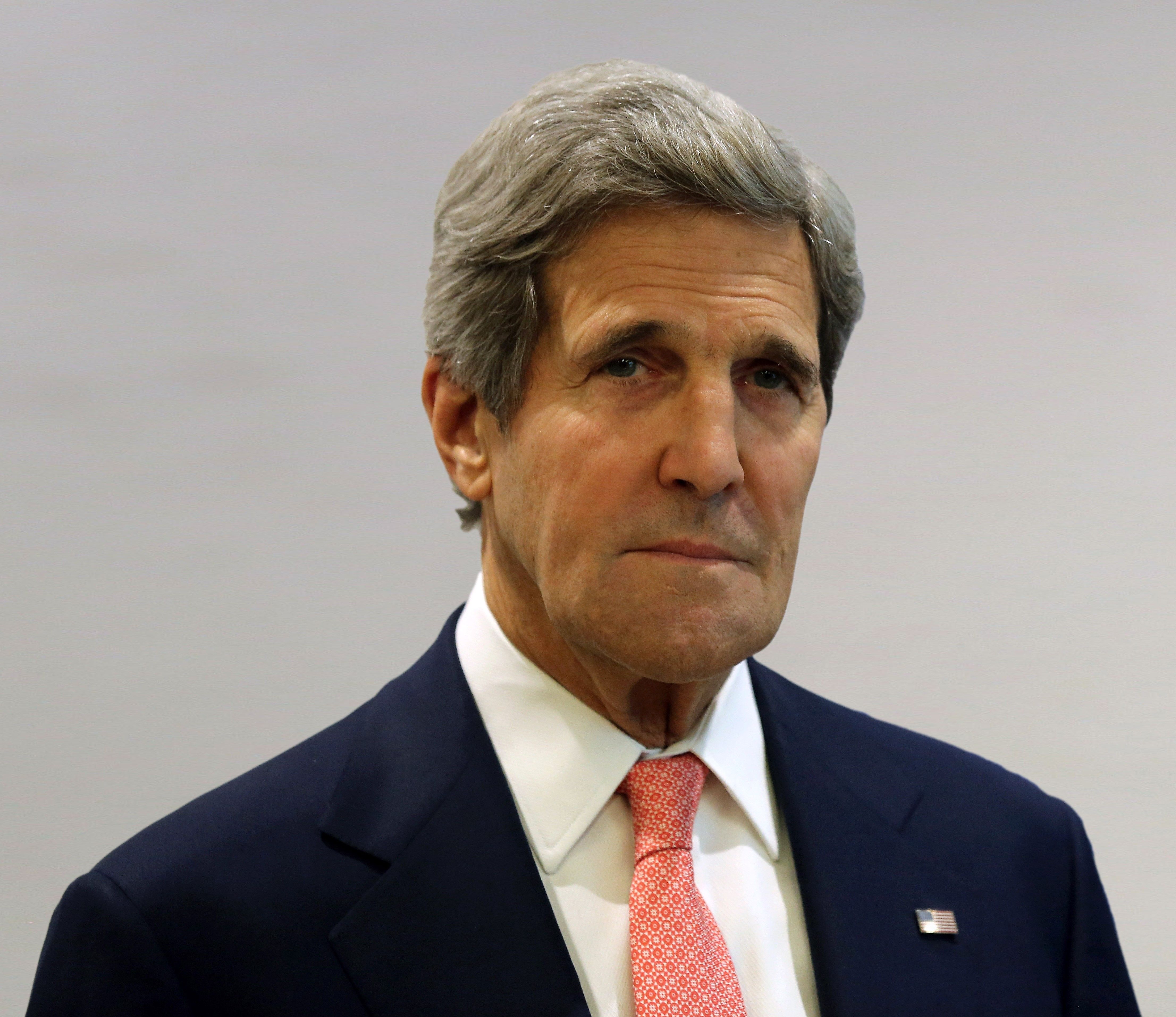
John Kerry
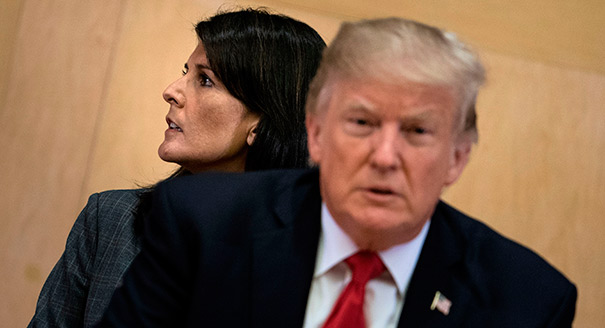
The smart way to get tough on Iran would be to commit to the nuclear deal, enforce it to the hilt, and work with global partners on a long-term strategy to deal with Iran’s challenge.


William J. Burns, Jake Sullivan
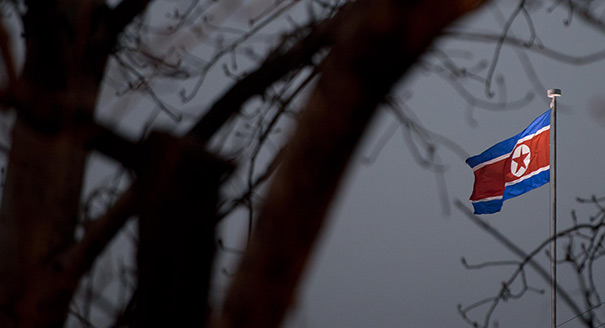
Increased tensions between the United States and Iran over the last couple days, along with U.S. President Donald Trump’s calls to end the Iran Nuclear Deal, could put Iran on the same path as North Korea as an imminent threat potentially needing military consideration.
Jake Sullivan