

Commentary
Regulation, not embargo, allows Beijing to shape how other countries and firms adapt to its terms.
Alvin Camba
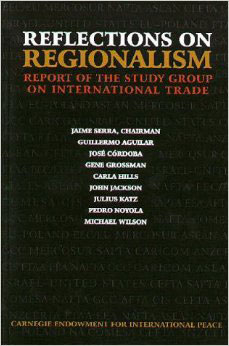
Reflections on Regionalism: Report of the Study Group on International Trade
Source: Washington, DC: Carnegie Endowment for International Peace, 1997
Summary
Over the last three decades, regional trade agreements (RTAs) have proliferated to the point where, by 1995, virtually all members of the newly formed World Trade Organization (WTO) were members of an RTA of some kind—whether a customs union, a free-trade agreement, or an interim agreement leading to one or the other.
Analysts are divided about the effects of RTAs. Some believe that taking further steps in the direction of trade and investment liberalization—even when restricted to a particular region—contributes to creation of world trade and investment. Others believe that the implicit discrimination that these agreements embody diverts rather than creates worldwide trade and investment.
The Study Group—composed of eminent former trade negotiators and experts—gives its assessment of the thrust of existing theoretical as well as empirical analyses of the effects of RTAs. It then offers the WTO a series of recommendations aimed at strengthening its leadership role in managing RTAs. The proposals focus on improving existing rules governing RTA formation as well as operation so as to minimize the risk of trade and investment diversion resulting from RTAs and to induce trade- and investment-creating behavioral patterns for existing and future RTAs.
“Reflections on Regionalism points up a neglected issue in GATT/WTO negotiations. We need to be sure the strong interest in regional arrangements doesn't undermine the multilateral system, and the illustrious and experienced authors show how it should be done.”
—Paul A. Volcker
“This report focuses beautifully on the reasons why the proliferating free trade agreements now pose a danger to the world trading system and offers creative solutions to the problems they present.”
—Jagdish Bhagwati
Gene Grossman
John Jackson
Pedro Noyola
Michael Wilson
Julius Katz
José Córdoba
Carla Hills
Carnegie does not take institutional positions on public policy issues; the views represented herein are those of the author(s) and do not necessarily reflect the views of Carnegie, its staff, or its trustees.

Regulation, not embargo, allows Beijing to shape how other countries and firms adapt to its terms.

Alvin Camba
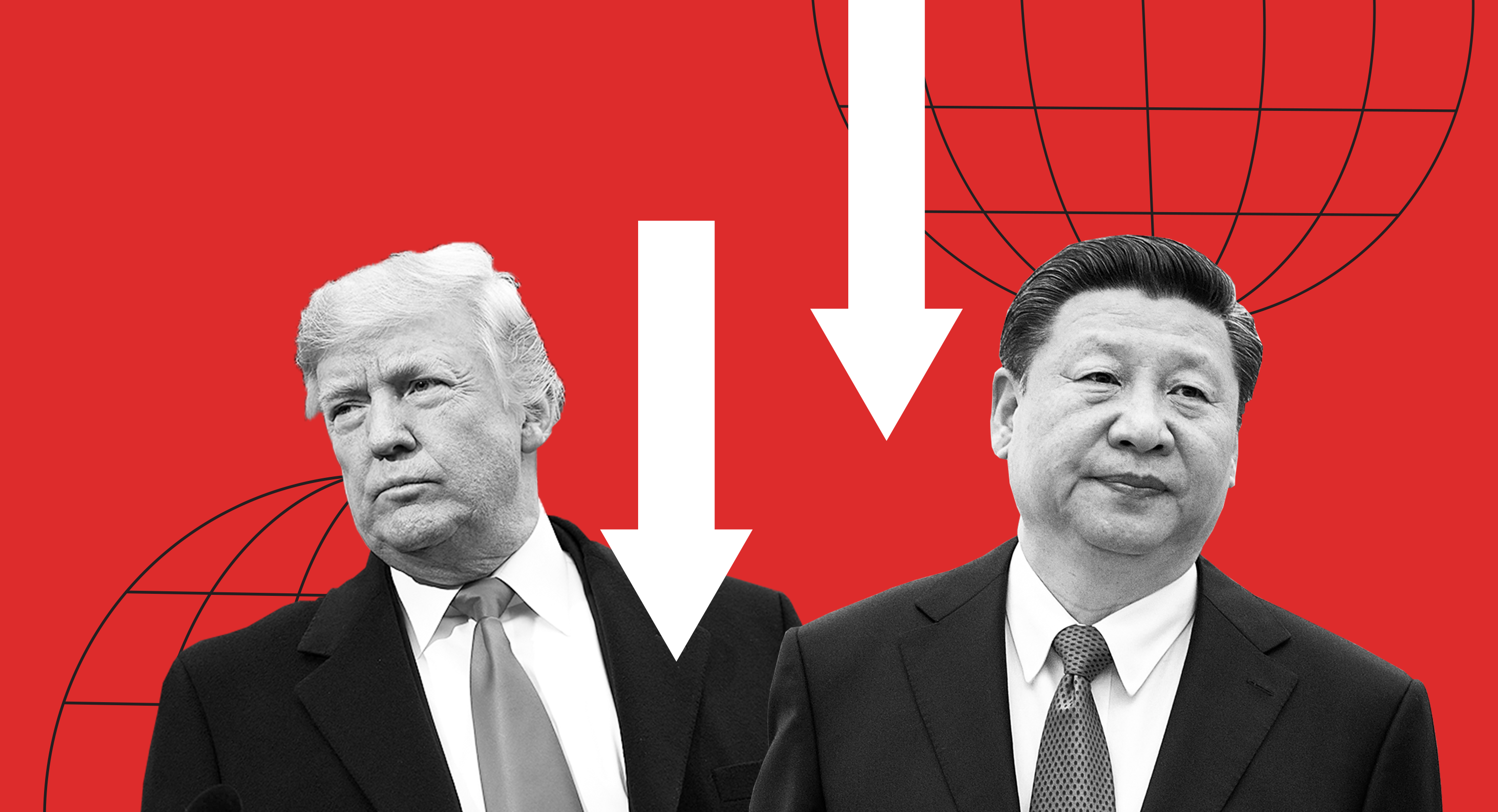
Beijing believes that Washington is overestimating its own leverage and its ability to handle the trade war’s impacts.


Rick Waters, Sheena Chestnut Greitens
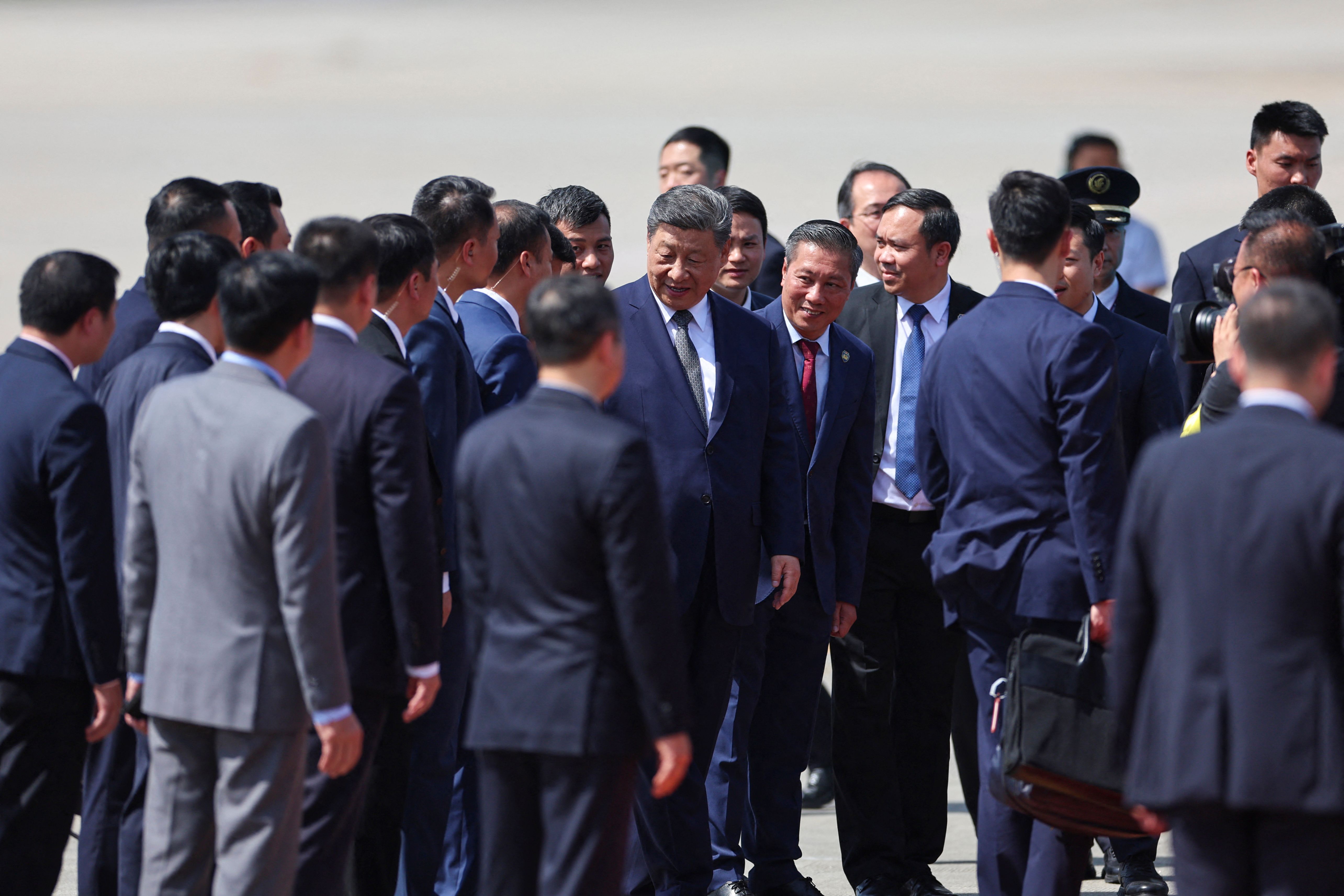
Tapping our network of China experts in the region, Carnegie China offers this latest “China Through a Southeast Asian Lens” report to offer preliminary assessments of whether the U.S. effort to reshape the global trading order will lead countries in the region to tilt toward Beijing.



Selina Ho, Khin Khin Kyaw Kyee, Joseph Ching Velasco, …
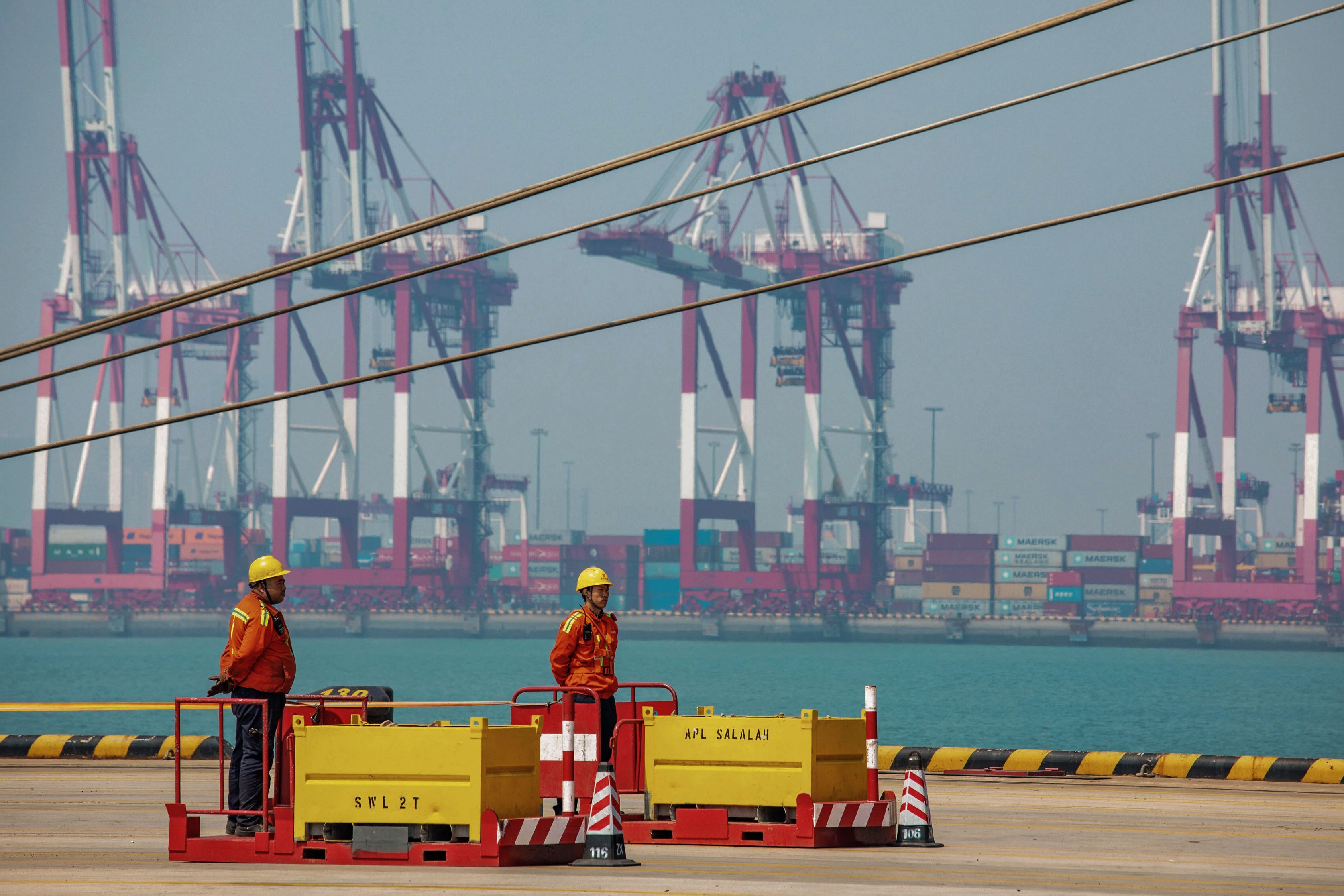
In order to keep production growing, China must either increase investment, and with it its debt burden, or increase its trade surplus.

Michael Pettis
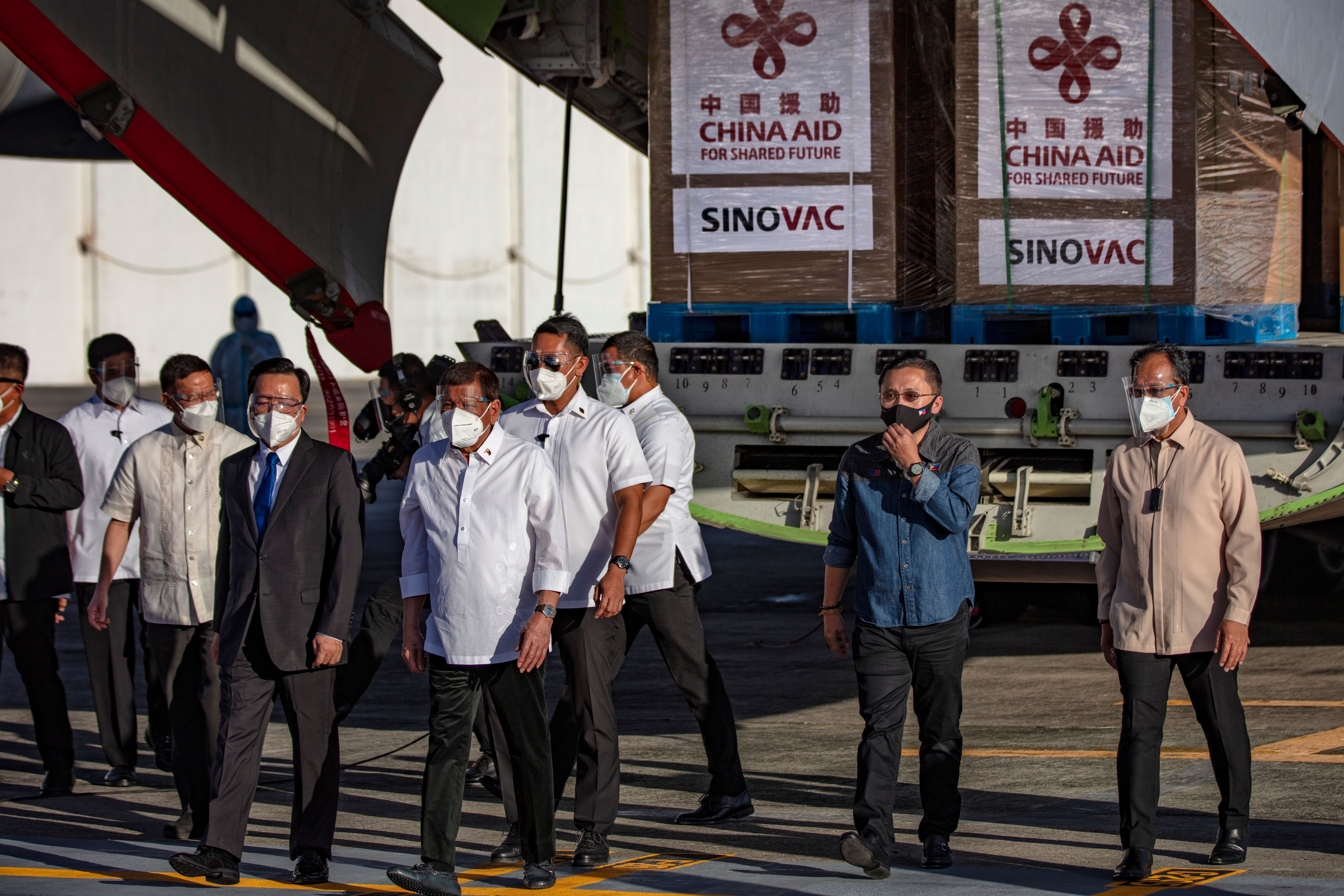
As tech competition moves into the biotech sector, China is increasingly shifting its focus to nearby regions to alleviate U.S.-induced supply chain pressures. As part of this transition, Southeast Asia has emerged as a favored destination.

Xue Gong