

Commentary
The advantage that China has over other global powers, especially America, is that its foreign policy is closely aligned with those of many of the Middle Eastern countries.
Jin Liangxiang, Maha Yahya, Hesham Alghannam

Source: Washington, DC: Carnegie Endowment for International Peace, 1997
Summary
The Arab-Israel peace process has reached a point of no return. The way ahead is fraught with danger, but there is no turning back. Structural as well as ideological obstacles remain to a comprehensive Middle East peace--including major asymmetries between the parties. The two most critical challenges concern violent opposition in the Muslim world and Israel to the peace process and continuing instability in the Persian Gulf. Until Iraq and Iran are reintegrated into a more stable Gulf security system, their behavior poses a constant threat to the region and undermines the potential benefits of an Arab-Israel peace. The study examines arguments as to why the peace process has made so much progress since 1991. It also reviews the challenges ahead and provides a country-by-country analysis of criticisms of the peace process.
ABOUT THE AUTHORS
Geoffrey Kemp, formerly Director of the Endowment's Middle East Arms Control Project, is Director of Regional Strategic Programs at the Nixon Center. Jeremy Pressman is a former Carnegie Project Associate.
"Point of No Return is an extraordinary achievement. It describes and dissects the Middle East conflict both in its whole and in its parts?with complete realism and rare balance. No other work so well succeeds in both getting to the heart of all the issues in Arab-Israeli peacemaking and describing the other conflicts which torment the region and which so condition the outlook for truly comprehensive peace. This book is an authentic tour de force."
Jeremy Pressman
Carnegie does not take institutional positions on public policy issues; the views represented herein are those of the author(s) and do not necessarily reflect the views of Carnegie, its staff, or its trustees.
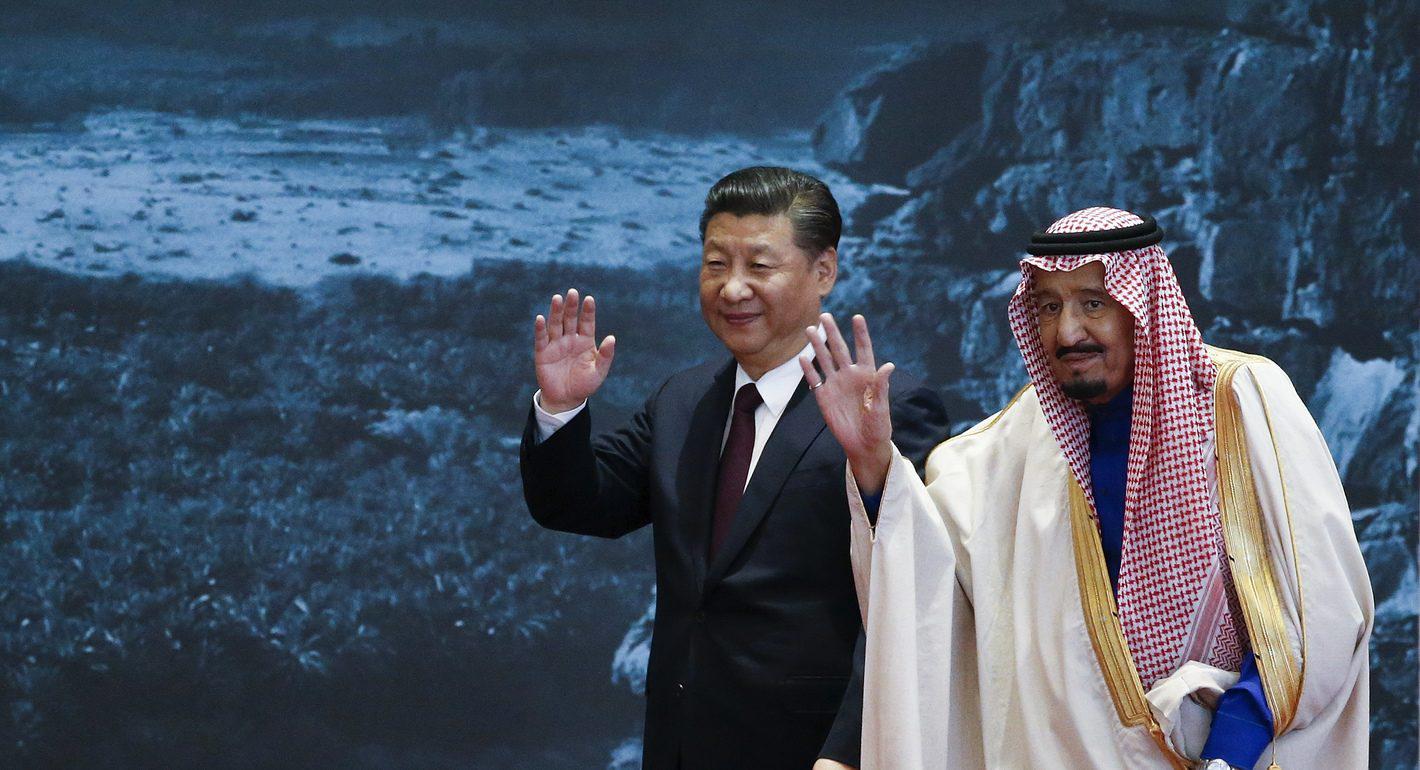
The advantage that China has over other global powers, especially America, is that its foreign policy is closely aligned with those of many of the Middle Eastern countries.



Jin Liangxiang, Maha Yahya, Hesham Alghannam

It’s about managing oil prices, bread prices, and strategic partnerships.



Amr Hamzawy, Karim Sadjadpour, Aaron David Miller, …
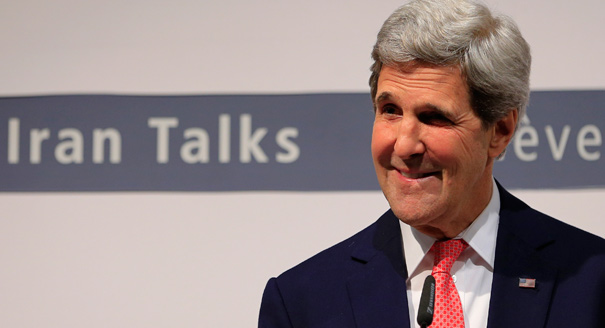
Fundamentally, it seems irrational to leave an agreement that’s working today out of a fixation on potential growth of Iran’s nuclear program more than a decade from now, when such growth could happen tomorrow if we unravel the agreement.
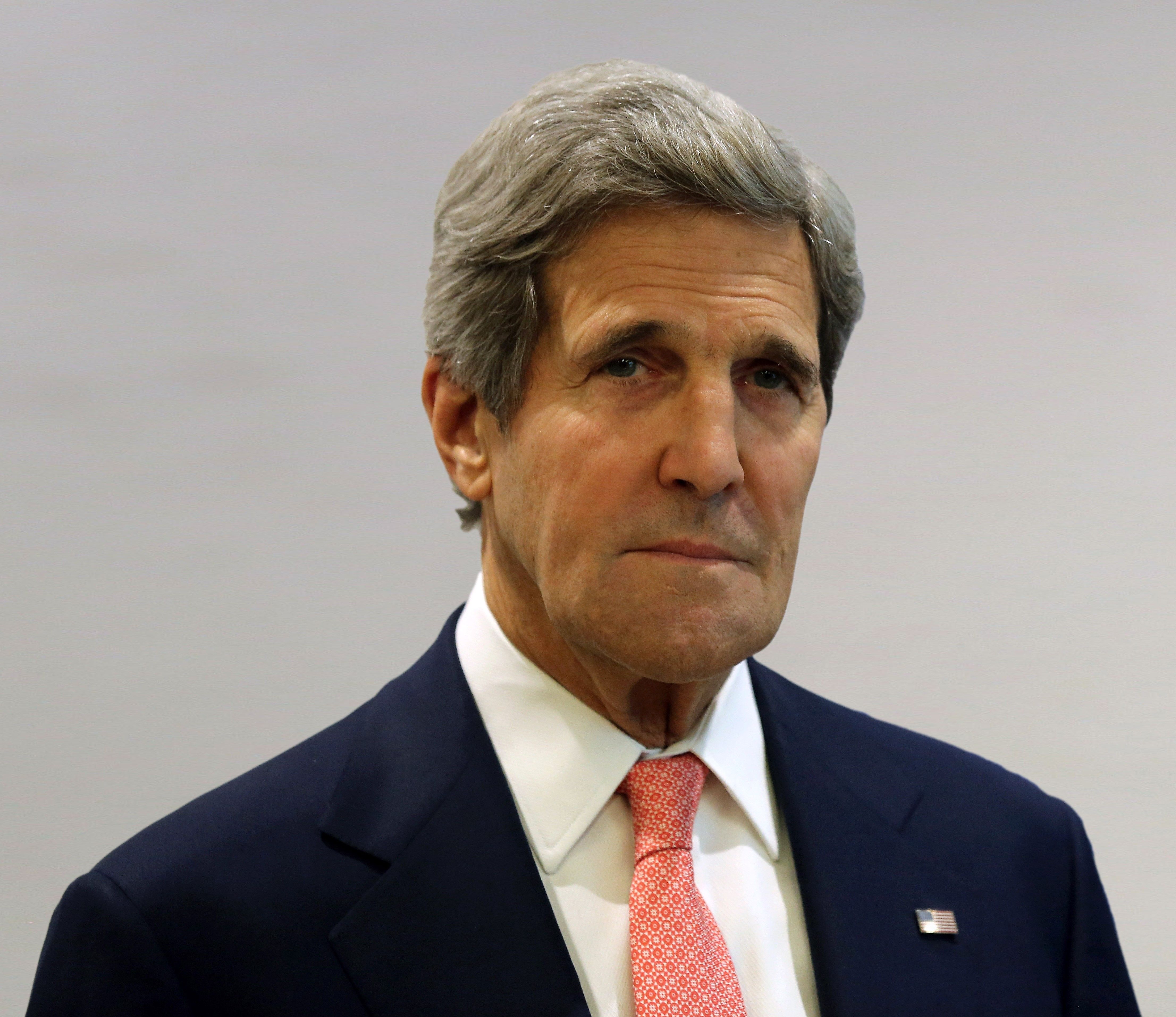
John Kerry
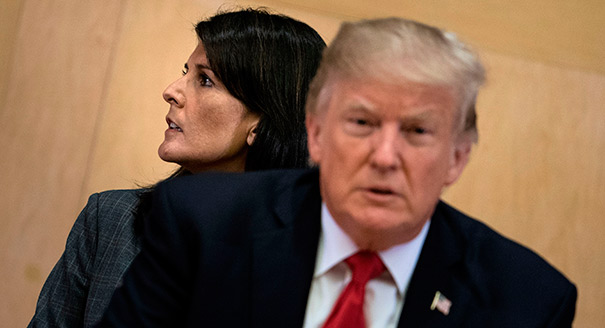
The smart way to get tough on Iran would be to commit to the nuclear deal, enforce it to the hilt, and work with global partners on a long-term strategy to deal with Iran’s challenge.


William J. Burns, Jake Sullivan

Increased tensions between the United States and Iran over the last couple days, along with U.S. President Donald Trump’s calls to end the Iran Nuclear Deal, could put Iran on the same path as North Korea as an imminent threat potentially needing military consideration.
Jake Sullivan