

Commentary
Regulation, not embargo, allows Beijing to shape how other countries and firms adapt to its terms.
Alvin Camba

Source: Carnegie
The Carnegie Economic Reform Network (CERN) convened on February 27-28, 1998, in Miami to discuss "The Political Challenges to Advancing Economic Reforms in Latin America." CERN is a distinguished group of former ministers and other senior policy-makers who have played key roles in advancing market-oriented economic reforms in developing and transitional economies. The meeting discussed the broad political challenges to economic reforms in Latin America and two specific issues—strengthening banking systems and advancing education reform—that are especially important in many countries of the region.
This Report, written by Daniel Morrow, Resident Associate at the Carnegie Endowment, synthesizes and elaborates on the ideas and insights that emerged during the meeting. The diagnosis and recommendations presented here are largely derived from and inspired by the discussion at the meeting but do not necessarily represent the consensus view of participants.
Participants in the meeting (listed in Annex 1) included CERN members, several current policy-makers from the region who are actively engaged in reforms in banking and education, officials from the multilateral development institutions, and scholars.
The Carnegie Endowment gratefully acknowledges support and assistance provided for this CERN meeting by the Economic Development Institute of the World Bank, the Inter-American Development Bank, the Tinker Foundation, and the Ford Foundation. This report is published in cooperation with the Economic Development Institute.
Political support for market-oriented economic reforms in Latin America has been, on balance, encouraging. Nonetheless, the risk of a slowdown—or even a reversal—of reforms should not be underestimated. The most important danger is that many people in the region feel increasingly insecure—about their own jobs in a more competitive, volatile, and globalized economy and about prospects for their children. To consolidate support for market-oriented economic policies, the near-term political priority in most countries of the region should not be "more of the same." Instead, policy-makers should focus on reforms designed to decrease potential macroeconomic volatility and to reduce prevailing insecurities. Two important means to pursue these broad objectives are strengthening domestic banking systems and advancing education reform.
Many banking systems in Latin America remain vulnerable to economic shocks. This increases the risk of macroeconomic volatility, which undermines political support for market-oriented policies. The region's banking systems would be strengthened by further progress in opening the sector to foreign bank participation, building competent and independent superintendencies of banks, complementing public supervision by market mechanisms to penalize bad bank performance, developing clear laws and transparent processes for exit of insolvent banks and for bankruptcy of firms, and establishing limits on insurance for depositors and enforcing bank shareholder losses. To overcome potential political opposition to such measures, reformers should consider the following lessons of experience:
Improving education is crucially important in both economic and political terms. The sustainability of political support for market-oriented policies depends in part on whether or not the middle classes feel hopeful about the future of their children, and this depends to a significant degree on the availability of quality education. There are now reasons for optimism about reforming education in Latin America, but the process will be long and uneven, and political leadership will be essential. A political strategy should emphasize the following principles:
Carnegie does not take institutional positions on public policy issues; the views represented herein are those of the author(s) and do not necessarily reflect the views of Carnegie, its staff, or its trustees.

Regulation, not embargo, allows Beijing to shape how other countries and firms adapt to its terms.

Alvin Camba
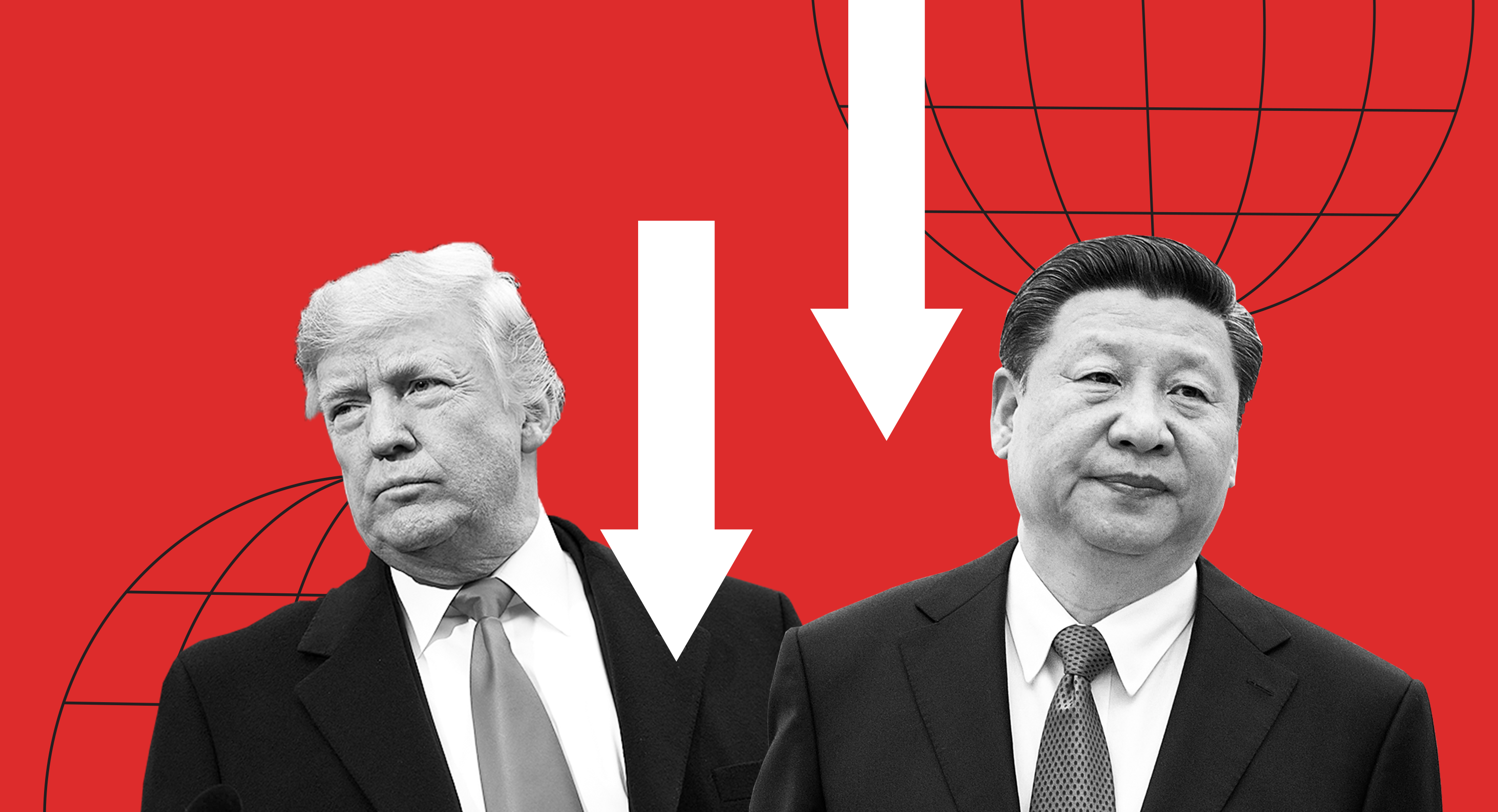
Beijing believes that Washington is overestimating its own leverage and its ability to handle the trade war’s impacts.


Rick Waters, Sheena Chestnut Greitens
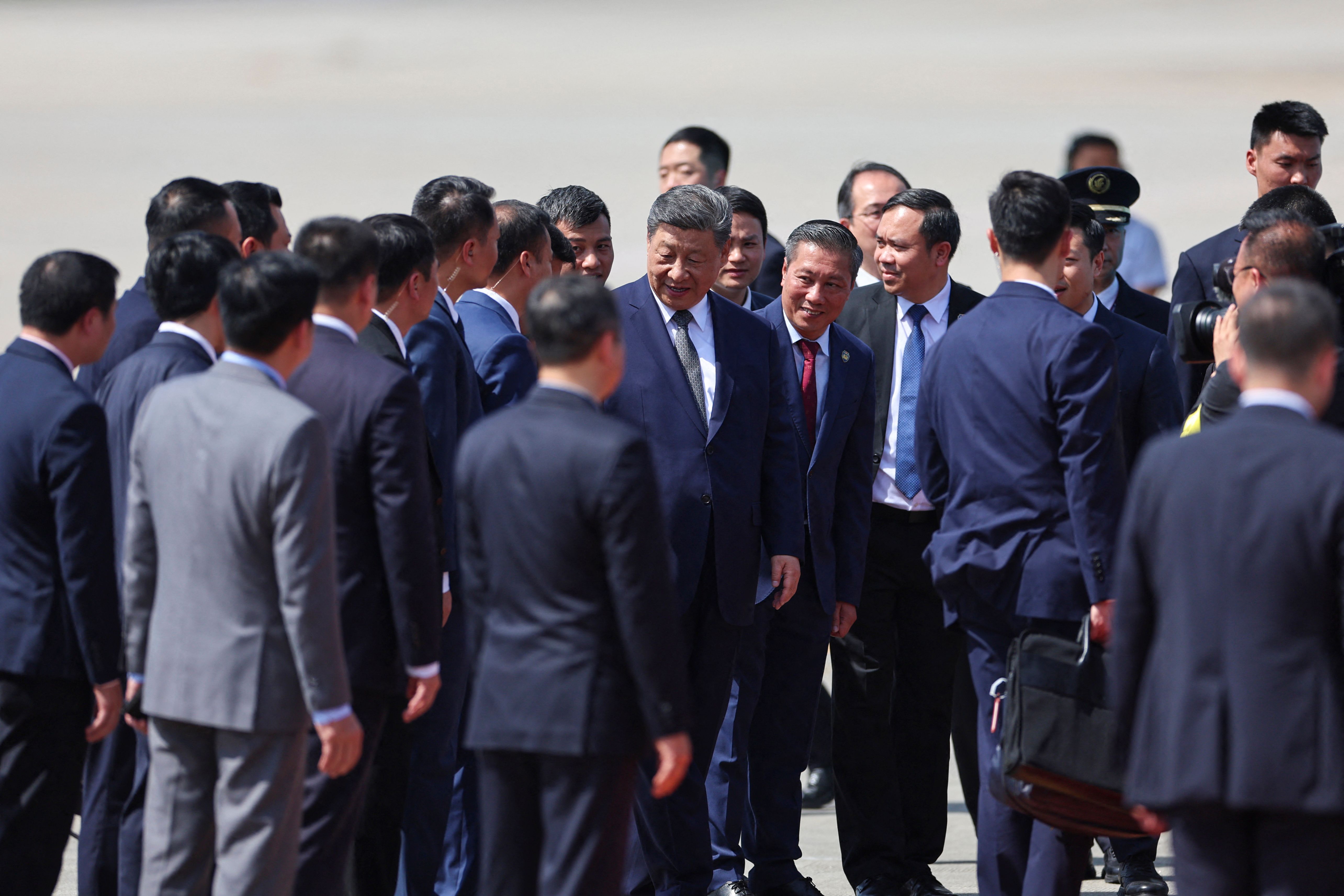
Tapping our network of China experts in the region, Carnegie China offers this latest “China Through a Southeast Asian Lens” report to offer preliminary assessments of whether the U.S. effort to reshape the global trading order will lead countries in the region to tilt toward Beijing.



Selina Ho, Khin Khin Kyaw Kyee, Joseph Ching Velasco, …
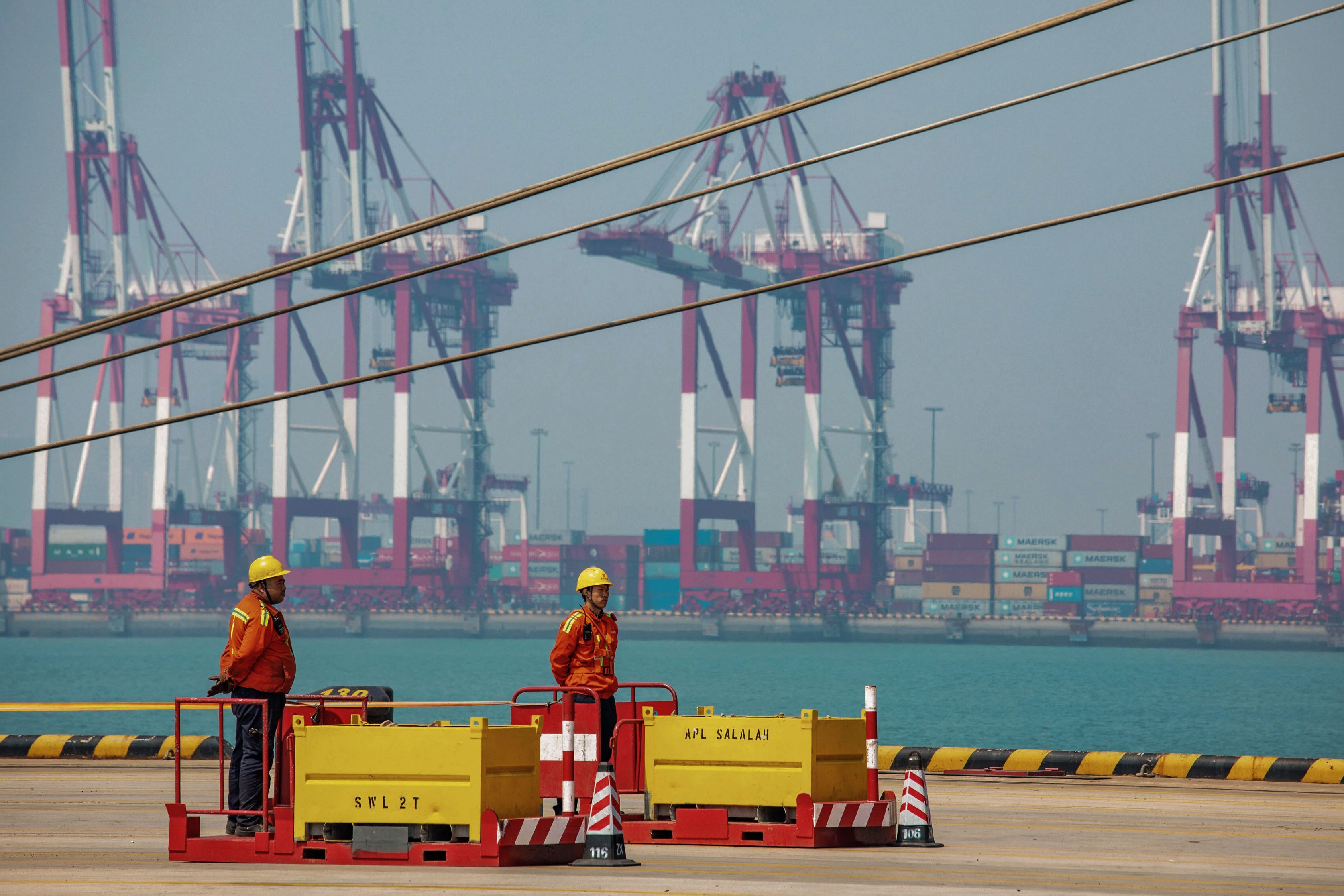
In order to keep production growing, China must either increase investment, and with it its debt burden, or increase its trade surplus.

Michael Pettis
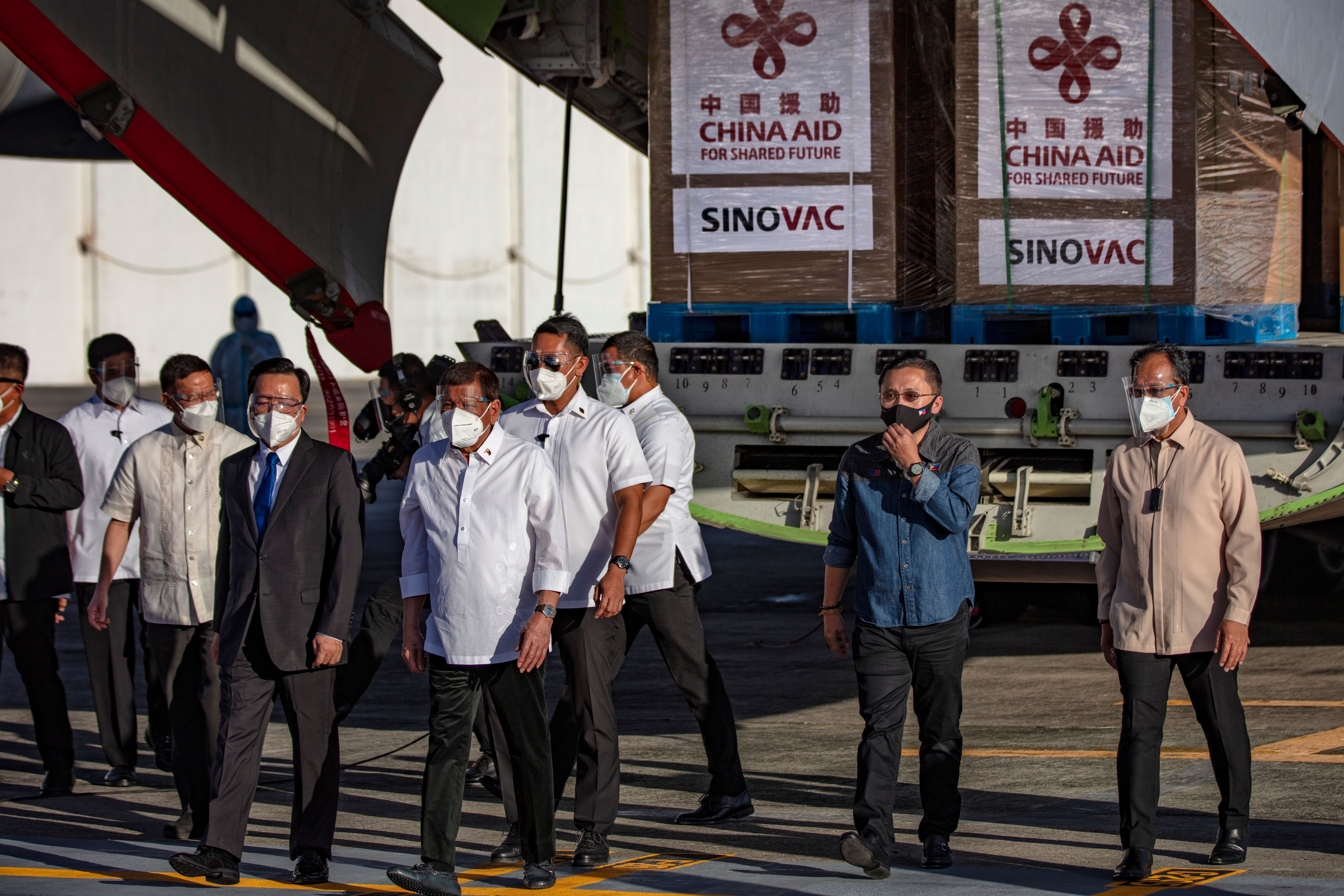
As tech competition moves into the biotech sector, China is increasingly shifting its focus to nearby regions to alleviate U.S.-induced supply chain pressures. As part of this transition, Southeast Asia has emerged as a favored destination.

Xue Gong