

Commentary
The Thai-Cambodian conflict highlights the limits to China's peacemaker ambition and the significance of this role on Southeast Asia’s balance of power.
Pongphisoot (Paul) Busbarat

Belarus, although frequently overlooked in the West, is a country critical to the development of the post-Soviet states and to Europe as a whole. Its location alone points to Belarus's importance as a major geopolitical player. On top of that, the ambitions of its president mean that Belarus will likely have a say in the future of Russia, Ukraine, and other neighboring states.
Source: Washington

To address what, to date, has been short-sighted and potentially dangerous neglect of Belarus, the editors of this book bring together essays by specialists from Belarus, Russia, Poland, Ukraine, Lithuania, and the United States to focus on Belarus's place in the evolving European security environment. No other publication has taken such a diverse approach to this little-understood country.
About the Authors
Sherman W. Garnett dean of James Madison College at Michigan State University. During his five years at the Endowment, he was a senior associate and co-director of the Project on Security and National Identity in the Russia and Eurasia Program and author of Keystone in the Arch: Ukraine in the Emerging Security Environment of Central and Eastern Europe.
Robert Legvold is professor of political science at Columbia University, where he specializes in the international relations of the post-Soviet states. He was director of the Harriman Institute, Columbia University, from 1986 to 1992. Prior to going to Columbia in 1984, he served for six years as senior fellow and director of the Soviet Studies Project at the Council on Foreign Relations in New York.
“There are few good books on modern Belarus, and this is undoubtedly one of the best.”
—Andrew Wilson, The Slavonic and East European Review
“No other publication has taken such a diverse approach to this little understood country.”
—Brookings Institution
Robert Legvold
Robert Legvold is Marshall D. Shulman Professor Emeritus in the Department of Political Science at Columbia University.
Sherman W. Garnett
Carnegie does not take institutional positions on public policy issues; the views represented herein are those of the author(s) and do not necessarily reflect the views of Carnegie, its staff, or its trustees.
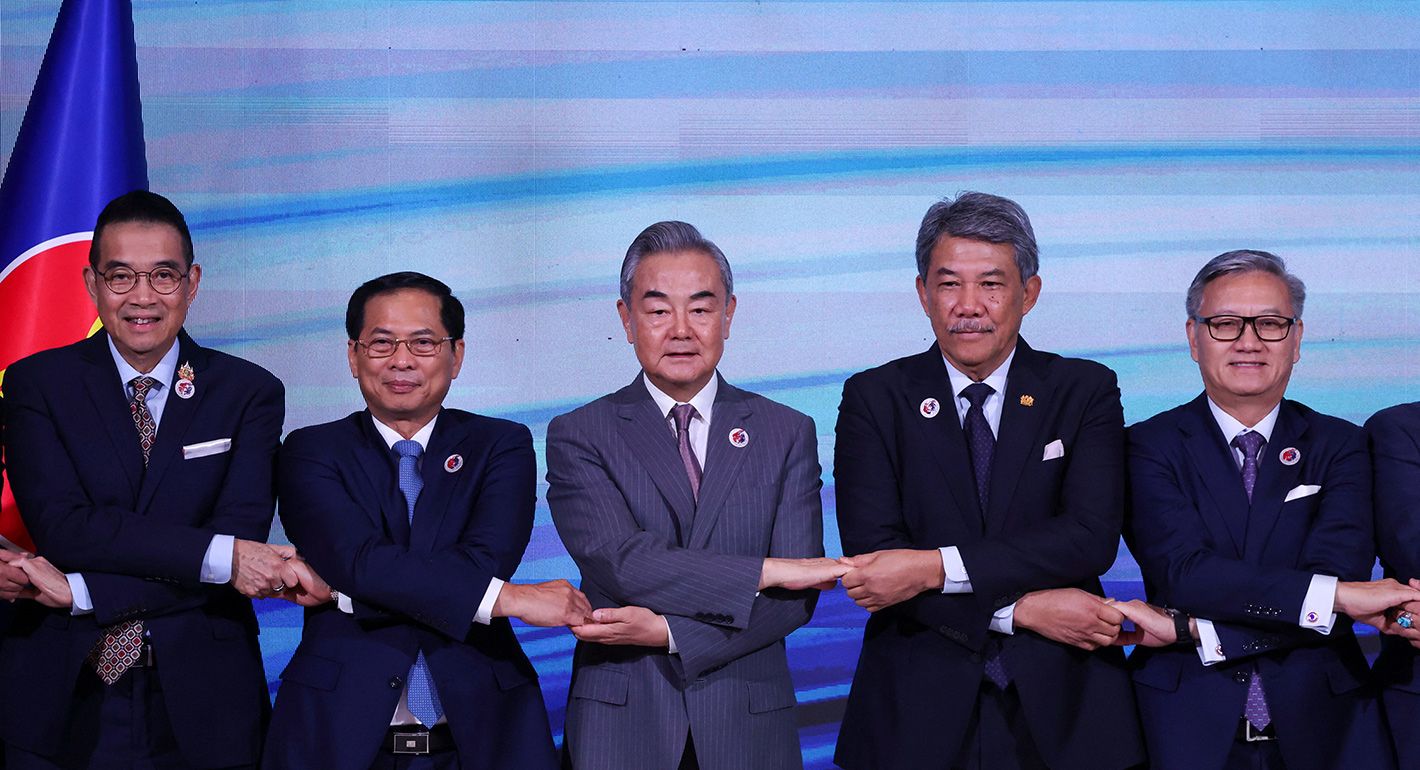
The Thai-Cambodian conflict highlights the limits to China's peacemaker ambition and the significance of this role on Southeast Asia’s balance of power.

Pongphisoot (Paul) Busbarat
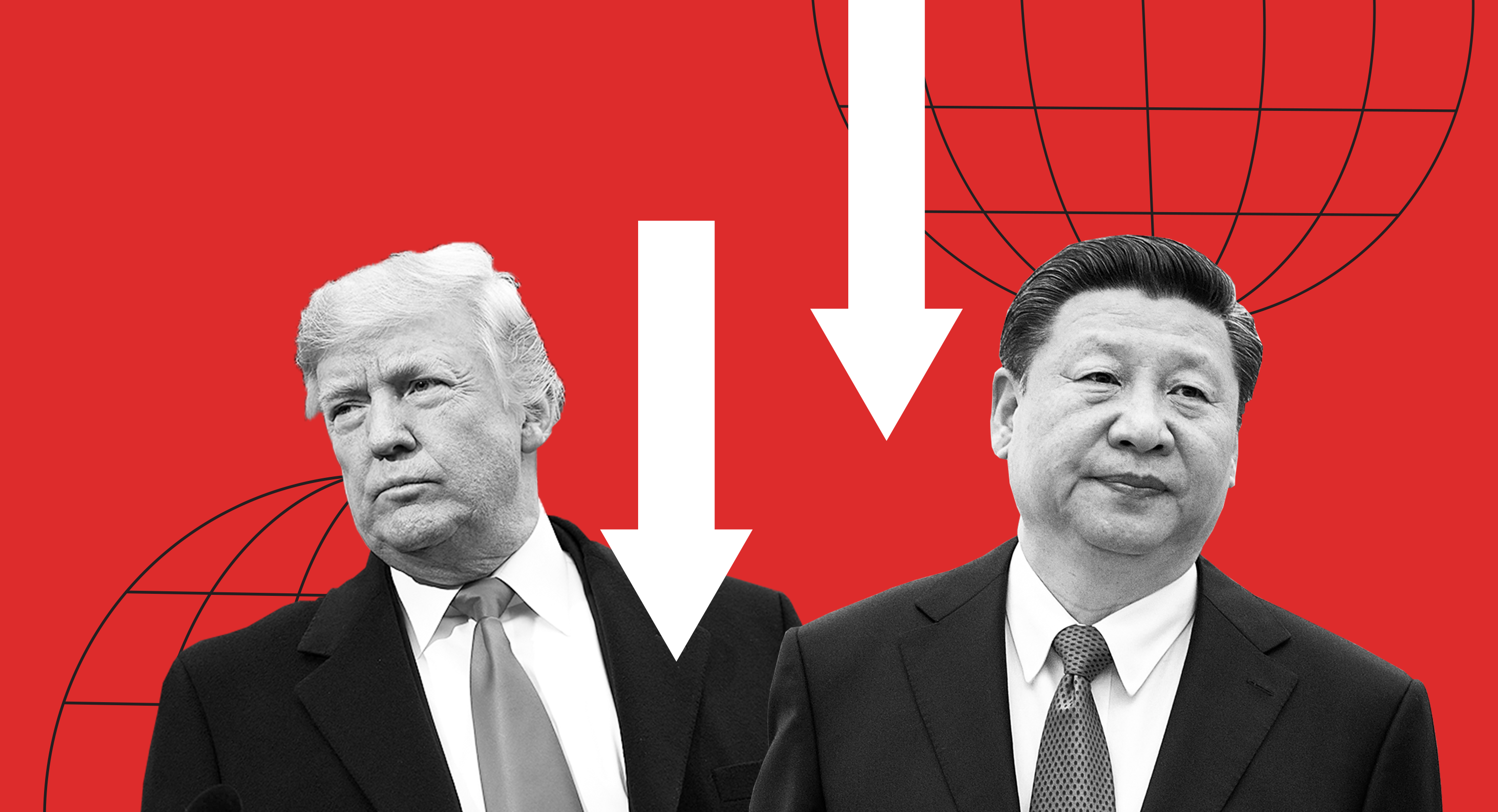
Beijing believes that Washington is overestimating its own leverage and its ability to handle the trade war’s impacts.


Rick Waters, Sheena Chestnut Greitens
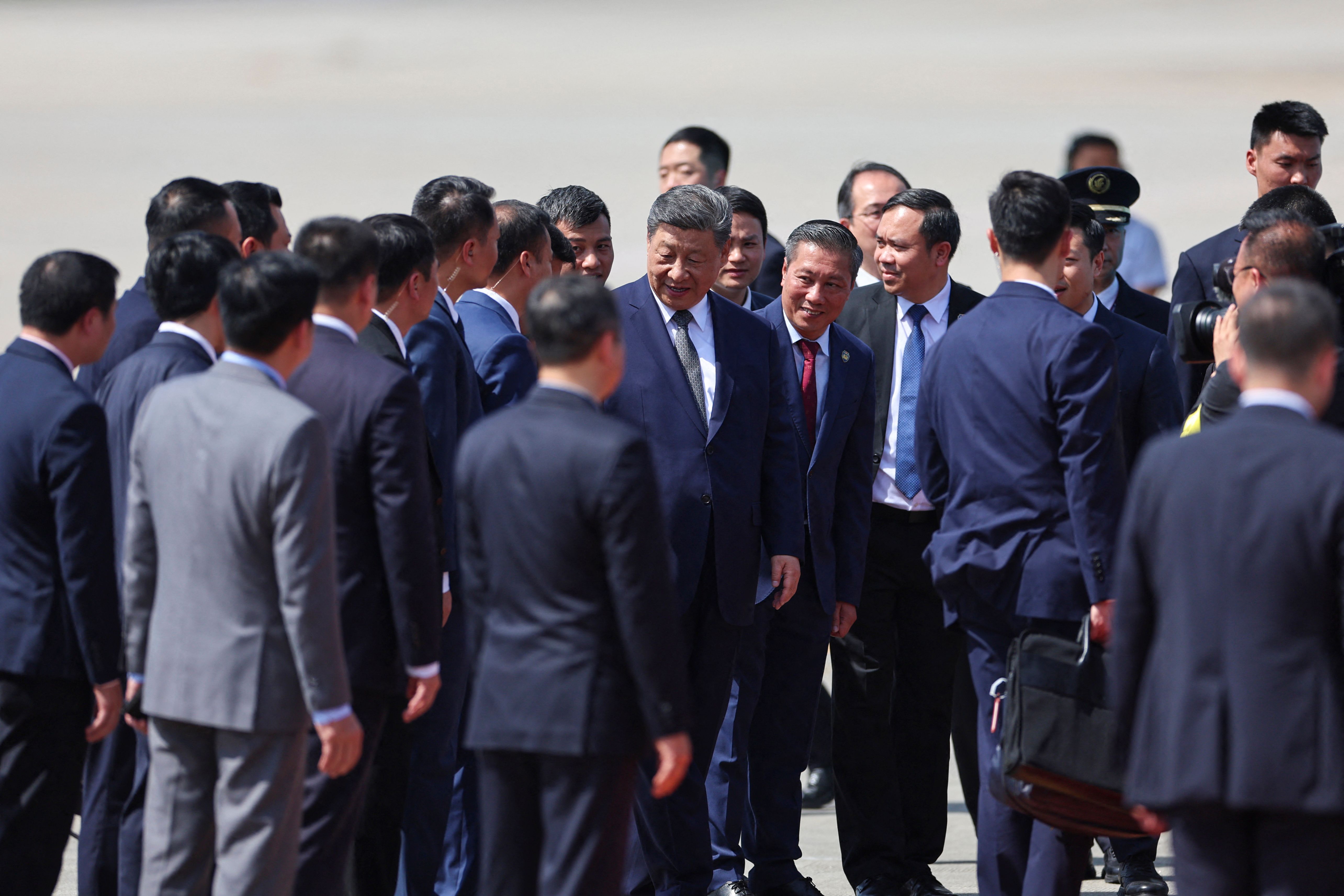
Tapping our network of China experts in the region, Carnegie China offers this latest “China Through a Southeast Asian Lens” report to offer preliminary assessments of whether the U.S. effort to reshape the global trading order will lead countries in the region to tilt toward Beijing.
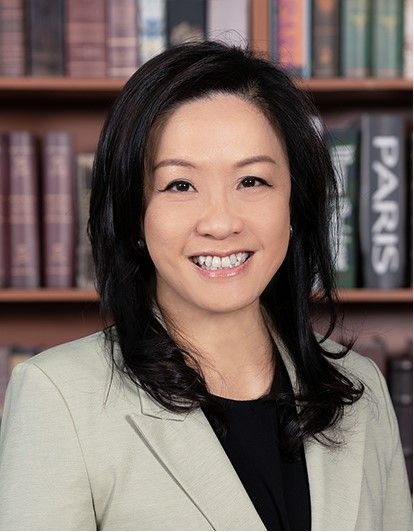


Selina Ho, Khin Khin Kyaw Kyee, Joseph Ching Velasco, …
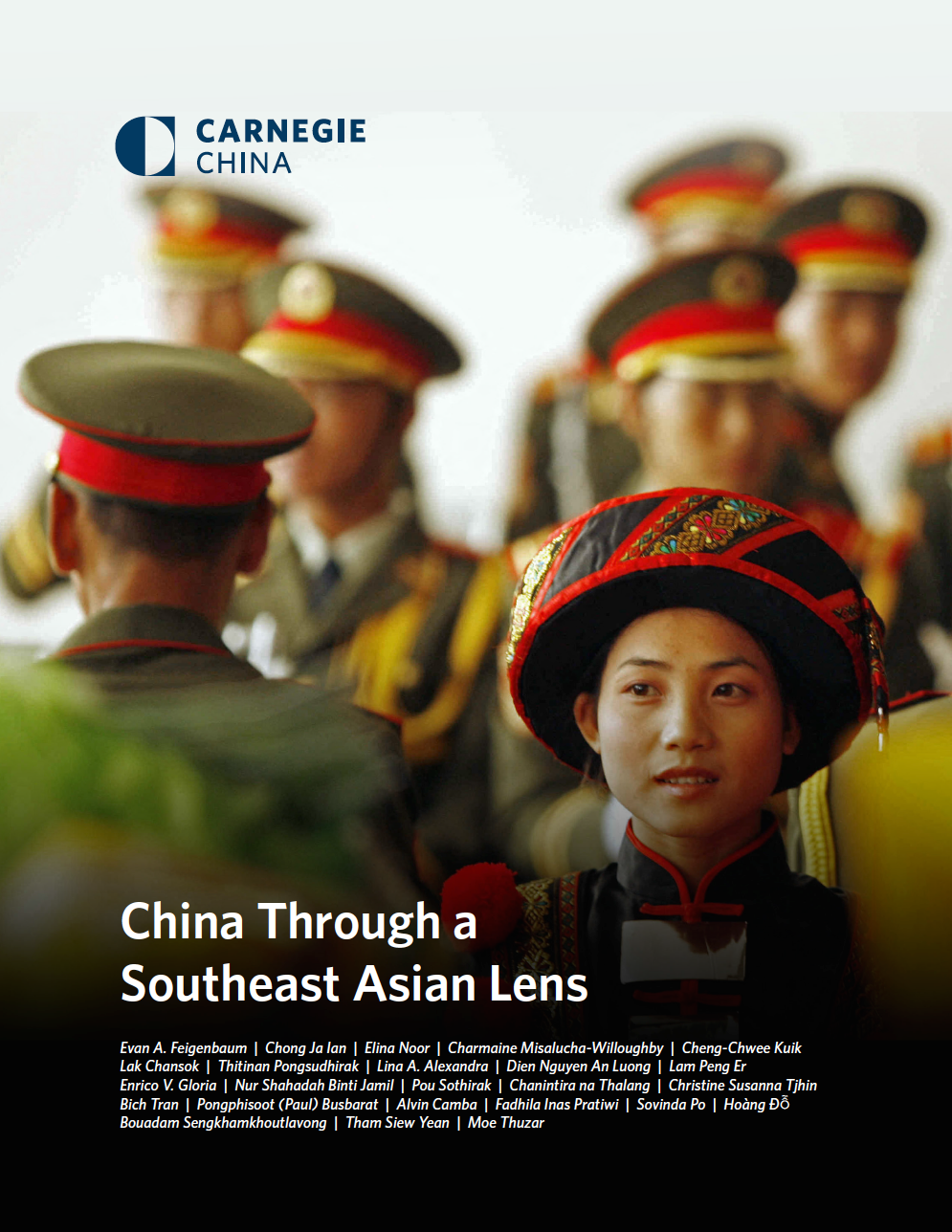
Because strategic, economic, and ideological perceptions of China contain multiple, sometimes contradictory facets in Southeast Asia, receptions of and responses to Beijing diverge across and within state lines.



Evan A. Feigenbaum, Chong Ja Ian, Elina Noor
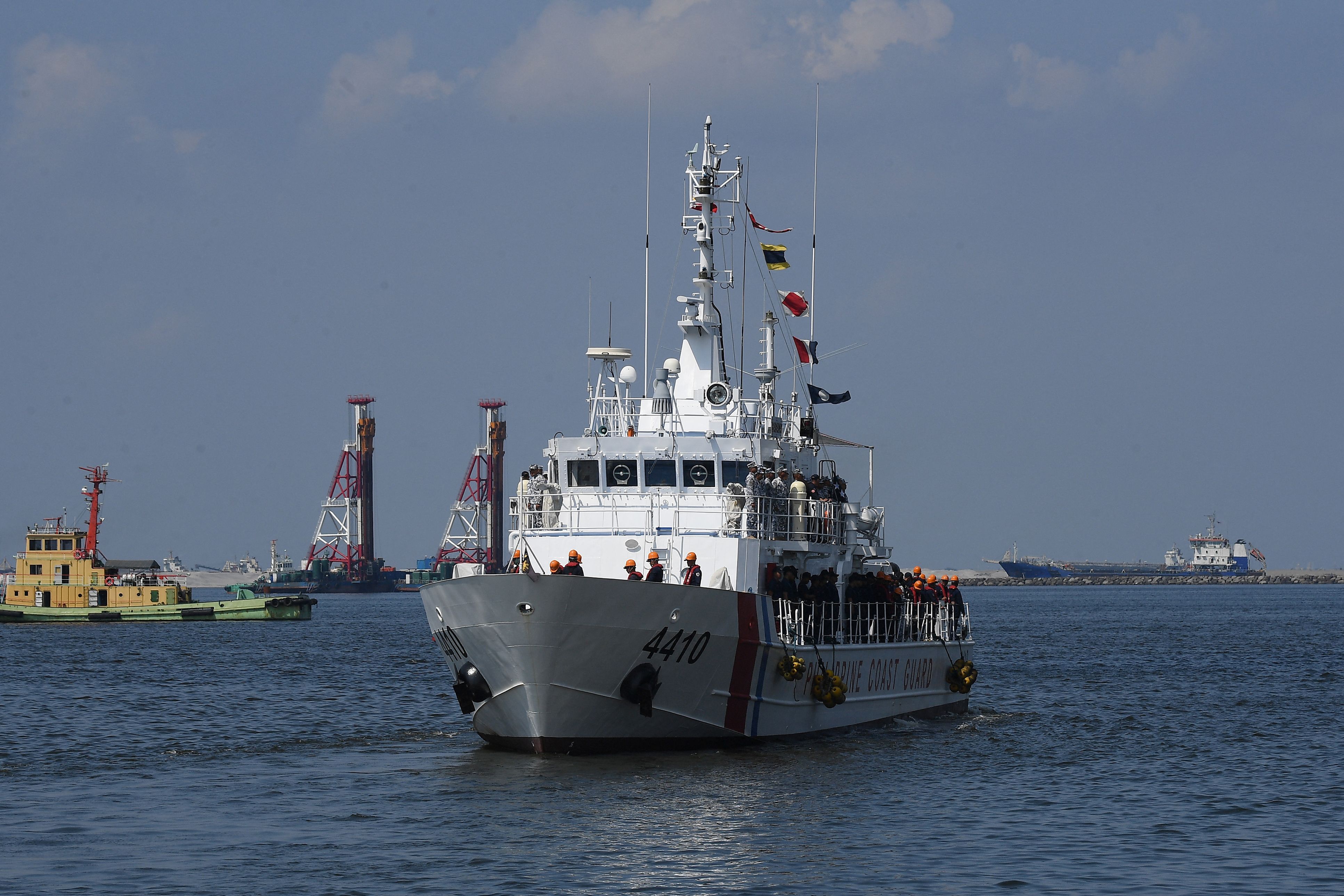
Most Southeast Asian states behave as if the actions of their Northeast Asian neighbors and the Philippines will be sufficient to maintain a regional status quo from which they can benefit.
Chong Ja Ian