

Commentary
Regulation, not embargo, allows Beijing to shape how other countries and firms adapt to its terms.
Alvin Camba

REQUIRED IMAGE
Source: Carnegie
Summary
In this paper, we present evidence that among developing countries, those that are resource-abundent invest less in education. We then discuss the economic processes behind this evidence. We describe a virtuous circle in which rising private returns to human capital and other assets lead to increased work effort and higher productivity and lower inequality in the future. With resource abundance, however, governements are tempted to move away from the policies that generate this virtuous circle. Dutch Disease and related effects tend to lower the rate of return to the agricultural and human capital investments available to the poor. Resource rents accumulate in the hands of the government, and/or a small number of businessmen, further reducing the incentives to invest. Staple-trap effects lead to the subsidization of capital, thereby taxing labor. The labor market in the resulting capital-intensive economy offers little benefit for moderate levels of education. The government may try to assuage the poor by directing some proportion of resource rents to populists programs that create new fiscal burdens but that do not enhance productivity. In short, resource abundance tends to break the viruous circle linking education, growth and inequality in several places: the choice of development strategy, the level of inequality, the lack of incentives for investment in education, and the creation of a welfare state. We illustrate this breakdown by contrasting the cases of Korea and Brazil, and, since resource abundance need not be destiny, we conclude with policy lessons for resource-abundant developing economies.
Click on link above for full text of this Carnegie Paper.
Former Senior Associate
Richard Sabot
Carnegie does not take institutional positions on public policy issues; the views represented herein are those of the author(s) and do not necessarily reflect the views of Carnegie, its staff, or its trustees.

Regulation, not embargo, allows Beijing to shape how other countries and firms adapt to its terms.
Alvin Camba
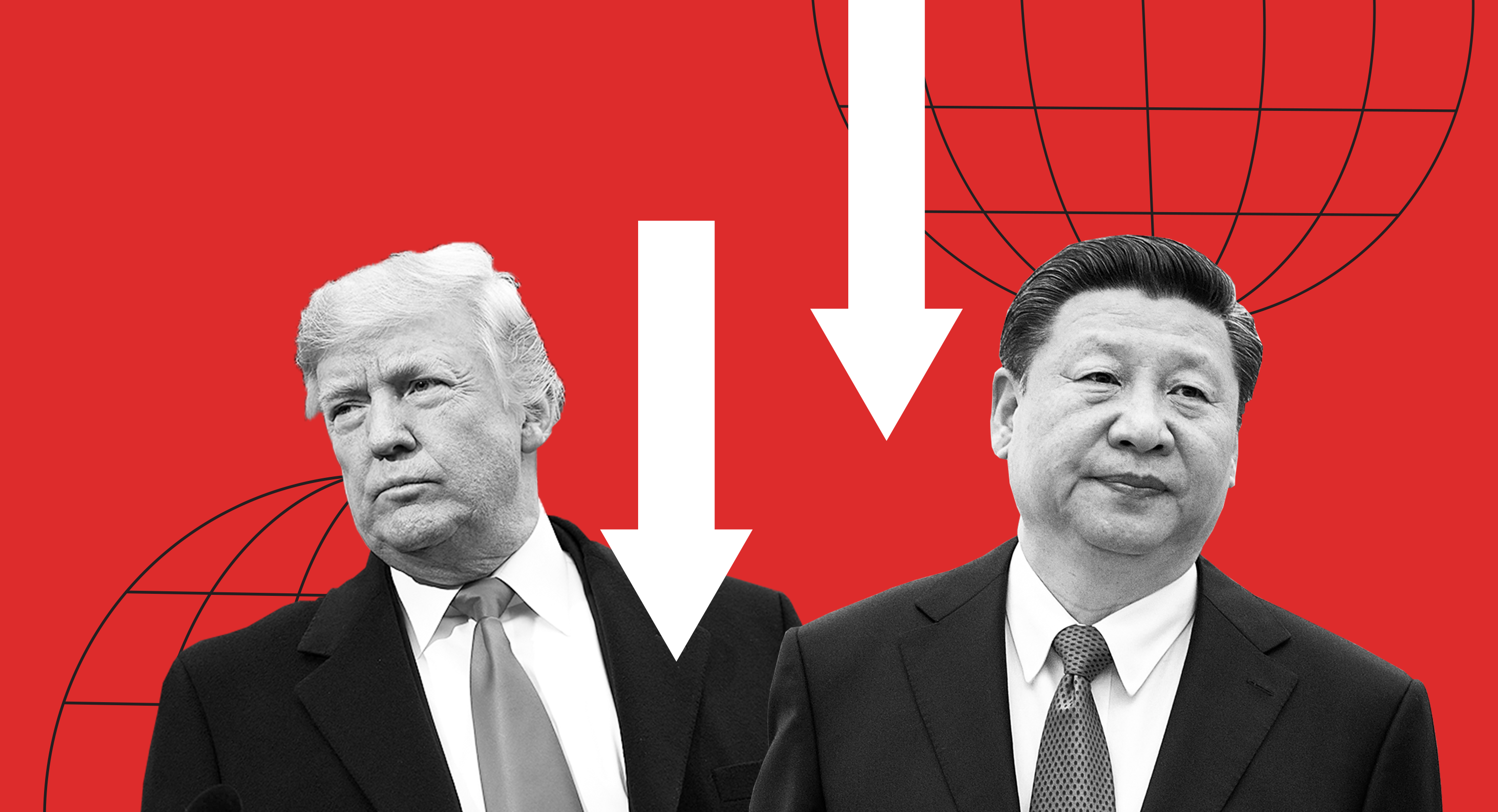
Beijing believes that Washington is overestimating its own leverage and its ability to handle the trade war’s impacts.


Rick Waters, Sheena Chestnut Greitens
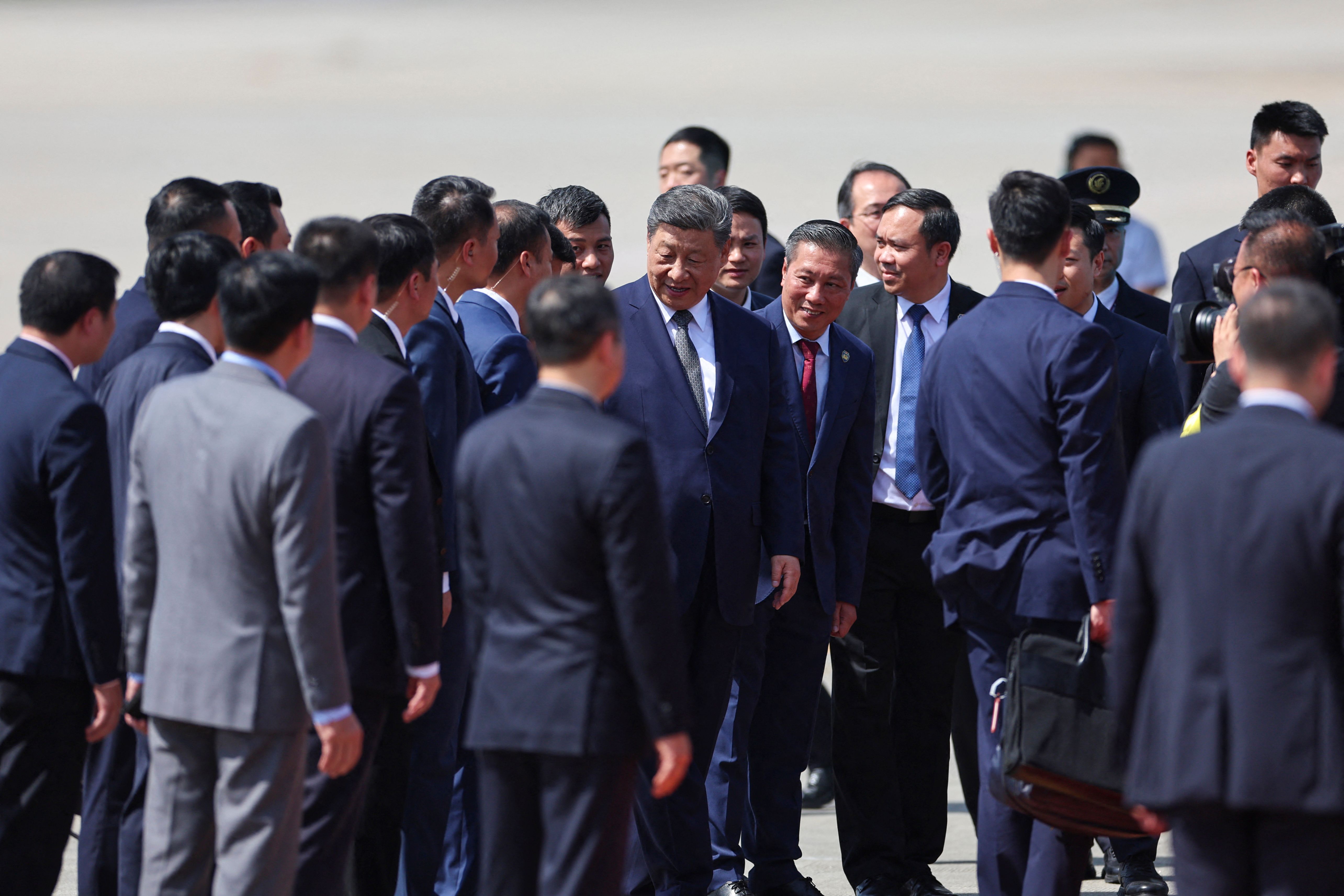
Tapping our network of China experts in the region, Carnegie China offers this latest “China Through a Southeast Asian Lens” report to offer preliminary assessments of whether the U.S. effort to reshape the global trading order will lead countries in the region to tilt toward Beijing.



Selina Ho, Khin Khin Kyaw Kyee, Joseph Ching Velasco, …
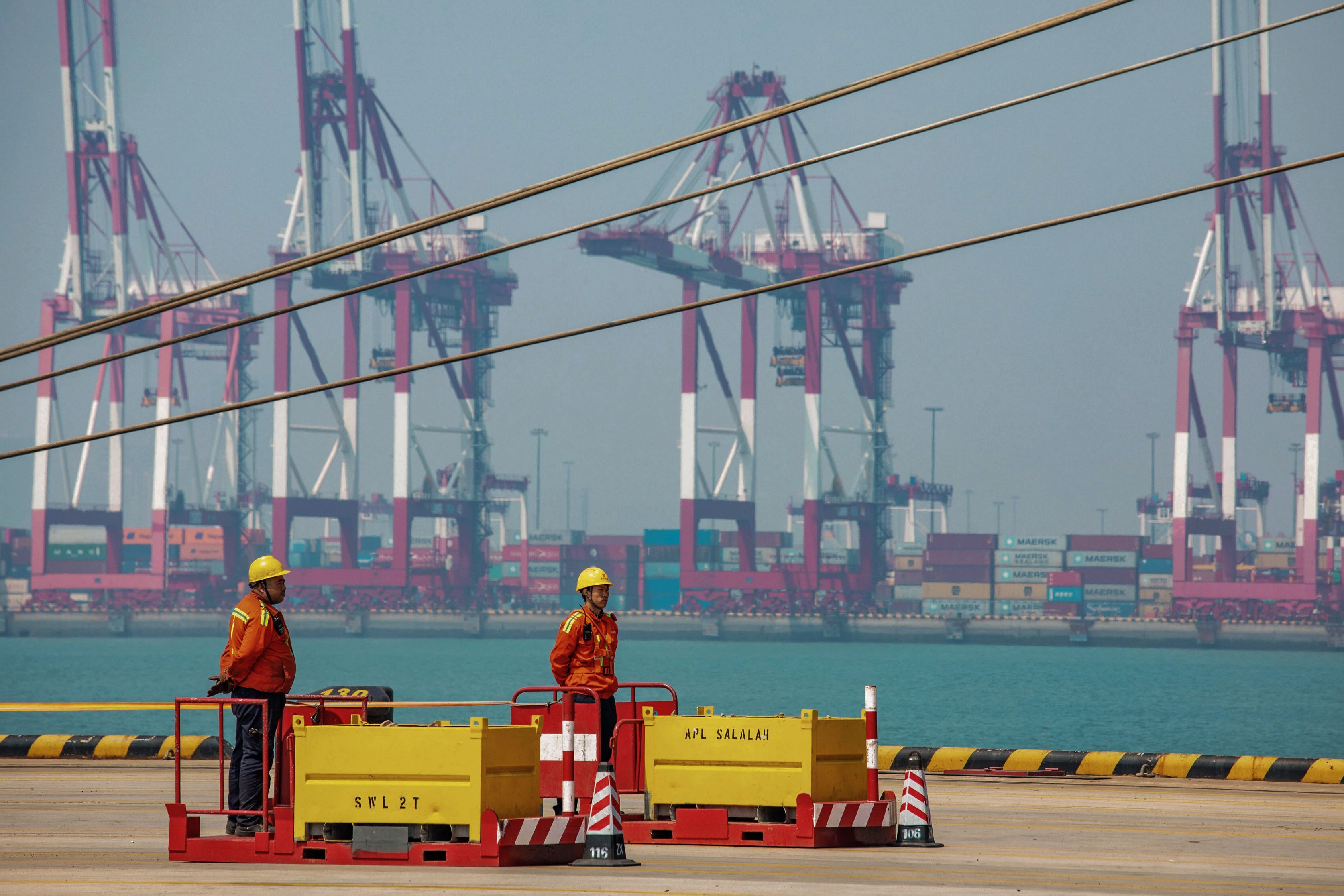
In order to keep production growing, China must either increase investment, and with it its debt burden, or increase its trade surplus.

Michael Pettis
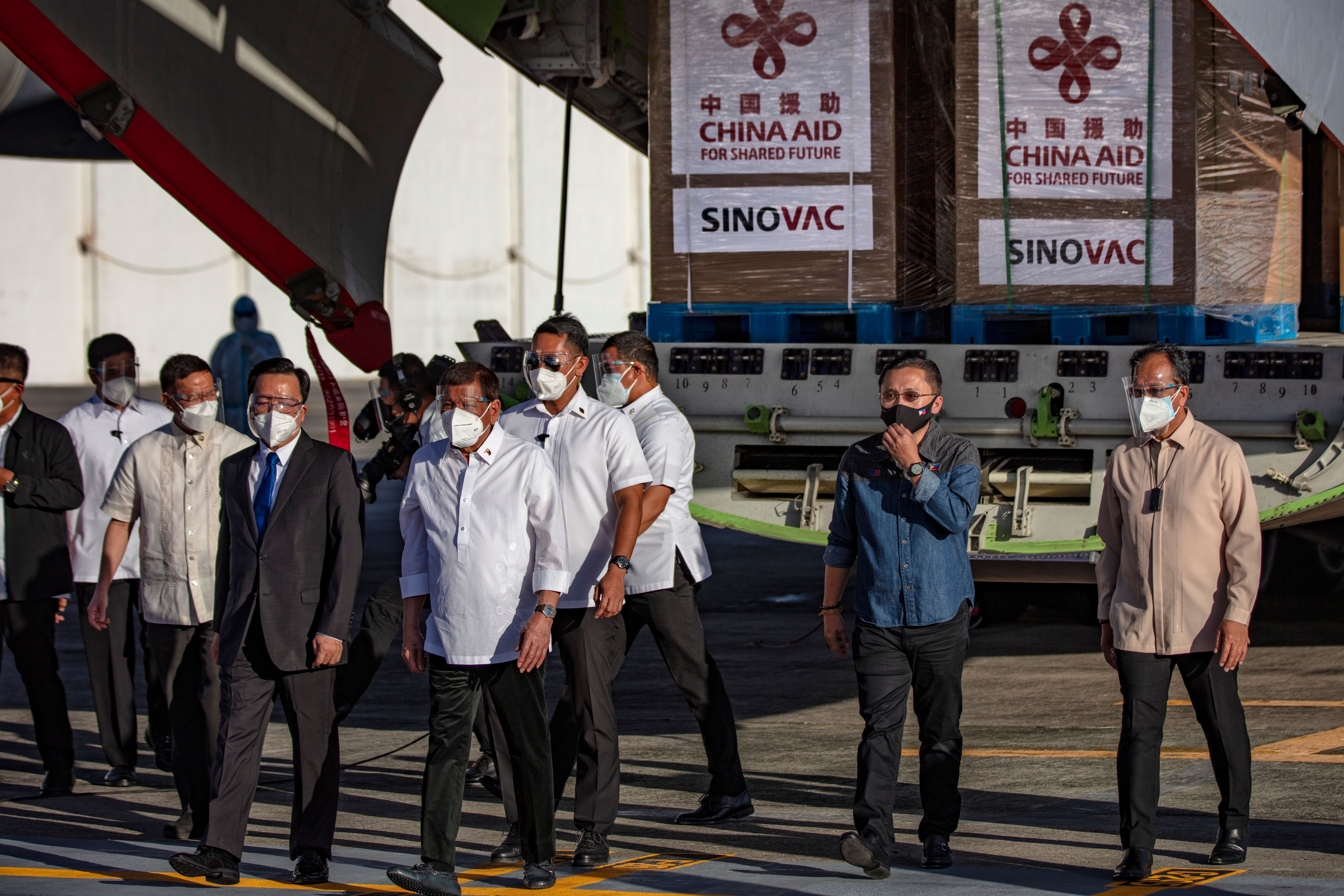
As tech competition moves into the biotech sector, China is increasingly shifting its focus to nearby regions to alleviate U.S.-induced supply chain pressures. As part of this transition, Southeast Asia has emerged as a favored destination.

Xue Gong