

Commentary
Regulation, not embargo, allows Beijing to shape how other countries and firms adapt to its terms.
Alvin Camba
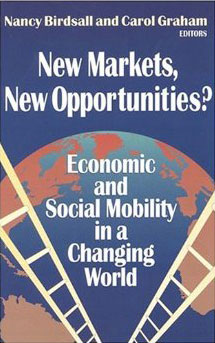
Many of the countries that have recently converted to a market-based economic system have also experienced an alarming increase in income inequality — a widening gap between the haves and have nots. But to what extent is the increase in inequality also increasing the opportunities for economic advancement — particularly for those at the bottom of the economic ladder?
Source: Washington, DC: Carnegie Endowment for International Peace, 2000
Many of the countries that have recently converted to a market-based economic system have also experienced an alarming increase in income inequality — a widening gap between the haves and have nots. But to what extent is the increase in inequality also increasing the opportunities for economic advancement — particularly for those at the bottom of the economic ladder? Does the creation of greater opportunities make a region's move to the market politically acceptable? And, if opportunities don't increase along with inequality, will it eventually cause a political backlash against a country's market policies?
This book highlights the importance of finding the answers to those questions by examining the issues of social mobility and opportunity as an essential part of the income inequality puzzle. It provides a summary of the latest research on the economics and politics of social mobility in both developed and emerging market economies, including the conceptual issues involved and the challenges of accurately documenting trends.
The book concludes with a discussion of the economics of opportunity and mobility in Latin America and Eastern Europe, and the politics and perceptions of mobility in the two regions.
Nancy Birdsall is senior associate at the Carnegie Endowment for International Peace, formerly executive vice president of the Inter-American Development Bank. Carol Graham is a senior fellow in Foreign Policy Studies and codirector of the Center on Social and Economic Dynamics at the Brookings Institution. They are coeditors (with Richard H. Sabot) of Beyond Tradeoffs: Market Reforms and Equitable Growth in Latin America (Brookings/IDB, 1998).
"Inequality has always been a daunting economic, social, political, and moral challenge. In recent years it has become even more so. This excellent book asks readers to reconsider whether inequality matters and why. It will be a central reference for thinkers and policymakers concerned with the problem of inequality in a world of markets."
—Moises Naim, Foreign Policy
"This is a wide-ranging book that places the market economy where it belongs: amidst other institutions, different initiatives, and diverse tasks. Its broad approach contrasts with a narrow view of seeing development exclusively as market-driven or as being quintessentially state-managed. This is a substantial addition to the literature on development in a globalizing world."
—Amartya Sen, Cambridge University
"Anyone concerned with the global economy has to face the question: how are people, especially poor people, faring in increasingly open, market-oriented systems? Who gets to exploit new opportunities? What are the implications of more mobility and less security for sustaining political support for market policies. With clarity and rigor, this book challenges us think about the technical and political dimensions of equitable, market-led growth."
—Mark Malloch Brown, United Nations Development Program
Former Senior Associate
Carol Graham
Carnegie does not take institutional positions on public policy issues; the views represented herein are those of the author(s) and do not necessarily reflect the views of Carnegie, its staff, or its trustees.

Regulation, not embargo, allows Beijing to shape how other countries and firms adapt to its terms.
Alvin Camba

Beijing believes that Washington is overestimating its own leverage and its ability to handle the trade war’s impacts.


Rick Waters, Sheena Chestnut Greitens
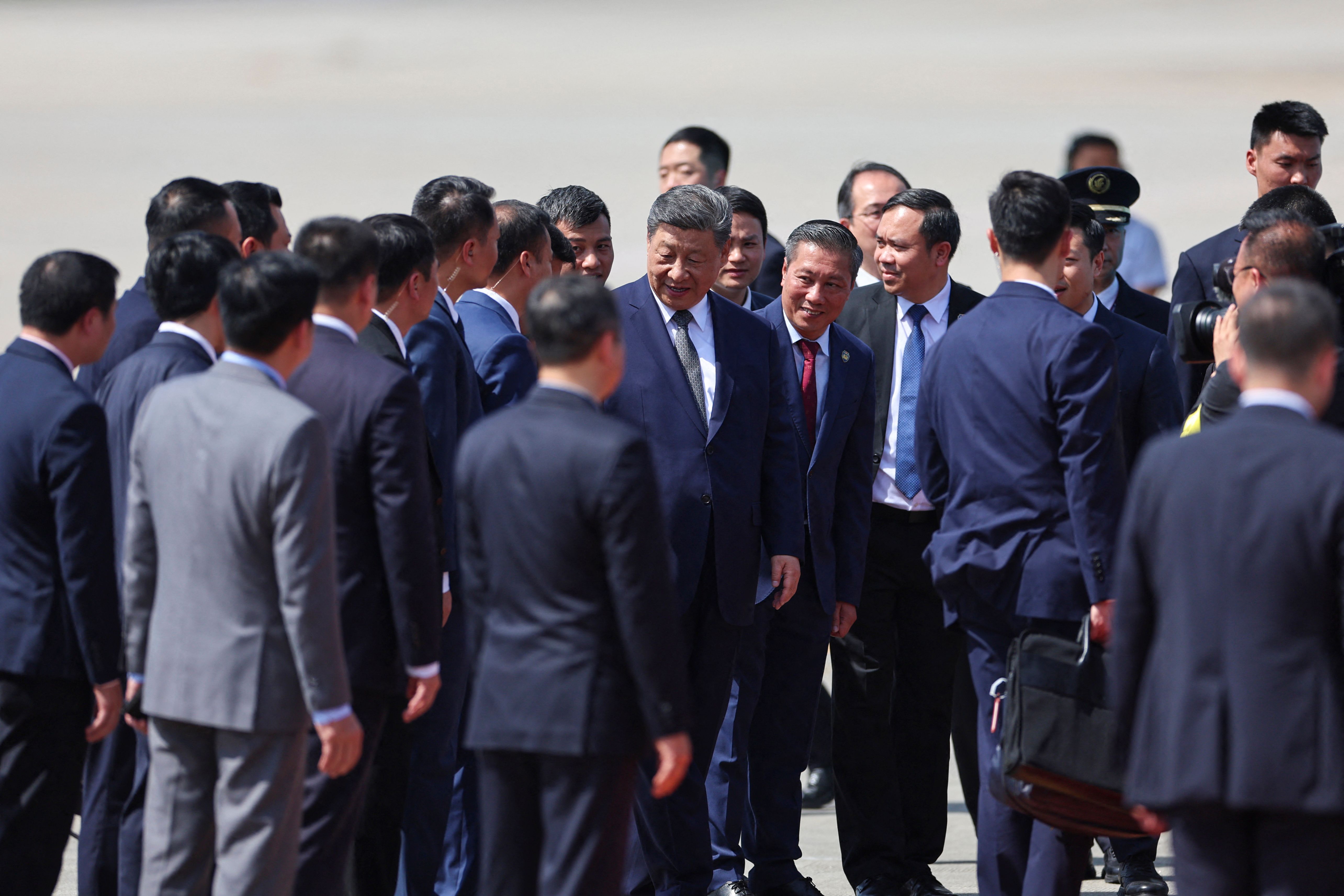
Tapping our network of China experts in the region, Carnegie China offers this latest “China Through a Southeast Asian Lens” report to offer preliminary assessments of whether the U.S. effort to reshape the global trading order will lead countries in the region to tilt toward Beijing.


Selina Ho, Khin Khin Kyaw Kyee, Joseph Ching Velasco, …
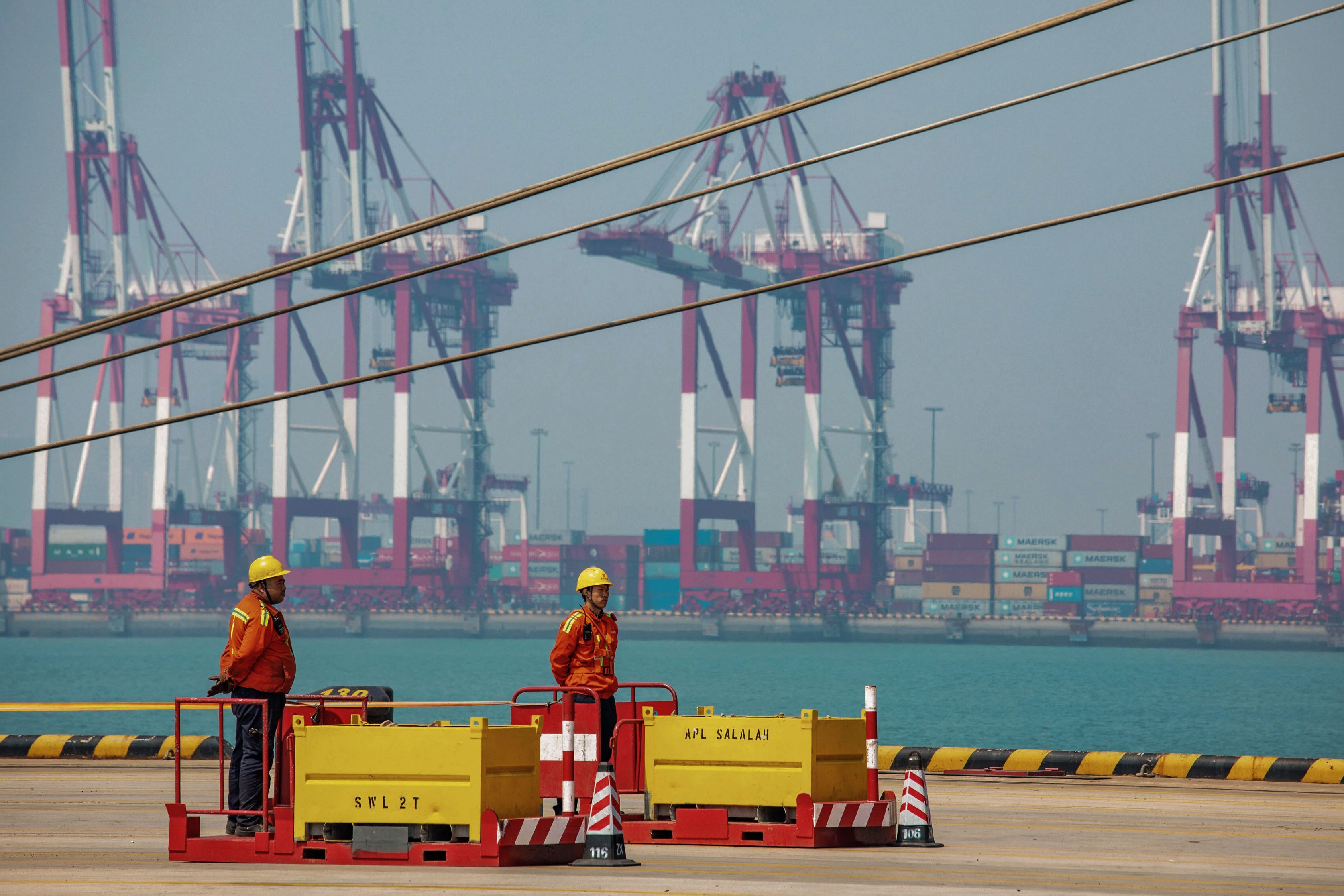
In order to keep production growing, China must either increase investment, and with it its debt burden, or increase its trade surplus.

Michael Pettis
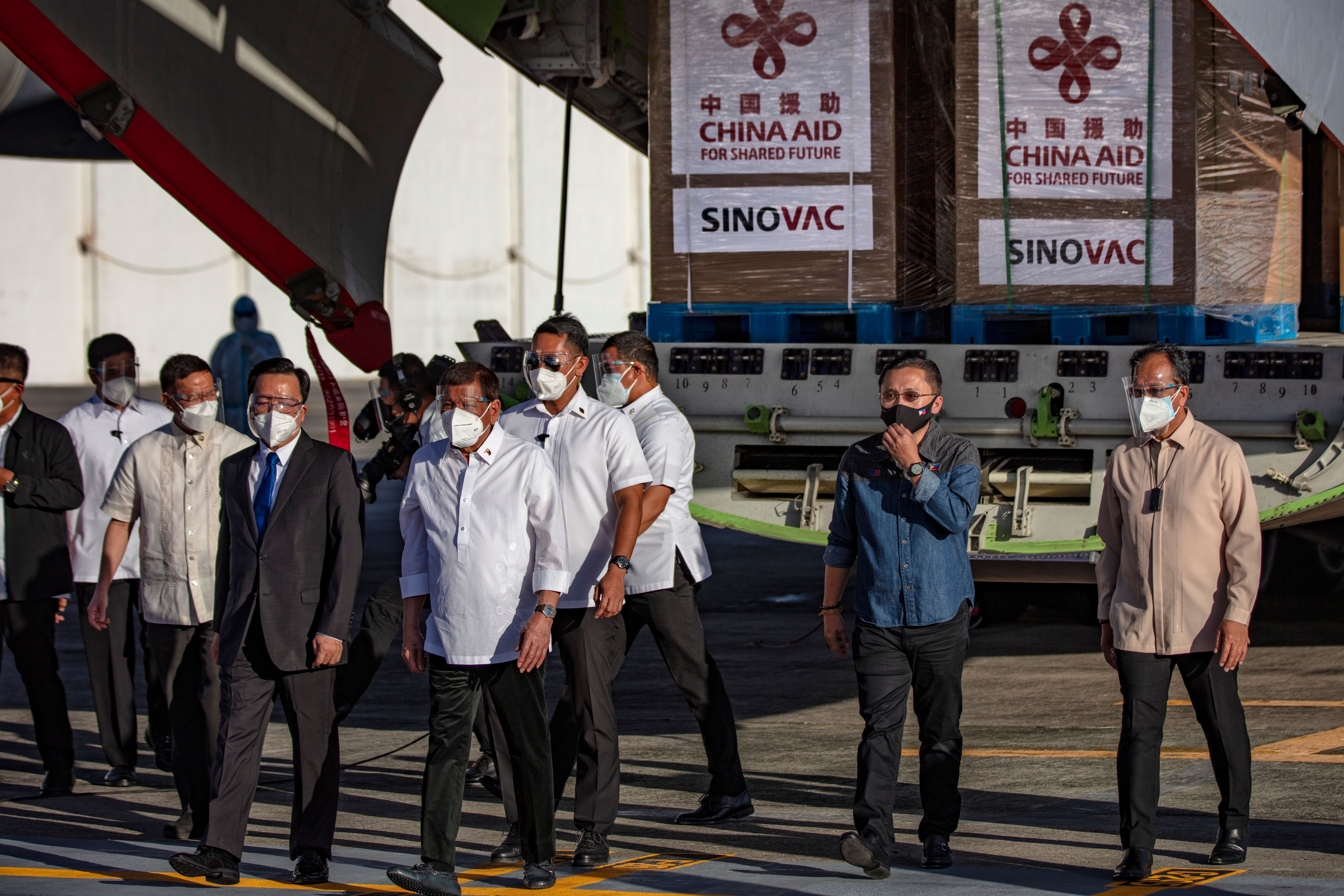
As tech competition moves into the biotech sector, China is increasingly shifting its focus to nearby regions to alleviate U.S.-induced supply chain pressures. As part of this transition, Southeast Asia has emerged as a favored destination.

Xue Gong