

Commentary
China’s growing attention to Central Asia is perceived as a harbinger of tectonic shifts in regional geopolitics.
Temur Umarov

REQUIRED IMAGE
Source: Carnegie
Summary
To address drug proliferation and trafficking in the context of non-traditional security threats and to try to find ways out of the potentially explosive situation, the Carnegie Endowment for International Peace sponsored a meeting of representatives of the five Central Asian states, Russia, Azerbaijan, Turkey, the United States, the United Nations Drug Control Program (UNDCP), the Organization for Security and Cooperation in Europe (OSCE), and the Aga Khan Development Network, held in Bishkek, Kyrgyzstan in May 1999. This paper analyzes the situation in the region based on the conference proceedings and aims to raise international awareness of the seriousness of the problem. It also advocates the need for a concerted effort within the region and without to help these countries fight this evil.
Click on link above for full text of this Carnegie Paper.

Former Senior Associate, Russia and Eurasia Program and, Co-director, al-Farabi Carnegie Program on Central Asia
Olcott is professor emerita at Colgate University, having taught political science there from 1974 to 2002. Prior to her work at the endowment, Olcott served as a special consultant to former secretary of state Lawrence Eagleburger.
Former Program Associate
Carnegie does not take institutional positions on public policy issues; the views represented herein are those of the author(s) and do not necessarily reflect the views of Carnegie, its staff, or its trustees.
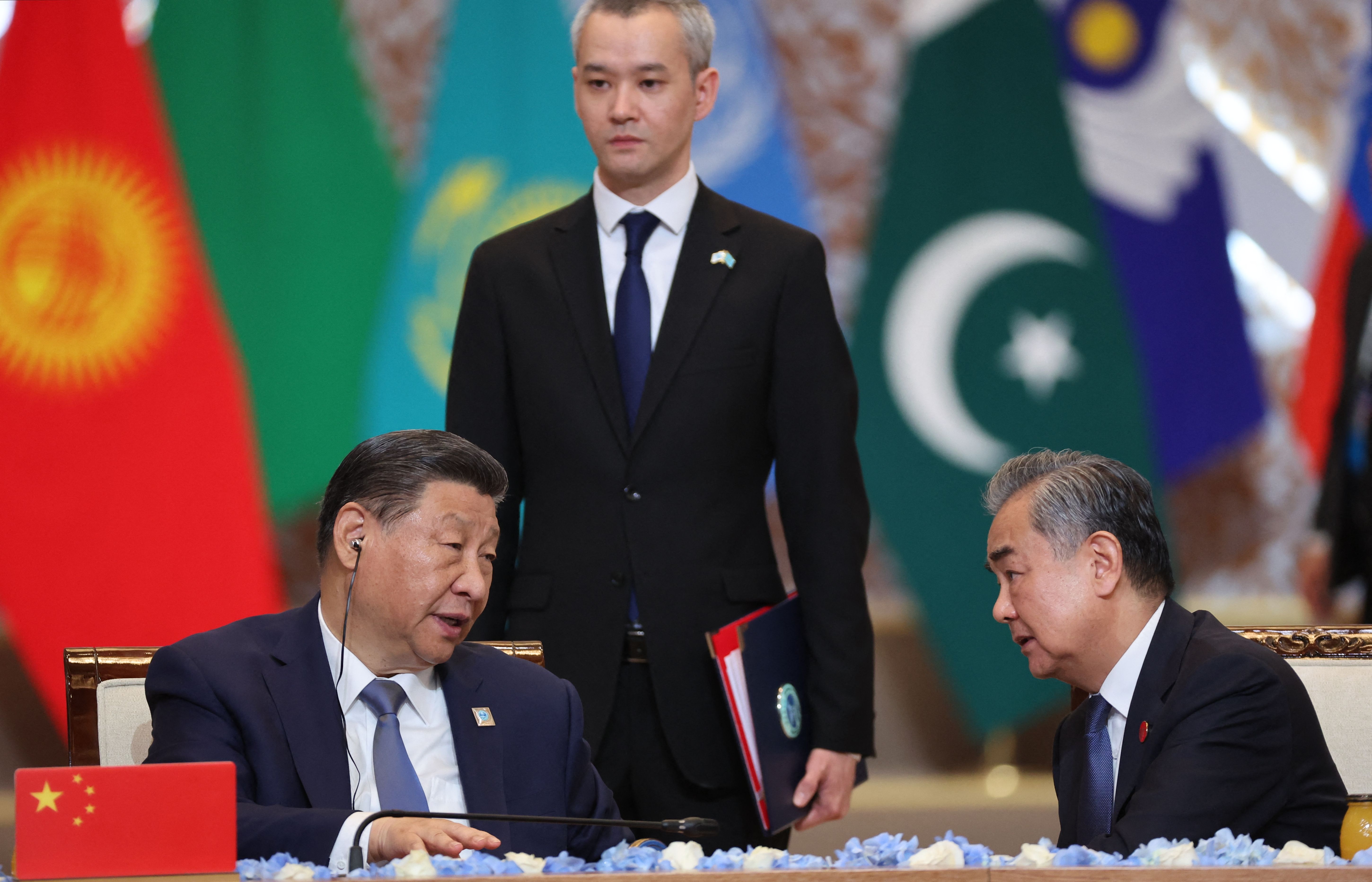
China’s growing attention to Central Asia is perceived as a harbinger of tectonic shifts in regional geopolitics.

Temur Umarov
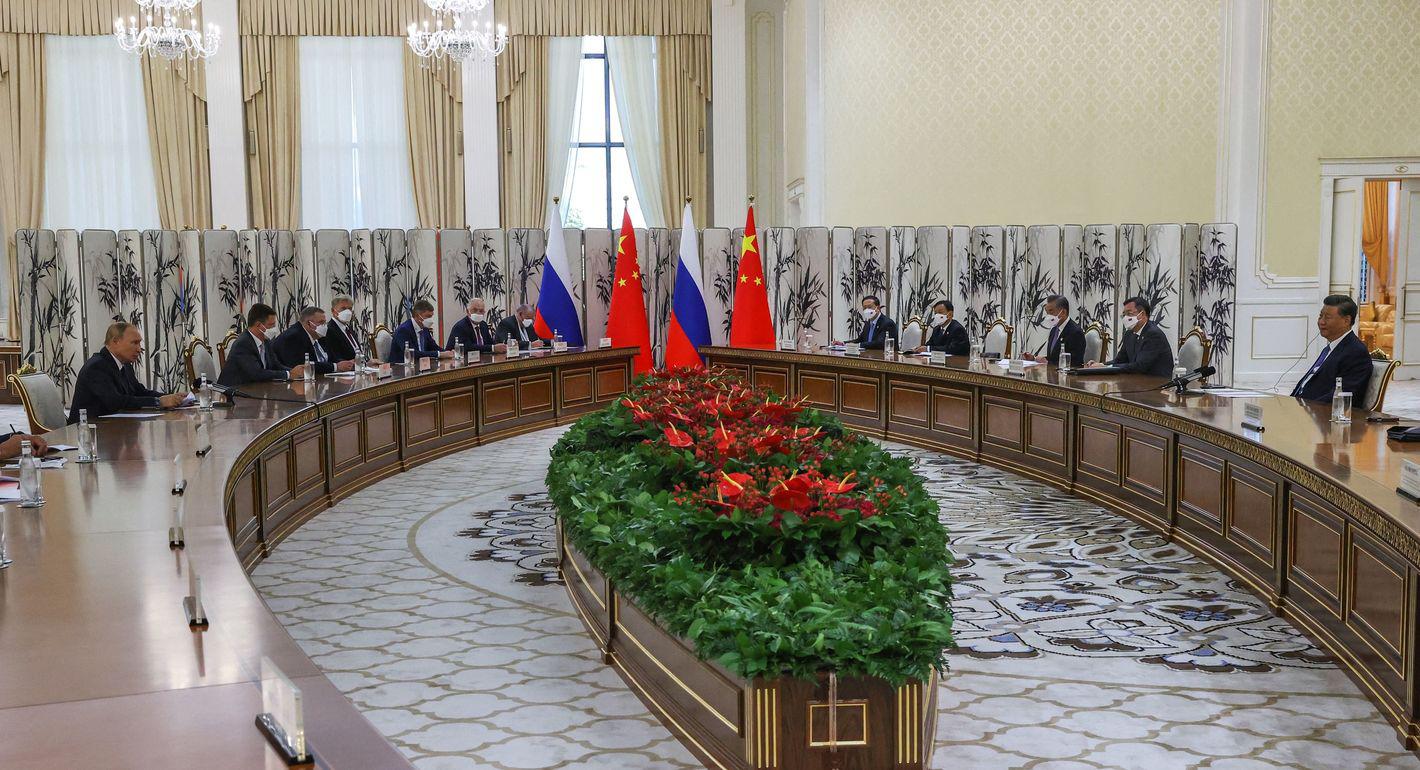
Russia has its Eurasian Economic Union, and China has its Belt and Road Initiative. For both projects, Central Asia is important.

Temur Umarov, Nargis Kassenova
The internationalization of China, and of its companies in particular, is one of the most important phenomena of the beginning of the twenty-first century.
Philippe Le Corre
Consumed by domestic controversies and growing foreign policy crises in North Korea and the Middle East, the Trump administration has put little effort into developing a new policy approach towards Central Asia.

Paul Stronski
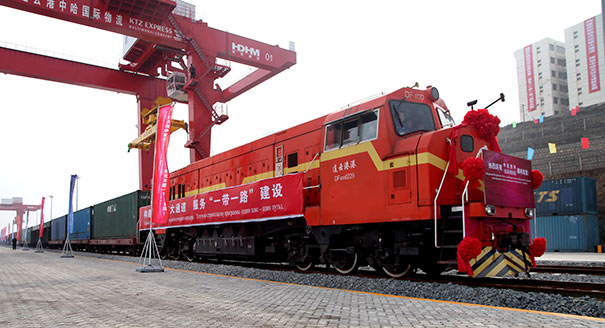
China hopes to use three strengths to make the Belt and Road Initiative a success: its large foreign exchange reserves, dominance in certain infrastructure fields, and unique forms of state backed project finance.

Evan A. Feigenbaum