

Commentary
Carnegie China scholars share their assessment of the Biden-Xi meeting and its implications for U.S.-China relations going forward.
- +1
Paul Haenle, Xue Gong, Ngeow Chow Bing, …

REQUIRED IMAGE
Source: Carnegie
FOREWORD
In the 1990s, applications for U.S. citizenship skyrocketed. For the previous several decades, about 200,000 immigrants sought naturalization each year. That number has more than doubled in recent years; in 1997 alone, more than 1.6 million naturalization applications were filed.
Several factors appear to account for the dramatic rise in applications. The more than three million immigrants who received legal status under the amnesty programs of the 1986 Immigration Reform and Control Act became eligible for U.S. citizenship in the mid-1990s. Furthermore, changes in federal law-terminating social benefits to immigrants, expanding deportation grounds, and restricting judicial review-rendered the status of immigrant less secure. Add to this a general anti-immigrant animus, as evidenced by passage in California of Proposition 187, and one can understand why some immigrants might seek the security of U.S. citizenship.
These are all "macro" explanations, offered by theorists familiar with trends in immigration law and policy. Audrey Singer and Greta Gilbertson here provide the data for testing the theorists' speculations. In a pathbreaking study that analyzes naturalization decisions at the "micro" level, they describe the complex motivations of members of an extended Dominican family living in New York City. Their fascinating account of why and when immigrants seek (or don't seek) naturalization is rich in detail, nuance, and even irony. They also make us aware that the categories of immigrant and citizen cannot be viewed in isolation, but must be understood within a broader context that appreciates the powerful influences of race, ethnicity, and culture.
The authors' research must lead us to question the usual assumption that naturalization is the predictable and straightline outcome of the immigration process. The variety of motives cited for naturalizing-including that naturalization facilitates return to the Dominican Republic-will force us to think more deeply about the meaning of U.S. citizenship and forms of attachment.
Singer and Gilbertson note that the meaning of naturalization and citizenship may change for individuals over time and based on new circumstances. That is, citizenship-much as America itself-is a dynamic concept that cannot be adequately captured or characterized in static terms of "affect" or "identity." Their work is a valuable addition to the literature, and the International Migration Policy Program is pleased to publish it.
—T. Alexander Aleinikoff
Director, Comparative Citizenship Project
International Migration Policy Program
Click on link above for full text of this Carnegie Paper.
Former Associate
Greta Gilbertson
Carnegie does not take institutional positions on public policy issues; the views represented herein are those of the author(s) and do not necessarily reflect the views of Carnegie, its staff, or its trustees.
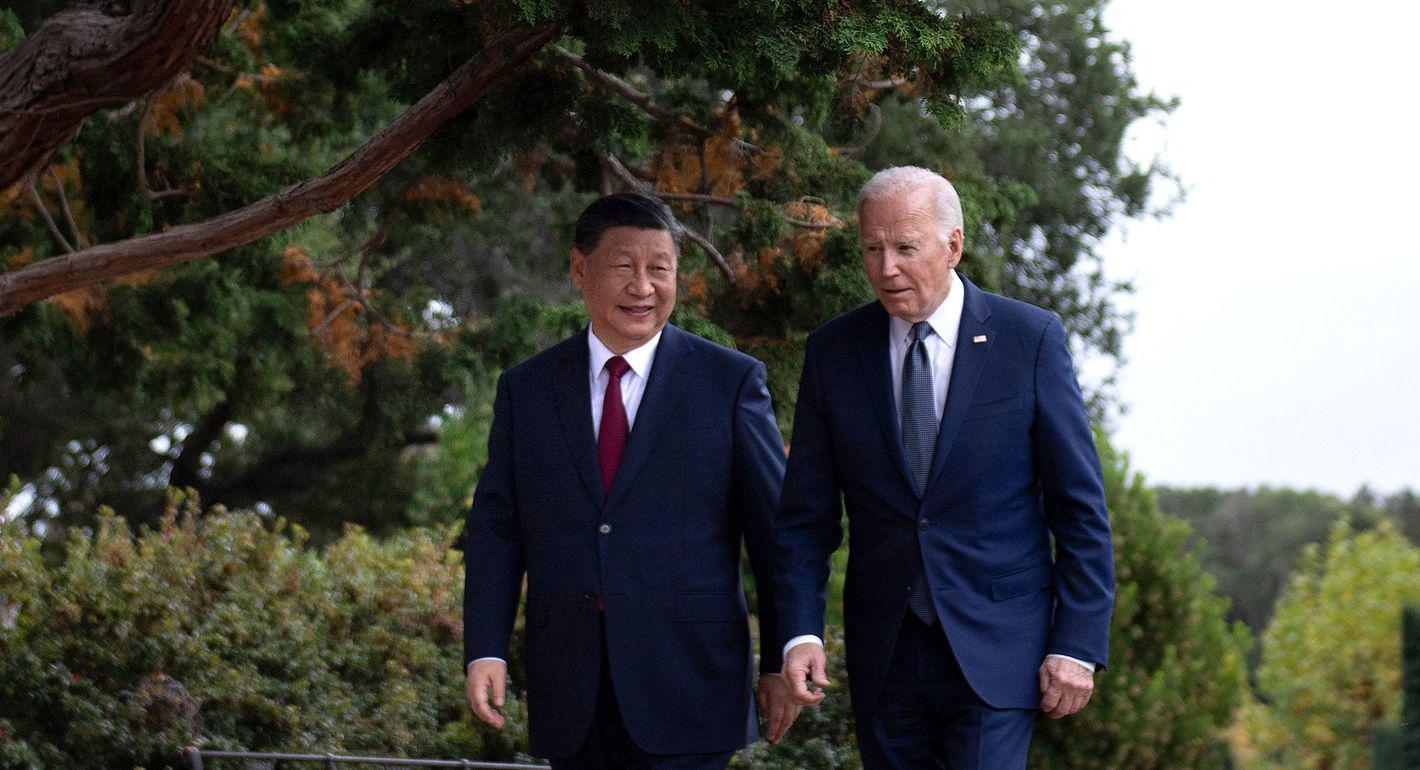
Carnegie China scholars share their assessment of the Biden-Xi meeting and its implications for U.S.-China relations going forward.



Paul Haenle, Xue Gong, Ngeow Chow Bing, …
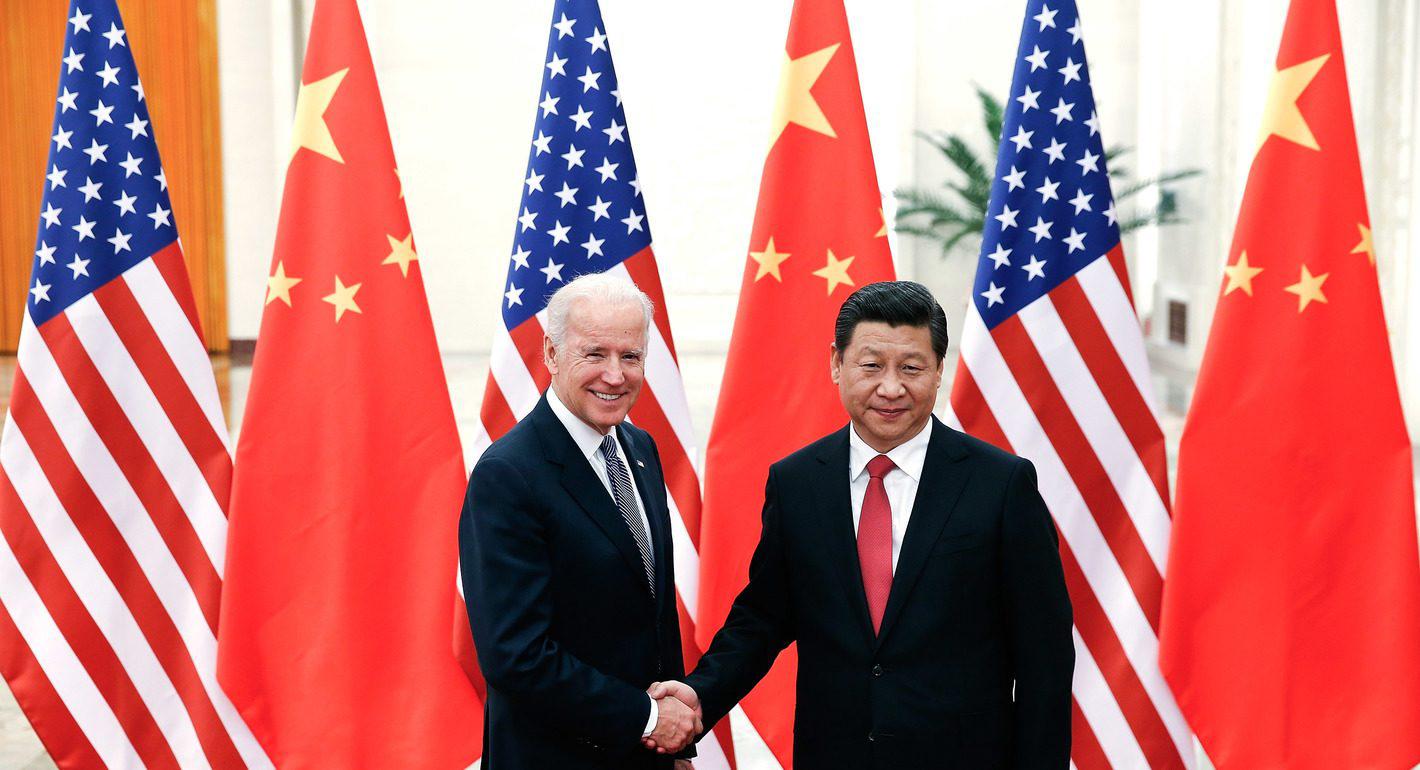
Southeast Asian capitals would prefer that the U.S. and PRC manage their relationship, if not get along.

Paul Haenle, Chong Ja Ian

As the world undergoes a new round of fragmentation and major power rivalry that includes the advancing of divergent visions of global order, Singapore is discovering that its interests are increasingly being pulled in different directions.
Chong Ja Ian
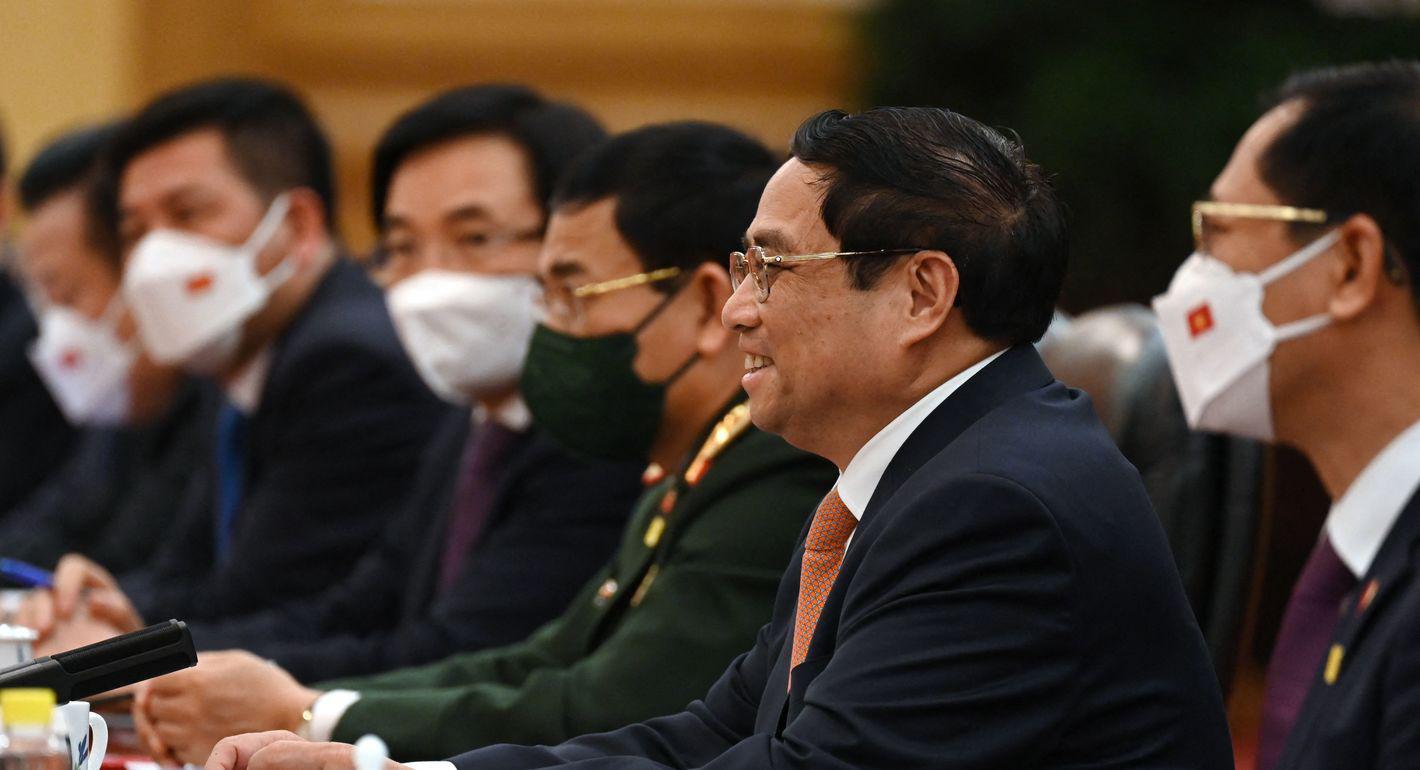
There is a certain level of restraint, but there is also a lingering distrust.

Paul Haenle, Huong Le Thu
China views U.S. missile defense as posing a greater potential threat to China’s nuclear deterrent than other U.S. military capabilities.

Tong Zhao, Dmitry Stefanovich