

Commentary
In July 2025, Vietnam and China held their first joint army drill, a modest but symbolic move reflecting Hanoi’s strategic hedging amid U.S.–China rivalry.
Nguyễn Khắc Giang

REQUIRED IMAGE
Seven years after Presidents George Bush and Boris Yelstin signed it, the Russian Duma is on the verge of ratifying the START II arms reduction treaty. The agreement, ratified by the United States Senate on January 26, 1996, would cut the number of U.S. and Russian deployed strategic nuclear weapons to 3,000-3,500.
Source: Carnegie
Seven years after Presidents George Bush and Boris Yelstin signed it, the Russian Duma is on the verge of ratifying the START II arms reduction treaty. The agreement, ratified by the United States Senate on January 26, 1996, would cut the number of U.S. and Russian deployed strategic nuclear weapons to 3,000-3,500.
The Duma, however, will likely condition its approval on U.S. adherence to the ABM Treaty and the U.S. Senate’s approval of the protocols to the START and ABM treaties negotiated in 1997. U.S. pursuit of national missile defenses and the all but certain Senate rejection of the protocols (if and when they are submitted by the administration) makes full implementation of START II pact unlikely for the foreseeable future.
START II Cuts
The START II Treaty marks a dramatic step forward in the arms reduction process. Previous agreements have either capped future deployments without actually reducing the numbers of deployed weapons (SALT I and II), or contain counting rules that allow actual deployments of weapons above the limits laid out in the treaties (START I).
START II, when implemented, will reduce the number of deployed weapons on each side to 20% of their cold war peaks. Moreover, the agreement completely bans the deployment of land-based missiles with multiple independently targeted re-entry vehicles (MIRVs). These systems are particularly destabilizing, posing attractive targets for an attacker and a vulnerable but precious resource for the possessor.
Despite START II’s benefits, it does not require the destruction of actual warheads, focusing instead on delivery systems. Even after implementation, for example, the United States plans to maintain a force of 10,000 weapons, with 3,500 deployed strategic weapons, another 500 weapons stored as strategic spares, plus 1,000 tactical weapons and 2,500 weapons held in a "hedge" force in case Russia were to revert suddenly to its cold war posture, plus 2,500 in reserve.
These weapon "reserves" create a major source of instability and, in the case of Russia, pose the long-term risk of possible thefts or diversion. The United States and Russia need to move quickly to further reduce the number of deployed weapons, require and verify the destruction of nuclear warheads, and develop concrete and innovative approaches to dispose of excess nuclear materials. The Duma’s ratification opens the door for these initiatives, but politics in Moscow and Washington may still bar the way.
Duma Politics
During the cold war, the level of nuclear weapons deployed by Russia and the United States rose to startling levels. These huge arsenals would have been even larger had the two sides not agreed to limit the deployment of missile defenses. The deployment of large numbers of interceptors would have driven both sides to deploy additional offensive systems to ensure the survivability of their nuclear deterrents.
Even after the cold war, Russia continues to rely on this offense-defense balance to ensure its security. Concerned that large-scale deployment of U.S. missile defenses could negate its deterrent, Russia is conditioning approval of START II on the continued existence of the offense-defense bargain inherent in the ABM Treaty. The Duma’s draft implementing legislation prohibits the exchange of instruments of ratification (and thus the legal implementation of the treaty) until the United States has ratified the 1997 agreements extending the deadline for START II dismantlements (from 2003 to the end of 2007) and clarifying the line between permitted theater missile defense systems and true strategic defenses. Senate opponents of the ABM Treaty have vowed to defeat these protocols. The draft language also states that Russia shall have "the right to withdraw from the Treaty" if the U.S. withdraws from or violates the ABM Treaty.
U.S Politics
The Clinton administration now finds itself trapped between a rock and the right wing. Not wanting to be vulnerable to attacks by missile defense proponents, President Clinton has been trying to negotiate a "grand bargain" with Russia to permit the deployment of national missile defenses within the context of the ABM Treaty and further weapons reductions in a START III treaty. It is unlikely, however, that the Senate would approve any agreement that did not permit complete and unrestricted deployment of robust defenses. Any agreement that met the Senate’s conditions would be an arrangement that Russia would undoubtedly reject.
It has taken the Clinton administration seven years to obtain Senate and Duma ratification of President Bush’s treaty. Now, President Clinton will have only ten months to write his own legacy.
Joseph Cirincione is the Director and Jon Wolfsthal an Associate at the Carnegie Non-Proliferation Project.

Former Senior Associate, Director for NonProliferation
Former Nonresident Scholar, Nuclear Policy Program
Jon Wolfsthal was a nonresident scholar with the Nuclear Policy Program.
Carnegie does not take institutional positions on public policy issues; the views represented herein are those of the author(s) and do not necessarily reflect the views of Carnegie, its staff, or its trustees.
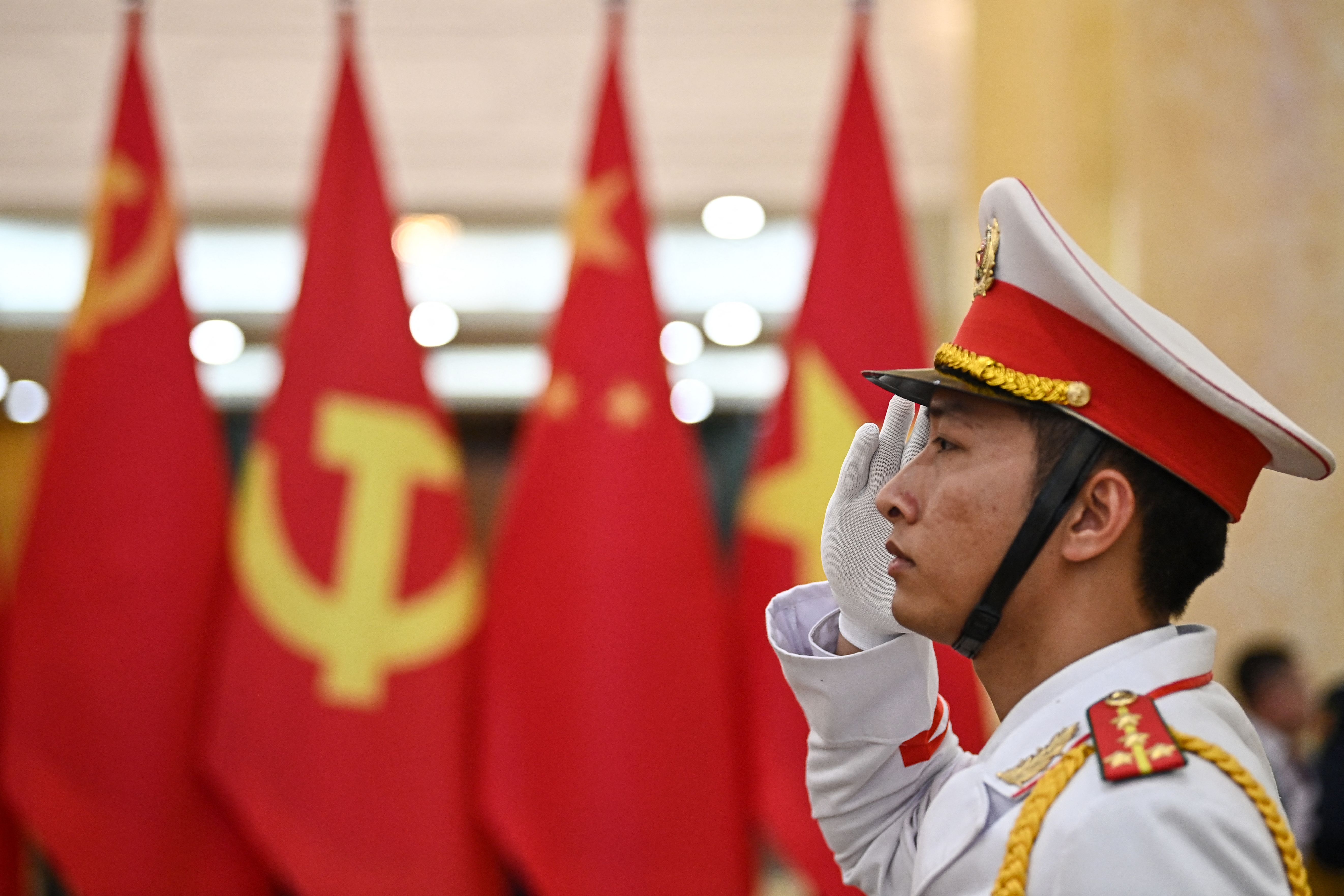
In July 2025, Vietnam and China held their first joint army drill, a modest but symbolic move reflecting Hanoi’s strategic hedging amid U.S.–China rivalry.

Nguyễn Khắc Giang
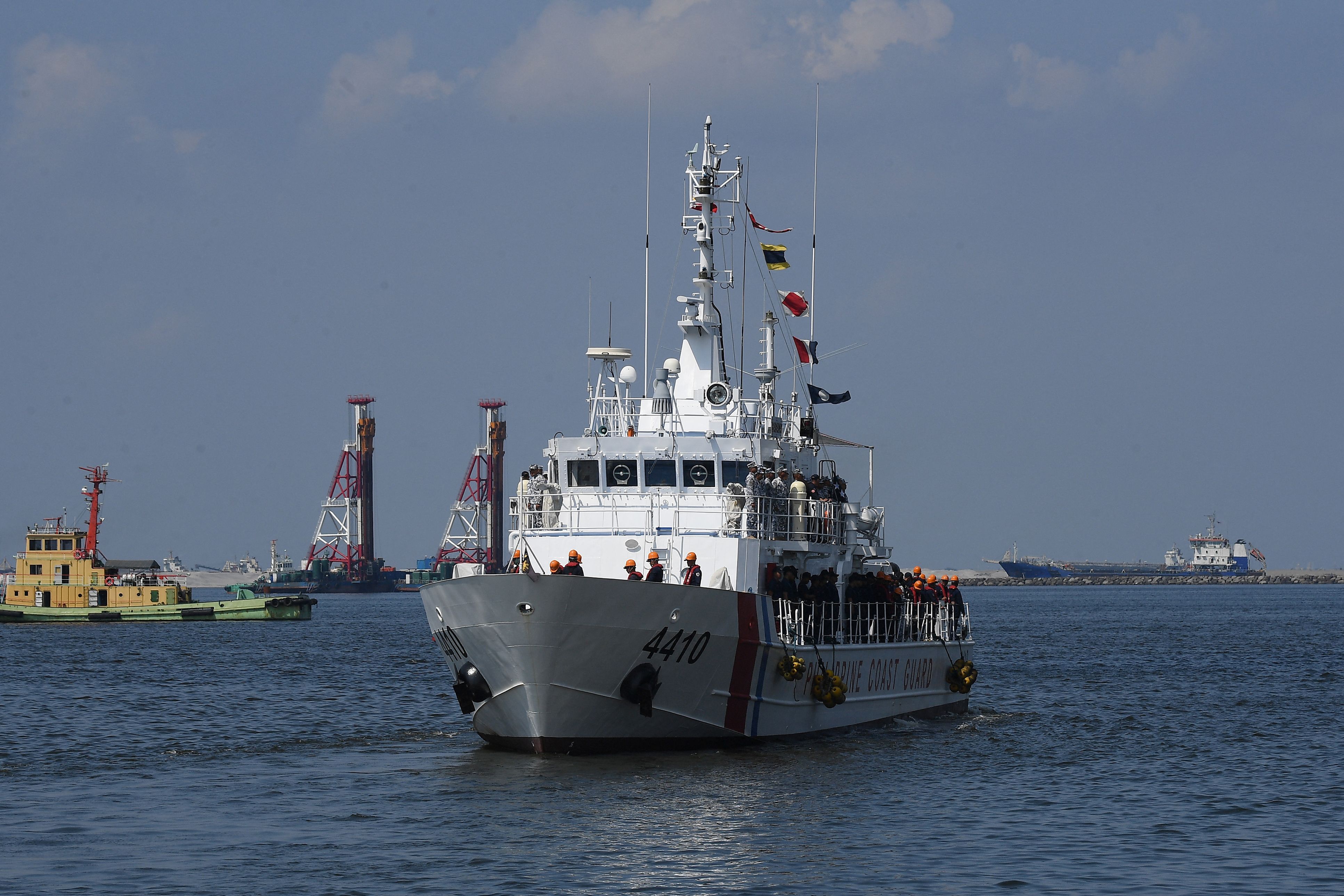
Most Southeast Asian states behave as if the actions of their Northeast Asian neighbors and the Philippines will be sufficient to maintain a regional status quo from which they can benefit.

Chong Ja Ian
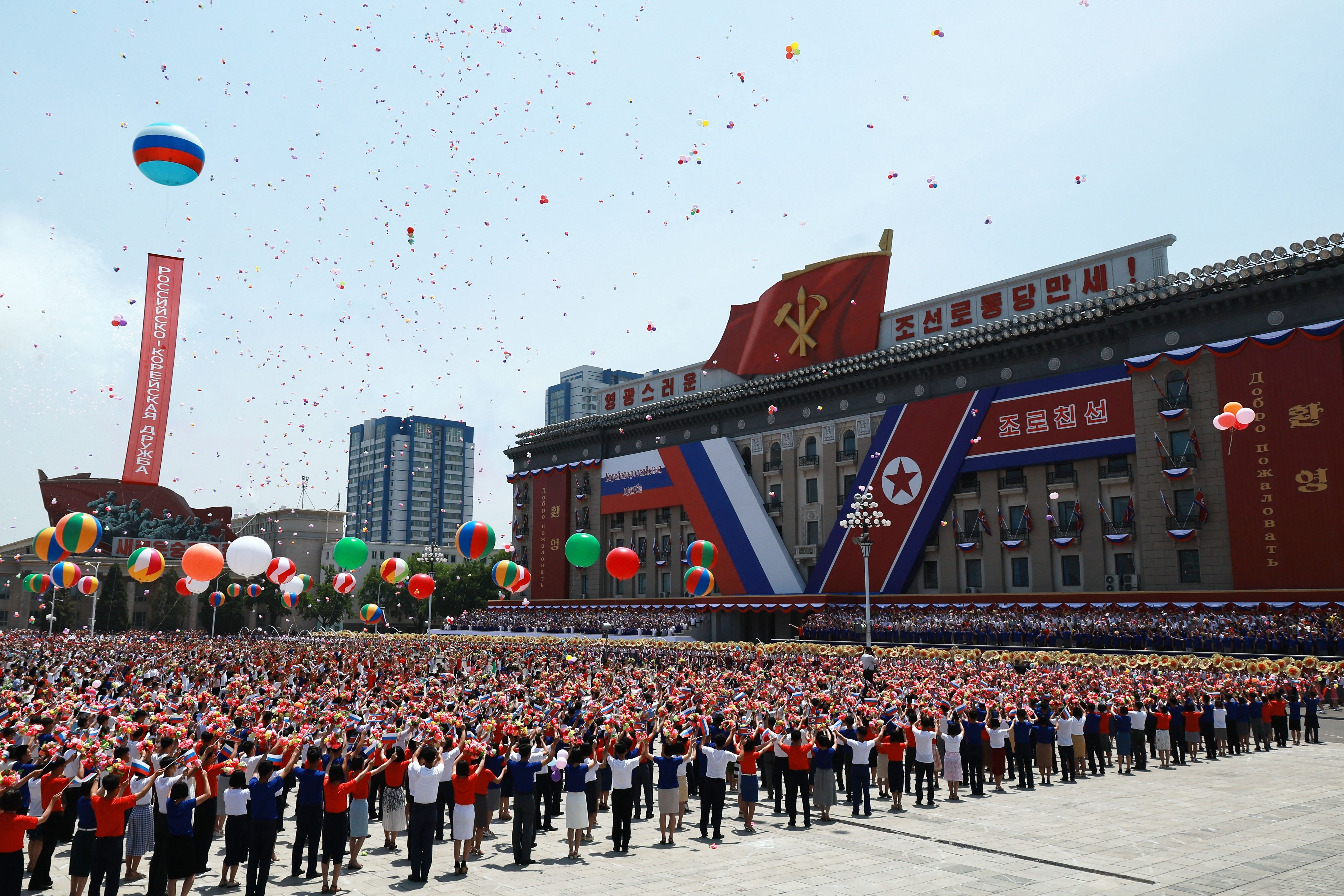
Faced with an increase in strategic maneuvering by Moscow and Pyongyang, Beijing will not sit idly by and allow Putin and Kim to shape the security environment on its behalf.

Tong Zhao
China views U.S. missile defense as posing a greater potential threat to China’s nuclear deterrent than other U.S. military capabilities.
Tong Zhao, Dmitry Stefanovich
Blinken’s Beijing visit will be seen through a security lens, but Washington should separate its alliance from Manila from its calculations around China.

Charmaine Misalucha-Willoughby