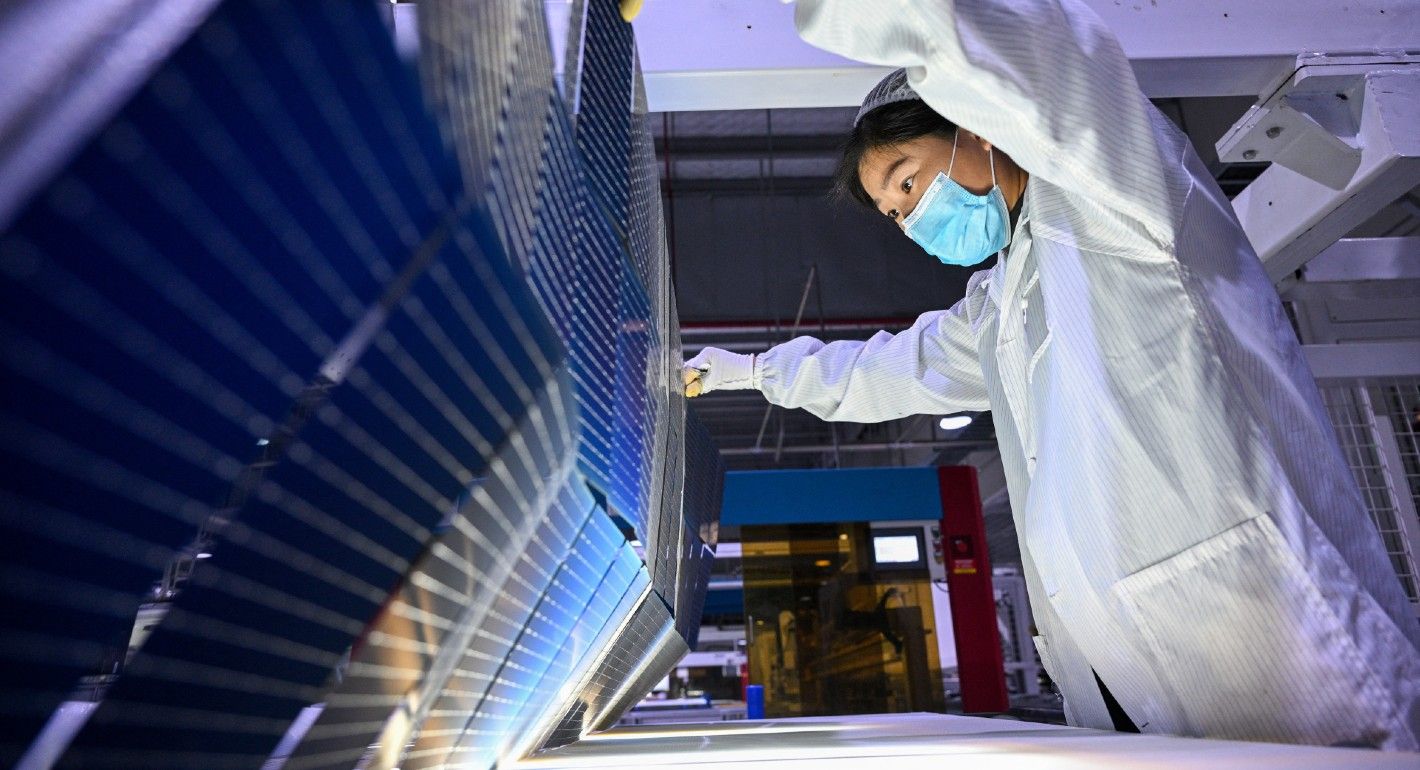
Regulation, not embargo, allows Beijing to shape how other countries and firms adapt to its terms.
Alvin Camba
REQUIRED IMAGE
Source: CERN Global Dialogue Series
Background Studies Prepared for the Bangkok Meeting
SUMMARY
These country case studies offer detailed, political economy analyses of the Asian financial crisis and the different approaches to managing each country's recovery. Wing Thye Woo gives a broad comparative analysis of the economic and political dimensions of the crisis in Malaysia, South Korea, and Indonesia. Jongryn Mo details reforms in South Korea undertaken as a result of the crisis, and the factors that made these reforms politically feasible. Pasuk Phongpaichit and Chris Baker analyze the politics of reform in Thailand, both during its boom period and the post-crisis period, giving particular emphasis to distributional issues.
Jongryn Mo
Pasuk Phongpaichit
Chris Baker
Regulation, not embargo, allows Beijing to shape how other countries and firms adapt to its terms.
Alvin Camba
Rather than climate ambitions, compatibility with investment and exports is why China supports both green and high-emission technologies.
Mathias Larsen
“Involution” is a new word for an old problem, and without a very different set of policies to rein it in, it is a problem that is likely to persist.
Michael Pettis
While China's investment story seems contradictory from the outside, the real answers to Beijing's high-quality growth ambitions are hiding in plain sight across the nation's cities.
Yuhan Zhang
China's stimulus addiction cannot go on forever. Beijing still has policy space to clean up the country's massive debt issue, but time is running short.
Michael Pettis