

Commentary
Regulation, not embargo, allows Beijing to shape how other countries and firms adapt to its terms.
Alvin Camba

REQUIRED IMAGE
Source: Carnegie
Summary
In the 1990s the Brazilian government embarked on a new era, privatizing previously state-owned companies like the country's first large-scale steel mill, National Steel Company (CSN). Privatized enterprises like CSN have seen growing profits, have attracted more investment, and have contributed to Brazil's growth in the 1990s. However, privatization could have had even more benefits-broadening as well as increasing the benefits of more efficient and competitive firms. Here, Roberto Macedo analyzes how a program that could have increased access to-or democratize-capital ownership, ended up mostly benefiting big business in Brazil and abroad.
In selling its shares in state-owned enterprises, the Brazilian government, Macedo shows, opted for a higher price by auctioning large and controlling blocks of shares to national companies, foreign investors, pension funds, and financial institutions. Offerings to the public were minimal, and targeted offerings to employees of firms being privatized, for example, benefited high-wage workers.
Macedo argues that the privatization program contributed to the enlargement of Brazil's public debt and large fiscal deficits by delaying the devaluation of the Brazilian real-which took place only last year. Once again, the poorest groups are likely to lose out-since they will share the tax burden of payment on the increased public debt and will suffer the resulting higher interest rates. Other countries that plan to undertake privatization programs would be wise to ensure that benefits accrue to the whole of society, and not just to the wealthy.
Click on link above for full text of this Carnegie Paper.
R Mazedo
Carnegie does not take institutional positions on public policy issues; the views represented herein are those of the author(s) and do not necessarily reflect the views of Carnegie, its staff, or its trustees.

Regulation, not embargo, allows Beijing to shape how other countries and firms adapt to its terms.

Alvin Camba
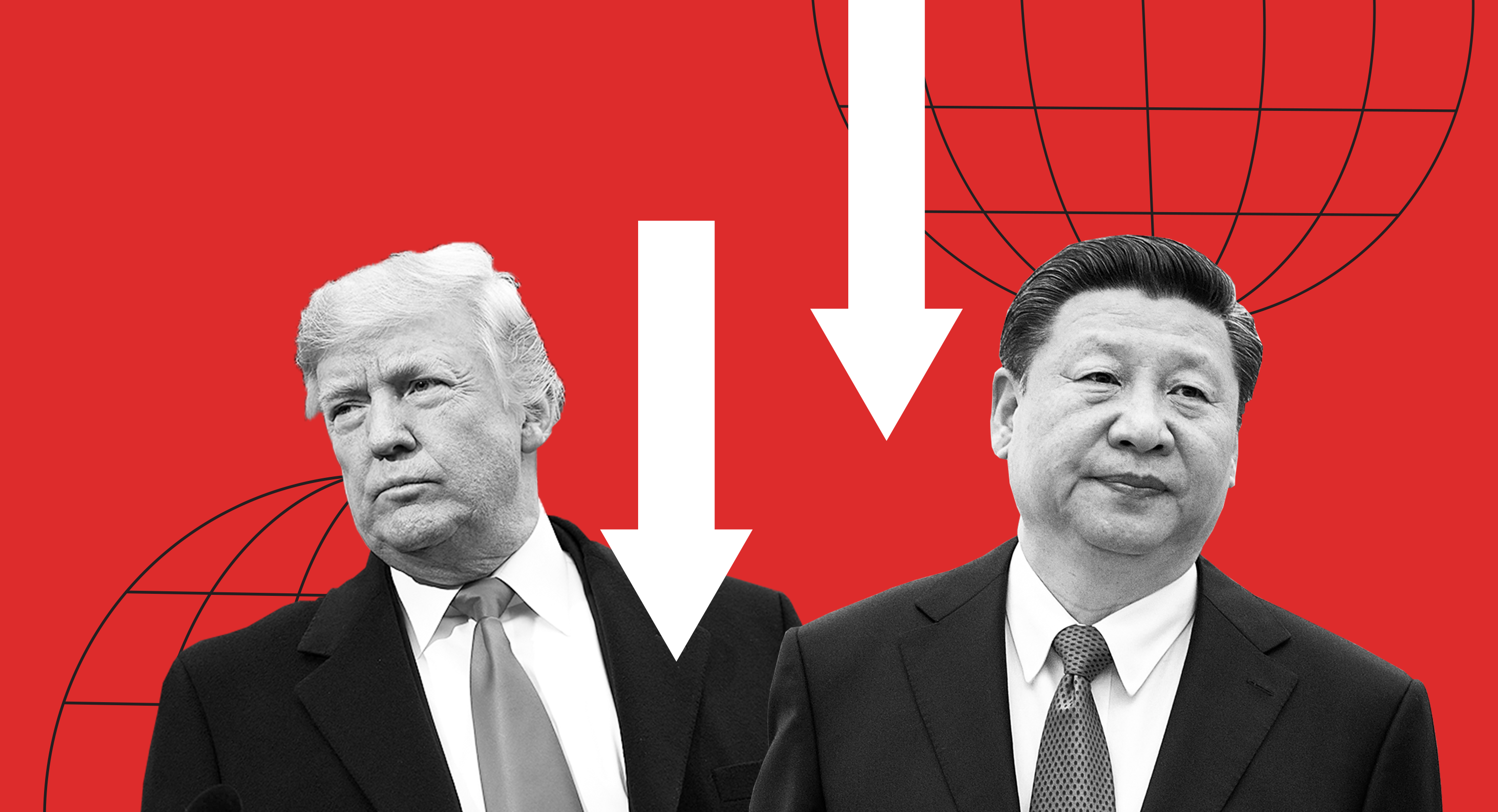
Beijing believes that Washington is overestimating its own leverage and its ability to handle the trade war’s impacts.


Rick Waters, Sheena Chestnut Greitens
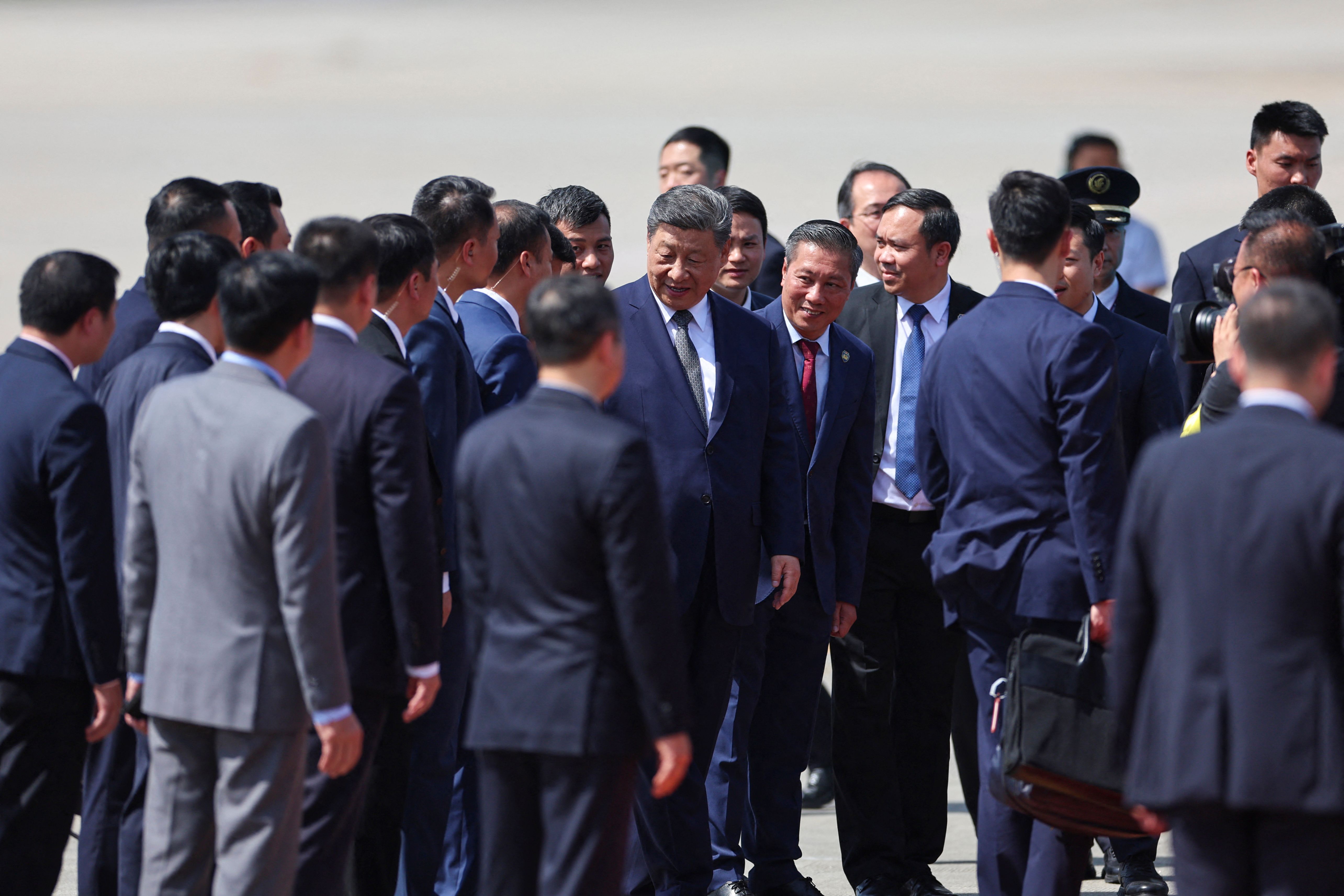
Tapping our network of China experts in the region, Carnegie China offers this latest “China Through a Southeast Asian Lens” report to offer preliminary assessments of whether the U.S. effort to reshape the global trading order will lead countries in the region to tilt toward Beijing.



Selina Ho, Khin Khin Kyaw Kyee, Joseph Ching Velasco, …
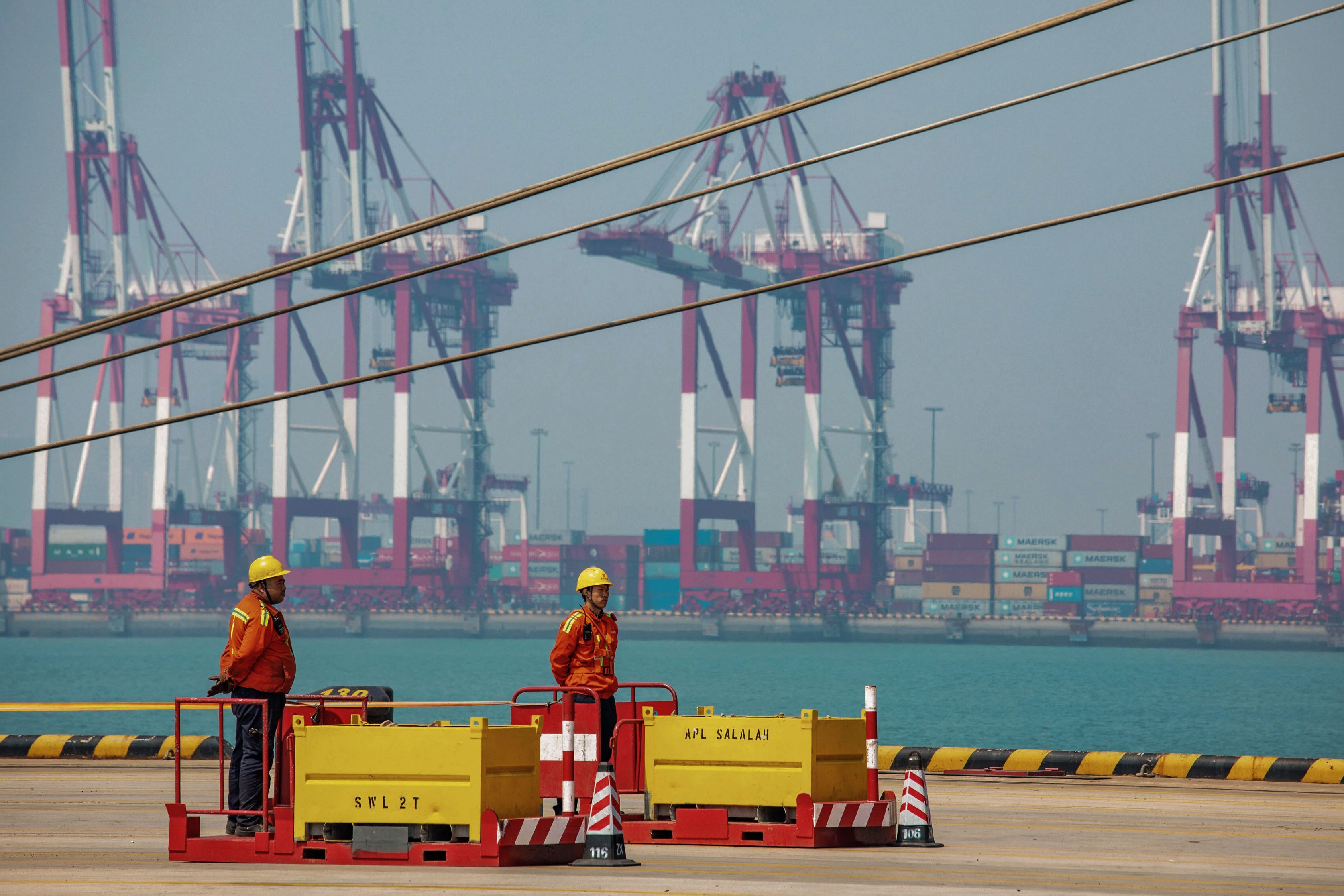
In order to keep production growing, China must either increase investment, and with it its debt burden, or increase its trade surplus.

Michael Pettis
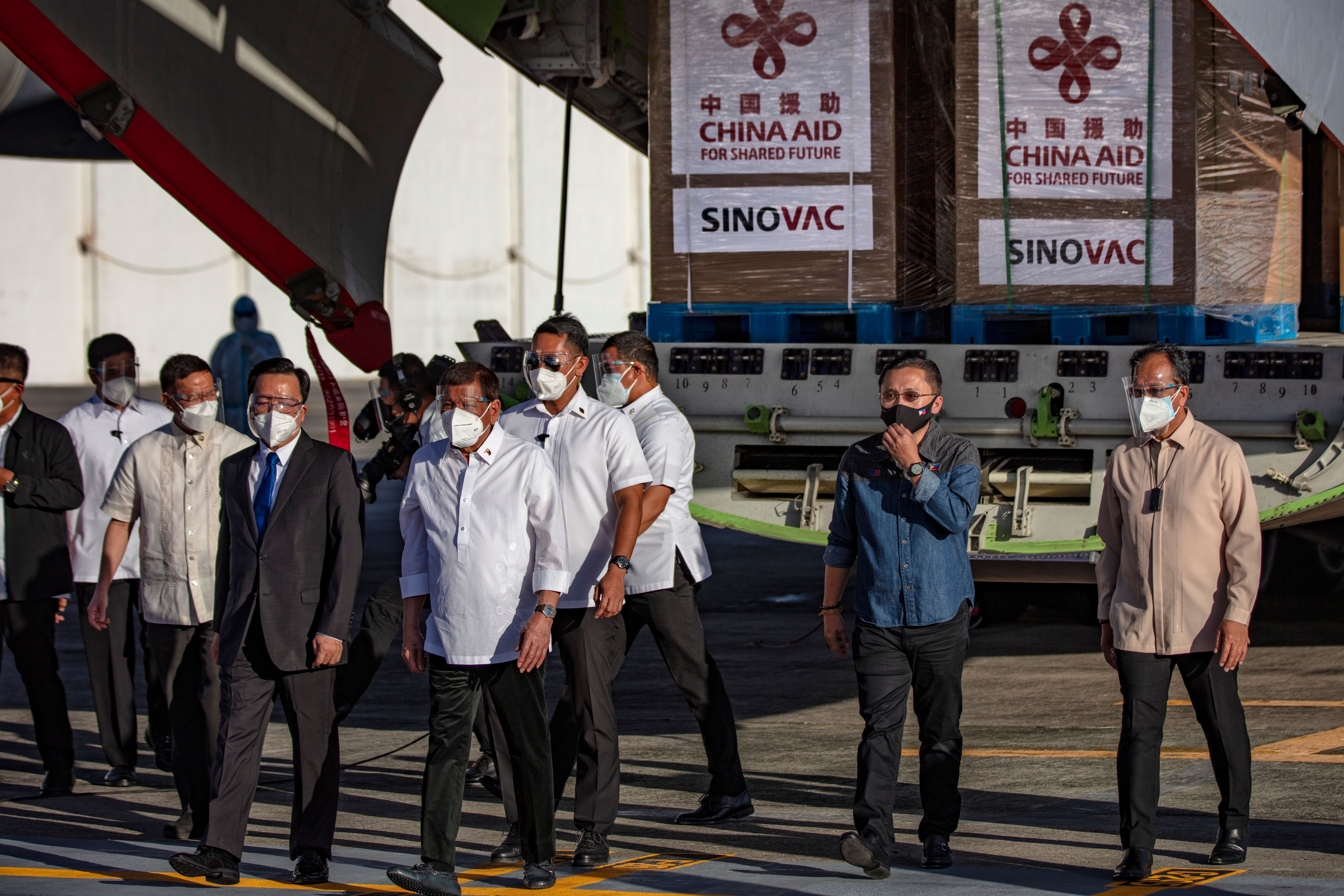
As tech competition moves into the biotech sector, China is increasingly shifting its focus to nearby regions to alleviate U.S.-induced supply chain pressures. As part of this transition, Southeast Asia has emerged as a favored destination.

Xue Gong