

Commentary
Regulation, not embargo, allows Beijing to shape how other countries and firms adapt to its terms.
Alvin Camba

Source: Washington, DC: Carnegie Endowment for International Peace, 2000
In 1997, East Asia was beset by financial crisis and panic. Despite decades of high and sustained growth, most of these countries had little, if any, form of social insurance to help soften the effects of the crisis.
Whereas the international community focuses predominately on the poor, After the Crisis examines the impact of the crisis on an emergent most urban "striving class". Authors Nancy Birdsall and Stephan Haggard emphasize the strategic importance of this emerging middle class in forging an explicit social contract that could benefit all classes.
Please note: this book is no longer available in print format, for more information, please contact Carnegie Publications office.
Former Senior Associate
Stephan Haggard
Carnegie does not take institutional positions on public policy issues; the views represented herein are those of the author(s) and do not necessarily reflect the views of Carnegie, its staff, or its trustees.

Regulation, not embargo, allows Beijing to shape how other countries and firms adapt to its terms.
Alvin Camba

Beijing believes that Washington is overestimating its own leverage and its ability to handle the trade war’s impacts.


Rick Waters, Sheena Chestnut Greitens
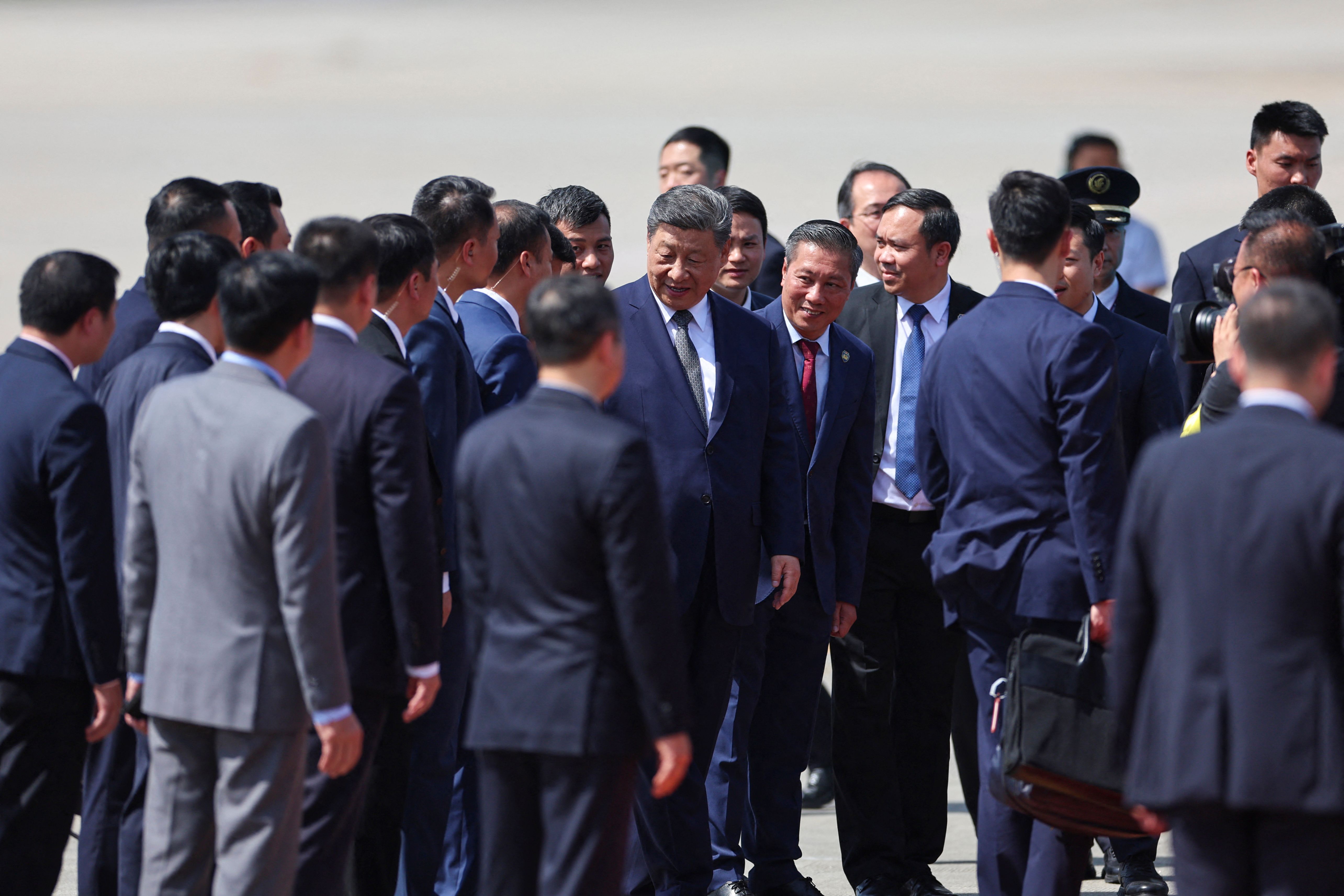
Tapping our network of China experts in the region, Carnegie China offers this latest “China Through a Southeast Asian Lens” report to offer preliminary assessments of whether the U.S. effort to reshape the global trading order will lead countries in the region to tilt toward Beijing.



Selina Ho, Khin Khin Kyaw Kyee, Joseph Ching Velasco, …
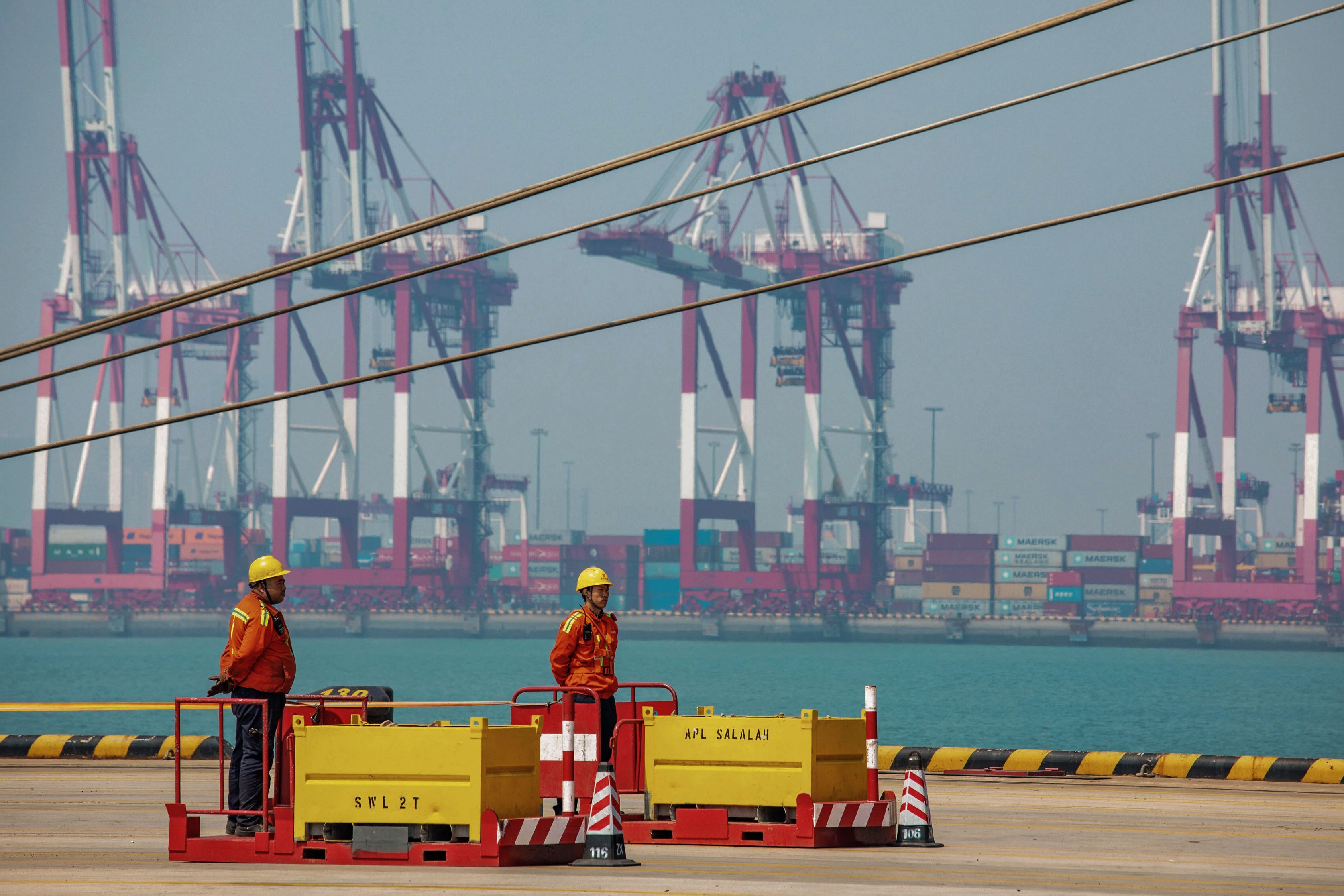
In order to keep production growing, China must either increase investment, and with it its debt burden, or increase its trade surplus.

Michael Pettis
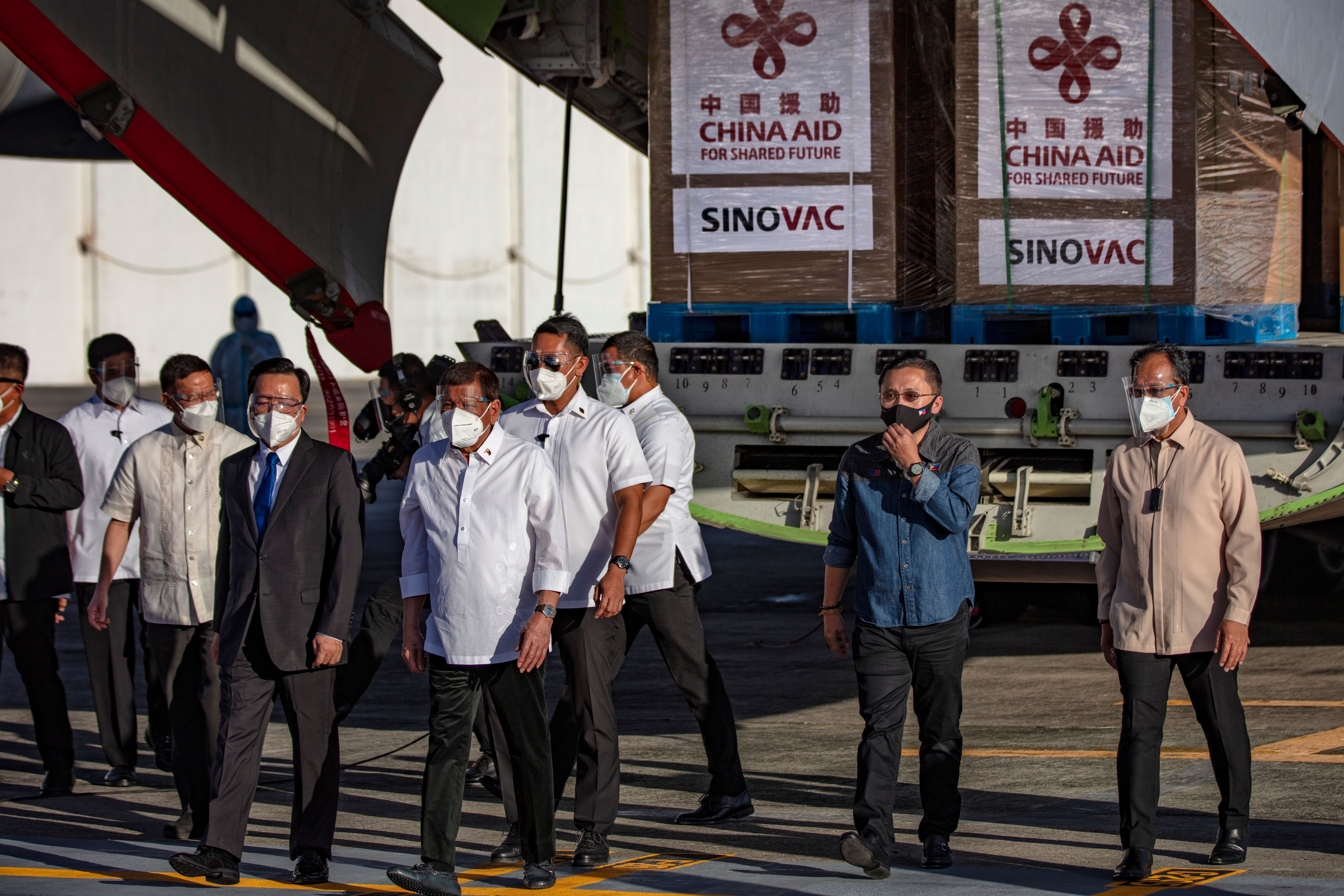
As tech competition moves into the biotech sector, China is increasingly shifting its focus to nearby regions to alleviate U.S.-induced supply chain pressures. As part of this transition, Southeast Asia has emerged as a favored destination.

Xue Gong