

Commentary
But their "principal to principal" model will only be as effective as the political strength of each leader back home.
Damien Ma

This volume looks at the inner workings and realities of border communities along five international borders: United States-Canada, United States-Mexico, Germany-Poland, Russia-China, and Russia-Kazakhstan. The case studies focus on innovative cross-border initiatives and contribute unique insights into the daily lives and local perspectives of border communities.
Source: Washington

"This astutely conceived work addresses itself to a refreshingly precise subject: What are the appropriate functions of borders between states in the age of globalization? Drawing from case studies that reveal the wide range of situations encountered in the world at large, Papademetriou and Meyers elaborate guidelines for an approach to border management that will effectively promote North American integration."
—Aristide R. Zolberg, New School University
"Papademetriou and Meyers give us an excellent analysis of the issues of governance, cross-border initiative and cooperation, international migration, and the tension that is inherent in the interplay of national and local policy perspectives . . . and an imaginative vision of a new NAFTA border regime that would enable the United States, Canada, and Mexico to realize the full potential of their regional economic integration initiative."
—Peter Karl Kresl, Bucknell University
"Caught in the Middle is of outstanding importance to anyone who is interested in feasible alternatives to defensive and at times inefficient border controls."
—Dilek Cinar, European Centre for Social Welfare Policy and Research, Austria
"These comparative border studies skillfully highlight some of the key emergent political issues of the twenty-first century."
—Steven Vertovec, Transnational Communities Programme, University of Oxford
"A superb analysis, relevant worldwide."
—Luis G. Solis, Trans-Border Cooperation in Central America, FUNPADEM, Costa Rica
Former Associate
Demetrios G. Papademetriou
G.
Carnegie does not take institutional positions on public policy issues; the views represented herein are those of the author(s) and do not necessarily reflect the views of Carnegie, its staff, or its trustees.

But their "principal to principal" model will only be as effective as the political strength of each leader back home.

Damien Ma

U.S. unpredictability has allowed China to capitalize on its positioning as the “responsible great power”. Paradoxically, the more China wins the perception game, the more likely expectations will rise for Beijing to deliver not just words but to demonstrate with its deeds.

Chong Ja Ian

For Malaysia, the conjunction that works is “and” not “or” when it comes to the United States and China.

Elina Noor

Regulation, not embargo, allows Beijing to shape how other countries and firms adapt to its terms.

Alvin Camba
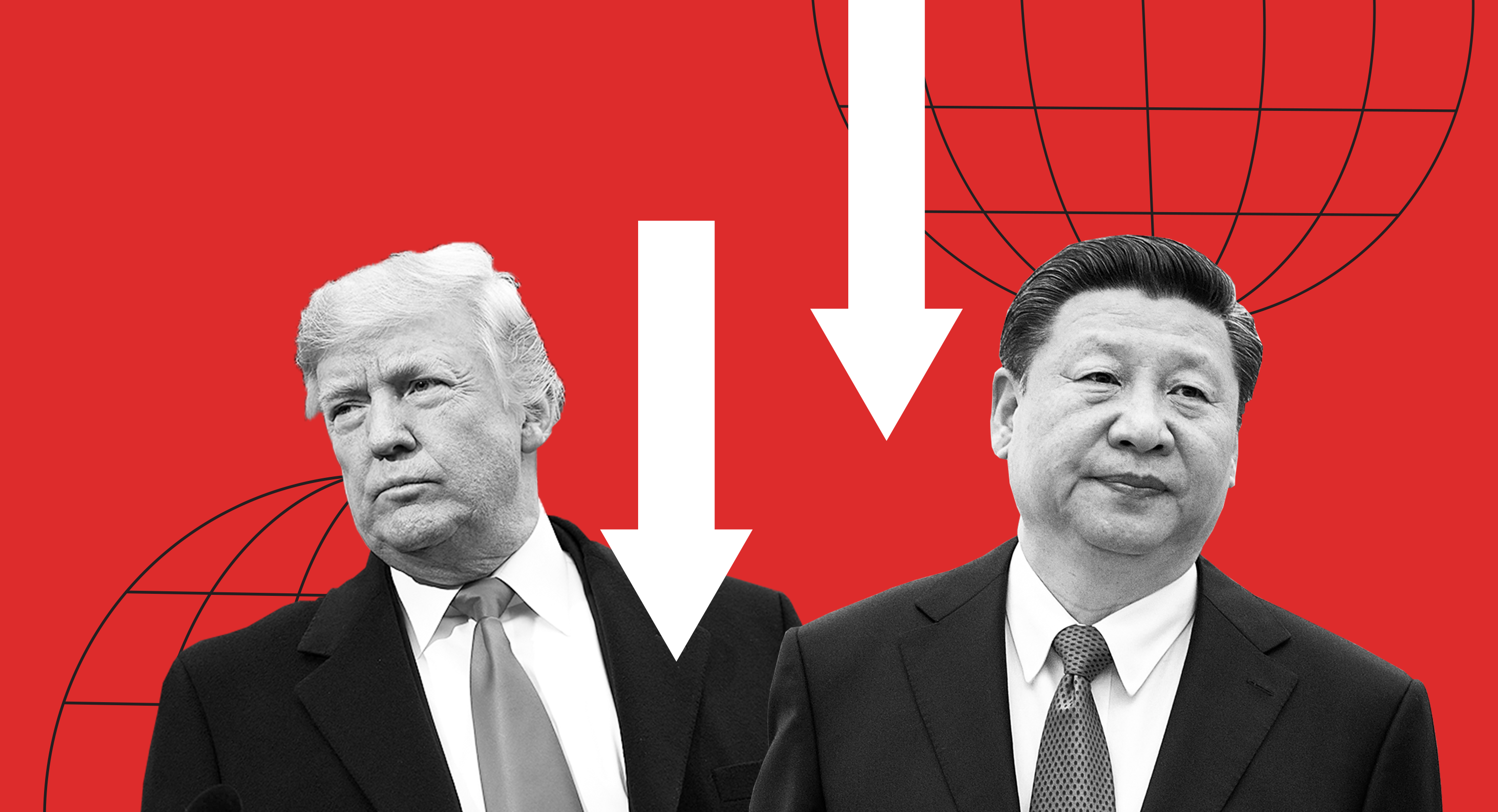
Beijing believes that Washington is overestimating its own leverage and its ability to handle the trade war’s impacts.


Rick Waters, Sheena Chestnut Greitens