

Paper
Ashley J. Tellis
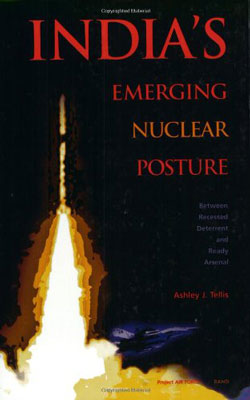
This book examines the forces—political, strategic, technological, and ideational—that led to India's dramatic nuclear policy shift and describes how New Delhi's force-in-being will be fashioned, particularly in light of the threat India faces from its two most salient adversaries, China, and Pakistan.
On May 11, 1998, after a hiatus of more than two decades, India conducted a series of nuclear tests that signaled a critical shift in its strategic thinking. Once content to embrace a nuclear posture consisting largely of "maintaining the option"—i.e., neither creating a nuclear arsenal nor renouncing its right to do so—India is now on the threshold of adopting a posture that, while stopping short of creating a ready arsenal, will take as its goal the establishment of a "minimum but credible deterrent," known as a "force-in-being." India's Emerging Nuclear Posture: Between Recessed Deterrent and Ready Arsenal examines the forces—political, strategic, technological, and ideational—that led to this dramatic policy shift and describes how New Delhi's force-in-being will be fashioned, particularly in light of the threat India faces from its two most salient adversaries, China, and Pakistan.
Former Senior Fellow
Ashley J. Tellis was a senior fellow at the Carnegie Endowment for International Peace.
Recent Work
Ashley J. Tellis
Ashley J. Tellis
Carnegie does not take institutional positions on public policy issues; the views represented herein are those of the author(s) and do not necessarily reflect the views of Carnegie, its staff, or its trustees.

China has showcased its engineering prowess with small modular reactor demonstration projects. But turning these technological achievements into commercial success will be a greater challenge.

Tong Zhao

The nuclear relationship between China and the United States is increasingly shaped by widening perception gaps rather than deliberate strategic design.
Tong Zhao
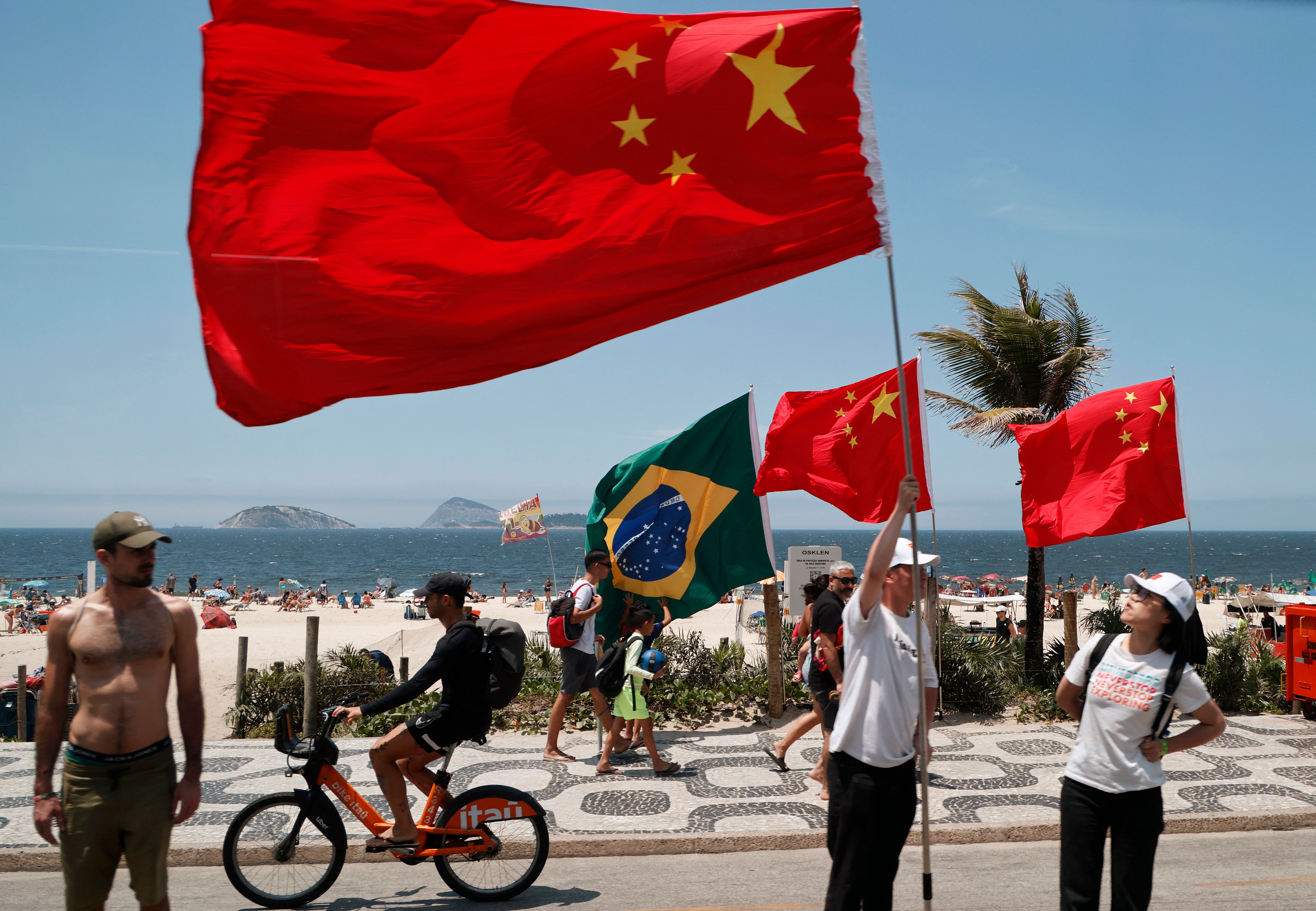
While China will remain a significant political and economic force in the Global South, its ambition to leverage the Global South as a counterbalance to the United States and the Global North is far from assured.

Xue Gong
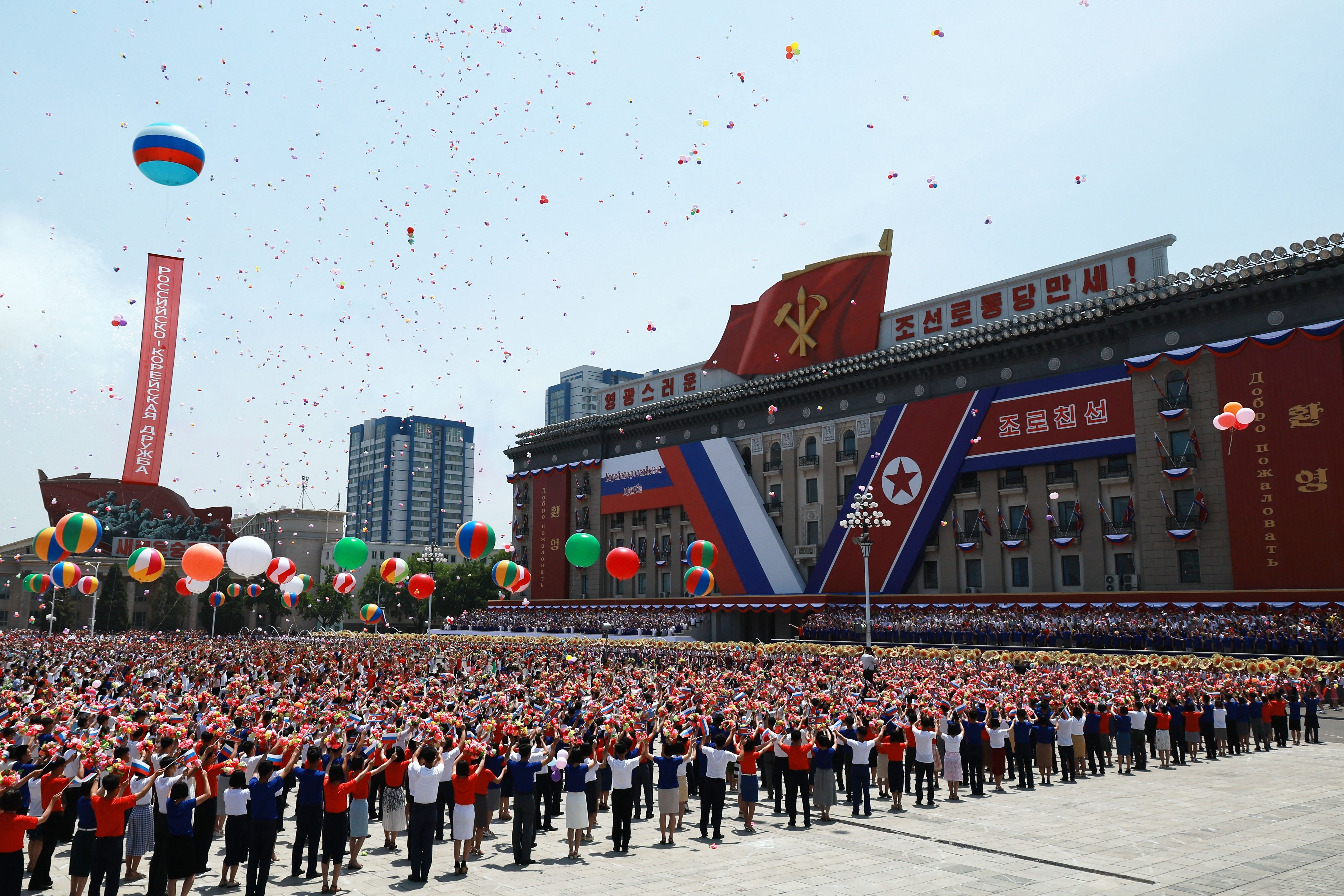
Faced with an increase in strategic maneuvering by Moscow and Pyongyang, Beijing will not sit idly by and allow Putin and Kim to shape the security environment on its behalf.
Tong Zhao

China views U.S. missile defense as posing a greater potential threat to China’s nuclear deterrent than other U.S. military capabilities.
Tong Zhao, Dmitry Stefanovich