

Commentary
Carnegie China scholars share their assessment of the Biden-Xi meeting and its implications for U.S.-China relations going forward.
- +1
Paul Haenle, Xue Gong, Ngeow Chow Bing, …

REQUIRED IMAGE
Source: Carnegie
Summary
Central to judicial reform efforts all around the world are the goals of increasing judicial independence and improving the management of courts. One approach that has gained popularity in the past ten years for addressing these issues is creating independent judicial councils. These organizations take over responsibility from ministries of justice or the judicial power itself for selecting and promoting judges, as well as for administering the courts. The hope is that by moving these powers to a less politicized and less bureaucratic organization, real improvements on both judicial independence and court management can be made.
Latin America has engaged in substantial efforts along this line. Judicial councils were created in a sizeable number of Latin American countries in the last fifteen years, usually with the support, or even at the urging, of outside supporters of judicial reforms, including the U.S. government and various international institutions. These Latin American judicial councils have now accumulated substantial track records. Consequently they represent an important opportunity for learning about the utility of this approach to judicial reform, with great potential relevance to countries in other regions that may contemplate the creation of such institutions in Eastern Europe, the former Soviet Union, Asia, and elsewhere.
Linn Hammergren takes up the challenge of analyzing the record of experience with judicial councils in Latin America and extracting key lessons. The paper is part of a new series commissioned by the Endowment's Democracy and Rule of Law Project to provide thoughtful, practical and challenging analyses of some of the key questions in the field of rule-of-law and foreign investment.
Click on link above for full text of this Carnegie Paper.
About the Author
Linn Hammergren is a senior public sector management specialist in the World Bank Latin America regional department, working in the areas of judicial reform and
anti-corruption.
Linn Hammergren
Carnegie does not take institutional positions on public policy issues; the views represented herein are those of the author(s) and do not necessarily reflect the views of Carnegie, its staff, or its trustees.
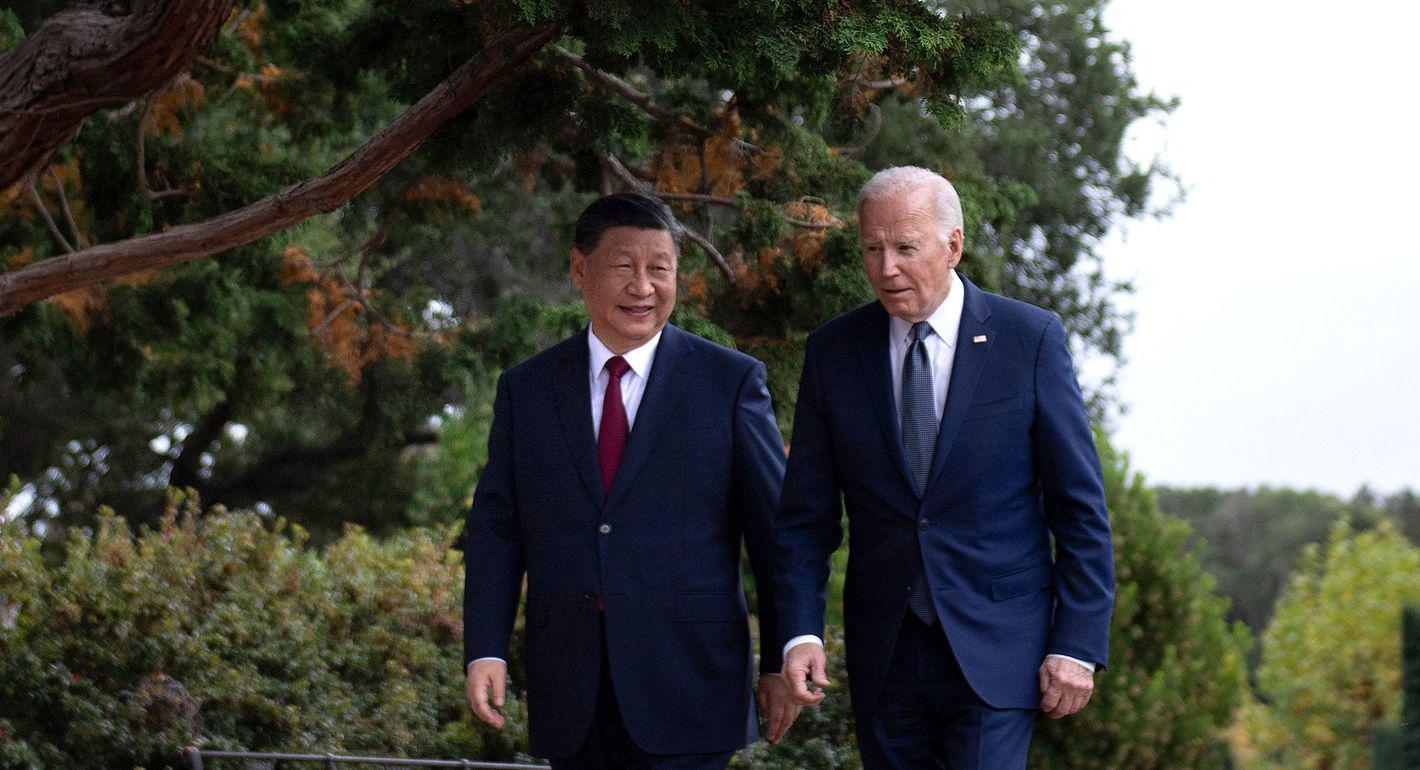
Carnegie China scholars share their assessment of the Biden-Xi meeting and its implications for U.S.-China relations going forward.



Paul Haenle, Xue Gong, Ngeow Chow Bing, …
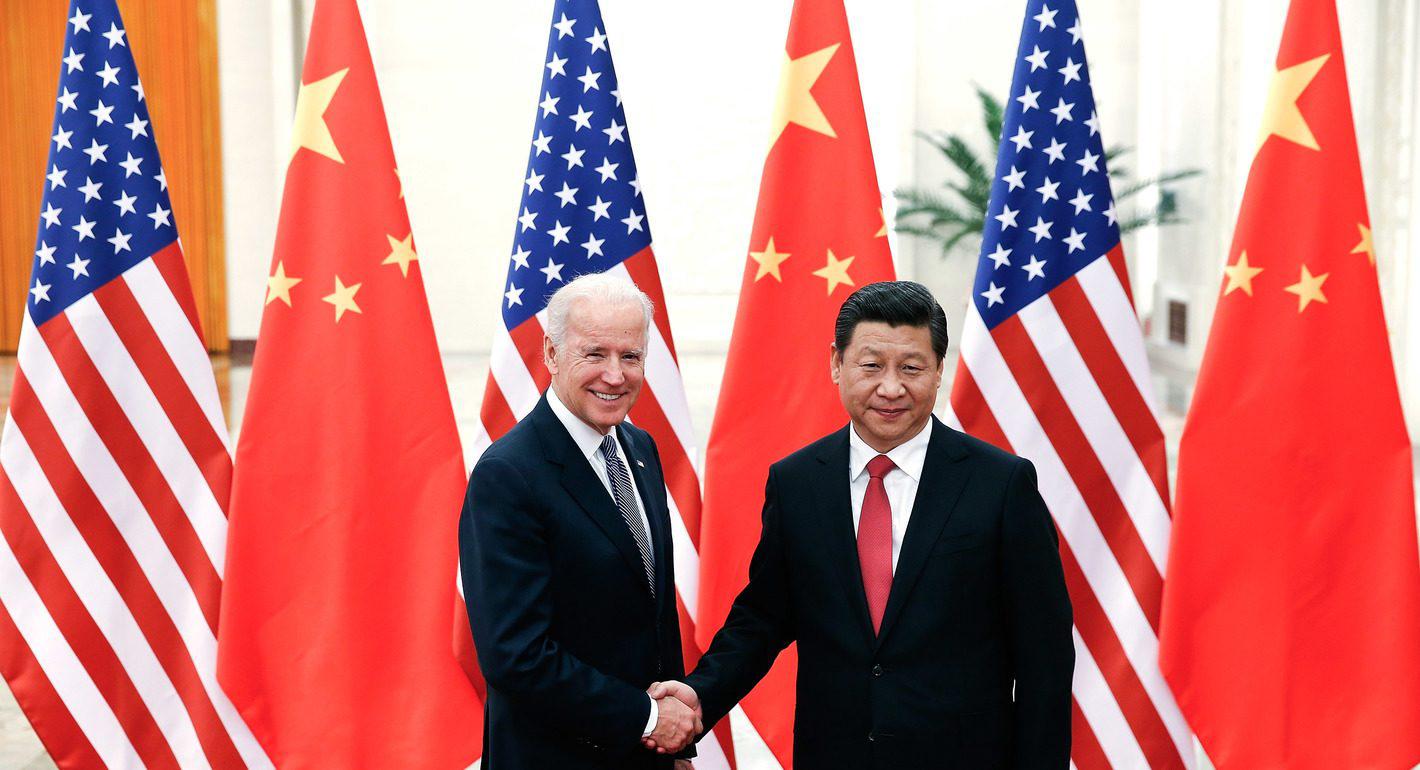
Southeast Asian capitals would prefer that the U.S. and PRC manage their relationship, if not get along.

Paul Haenle, Chong Ja Ian

As the world undergoes a new round of fragmentation and major power rivalry that includes the advancing of divergent visions of global order, Singapore is discovering that its interests are increasingly being pulled in different directions.
Chong Ja Ian
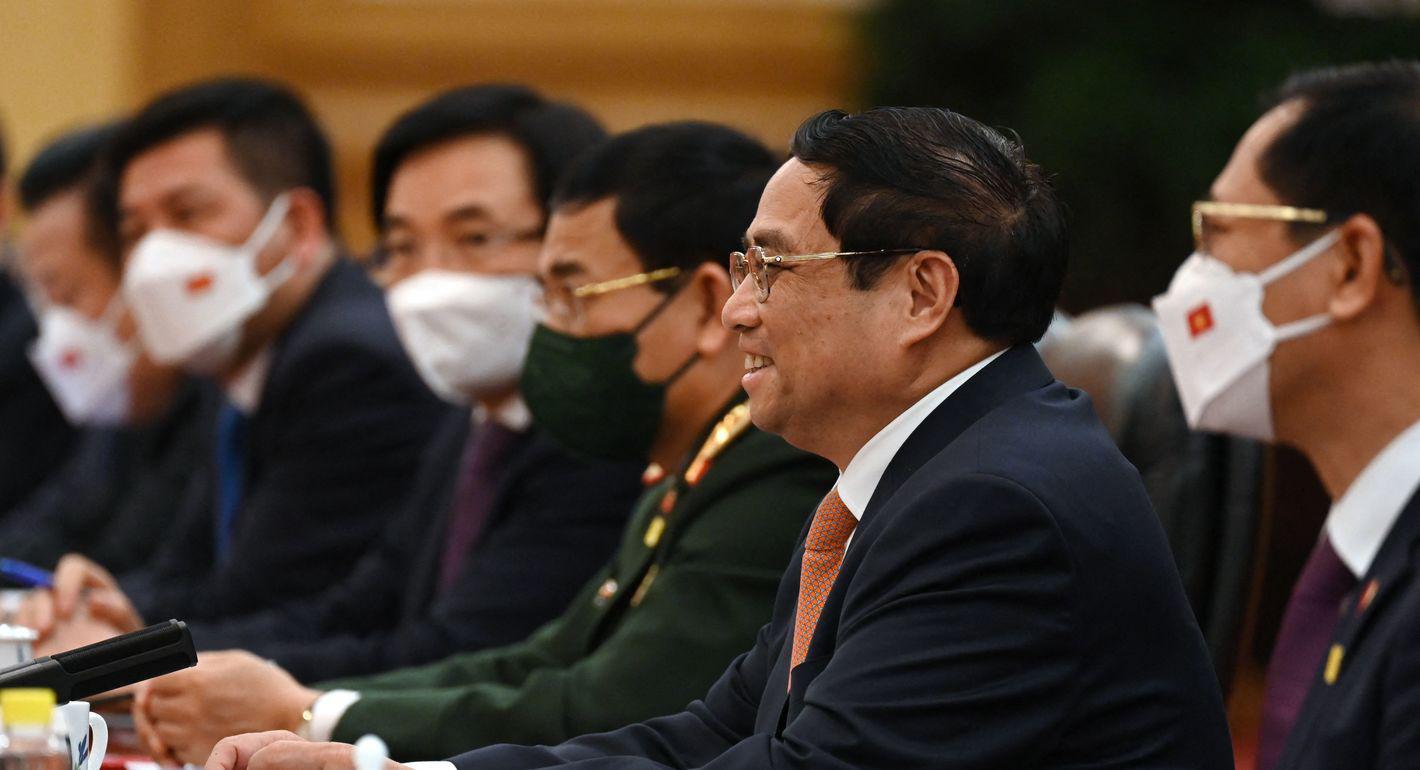
There is a certain level of restraint, but there is also a lingering distrust.
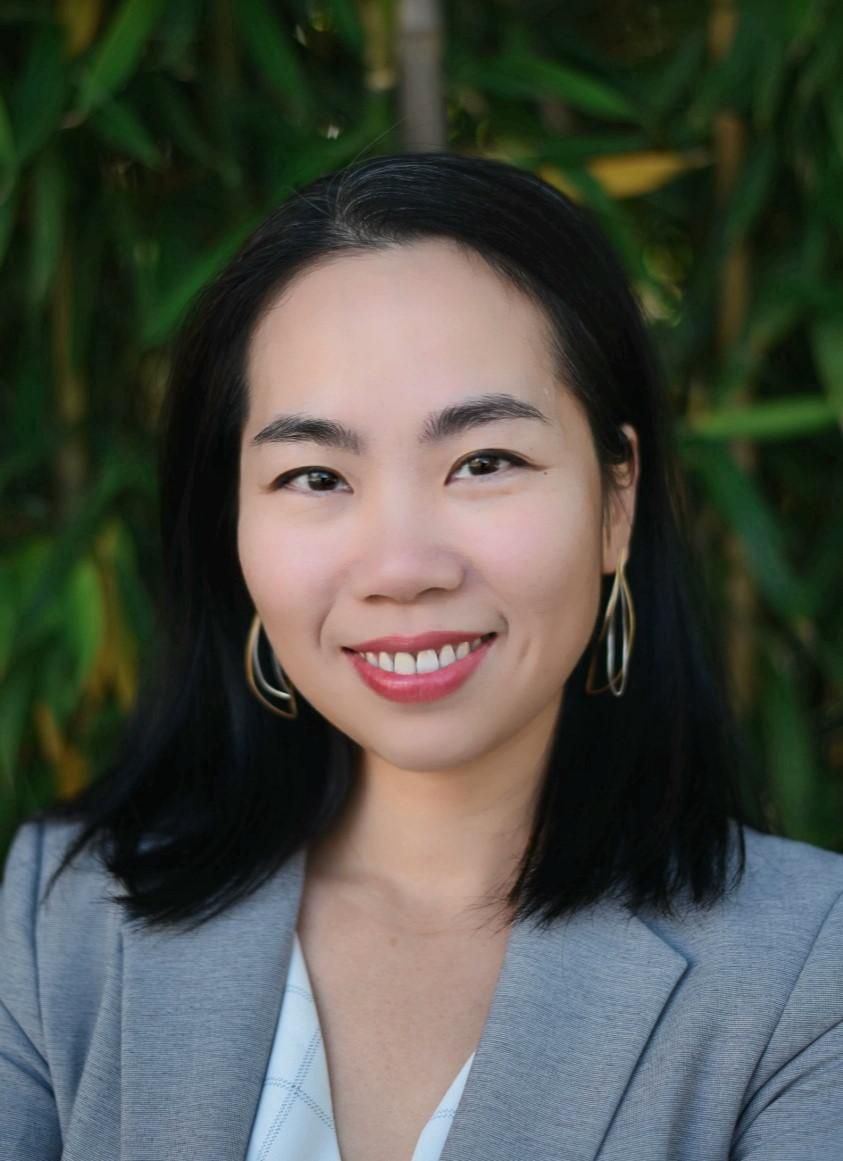
Paul Haenle, Huong Le Thu

Transactional relationships are stable but can be shallow.

Paul Haenle, Maha Yahya, Benjamin Ho, …