

Article
China has showcased its engineering prowess with small modular reactor demonstration projects. But turning these technological achievements into commercial success will be a greater challenge.
Tong Zhao

REQUIRED IMAGE
Source: Carnegie
Summary
This paper reports the results of a study of the potential to apply the principles and practice of threat reduction cooperation to countries beyond the territory of the former Soviet Union. The study focused on the application of concepts and tools used in the former Soviet Union to the region of South Asia. The research was designed to explore what might be done cooperatively to enhance the security of the nuclear assets of India and Pakistan, lest they fall into the hands of terrorists or leaders of rogue states who would use them to threaten other states or peoples.
Click on link above for full text of this Carnegie Paper.
About the Authors
Rose Gottemoeller is senior associate in the Non-Proliferation Project and the Russian and Eurasian Program at the Carnegie Endowment. She previously served as deputy undersecretary for defense nuclear nonproliferation in the U.S. Department of Energy.
Rebecca Longsworth, formerly with Science Applications International Corporation, is president of Keen Management Solutions.
A limited number of print copies are also available.
Request a copy

Nonresident Senior Fellow, Nuclear Policy Program
Rose Gottemoeller is a nonresident senior fellow in Carnegie’s Nuclear Policy Program. She also serves as lecturer at Stanford University’s Freeman Spogli Institute for International Studies and is a research fellow at the Hoover Institution. Ambassador Gottemoeller served as the deputy secretary general of NATO from 2016 to 2019.
Rebecca Longsworth
Carnegie does not take institutional positions on public policy issues; the views represented herein are those of the author(s) and do not necessarily reflect the views of Carnegie, its staff, or its trustees.

China has showcased its engineering prowess with small modular reactor demonstration projects. But turning these technological achievements into commercial success will be a greater challenge.

Tong Zhao

The nuclear relationship between China and the United States is increasingly shaped by widening perception gaps rather than deliberate strategic design.
Tong Zhao
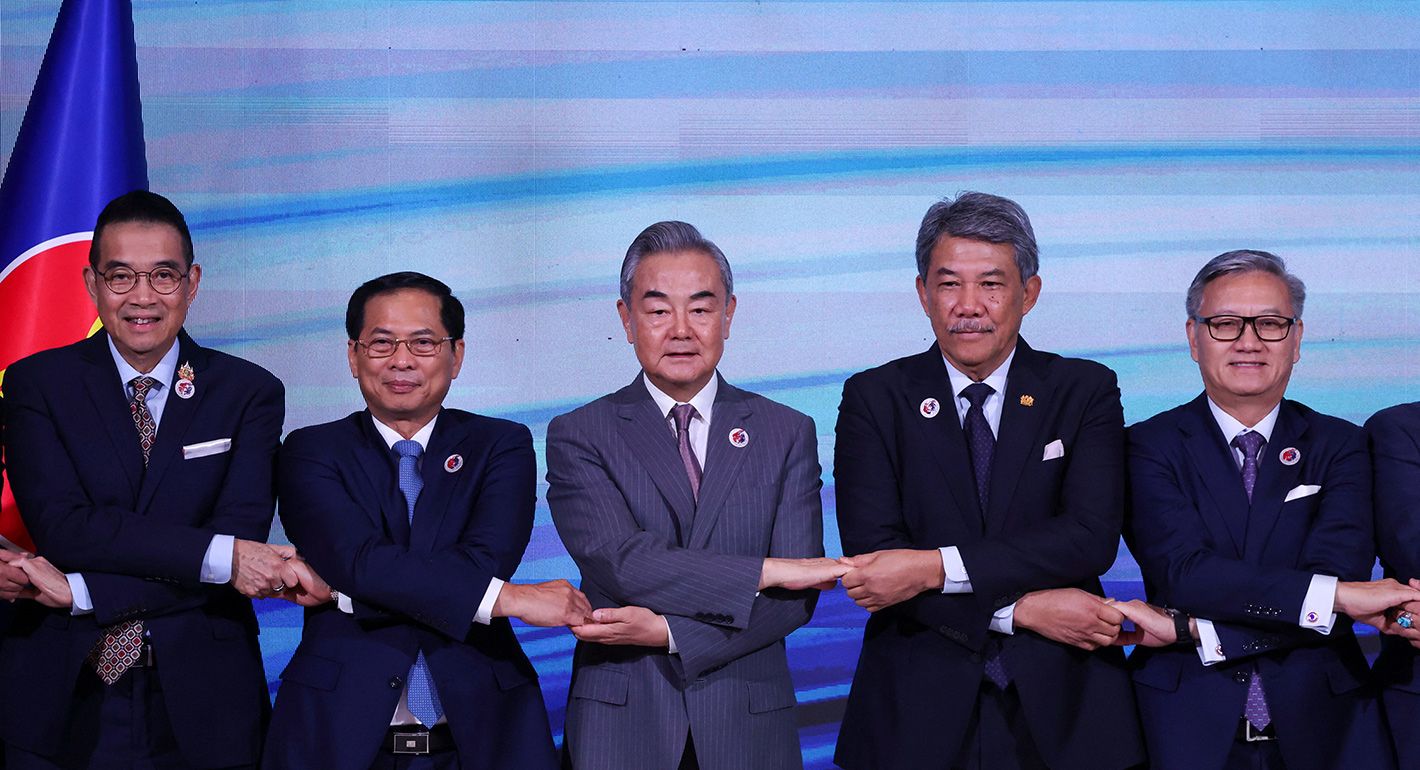
The Thai-Cambodian conflict highlights the limits to China's peacemaker ambition and the significance of this role on Southeast Asia’s balance of power.

Pongphisoot (Paul) Busbarat
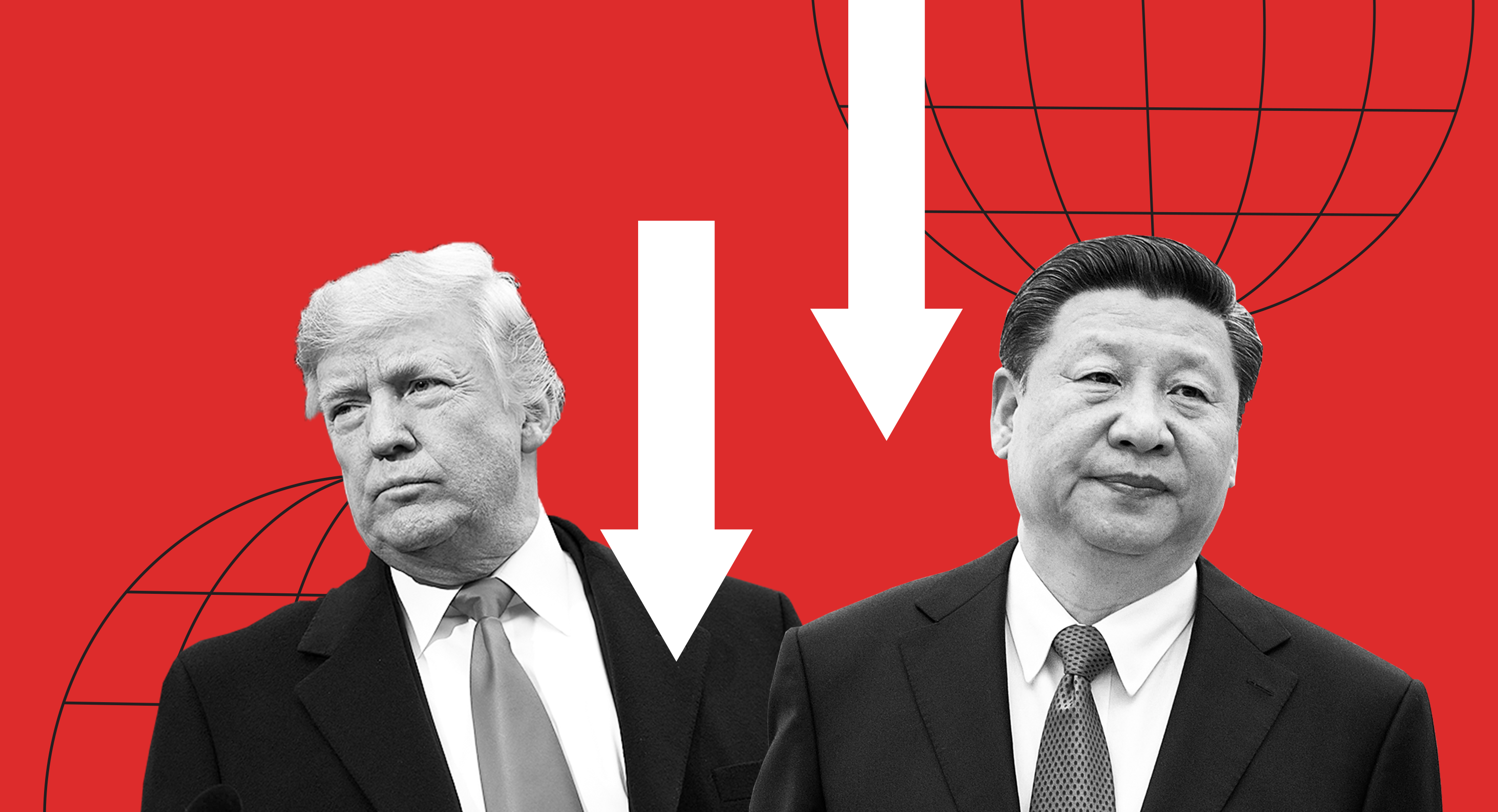
Beijing believes that Washington is overestimating its own leverage and its ability to handle the trade war’s impacts.


Rick Waters, Sheena Chestnut Greitens
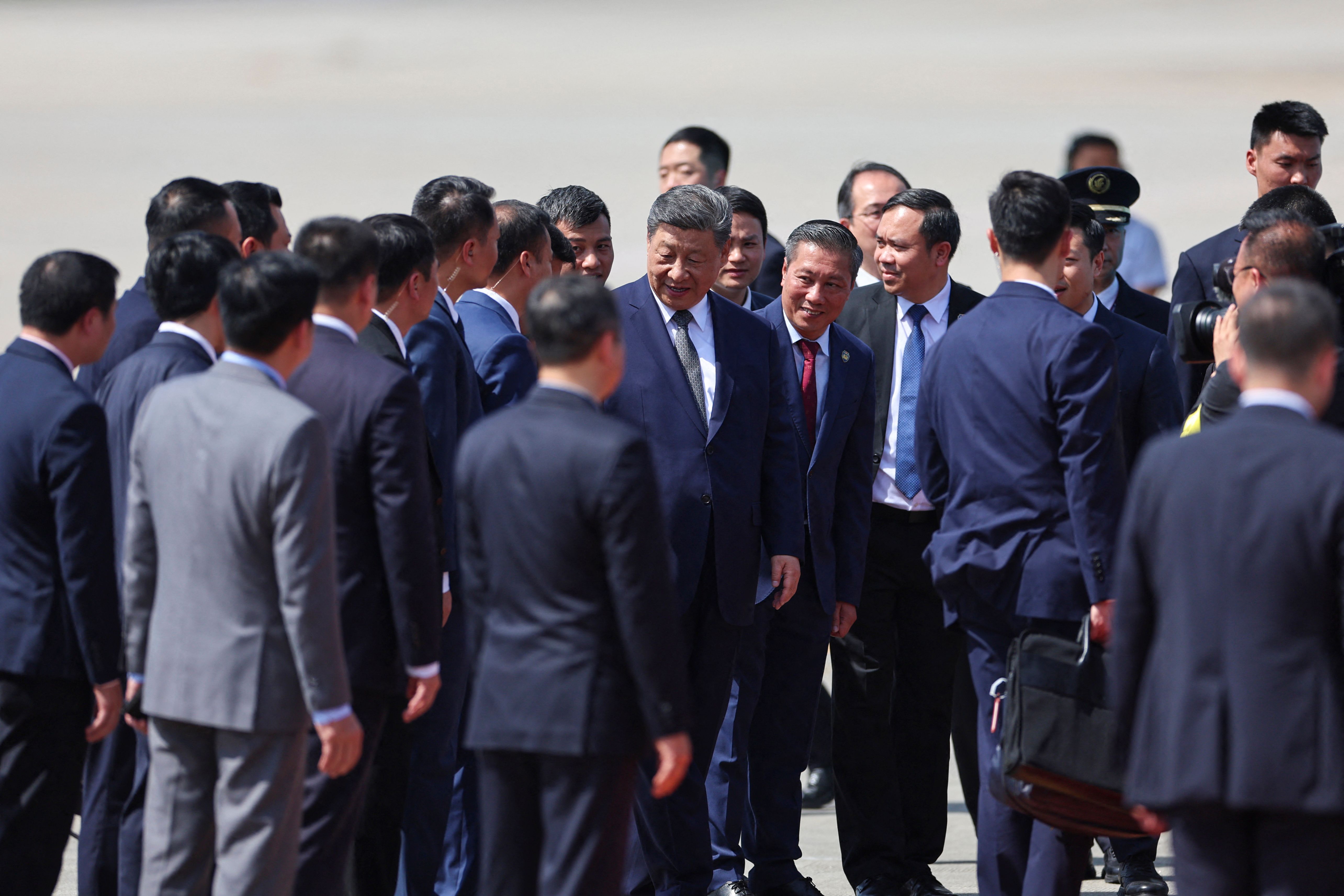
Tapping our network of China experts in the region, Carnegie China offers this latest “China Through a Southeast Asian Lens” report to offer preliminary assessments of whether the U.S. effort to reshape the global trading order will lead countries in the region to tilt toward Beijing.



Selina Ho, Khin Khin Kyaw Kyee, Joseph Ching Velasco, …